




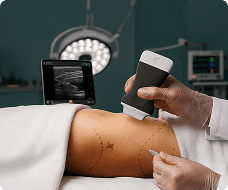
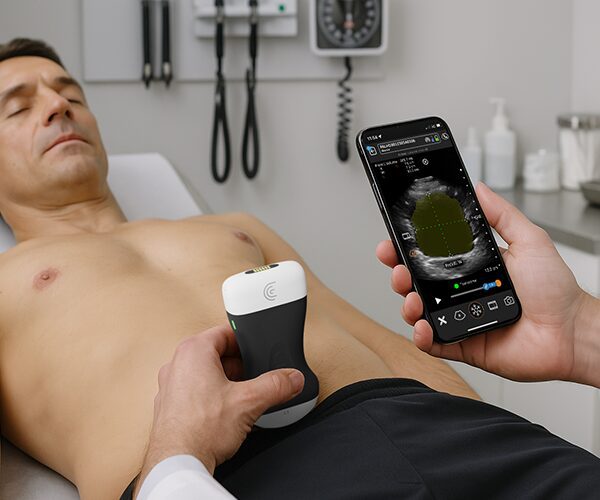


Basic scan in patients with trauma, abdominal or thoracic pain, or unexplained hypotension. The caudal edge of the liver in the right upper quadrant is the most sensitive position to identify even small amounts of pathologic peritoneal fluid. Findings of free fluid in the abdomen can suggest blood from trauma or ectopic rupture, ascites from any cause, or in rare cases bowel contents. The probe can easily slide up to screen for pleural effusions and/or hemothroax by crossing the diaphragm after scanning the abdomen.
today i'm going to demonstrate the efast exam stands for the extended focused assessment with sonography and trauma it's useful for patients presenting with blunt or penetrating trauma the first focus is to look at the abdomen for intra-abdominal free fluid as well as the subxiphoid view of the heart to look for a pericardial effusion secondly you're going to look at the chest for signs of hemothorax as well as pneumothorax first place we're going to start is the right upper quadrant we're going to place our probe here to look to identify the liver and the kidney the bright white line in between is called morrison's pouch the idea here is that we want to scan through this interface because it's one of the more sensitive areas in the upper abdomen for free fluid at this point it's helpful to also angle your probe upwards so that you visualize the diaphragm and look above the liver and above the diaphragm here we're looking for fluid above the diaphragm this would suggest a pleural effusion and in the setting of trauma it would suggest a hemothorax at this point we also want to slide the probe inferiorly and we want to actually visualize the inferior tip of the liver because this has been shown to be one of the most sensitive areas for free fluid in the abdomen the next place to look is the left upper quadrant and at this point we're trying to identify both the spleen and the kidney which we can visualize here so again it's helpful to fan through that interface however the left upper quadrant is a little bit different from the the right upper quadrant because fluid is actually more likely to collect above the spleen under the diaphragm so it's important to visualize the diaphragm up to nine o'clock and we'll sweep through that interface as well we'll also try to angle our probe to look above the diaphragm to again see if there's any fluid in the left chest suggestive of a hemothorax the next place to look is the pelvis so we'll orient our probe in a transverse manner initially and our landmark here is the bladder so it's a cystic fluid-filled structure so we're going to sweep through this area to see if there is fluid outside of the bladder and here it's also helpful to rotate the probe 90 degrees into a sagittal position and from here again we see our bladder which is our landmark and we're going to sweep our probe side to side to look for fluid superior to the bladder then move on to look at the heart so here we're taking a sub xiphoid approach to the heart we're in the epigastrium we're aiming the probe up towards the left chest and we are aiming to visualize the septum which is the bright white line in between the two ventricles as well as the right heart border effectively you want to visualize the right heart border all the way up to the septum in an appearance that looks like a seven and then you know you have adequate visualization of the heart and the idea here is that you want to sweep through and we're looking for fluid along the right heart border that would be suggestive of a pericardial effusion to finish off the extended fast exam we're looking at the anterior chest to look for pneumothorax here we place our probe oriented in a vertical position with the marker pointing towards the patient's head place the probe in the mid clavicular line somewhere in the third or fourth rib interspace a landmark here is the ribs which are bright and white with black shadowing beneath we're looking for the hyperechoic bright white line in between the two that looks like it's shimmering or scintillating it looks like there's movement or what we call sliding at that line so that is normal and that suggests that the patient does not have a clinically significant pneumothorax on that side of the chest and in general you only need to look at one interspace in each thorax so we can look at the right lung as well as the left lung and again we can see our two ribs and normal sliding you