Hello everyone, welcome back to fact
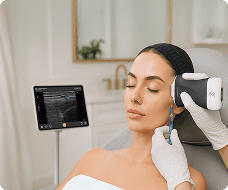
facial assessment with clarius
ultrasound. I'm Dr. Royazami and I'm in
this episode I'm focusing on bal fat
path very important structure for
midface volume and contour.
There is uh a few treatments that using
uh for bouall fat pad reduction even
surgical or non-surgical. It's very
important to assess with ultrasound the
size, position and relation to the
adjacent structures like parotted duct,
facial vein and all the muscles around.
As we all know that bhal fat pad it's
surrounded by uh different um tissue and
structure.
Posterior part or we can say lateral
part of the bal fat pad is maser muscle
which I'm going to uh scan and using as
a landmark for scanning the bal fat pad.
Then medially and below I mean the deep
part of bukhal fatalpad is buxinator
muscle.
Superficial part is either parotidomic
fascia or risorius muscle. And uh
sometimes we can find a parotted dock on
uh uppermost part of the fat pad and
facial vein in the uh lateral part of
this fat pad. I'm going to assess uh the
patient uh bol fat pad to see when what
is important to assess because some
people they're not good candidate. It's
good to explore the suitability for
surgical or non-surgical
reduction. If the patient has the thin
and superficial fat pad, they're not
good candidate and they might get injury
to the very crucial structure which is
the vein or proid gland. Let's start.
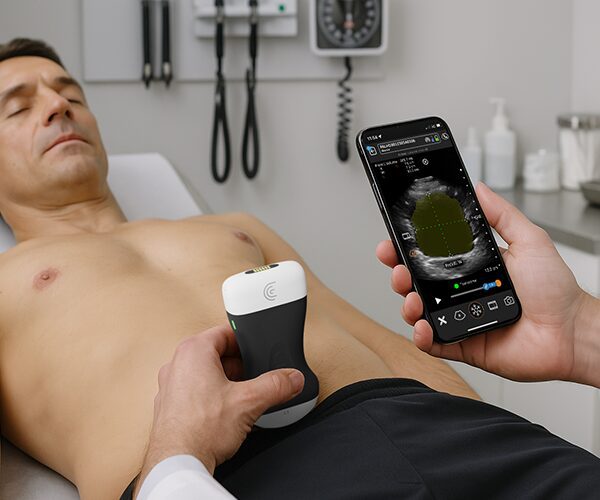
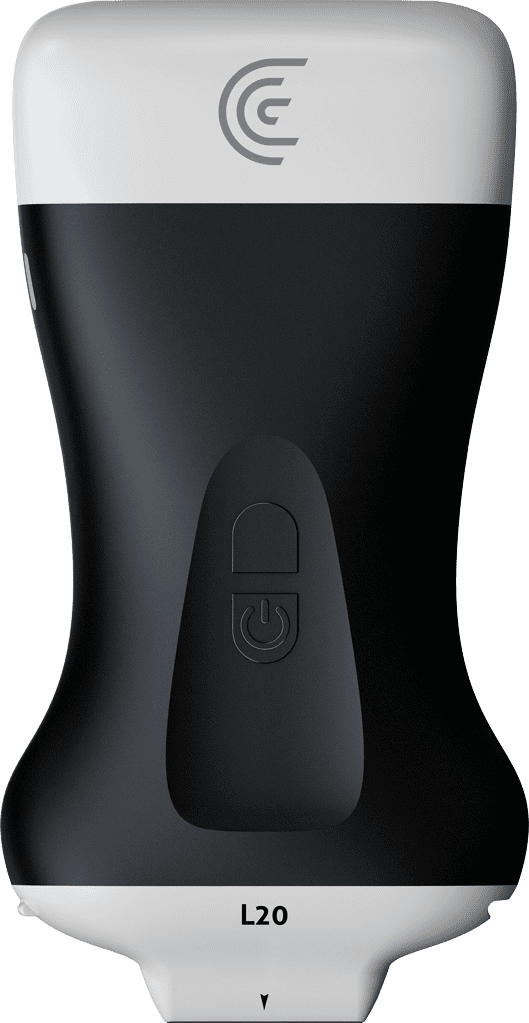
And I'm uh using
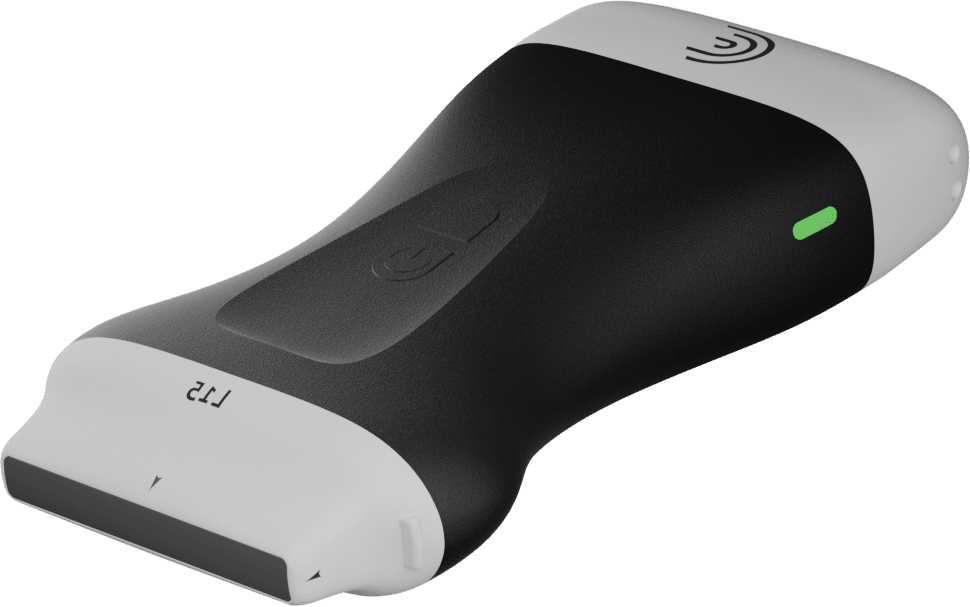
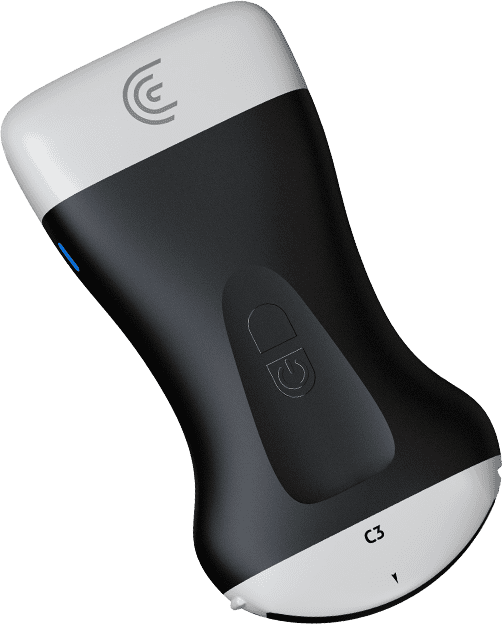
Clarius L20 for this part. And the
preset is a static cheek area.
I'm going as I said mentioned before
that I'm starting from the lateral part
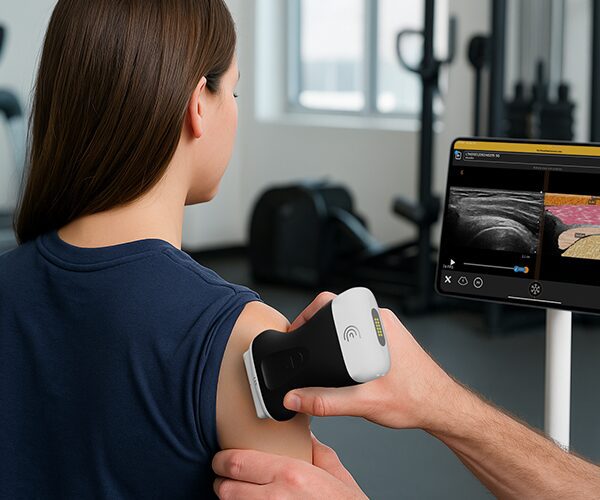
and my muscle. I'm asking the patient to
clinch
and you see the bulging of the mass
muscle and three heads. Posterior one is
a deep one. Superficial is the
superficial head and anterior one is the
intermediate. Okay, relax. And now I'm
scanning anteriorly
until I get to the anterior part of my
muscle. A little bit rotate.
and move superiorly.
Now I'm asking my patient to to animate
again blue and then you see the
buxinator muscle become a very very
thin hypoechic
band. Relax.
And then here
as you see
I can find
the book of fat fat.
I will show you here.
Most of the time
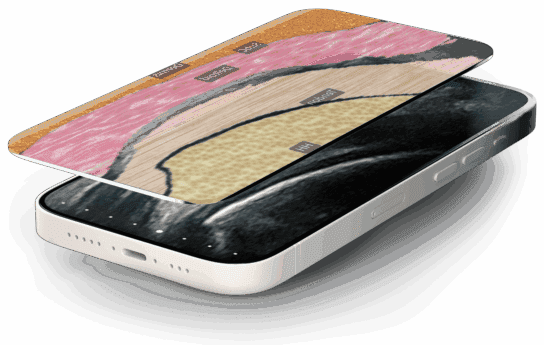
it's either triangle or oval shape.
either a little bit hypoaccoic or a
slightly hypercoic
compared to the adjacent uh area.
This is the boxinator muscle. But this
area that I'm showing is the bouall fat
pad. And I can even measure
the position from the surface
to the deep tissue
which is 13 mm. And the thickness of
bouall fat fat itself which we have to
measure the uh the largest diameter of
antro posterior diameter to see the
thickness of the bouall fat which is 4.5
and then based on this we decide to
either do the reduction or not
either do the surgical fat fat reduction
or non-surgical fat at bad reduction.
Now I'm going to uh do the color Doppler
or power Doppler to explore the facial
wing which is usually inside the you
know coursing uh through the fat pad.
And starting again from a seater muscle
as you see here
there is a bone there is hypocoic
structure with hyper echcoic band inside
which is deep inferior tendon. Then on
top of the massar muscle you see the
parotidomic fascia as the multi-
layer but hyper echcoic layer parallel
layer and then hypocoic subcutaneous fat
and skin now with color doppler
I'm scanning anteriorly and I expect to
see the
facial vessels anterior to the massar
muscle in antiggonia on notch. But my
goal is to check a boual fat pad and
facial vein inside the bal fat pad. You
can easily see the facial vein here
and then upper part of
bouall fat pad. You see the very thin
ancoic line which is the parotate
duct.
If I'm slightly
glide posteriorly
on top of the vein or on top of the
boual fat, you see the riserius muscle
just extending from the parotidomic
fascia.
Today is scanning I showed you how to
access bookall fat pad for the surgical
or non-surgical treatment to ensure
patient safety to give the patient
precise and safe treatment or even
exclude your patient from the treatment.
Thank you for joining us for this
episode of fact. See you soon.