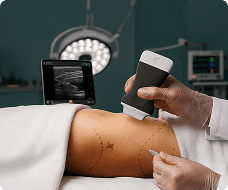
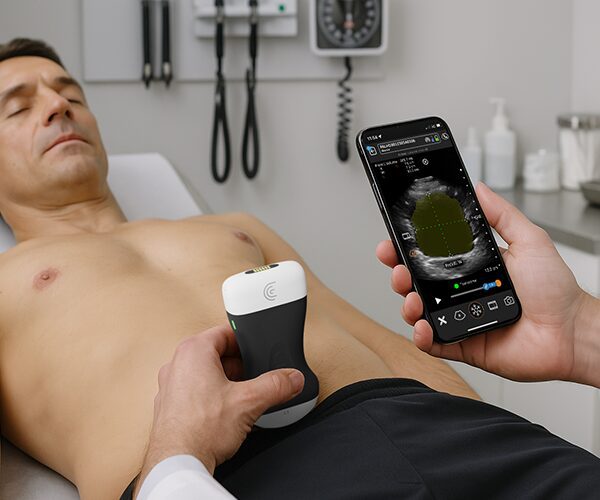
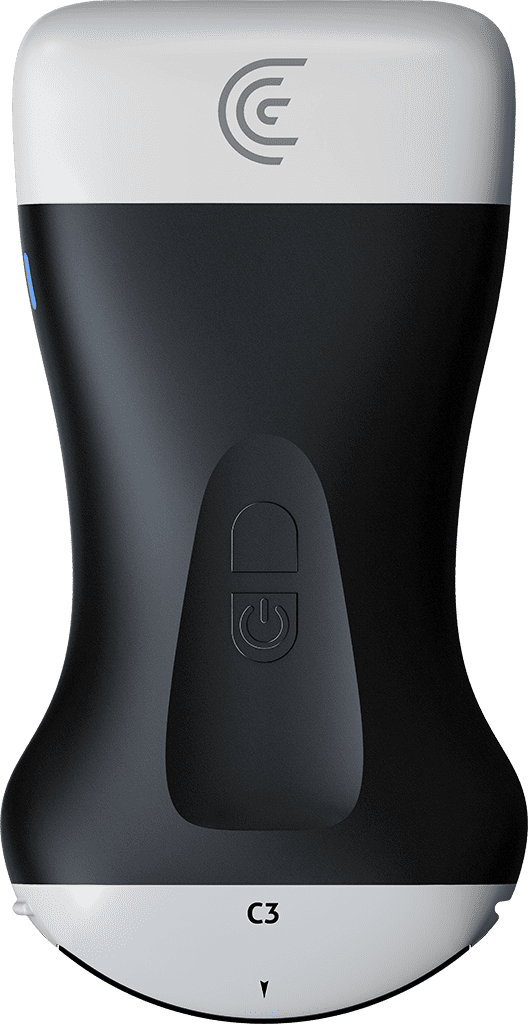
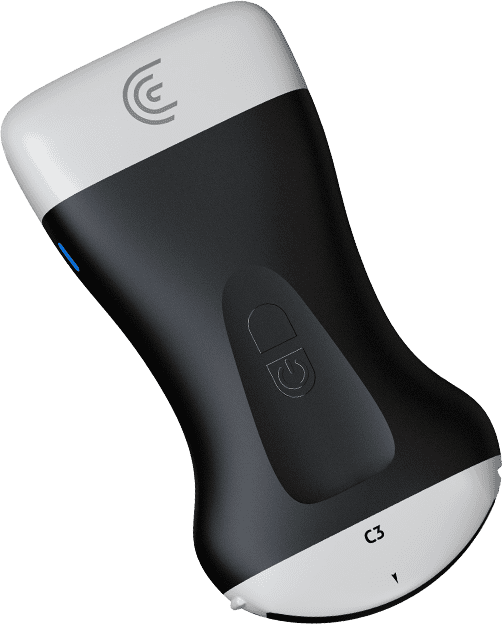
in patients presenting with right upper quadrant or epigastric pain unexplained nausea or vomiting or even sepsis signs of colithiasis cholecystitis and choledocolithiasis can all be quickly identified at the bedside to perform this scan i'll use a curvilinear transducer making sure i'm on the abdomen preset i'll place it in the mid line near the xiphoid process with the indicator towards the head to identify the liver edge with it clearly in view i can start sliding the transducer over to the patient's right until i can clearly identify the portal vein here surrounded by a bright layer of fascia and connected to the portal vein on the right of the screen is the gallbladder once the gallbladder is in view i can sweep through it by bringing the top of the transducer all the way over to the left and all the way over to the right making sure i don't see any signs of stones or inflammation again i'll rotate the transducer 90 degrees and do a second sweep to get a second plane through the gallbladder making sure i sweep through the entire body of the gallbladder especially paying attention to the neck once i've swept through there i look again at the portal vein and make sure i don't see a second dilatation suggestive of choledocolithiasis and if at any point i get confused i can put on color mode to identify what's clearly a vascular structure here as the portal vein and showing that the gallbladder is clearly not with my scan completed i can feel confident that there's no signs of stones in the gallbladder inflammation of the gallbladder or obstruction of the biliary tree you