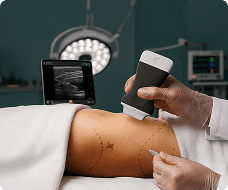
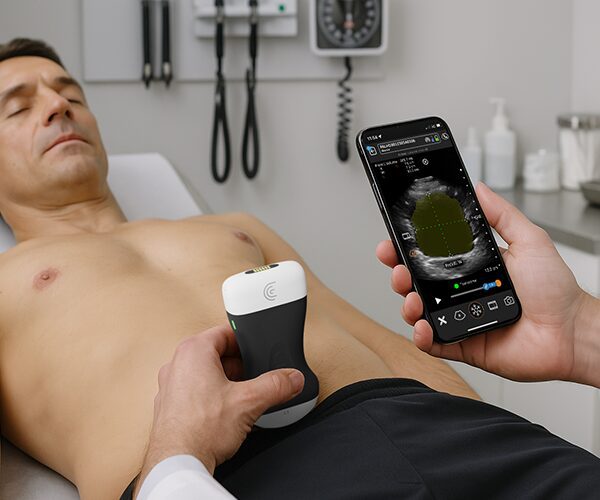
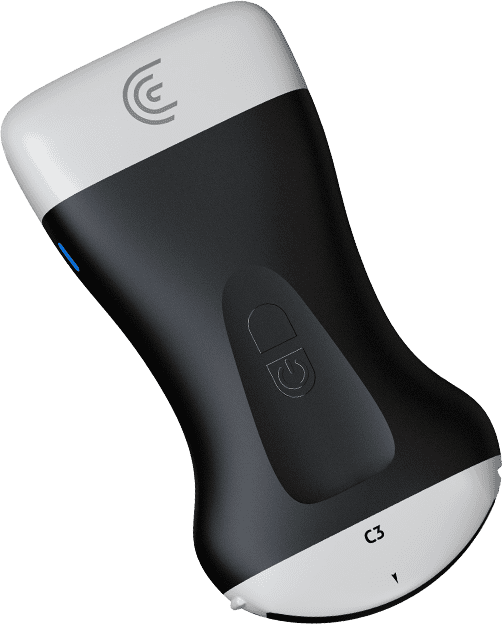
okay so now we're going to talk about mpfl repair so there's obviously something you can also do with reconstruction whether your repair reconstruction doesn't matter this is simply a matter for localization and placement of your anchors anatomically so the first key point is just knowing where you want to look if we were to look and come proximally you can see the patella there you can see the mpfl right there and as you follow it distally what you want to do is you want to kind of follow it to its insertion point and what you're looking for is that adductor tubercle now there's our adductor tubercle and we want to be a little bit proximal and slightly anterior and so that's actually our insertion point of the mpfl right there which you can see it looks quite good so now the next step to do this is go ahead and place a spinal needle right on our location point where we want to make our anchor point okay so again adductor tubercle right there slightly proximal we're gonna go ahead and place a spinal needle right into location make sure i can see it well there's my needle so i get nice needle image there good there's my needle boom and there it is so you can see there's my needle right there and it's literally exactly where i want it because there's my electrotubical there there's the end of it distally there's the electrotropical coming more proximal to it which in and also just slightly uh anterior so i'm in exact anatomic location of my mph attachment right now so that's exactly going to be if you want to be a little bit more proximal you can actually reorient it but basically there it is so now i'm in the perfect spot anatomically i'm actually done with my ultrasound now i'm going to hold it there with my hand i'm going to make a small incision now how you do this i'm gonna make this a little bit larger today so that it's gonna be easier to see normally i make a very small incision normally doesn't take very much honestly there we go kelly can you reach across and put your thumb on this with the other hand okay and hold it there please perfect now i'm going to do is i'm going to open this up get down to area and again i'm making this a larger incision than i normally would normally it's only like about a centimeter centimeter half but i'm making this going to be easily two centimeters so i can see well down there and then i'll spread and get myself an opened area perfect we can see the mpfl right there so there's the npfl and obviously on this cadaver it's intact so we're gonna do is we're gonna incise it sometimes you can actually see that actually it's in fact torn at this region hold that right there keep your thumb on that perfect right there that's beautiful now i'm do is i'm going to go ahead and size this off the bone for our purposes so i can see perfect now that i've opened up that mpfl i can actually get under it remember it's a ligament there we go so i've now freed it up fully okay i'm going to clean off the super aspect superficial aspect just a little bit so i can see it get some soft tissue off perfect good let's get a better visualization now i can see it really nicely and there it is right there now we're ready to go now i have to do is put our anchor in this is gonna be a knotless anchor so i'm gonna do is i'm gonna replace go this i'm gonna replace where i can see easily the location of my of my needle i'm gonna basically put my guide in the location i'm now going to go ahead and get my self-punching knotless anchor and i'm going to basically just punch this in you want to drill first you can are we on looks like we're down so now we're in anchors in we're going to set it perfect now this is a knotless anchor and so what's nice about this is all we have to do now is take our scorpion take our repair suture grab our mpfl which was torn get under the mpfl grab it the tissue fire our suture and we're done now i normally make a horizontal mattress for the surfaces for the purposes today i'm not going to bother since this is just a demonstration i would normally make a horizontal mattress now we're going to simply reattach it as a knotless construct i'm going to attach on now to my passing suture the repair suture at the purple mark now i'm going to pull on the other end of my passing suture to set the repair suture into the anchor itself and now we're good now all we have to do is pull on this suture and you can see you can see here in the hole that the repair suture is now through the mpfl very easy it's right there and now if i pull it sets the mpfl into position boom it's done and it's now holding nicely at this point we simply cut off the repair suture close the wound and we're finished but what this does is it negates the need to use any other technique to isolate the actual insertion point of the mpfl on the femur so there's no guessing we make this anatomic with all the other techniques specifically the one that has been promoted using fluoroscopy and trying to identify it is much more difficult and more uh potential to miss the spot whereas there is no question with this now this can easily be done for the patella as well and you can easily do this for reconstruction not necessarily repair this will just simply localize and identify the exact anatomic location so you can do your repair or reconstruction of your mpfl you