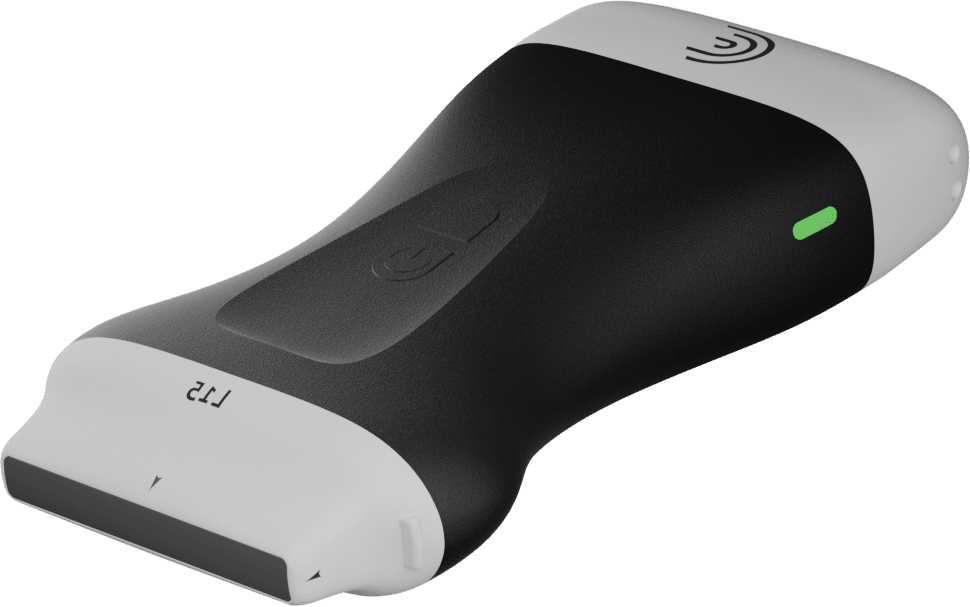
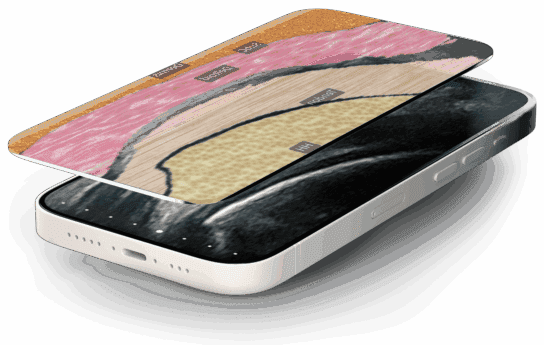
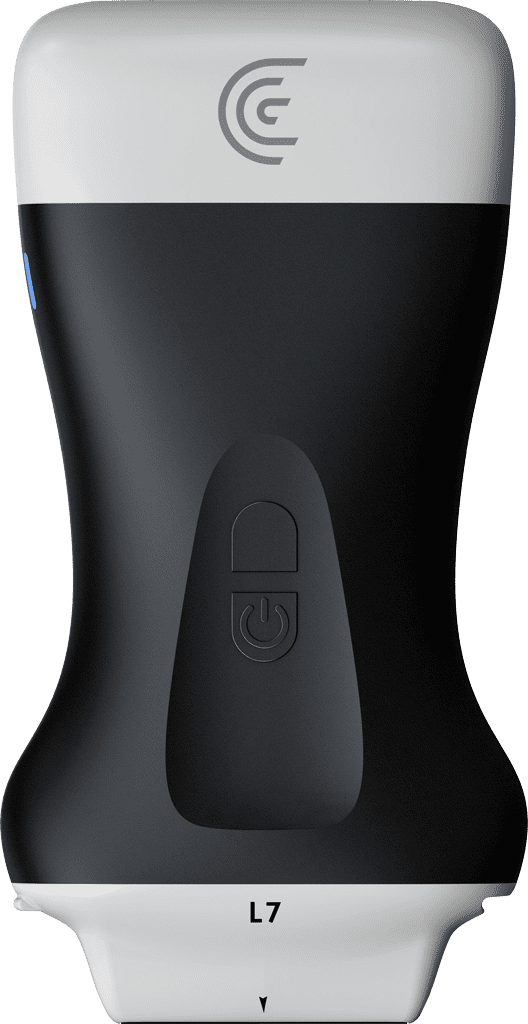
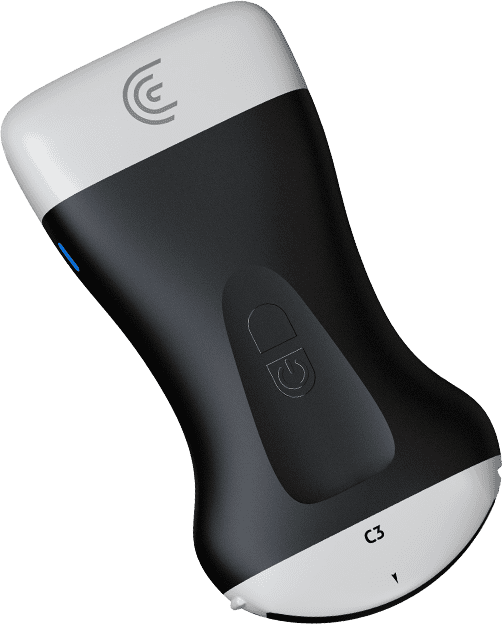
This is my patient Kim who I operated on some 11 years ago and we did a masttopexy with 250 cc submuscular mentor gel implants and she comes in last I saw her was in 2019 right before she moved to Virginia and she said I wanted just a before I leave I want a little checkups we did ultrasound everything was fine and she comes in now wanting larger implants and wants to know is everything still okay so we're going to examine her today and do an ultrasound and see what's what I've already set this on plastic surgery, which is my preferred preset for uh breast exams. I've already put her name in, and I put the fact that this is a a mentor uh exam for a broken implant. So, we use a a warm gel that's in a a warmer. And I'll put a little bit just on the transducer. I usually start at 12:00 as my convention. And I'll go ahead and do the annotations. And I've got these set up. So, all the things that I would want and this is a gel implant. So, it's going to say gel implant 12:00. And now I'm just going to look around at around 12:00 and see what we see. And we already see that there's some overlap right here of the shell elastimer. And there it looks like there's some free gel. This implant looks like it's broken. And with Mentor, we know it's about 24.2% at there's a a hole right there. So, I'll stop. And right here, I'll move the time bar until I get the exact image that I want, but there's a crack in the implant right there. So, I can annotate that. And then I'll just save that image by hitting the camera button. It's really that simple. So, we'll continue to look around. We'll get rid of the 12:00 and we'll go to 3:00. I'm going to start it back up with the button on the scanner. And here it just looks like there's a superimposition of shell on shell. And this implant looks broken here as well. and we compare it to the other side, we'll be able to see that. So, here's the elasttoic shell. I have it so that it's in the middle. I'm at 3 cm or so deep because she's got a fair amount of breast tissue. But that that all looks okay. I see the railroad tracks of the bilamar structure of the shell. And then I can see there's a little fluid between the elastimemer and the capsule, but that's normal. We see that all the time. I'll take another image there. I'm going to go to six o'clock and start there. Just wipe the gel around. So, my button on the scanner is what stops and starts. And here it looks okay. That looks more normal. Sometimes we'll see this reverberation artifact where it looks like there's multiple shells, but that's not I know that that's doesn't mean that it's broken. So, we'll take one image there. We freeze it with one button and then the top button saves the image. Starting it again. So, it looks pretty good at 9:00. And I'm just going from the aurela out to the base of the breast and coming back and forth. So, the place that it's suspicious is right up here at 12:00. I'll get one more image at 9:00. We'll stop it there and we'll freeze that. And we save that. Now, we're going to start it. I'm going to go back to the 12:00 one because that's where the pathology was. And there it is again. It just looks like there's elastimemer sitting below elastor and a little bit of gel sitting in between. So it looks broken right there. Looks like there's a super imposition of shell on shell. So you see the railroad tracks, you see more railroad tracks and you see this kind of snowstorm type pattern which is the gel. So, this looks broken to me. And we'll save that again. Okay, we'll go to the opposite side now. We'll start again at 12:00. Push the button on the bottom. Starts it again. Now, here this looks drastically different. See, there's just that those two lines of the elastimemer shell, and it doesn't have any suggestion of any places where it's discontinuous or discontinuous. So, this looks more intact on this side. Oh, this one is upside down. Look at that. Okay. When you see this, the superimposition of a single line below the double lines of the railroad track, this is an upside down implant. So, this implant's upside down. And we see that all the time. You can really see that it looks like when I first was not knowing what I was looking at, it looked like this was broken. But now that I see that it's exactly the same on both sides and it's usually about 4 cm wide and the the bottom line is more of a single line and the top is more what you see with the elastimemer. That's a upside down implant. And that's pretty classic. So, we'll save that image and then we'll start again and we'll see if we can find that again. So, upside down is not truly pathologic and it doesn't really matter when they're not super highrofile, but there it is again. Clearly upside down, but not broken. So, we'll look all around with this one. And if I was doing this, the whole thing. So, here's at 3:00. It looks fine. Take an image. The elastimemer is all fine there. The shell is continuous. If I see something that I'm worried about is a fold or is it a discontinuity, what you do is you'll push from the opposite side and you'll unfurl it and you'll see that the shell is continuous. So, if she has an area that is depressed because it's collapsed a little bit, a compression from the opposite side will allow you to unfurl that and you won't miss a fold and call it a broken implant or collapse implant. But this can fool a lot of people because it does look like a superimpos imposition of shell on shell. And this one's merely upside down. And there it is again. It's just upside down, but it's intact. This one's okay and not broken. And the other one is broken. Now, here's a fold right here. And I'm It looks looks like it's broken right there. If I freeze that, take that picture. I'll stop it. It looks like there's a discontinuity right there. So, what I'm going to do is get it running again and I'm going to push extrinsically push. And you can see it fill in. Can you see that? You see it fill in. So, when it fills in like that, that is not a broken implant. That's just a collapse. And it's usually at the bottom when the patient's laying down or at the top when they're sitting up. And that we see that all the time. That's common. So, what I found is that the right implant appears to be broken at the top at 12:00 cuz we see a discontinuity of the elasttomeric shell and we see what we think is free gel uh which has kind of a snowstorm appearance on the outside of that. The left one seems to be intact but it the left one is upside down which we see not infrequently. The more high-profile the implants are and the stiffer uh the gel is, the more cohesive the gel is, the more likely they are to go into the upside down position and and not uh flip back. You can usually see that. This lady has grade one capsules on both sides and she looks symmetric. So, in the flatter implants, this one happens to be a high profile, but as you get to high profile and extra high profile, when they flip, you can really see it. It's obvious because the breast doesn't have the projection that it had when the implant's in the proper position.