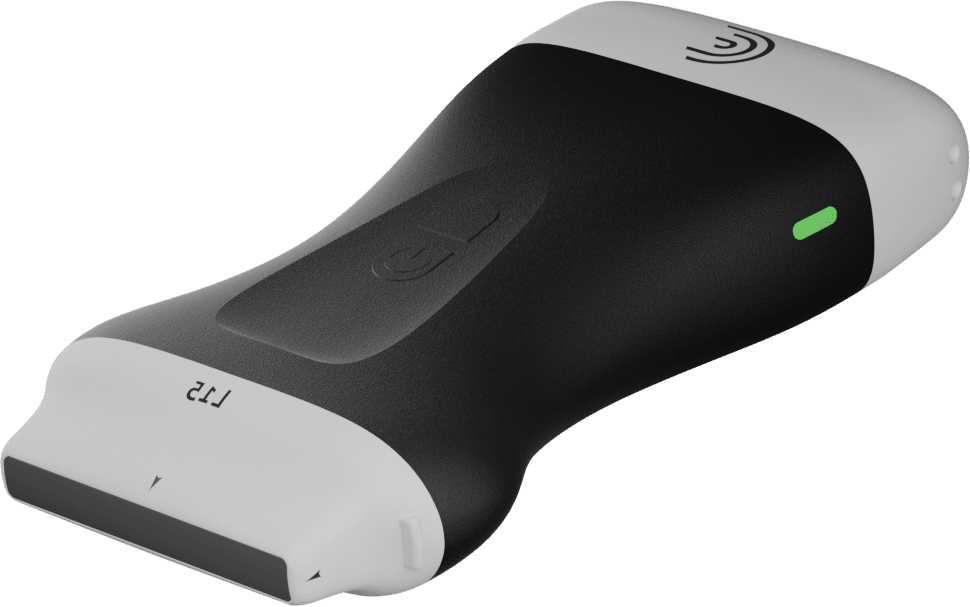
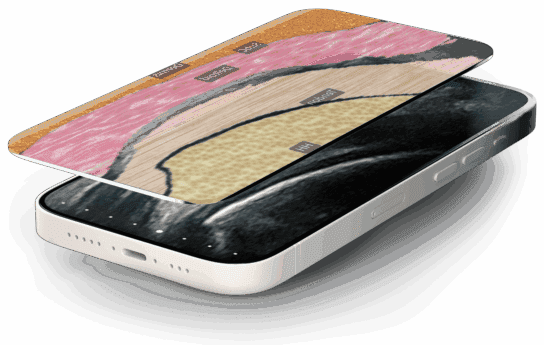
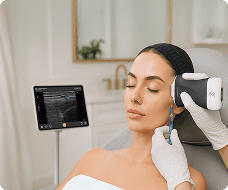
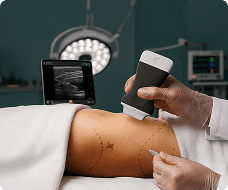
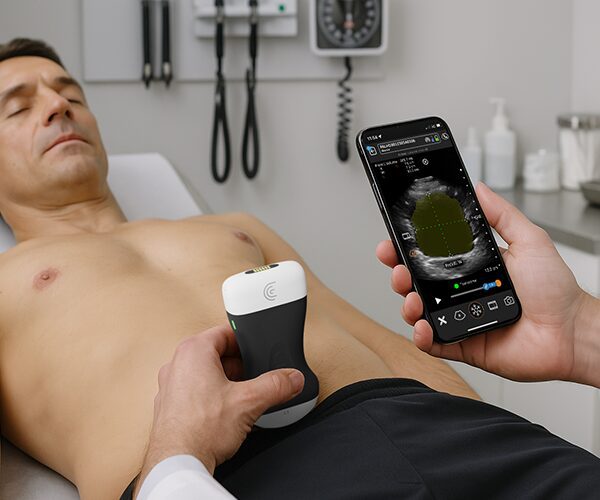
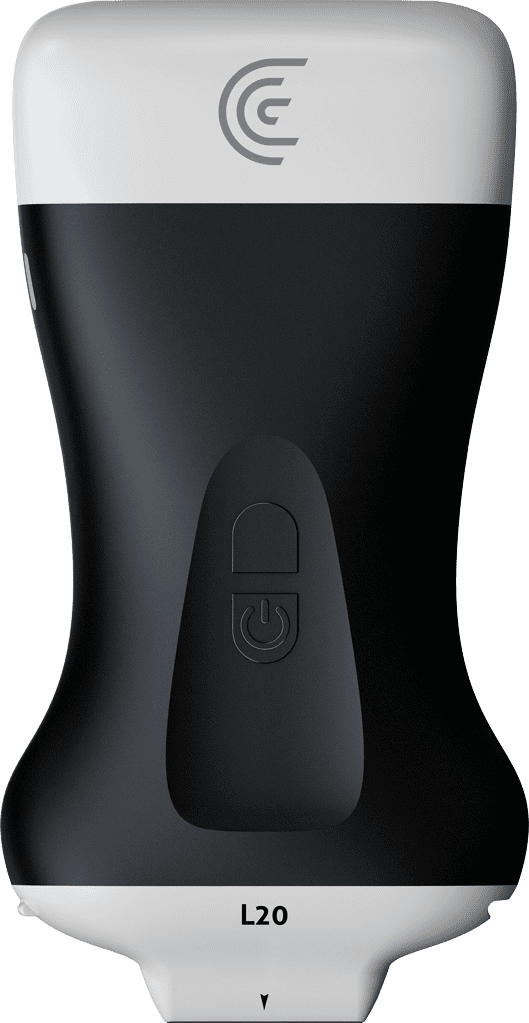
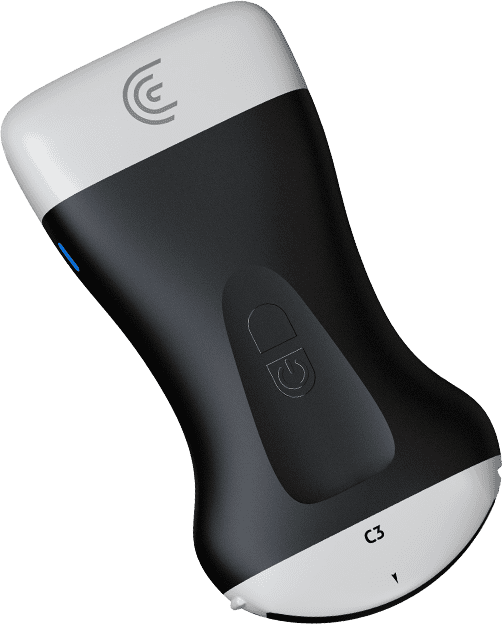
hi everyone today we're going to talk about one of my favorite things to talk about and that's safe mapping safe mapping is a technique I trademarked really to kind of bring about the idea that we don't need to vascular map in Aesthetics necessarily to get a lot of use out of ultrasound so safe mapping is a really great beginner way to start ultrasounding in your aesthetic practice obviously first you need to take a course or two or three courses and get comfortable with what you're seeing on the screen but then you can get to really incorporating it into your practice so safe mapping we start with the question can I put filler here is it safe to put filler here whereas vascular mapping is I want to find out where the sub mental artery goes I want to find out where the mental artery goes we don't need to know all of that right here to get use of ultrasound so that's where safe mapping comes in I made a little Mark in her chin where I want to put filler where I think clinically it will look good to put filler so I made this little Mark and the reason why the little Mark is important is because then using my correct orientation meaning my nubbin on the ultrasound device to the left and that's we're going to be in a transverse plane and then I am going to put my ultrasound on her face right in that spot that I marked where I clinically want to put filler so the next thing that we're going to do is go to our iPad and we're going to put our midline marker on and I'm taking my probe and I'm putting it right on that spot where I want to see if I can go down to Bone safely and with our wrist adjustments we are going to check make sure we're on Power Doppler Some people prefer color Doppler I prefer power doppler and we want to put our midline marker right where we just marked where we want it clinically put filler so now I've got a good power box going here and we're going to make our four adjustments pressure alignment rotation tilt so the question of pressure is am I smooshing little vessels so now I'm putting a lot of pressure and I'm releasing and I'm going to see if anything lights up right on that bone we see that bone view that hyperechoic line and I don't see any vessel there that is after a pressure check now alignment am I exactly aligned right where I wanted to put the filler so that's a good time to just kind of double check and then your rotation you know am I slightly rotated am I at a good angle where I'll still be entering with my syringe and then my tilt the Tilt is a good measure because a slightly tilting up view is different than head on and also which is different than down so you want to think about how your needle is going to be entering is it going to be traveling this same Arc in this same trajectory so I know I want my projection of her chin to go out this way so that's what I'm checking that's my most sensitive angle of incidence or intonating angle is really going to be right there So based on what I'm seeing on the iPad I see her bone and I see the top of what I call Chin Hill this sort of Arc standing at the top of chin Hill I don't see any vessels lighting up after my four checks so to me I am comfortable with putting that bolus with a needle right there so that's what I'm going to do I just do another quick alcohol wipe the area and I see the same exact mark that I made and that I checked and the same angle that I'm going to go in on is the same angle that I just had my clarius so you can always do a little aspiration if you want it's not necessary when you just seeing exactly what's underneath there so I'm just going to lay my little bolus here and give her that nice little projection beautiful so that is an example of an ultrasound use that's very easy safe mapping in the chin and you just made it a lot safer hope you enjoyed foreign