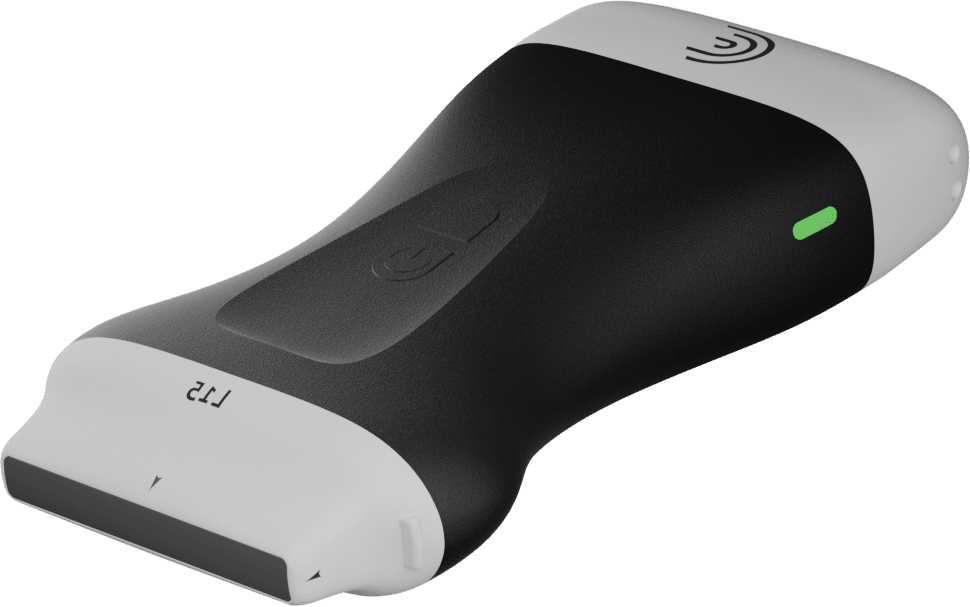
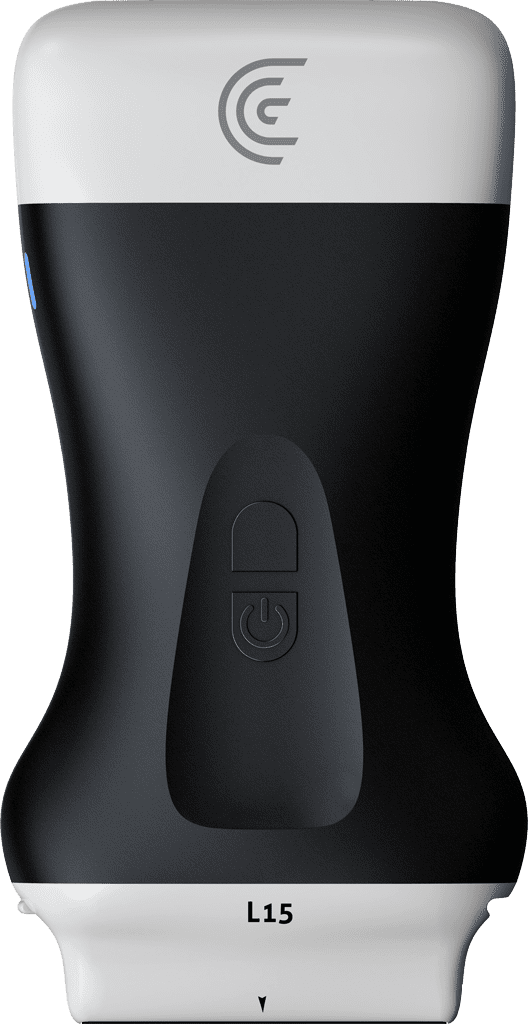
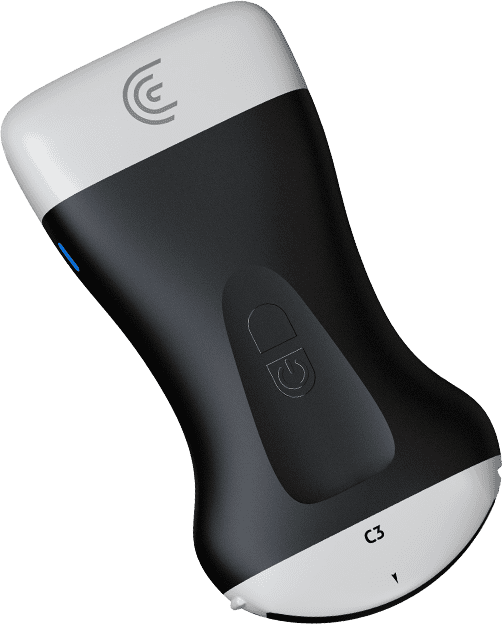
hi everyone I'm Dr Muhammad bardy I'm a practicing rumatologist in Vancouver British Columbia today we're going to be taking a look at the wrist today we'll be using the l-15 clarus probe it's important when uh scanning in Rheumatology that uh you don't apply significant pressure um when scanning you want to actually maintain a gel layer when possible to show that you're not compressing the structures and this is mainly because if you when we use Doppler to look for sinovitis if you apply too much pressure you can include the blood vessels and you won't see signal so we'll start with dorsal Long View of the wrist you can see here I actually have my patient's hand under a towel this just bring a bit of slight flexion to open up the joint space we can see here the initial view you want to get if you think about the middle of the wrist pointing towards the third metacarpal joint um this is the kind of view you want to be able to get I'm going to drop my focal point down a little bit here and you can see starting from the left of the screen across there's the radius the next bone is the lunate and then it's the capitate so these are the main structures to kind of see to orient yourself between the radius and the lunate you'll see this kind of hypoc coic band here that's actually the sinovial recess so if you were looking for sinovitis that's the region of interest and similarly between the lunate and the capitate there's another coval recess over here and that's where again if there's sinovitis you'd see swelling thickening of uh and You' see those hypoc coic changes if there's an infusion you'd see anaco changes if you were looking for erosions on the bone surfaces you'd want to see that you want to get nice clear crisp bony views to look for that you can see the cortex of the bone is very smooth and round superficial to that you'll see the extensor tend at the top this is the fourth extensor compartment if your patient Wiggles their fingers if you move these fingers from me here we can kind of see the movement through those tendons one common Pitfall that we see is in the middle of the screen just above the tendon there's this kind of Darker hypoc coic tissue uh sometimes people think that's ositos or fluid um but that's actually the retinaculum it's a band of tissue that's traveling in and out of the screen perpendicular to the extensor tendons and that's a band of tissue that keeps the tendons in place so it's really important when you're scanning in B mode that you're not just trying to get this one image and you're like okay I see this you want to sweep across the wrist so I'm moving radially now okay and I want to movey here and we're seeing different structures so I'll point this out to you so we're on the radial bone right now we can see the lunate and the CATE so as I start to move radially I'm staying on the proximal bone is the radius but you'll see our middle bone here this is the lunate as I go radially it the lunate disappears and the next bone to come into view as you come over here that's the scaphoid bone right here I'm still so this is between the scao and the radius okay and then you can keep moving moving moving and you can you can continue to see the extensor tendons at the top so it's important to look think of the joint as the as a 3D structure so as you move radially if I start to to move allly so I'm movingly and then you'll see at some point the radius is actually going to disappear so I'm movingly the radius is now gone okay if I keep going I'm now seeing the alna come into view here so there's the onner head okay so if I turn my probe 90° here okay there's different views that we want to get here okay and so in the dorsal transverse views there's a proximal view so I'm I'm more proximal up his arm and and we can see this is the olner head right here and this is the radius through here and we can actually see the distal radio olner joint that space over here as well you can tilt your probe to look for anosy tropy you can see where the tendons are there's six extensor compartments of the wrist and so where the ones for the main fingers are if you wiggle your second third and fourth fingers if you wiggle those you can see that movement there that's actually in your um fourth extensor compartment okay and you can stop there and if we move move allly we can see this is the allner groove we can actually make out the extensor carpys that's extensor compartment 6 if I move over here if you actually will your pinky finger for me you can see that little bit of movement there that's your fifth extensor compartment there's a fourth extensor compartment that we talked about this bony protuberance that you see here this is actually lister's tubric which we use for landmarking when we're palpating a joint and your extensor pocis longest so if you actually wiggle lift up your thumb for me you can see right here there's just a little bit of movement there that is your EPL your extensor pocis longus if I continue moving radially along the wrist there is two tendons here this is extensor C High radialis brevis than longus and if we keep going if we actually rotate the wrist a little bit further radially all the way over here uh and I'll Center this on the screen again you can use your anosy tropy to tilt the probe show those tendons coming in and out of view you have your first extensor compartment uh here as well okay and I'll bring my focal point up so you can see that a bit better okay so these are your extensor compartments you have your extensor Poes brevis and your abductor Poes longest tendons here as well so and we're going to bring you back here Mike so if you start from this view this is essentially this view here this is your proximal dorsal transverse view if you get this view this is a great place to start as you start to move distally down you can see the radius and the alna disappear okay they're disappearing we're moving down distally we're now getting into the carple bones and your distal transverse view that you want to try to get is this articulation right here this is the lunate in the center and then if I come radial a bit that's your scaphoid so this scaal lunate joint is right here and I'm going to bring my focal point down a bit you can see this band of tissue between these two bones this is your scaal unate ligament um that you can look for and in this area you can be looking for sinovitis and it's important as I said you want to sweep a bit disly sweep proximately and you'd be looking for the sinovial recesses as well so one thing to highlight as you're looking through this space is so far I've shown it to you without having your Doppler box on but just to quickly recap that if I was looking in my Long View and I turn on my power doppler I want to have the region of interest in view I want my Doppler box from the top down so if there's any superficial vessels that cause signal we can see that so I want to be able to identify that and then when I rotate my probe 90° in my proximal views I want to also be looking at that so whether there's sinovitis in the joint spaces or whether there is OS sinovitis I want to be able to assess that one area that's of important interest in Rheumatology is to look at the Sixx sensor compartment in detail and to look at the extensor coer Alys and to look at the distal aler head um typically because there's pathology there you can find erosions or ositis so with your patient you just want to slightly radially deviate their hand if you look at how I hold the probe here you want to come over so you can visualize the extensor carpal NYS in longitudinal View and as I'm here you'll see that I'm not directly over it because you'll get a view of the allner head like this as I come down and I'm just going to make sure I have and some people's wrists if they're more bony you need a bit more gel and a bit of a standoff to really get a nice Clear View but as you come at it you can see that I'm at a bit of an angle here so you want to get the tendon in nice Long View you can see the allner head here so really important to get good visualization of that if there's any erosions this space between the triquetrum and the alna this is your triangular fibrocartilage so you can find sometimes Doppler signal in there calcification and you can see this and again you'll see this in longitudinal view if you do a transverse View if you see the alna and as you start to move down distally you'll see the ECU sitting in the allner groove if you go down a bit more distally you'll see the allar styloid important to assess these areas if there's erosions and you can also get a bit of a view through the Triangular fiber cartilage there lastly we're going to assess the volar views of the wrist you get your patient to relax their hand and again uh starting here you'll need to make a few adjustments to your settings it's good to increase your depth you'll need to bring your focal point down as well and sometimes it's necessary to increase your gain a bit just because you have a bit more tissue to pass through olderly there's a lot of structures for us to assess but essentially if you start with the Bony landmarks it'll help Orient you again we have the radius we have the lunate and then when we have the capitate those three bones that we had seen on the dorsal surface you want to see these you want to look between the joint spaces you want to look for erosions effusions above that you have the flexor tendons and then um you'll also see that the the median nerve is the most superficial but you can get your patient to wiggle their fingers so if you curl in and open and close you can see the flexor tendons moving here you can look for Tino sinovitis as well as sinovitis in these views and we can also assess the median nerve it's important you can follow the wrist as you pass through the carpal tunnel if if needed but most of our pathology will see in these views again if you end up sweeping radially you can see the flexor Carper radialis and I'll adjust my focal point to bring that into better view you can see that through the top here and you can see the radio scao joint underneath here as well and you could also sweep more olly to bring the flexor CI Alys into view here as well but the main view that you want to try to get is this one here so you have flexor tendons and then you have the median nerve more superficially and then what we want to do here as far as your transverse views as well in your transverse view here you can come down down down the Bony landmarks are really what's going to help guide you and Orient you to where you are you'll see here we have the scaphoid and the flexor Carper radialis on top and then you have the py form bone here and when you're here you'll see that you're this is essentially the carpal tunnel this is the floor of the tunnel these are the sides and you have to really tilt your probe and you may have to sweep down and tilt and I'll bring my focal point down a a little bit more and you can see here as I'm tilting you can see the anosy tropy through the tend these are the flexor tendons and you can actually make out the median nerve here as well I'm going to bring this up I'm going to increase my gain a little bit as well and we can actually make out the median nerve here if you're not sure where the median nerve is you can sometimes ask the patient to wiggle their thumb and you can typically see the flexor pocis here as they would wiggle their thumb you know your nerve is right next to that so you can see that there is a transverse ligament that runs across here that is kind of the holds the carpal tunnel intact as well and as I previously had mentioned you would be using your your uh Power Doppler if you are looking for tenosinovitis and you want to assess that as you do that you want to sweep through the tendons as you're looking for that if there's sinovitis here as well you'd want to see that and if you do find pathology again very important that you look at that in both planes so that you can identify if there's actual citis or ositis and with that that would conclude the husband of the wrist