Hello everyone, welcome back to fact
facial assessment with clario
technology. I'm Dr. Roy Zamin and this
is about safe mapping of facial vascular
anatomy. It's very important because
facial vascular anatomy is very complex
and because it's complex you never know
what is beneath the skin and which layer
uh the vessels running through.
It's important to uh mapping before the
treatment plan. It means that if you're
going to inject supraostel or going to
use canula, you need to know where
exactly you can place your product,
which tools you can use and what is
safer for your patients. That's why
ultrasound
can help just determine the most precise
and safer uh and natural outcomes. Now
for the scanning of uh this episode, I'm
going to show you a few uh danger zone,
you know, like just risky more risky
area because there is no safe zone in
the face. But I'm going just to pick
some area for example pform fossa to
find the depth of the angular artery
infraorbital area when we are going to
treat medial cheek
uh templar fossa and check the
supraerostial vascule if there is a
variation uh for gsha technique and also
uh superficial
uh vascule
and We're going through the supraorbital
and suprclear um arteries to show you on
the glabella area uh for whoever
uh doing treatment especially
dermopillar for the glabella which is
very risky.
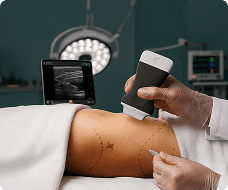
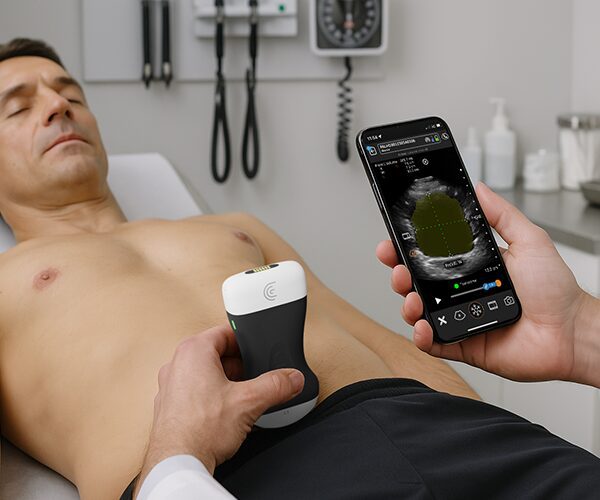
Let's start our scanning. I'm using
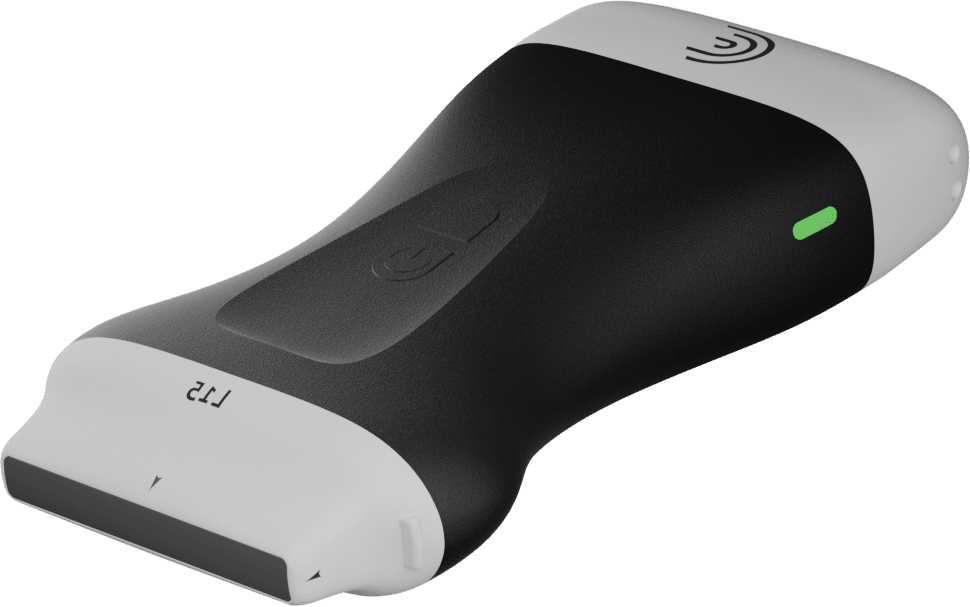
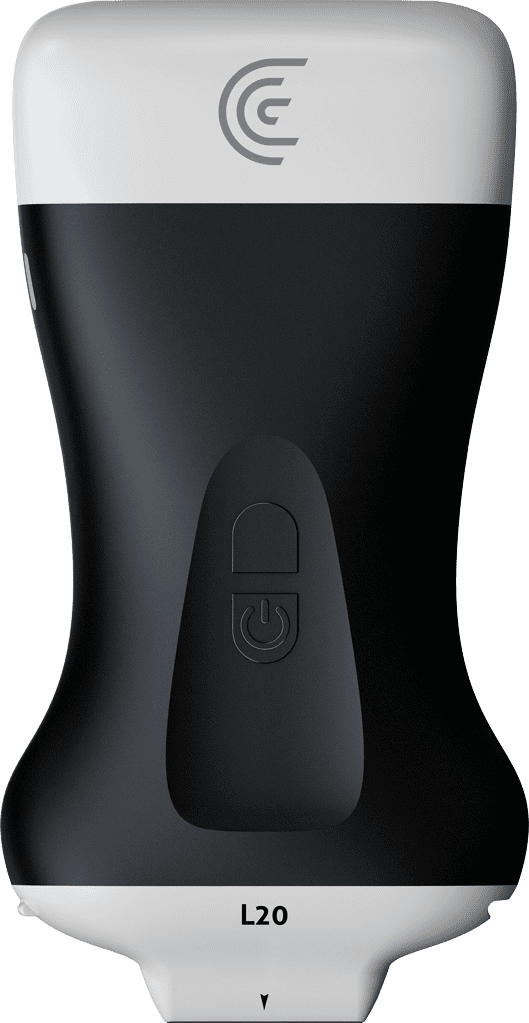
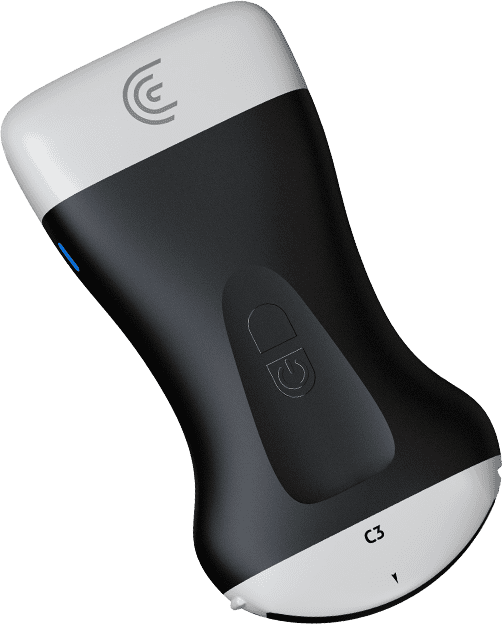
clarius L20 linear probe and start from
the preform fossa. For the preform pawa,
I use the uh preset of preform area. And
then mostly you need more gel, a thicker
layer of the gel to just fill up this
concavity here. With zero pressure, you
can scan the vessels and all the
measurements going to be correct.
I'm scanning transverse. Make sure that
I'm seeing the bone and then try to find
the angular artery
which is here
cuz I'm seeing a little bit branch
on top of the bone
and
it's following a little bit superficial
and give
you know like just branching off
the lateral nasal artery which is here
on top of the cartridge which is
hypocoic. Let's back to the preform
fossa
and find the artery which I'm it's
it's very interesting that I see a
vessels on the bone.
Let's try the vertical view.
This is the v mode
and I see the preform fossa which you
can see a darker hypocoic area on top of
the bone which is hypercoic.
Now check
the vessels.
The angular artery here
in vertical view is
superficial.
But when I'm doing a little bit safe
mapping, I see the branch on top of the
bone.
It means that that
maybe is a trajectory of uh angular
artery. running a little bit deeper and
then going to be superficial or maybe
it's dlex angular artery. For
measurement
from the skin to the upper part is
almost 5 mm and from the lower part of
the vessels this small branch
is almost 1.5 mm. It means that I'm not
going to uh use needle.
I'm going to use the canula 2020 go with
supra cautions technique and then with
the guide of ultrasound.
Let's go to the other area which is
infraorbital.
Now
as you can see in the left side of the
image
you see the tear trough which is the
white hypercoic
area which is the ligament
and then bone
just in the bottom part of the image.
And here
you can even see
the lls muscle starting from left side
on the bone and then going to be
superficial. Now with the little
rotation of
my scanner, I'm seeing discontinuity in
the bone which is the framan and a
little bit reverberation artifact which
is just the white line repeatedly. It's
a artifact but it helps us to find the
framan as well. Now I'm going to the
color
and find the infraorbital frame and I
can bring this in the midline
and turn on the midline marker and mark
from the surface of the skin to avoid
this area or doing the treatment for
support the infraorbital area and
treating volumizing the middle medial
cheek with canula but definitely
with the guide of ultrasound.
Now let's go to another area which is
the temple and check if we have the
branch supraostial
close to the
swift point or for the gunshot
technique.
I'm going to the temple. Use the preset
of the temple. Start from the top area
and make sure I'm seeing the all layers.
Bone and the bottom hypercoic line.
Epidermis on top hypercoic line. Then I
see the temporalis muscle. I can ask my
patient to maybe clinch
and the movement of the muscle you see
that become bulky and then on top is the
white hypercoic line black on top and
then white again which is the two lamina
of deep temporal fascia and then on top
we have a superficial fascia
subcutaneous and skin. Let's go to the
area that we are going to inject. Turn
on the midline marker.
Turn on the color or power Doppler.
And then try
to check the area
if there is
a vessel.
Yeah. I make sure that I'm on top.
Usually we make a mark on top of the
skin. Here is the anterior deep temporal
artery
which make it very dangerous to go blind
with naked eye and then inject
supraostially because as we all know
this is branching of one
artery zygomatic temporal and going
entering the orbit and anosttomosis with
lacrimar artery one of the terminal
branch of abdomic artery and the chance
of blindness.
Okay. And for the injection sometimes we
might you know like use our ultrasound
to just check the superficial temporal
artery which is close to the hairline
here.
We'll see if I can get the flow. Yeah.
I bring it in the midline and you see
this is superficial temporal artery.
Let's go to another area. The last part
I'm showing today which is supraorbital
and supra trolear.
I'm still using the preset for the
forehead
and use more ultrasound gel.
Okay.
Again I start with B mode
here on top you see epidermis and bone
between these two hyper echco line I'm
seeing orvicularis oculi muscle but if
you check
this is the bone with a small tilting
the bone become a little it
like discontinuing
the two side which is the
framan or notch. Let's go medially
find the head of
corrugator muscle
and on top we see
super
which here is deep on the bone
and
sometimes it become superficial or
sometimes two layer. Yeah, is on the
bone. Now I'm gliding
just laterally again B mode to find the
supraorbital framan which you can see in
the midline and then again color
Doppler
to find the paw
here as we see.
Yeah. Sometimes you cannot see the flow
running through the framen but you see
the perforator
here and you can mark it from the
surface. This is how you do the safe
mapping for facial vascular anatomy.
This episode is just ends, but the
ultrasound for for the face never ends.
And I I hope that you learn this
technology as fast as you can. Thank you
for joining us at Fact Facial Assessment
with Calarious Technology and stay tuned
for our next episode.