




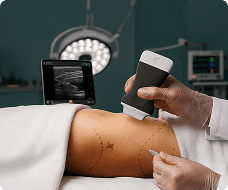
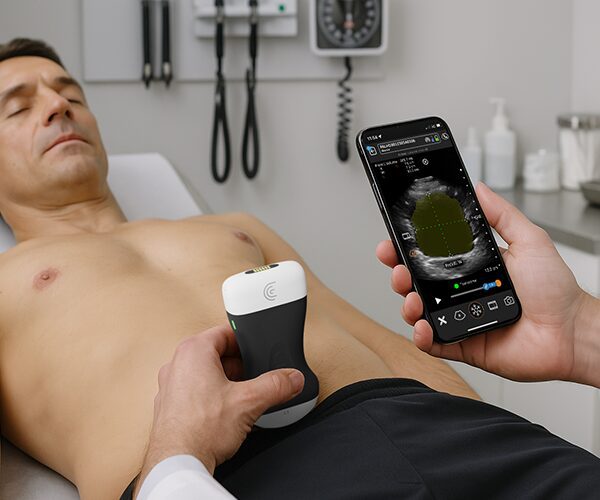
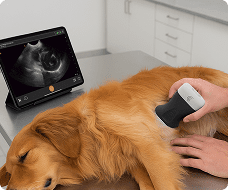


Medical Education Platform uses Clarius Intelligence to help students build skills faster, boost confidence, and transition seamlessly into clinical practice.
Teaching Ultrasound the Way Students Learn Best
Creating Light Bulb Moments in Ultrasound Education

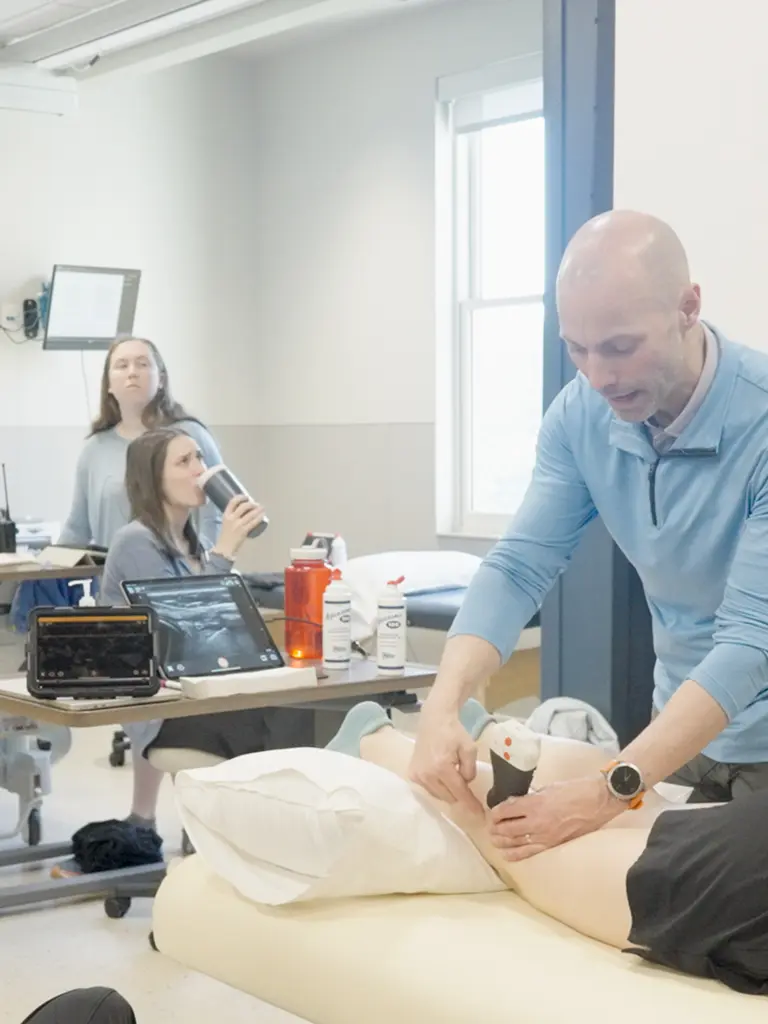
Discover how educators at Belmont University are using Clarius T-Mode™, Diagnostic AI, and Workflow AI to accelerate student understanding.
Teaching Image Interpretation in Real Time
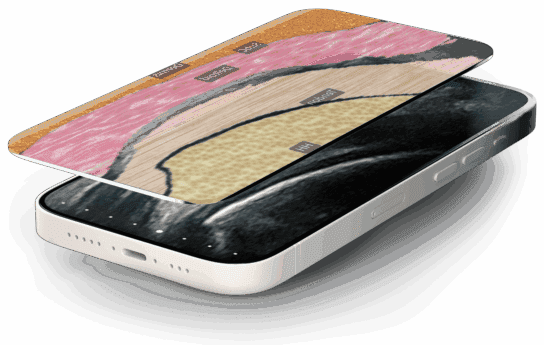
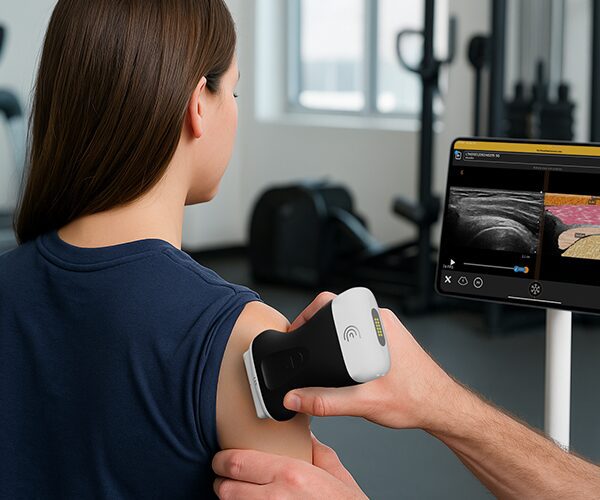
Accelerate anatomical understanding with side-by-side grayscale and color visualization, powered by AI and built for teaching.
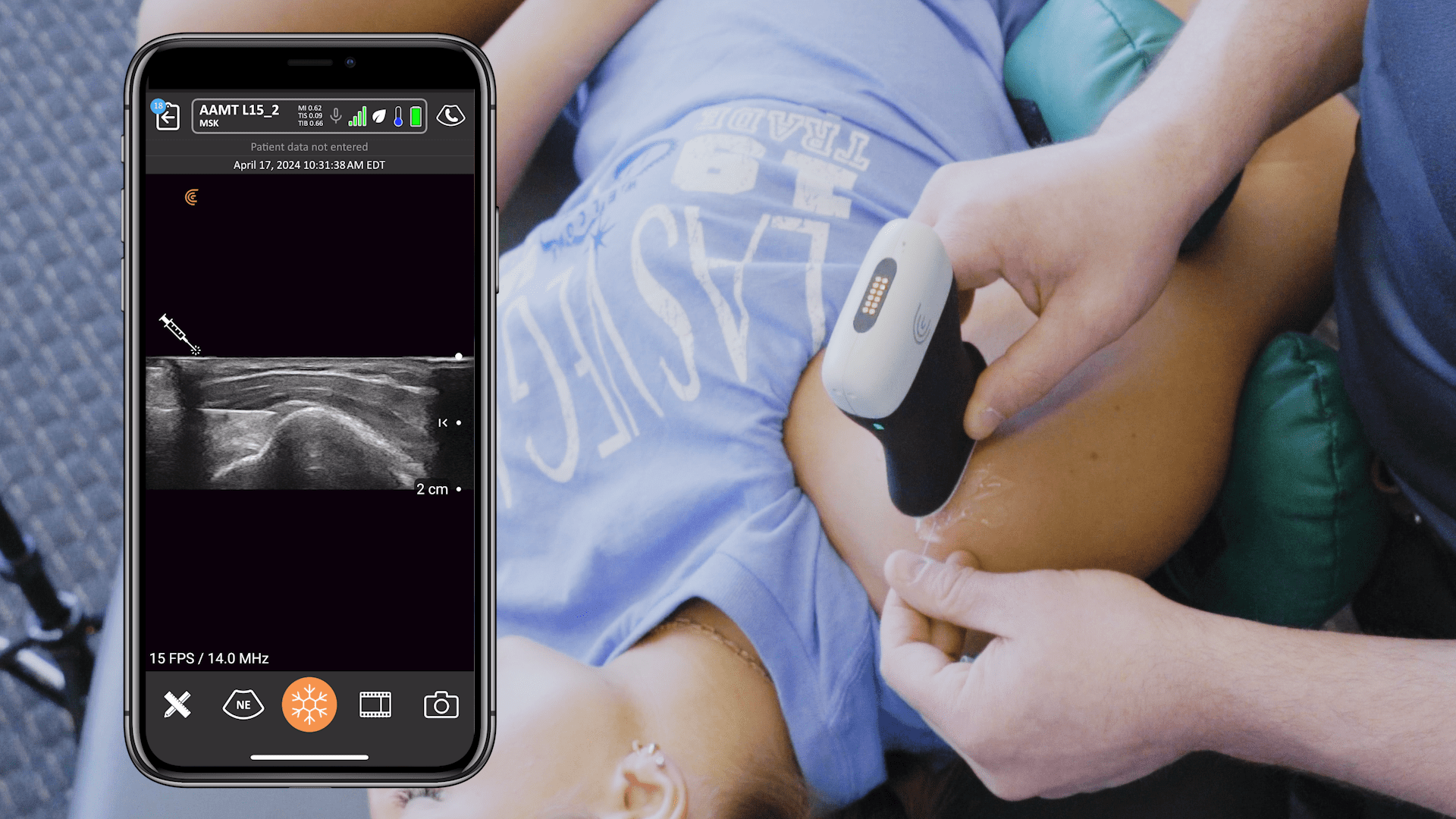
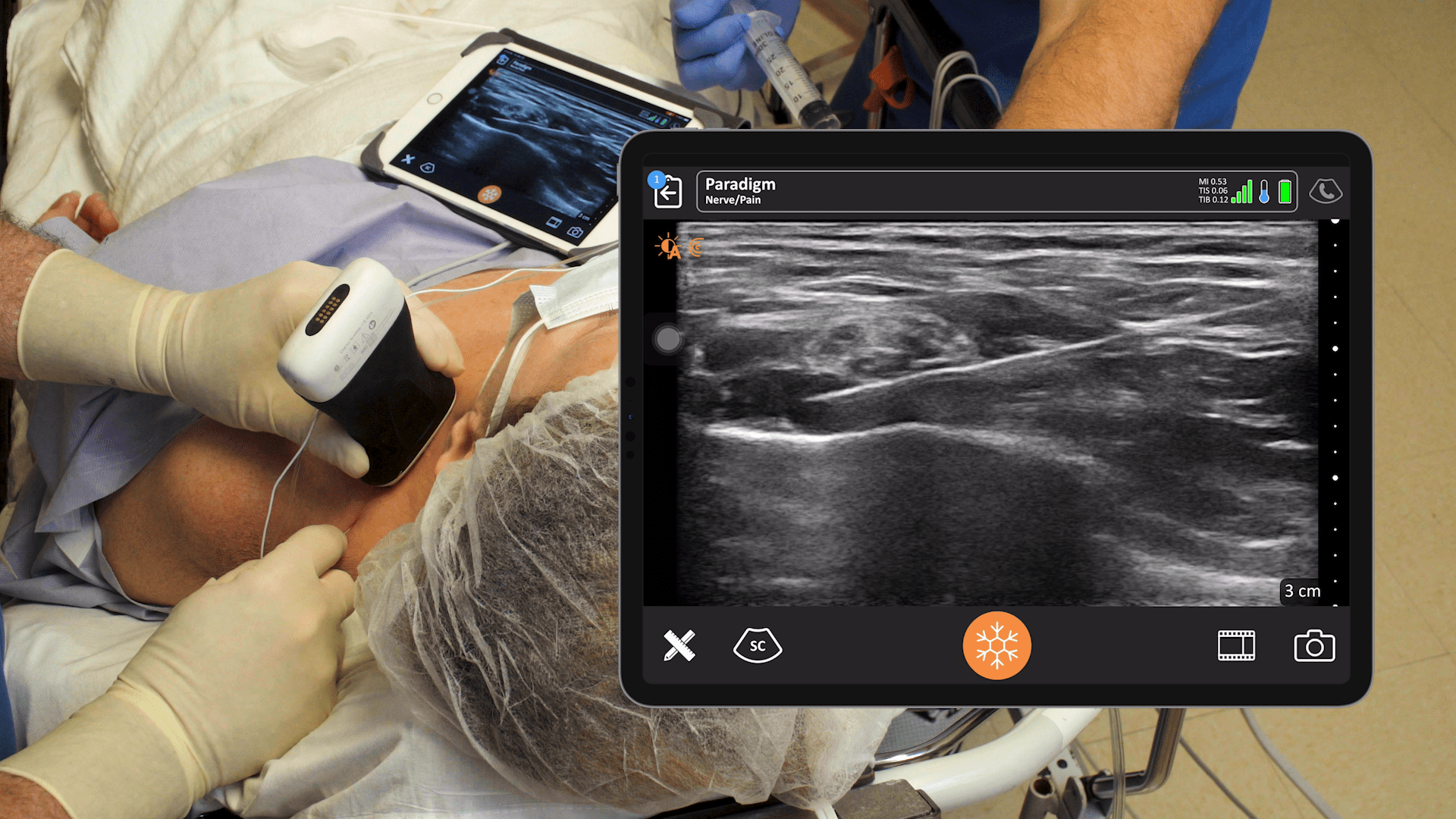
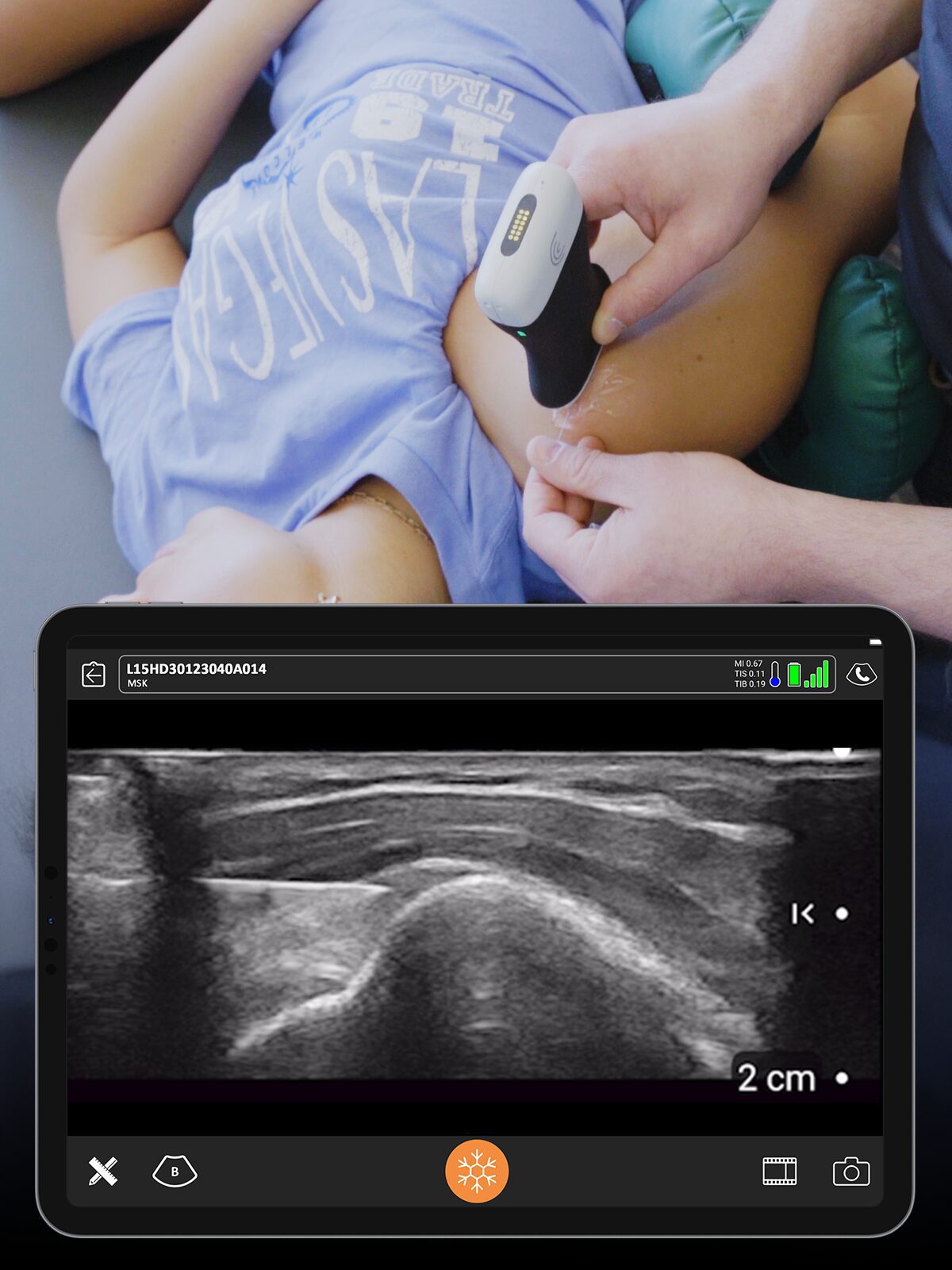
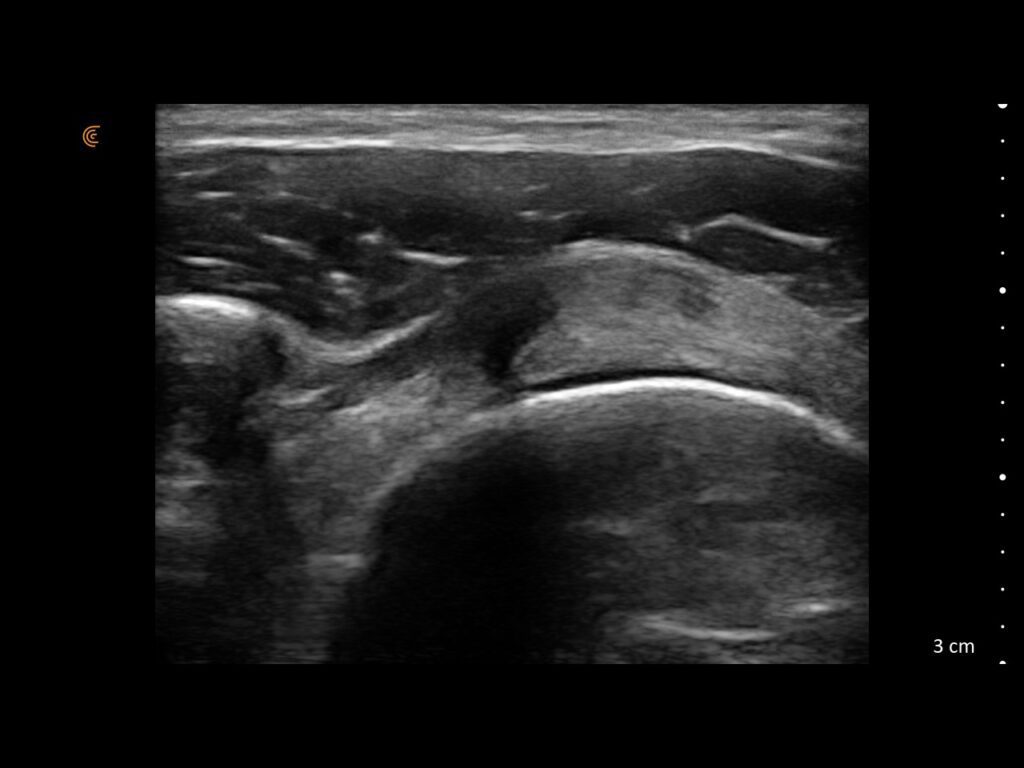
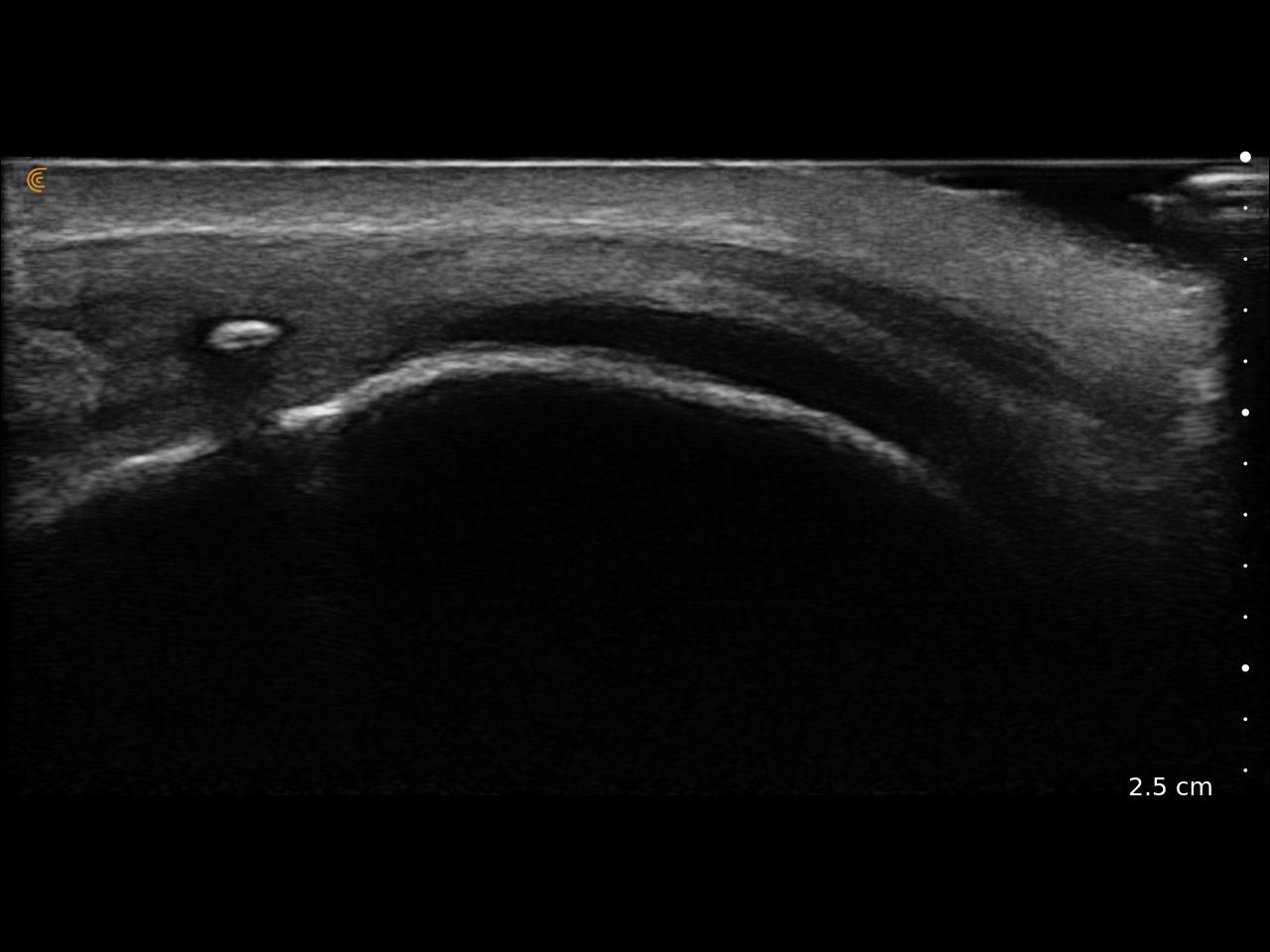
T-Mode™ Shoulder
Visualize the layers of shoulder anatomy to improve procedural planning and accuracy.
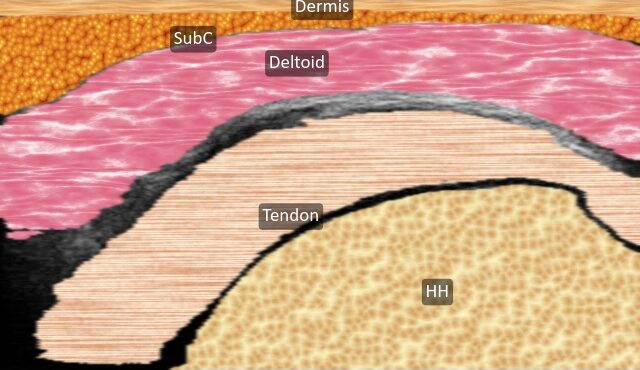
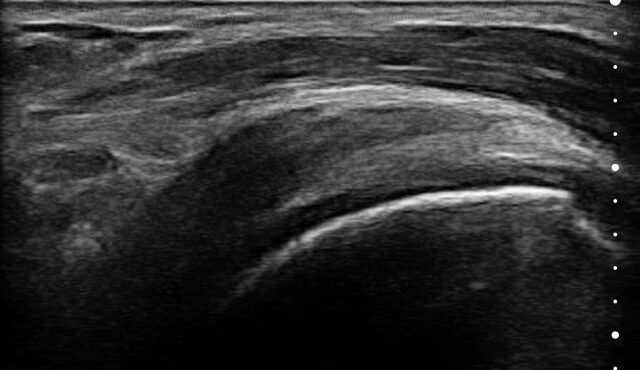
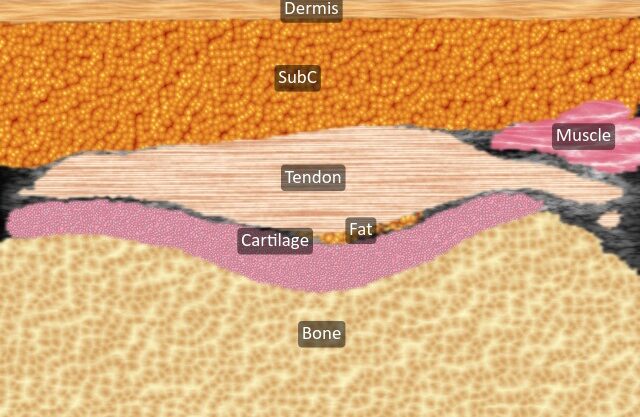
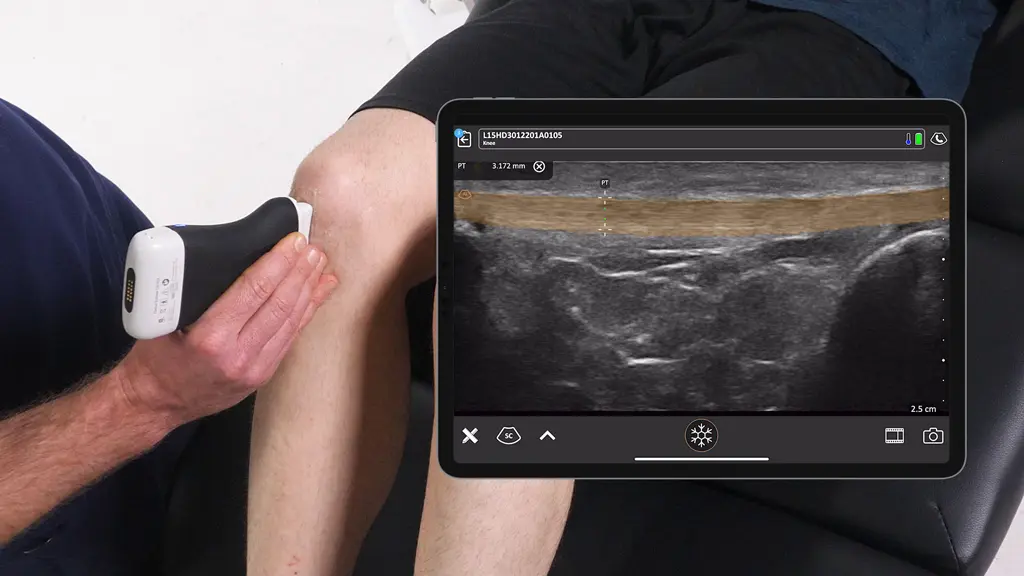
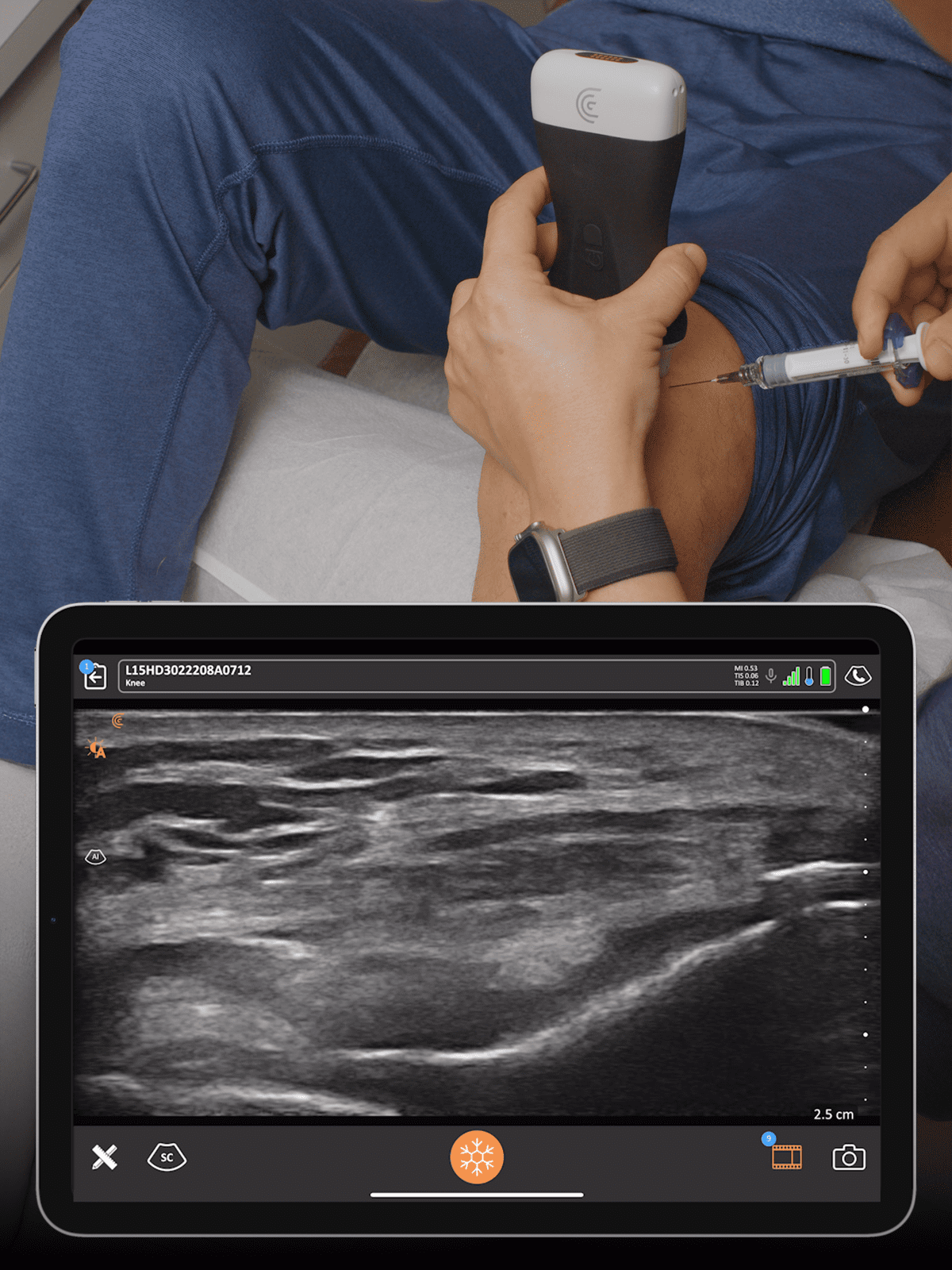
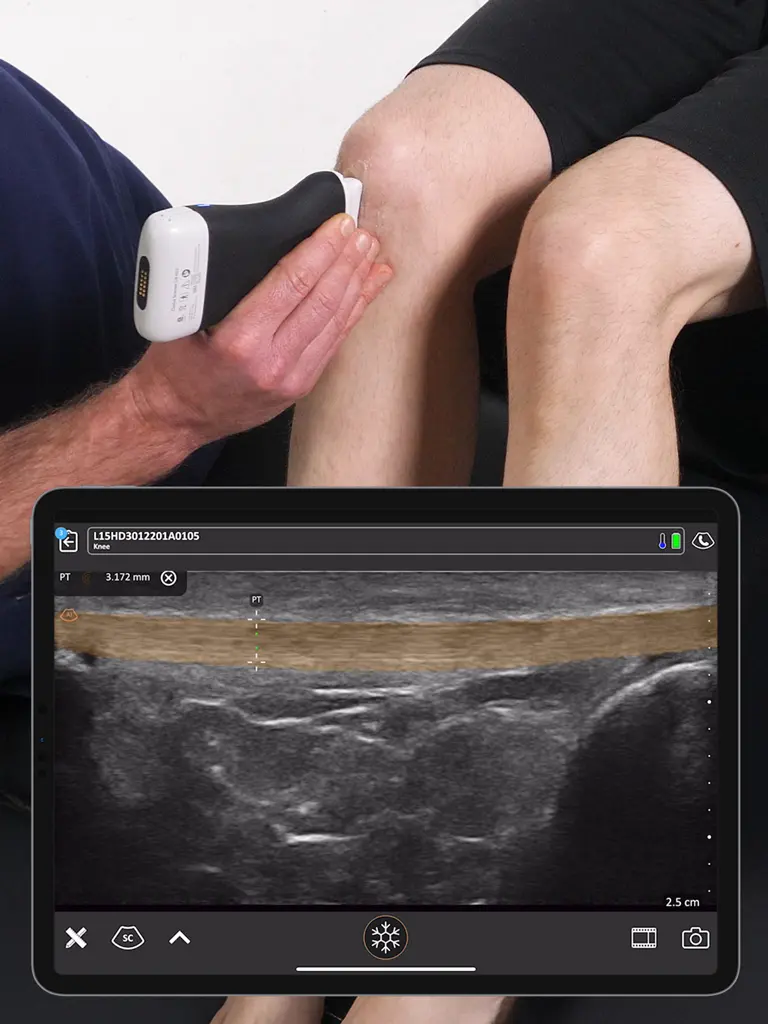
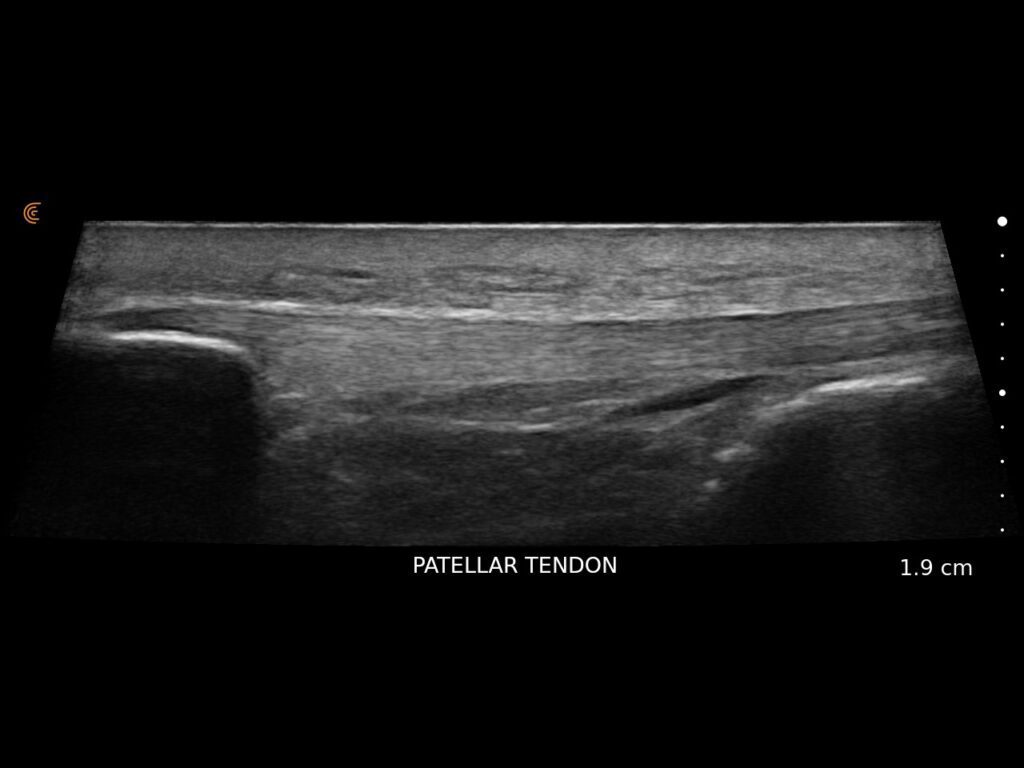
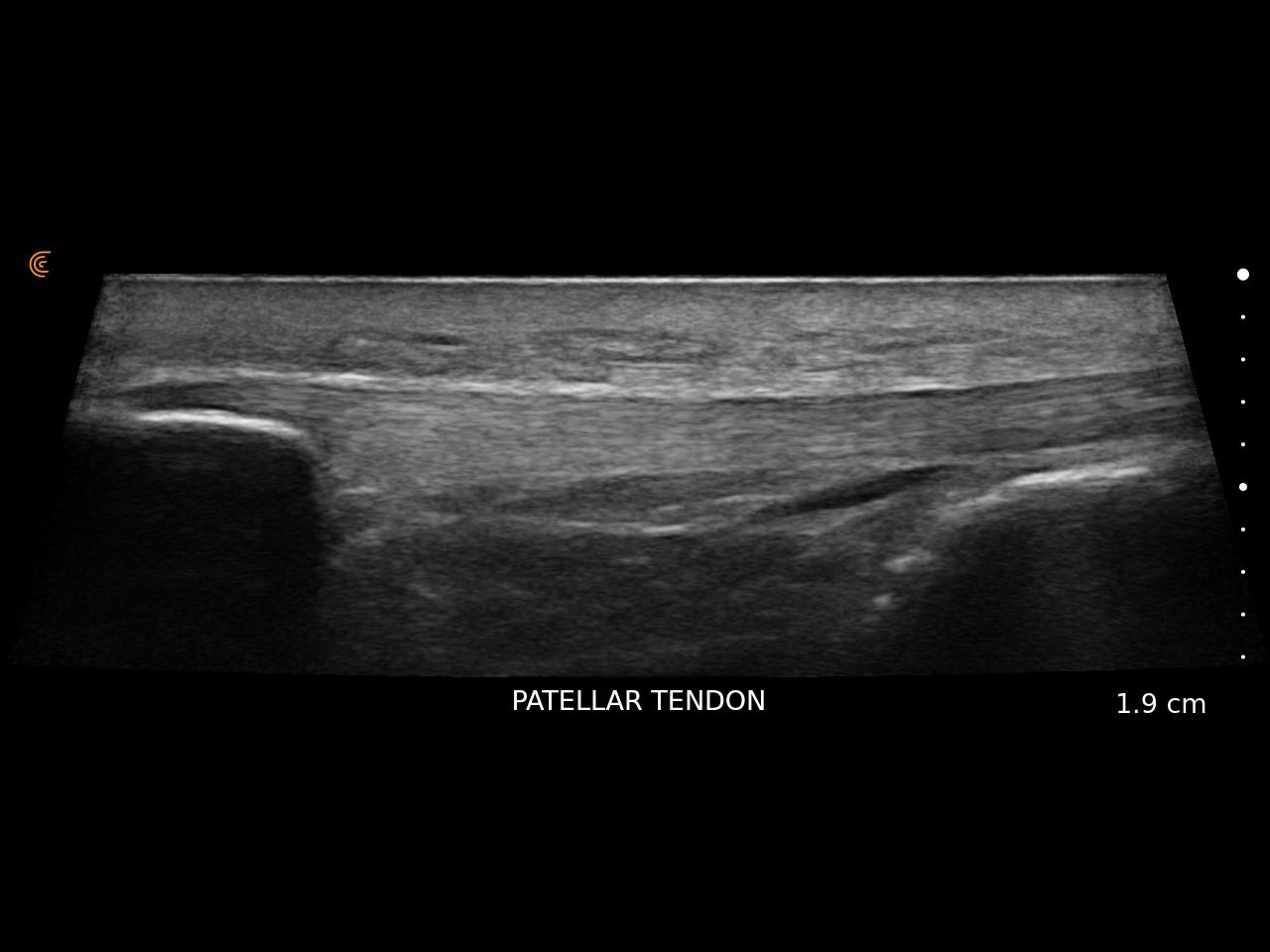
T-Mode™ Anterior Knee
See layer knee anatomy including tendon, fat, cartilage, and bone to support teaching and clinical education.
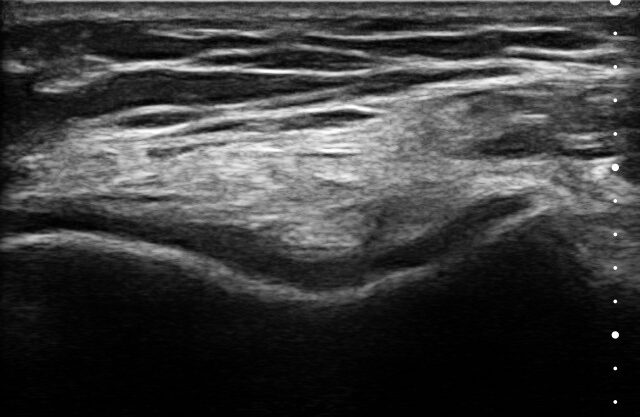
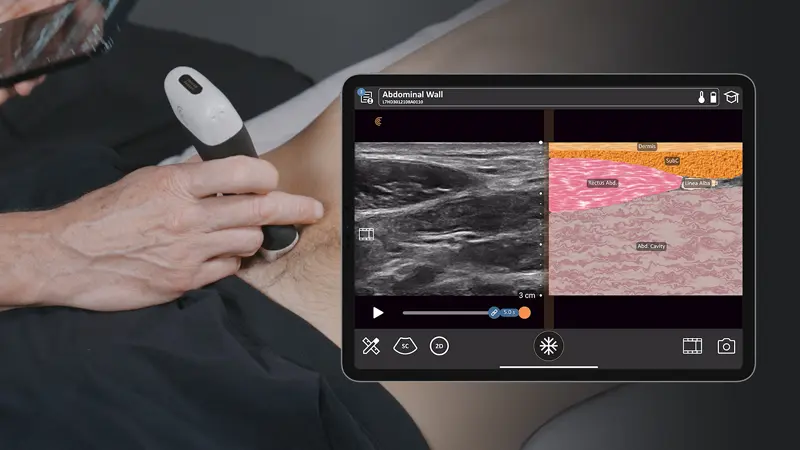
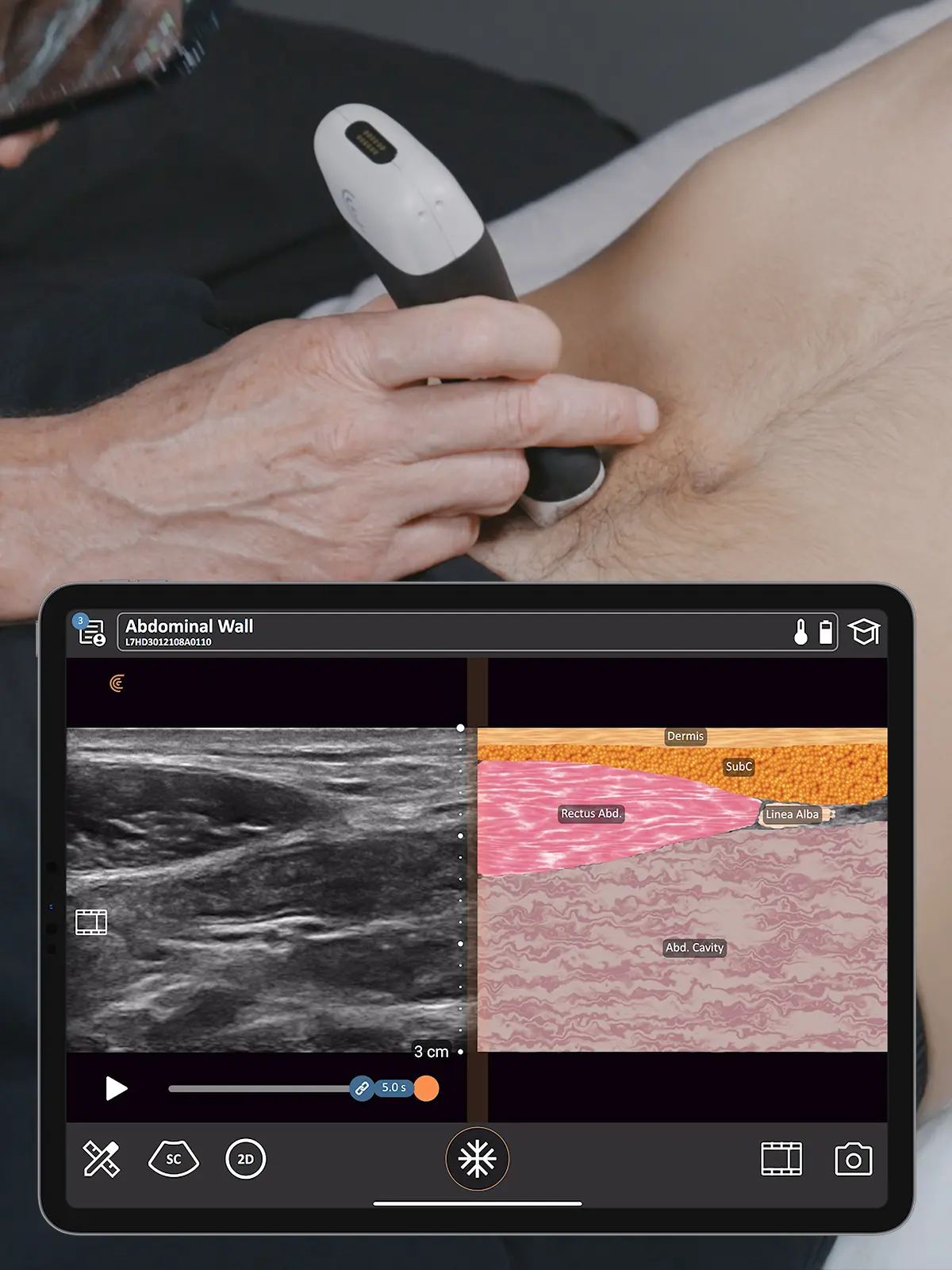
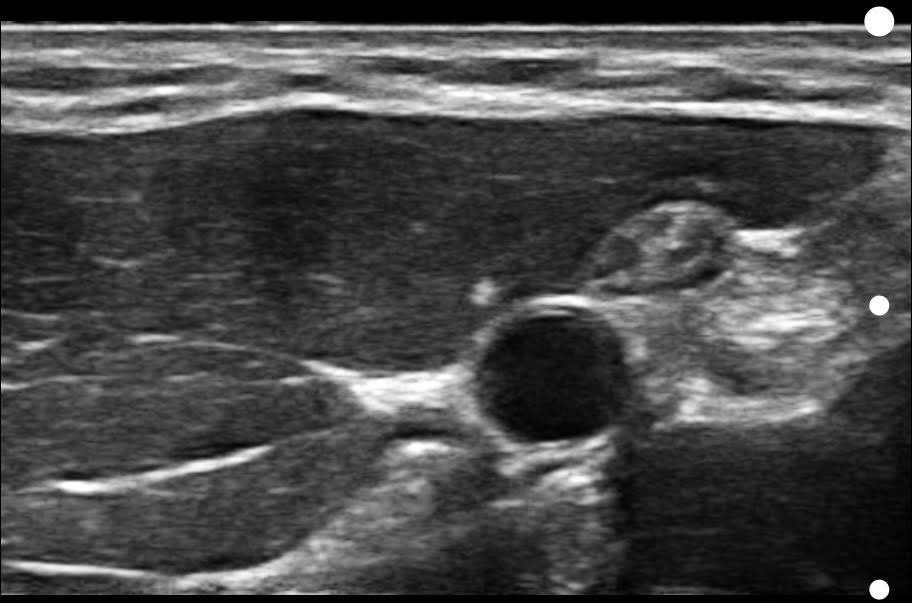
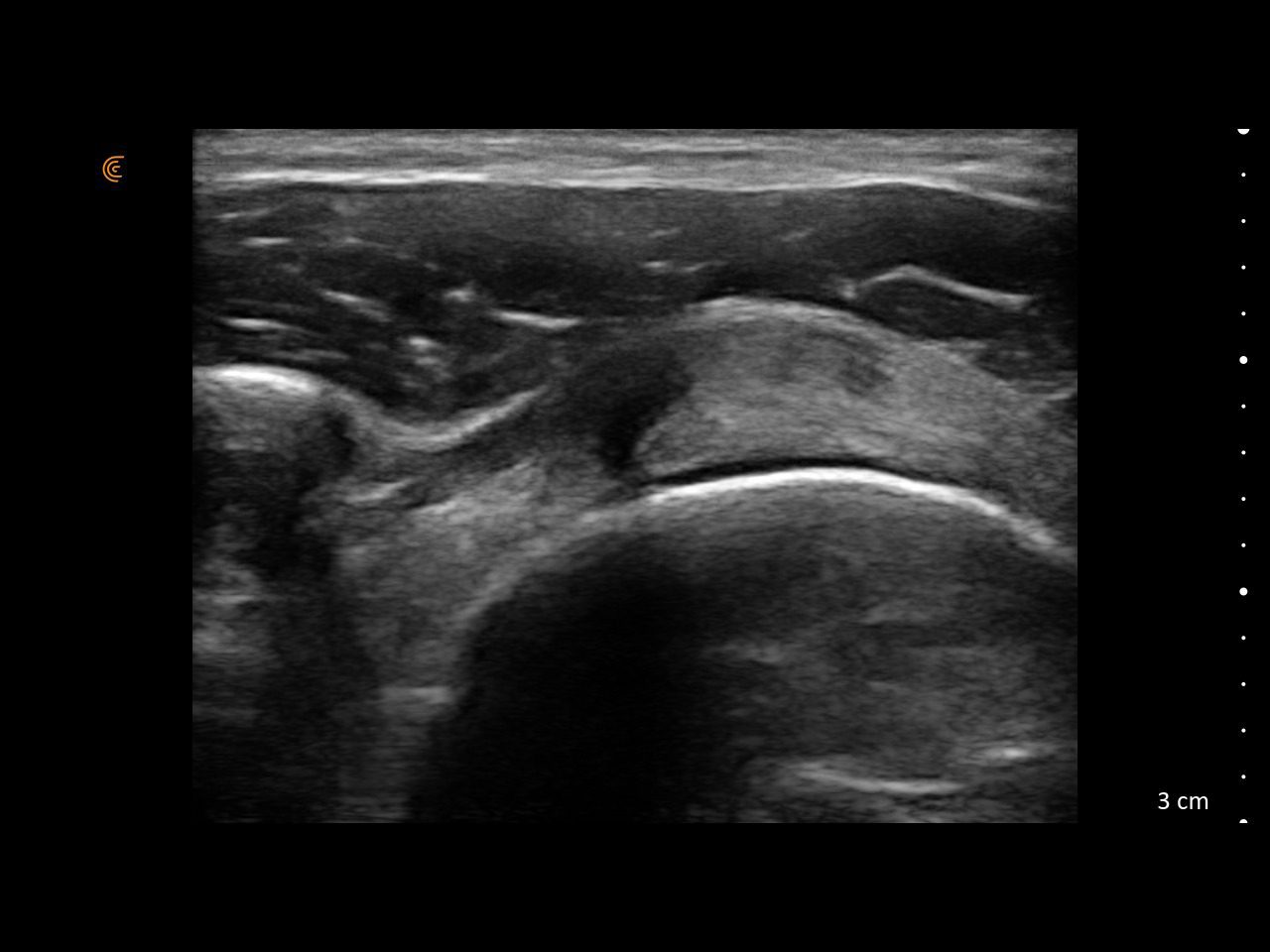
T-Mode™ Abdominal Wall
Quickly identify the rectus abdomins, linea alba, and abdominal cavity.


Discover how the Clarius Intelligence ecosystem accelerates student learning through tools that deepen understanding and build confidence.
Students can tap, scan and start learning with minimal setup. Instant imaging means learners spend more time practising and less time adjusting settings.
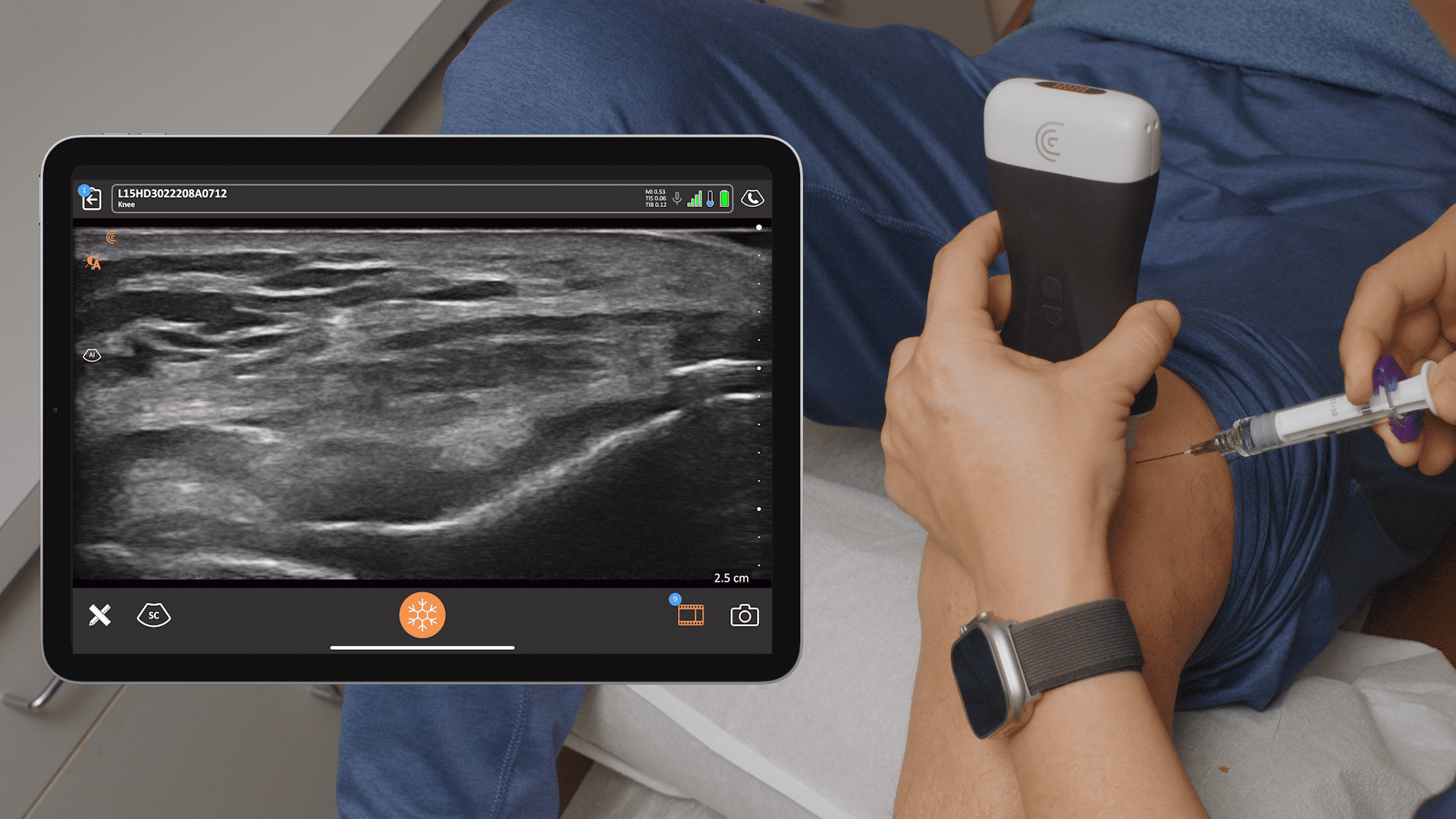
Color-coded tissue layers and side-by-side grayscale and color views help learners visualize anatomy in real-time. T-Mode provides a textbook-like overlay, making it easier to identify structures and understand tissue relationships
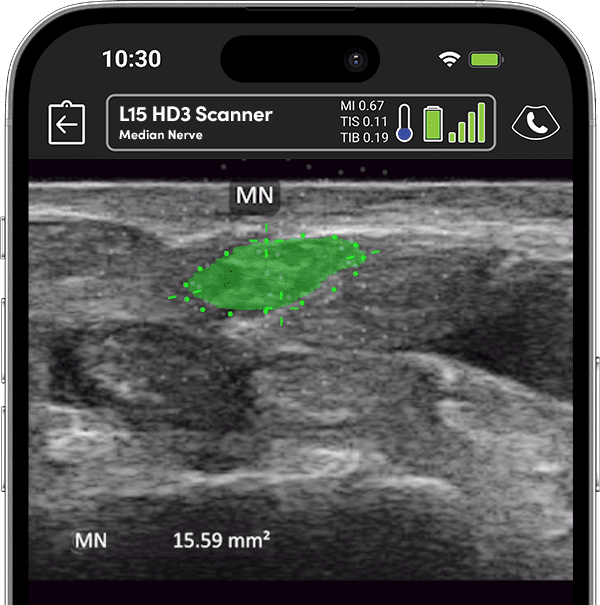
Diagnostic AI provides real-time feedback and automated measurements, helping students verify their technique and build scanning confidence.
Give learners the tools they will use in clinic to measure, annotate and analyze images. These functions foster analytic skills that translate directly to research projects and clinical practice.
Access 500+ on‑demand tutorials and webinars led by physicians, live virtual training sessions and exam sharing for feedback. These resources let educators integrate ultrasound seamlessly into curricula and provide consistent, high‑quality instruction.
Share real‑time imaging to student devices via Clarius Cast and obtain a second opinion instantly using Clarius Live telemedicine. Unlimited student access through the free Clarius app enables remote teaching and collaboration.
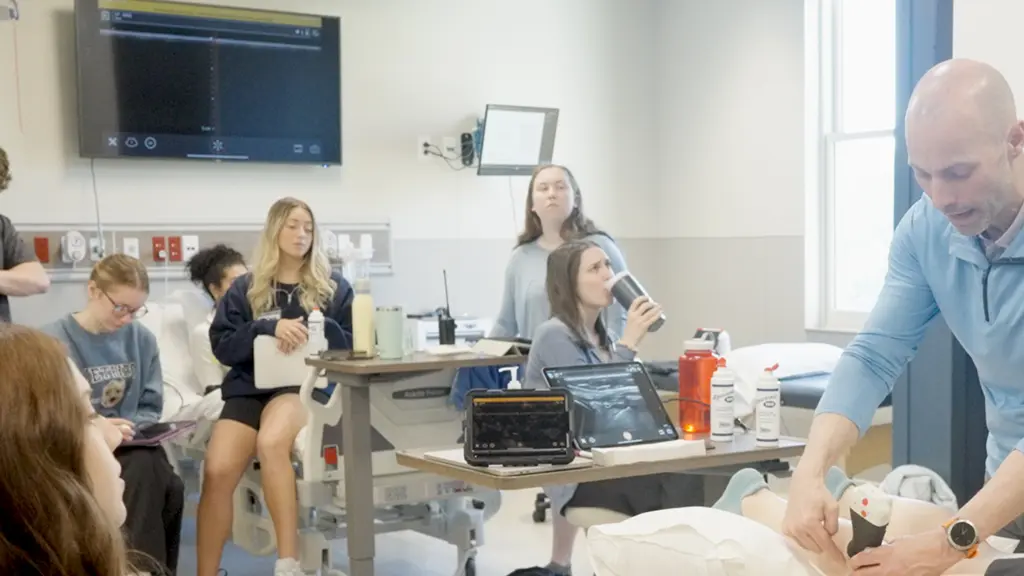
Use the free Clarius app to connect and share scanners across multiple Android and iOS devices. This multi‑device connectivity fosters collaborative learning sessions and simplifies group instruction.
CLARIUS FEATURES
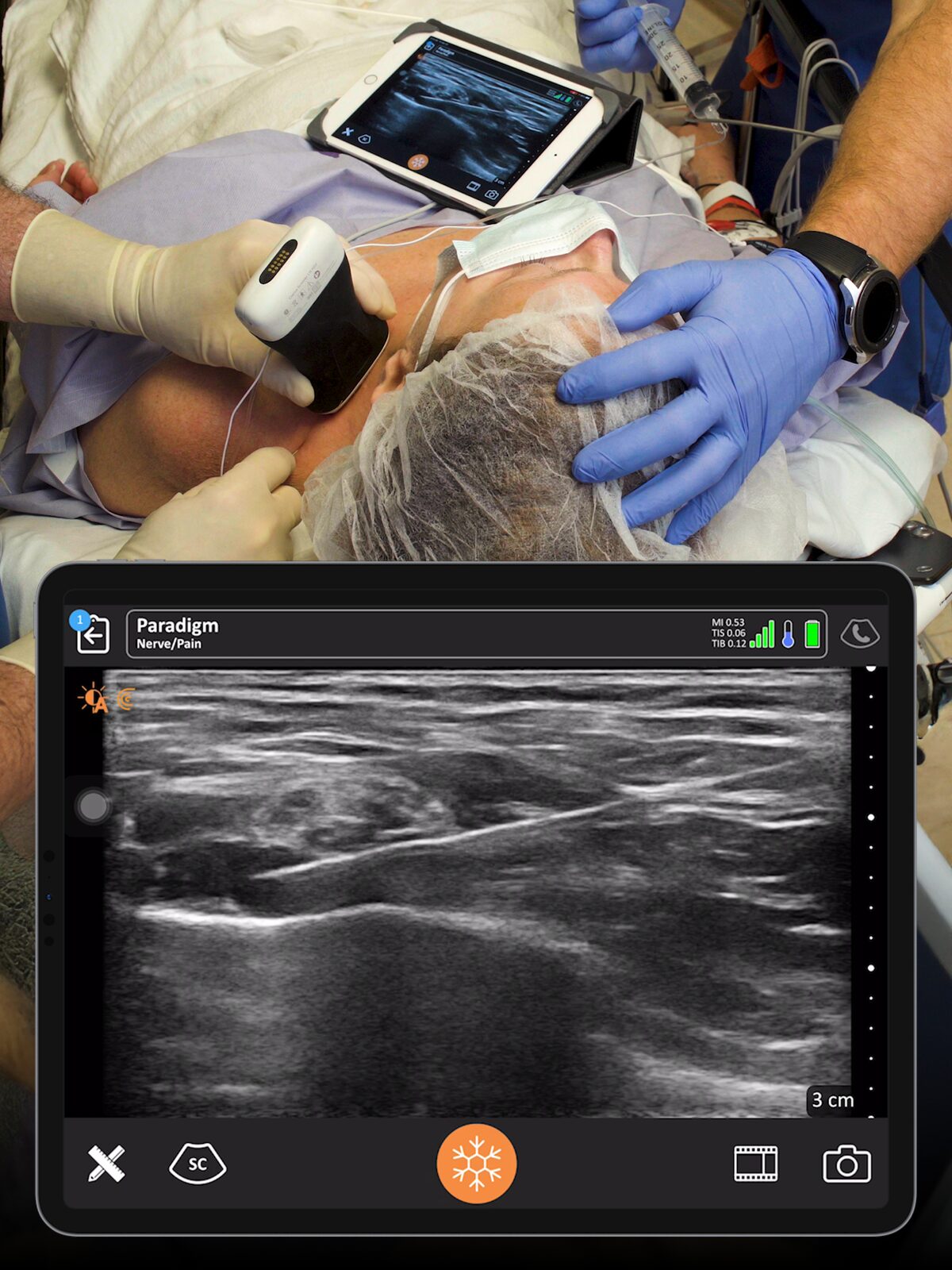
Intuitive One‑touch Controls for Easy Scanning
AI‑Assisted Skill Building
Practice‑Ready Tools
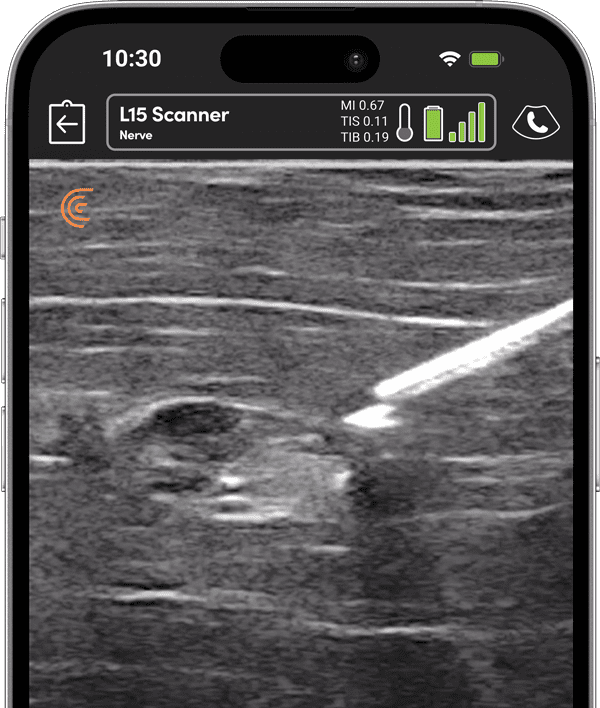
Needle Enhance
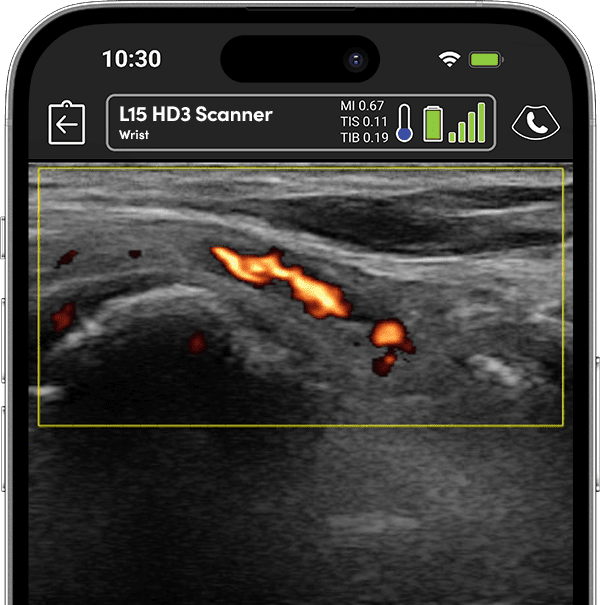
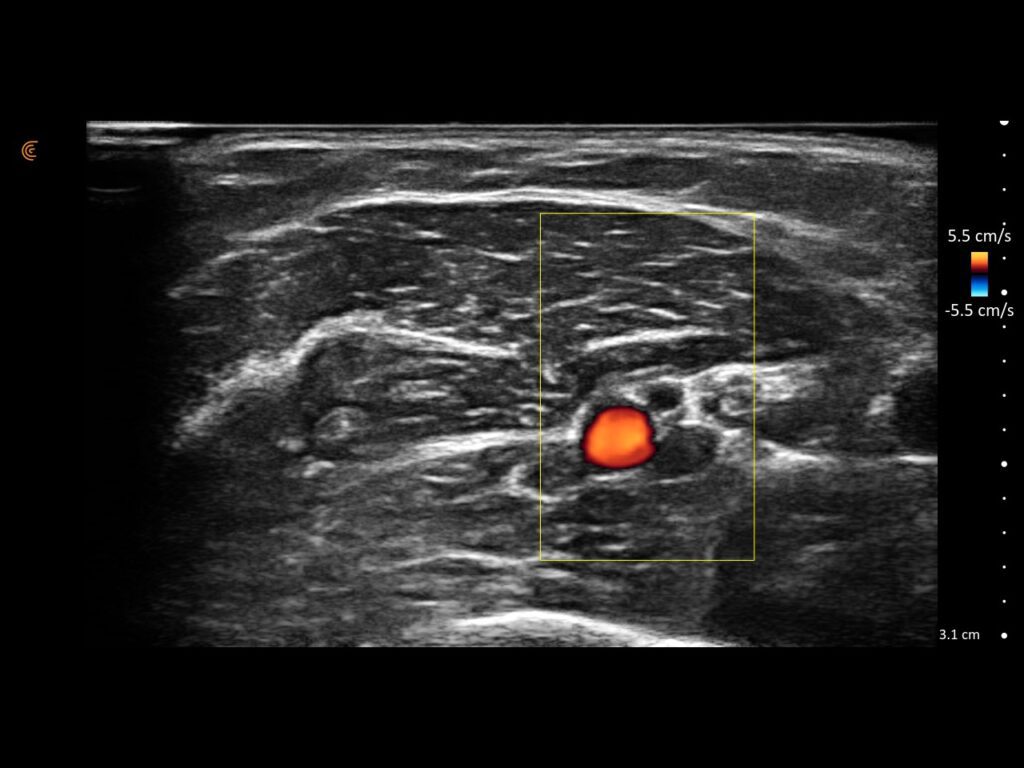
Power Doppler
Dedicated Presets
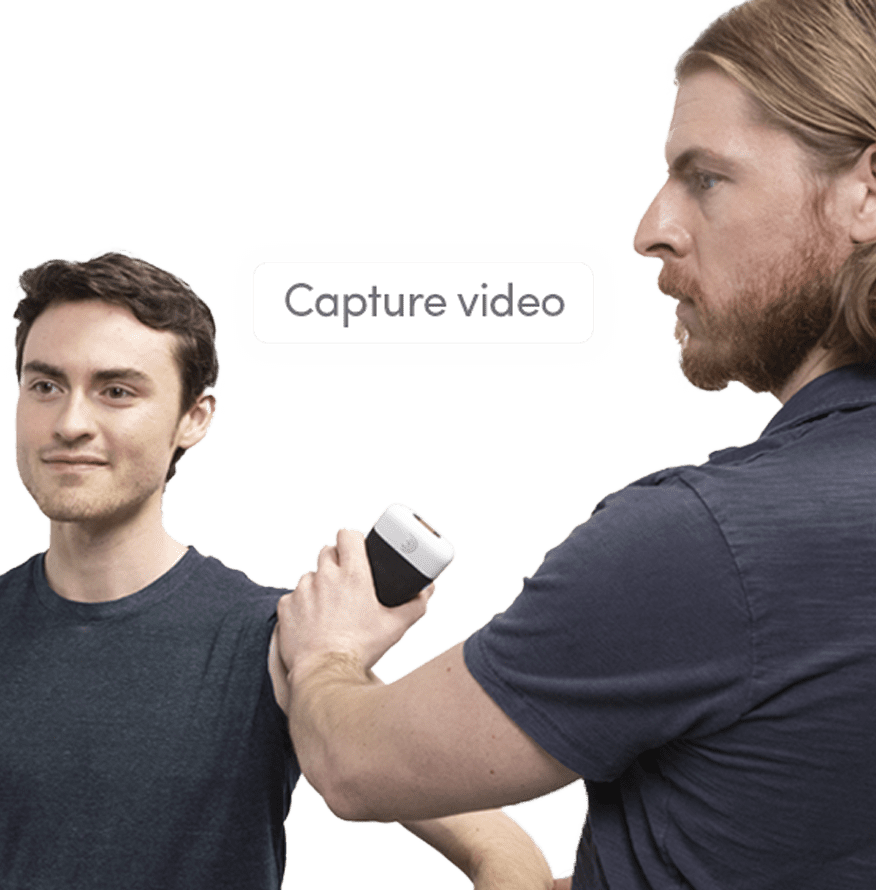
Voice Controls
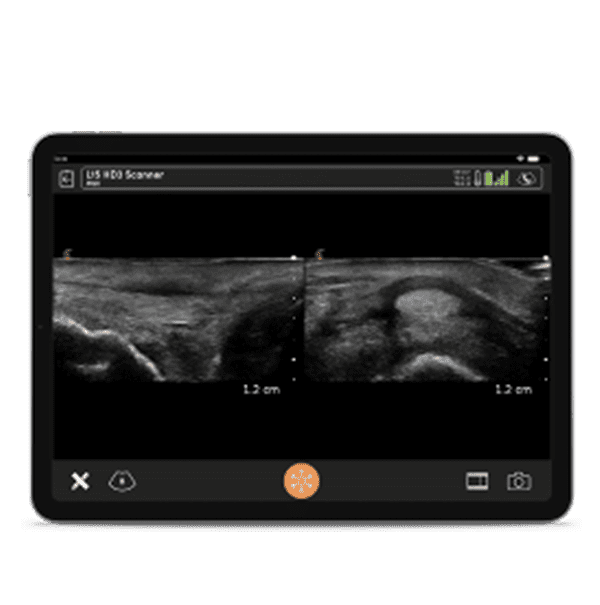
Split Screen
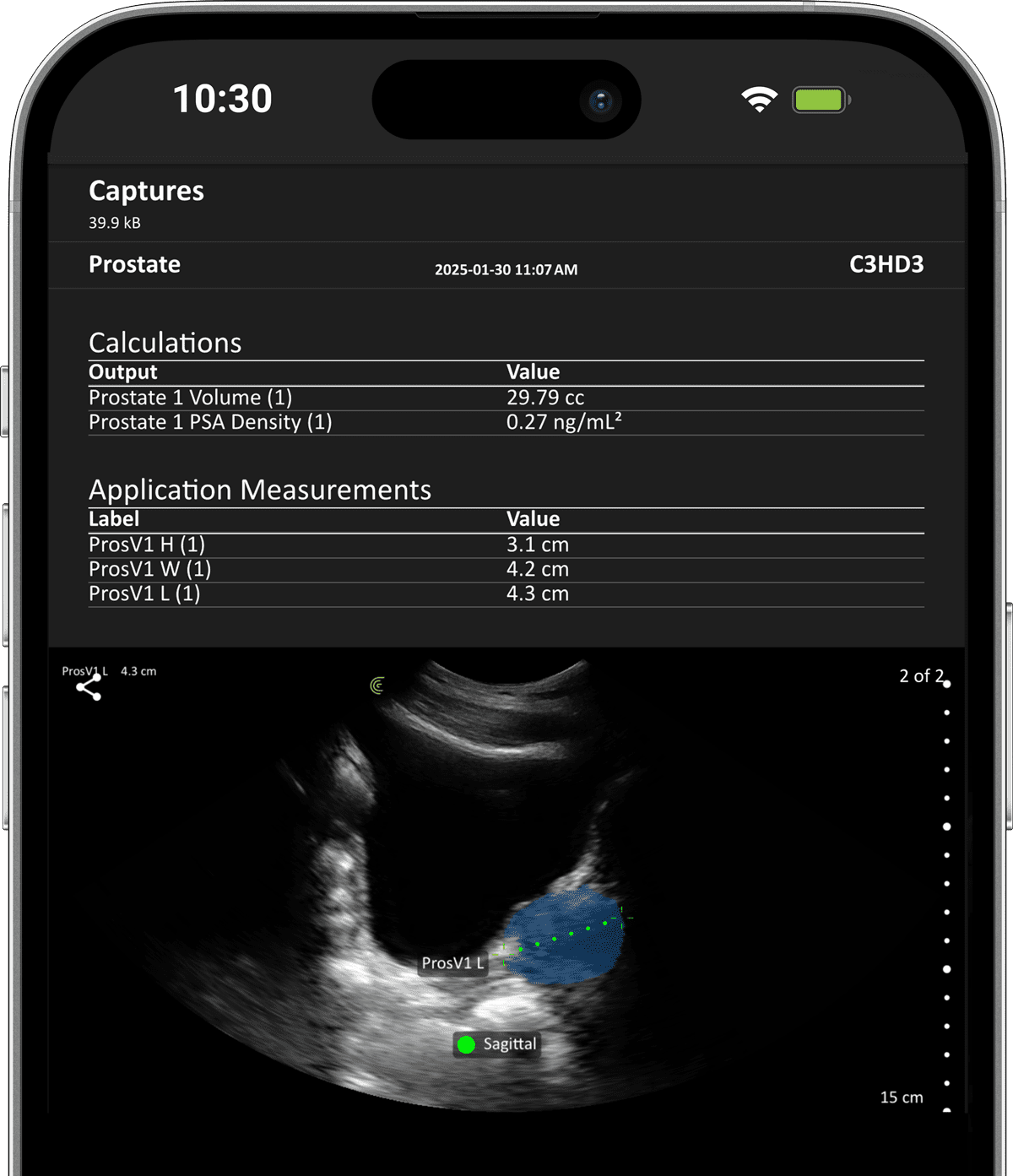
Specialized Measurements
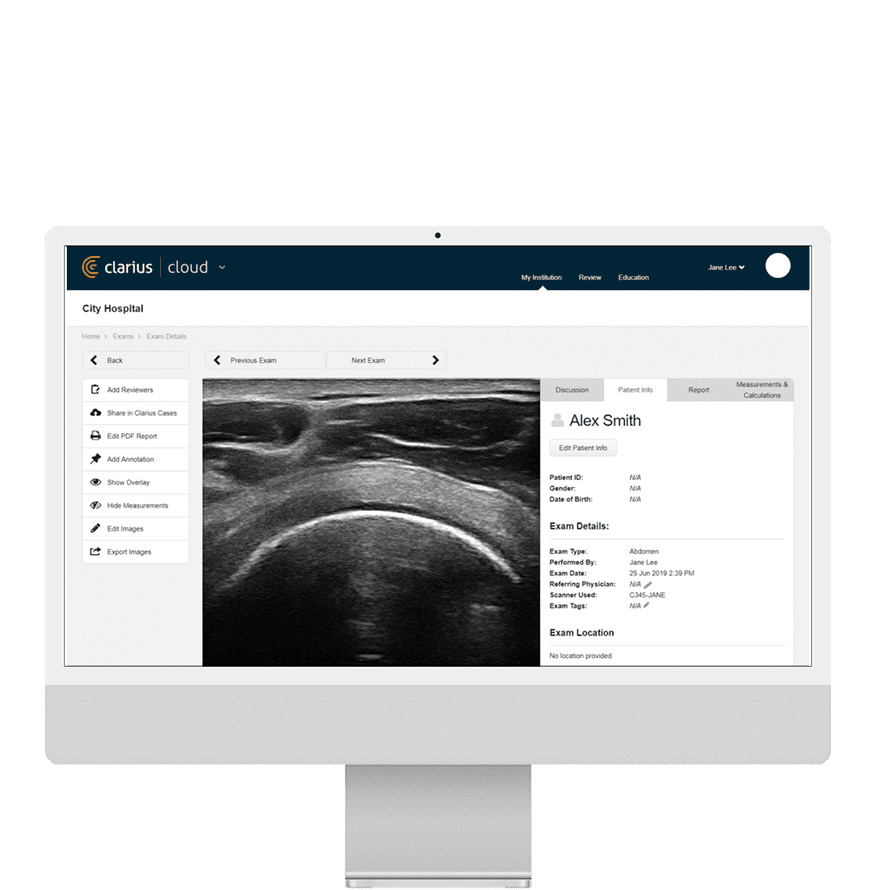
Clarius Cloud
Trusted by Clinicians Worldwide

Dr. Chris Wolfe
Associate Professor of Physical Therapy, Belmont University
When I think about what my students will use in clinical rotations and in their practice, usability will be so important. Clarius not only provides high resolution and affordability, but they’re also able to transport it so easily from one clinic to another, from one setting to another. I have exclusively started utilizing Clarius for all of my academic teaching, my clinical practice, and the weekend courses I provide to other clinicians.
Dr. Petter Tonseth
Radiology / Medical Education
The Clarius device is an interesting educational tool because it allows the power of a full ultrasound machine to be in the hands of students. They can have it at the bedside; they can have it in their pocket to have it with them wherever they are. Going forward, I see it being something that they will be able to use on a daily basis on the wards and with patients that they see.

Belmont Residents
Orthopaedic Physical Therapy Resident, Belmont University
I personally wish I had it [T-Mode] when I was learning it. The students who are learning it now, being able to watch them use it in real-time, are much quicker at being able to identify different structures. I think it goes a long way in terms of long-term being more precise when you’re doing the diagnostic ultrasound. In clinics, clinicians would be more amped to use it, having more real-time things to guide them.
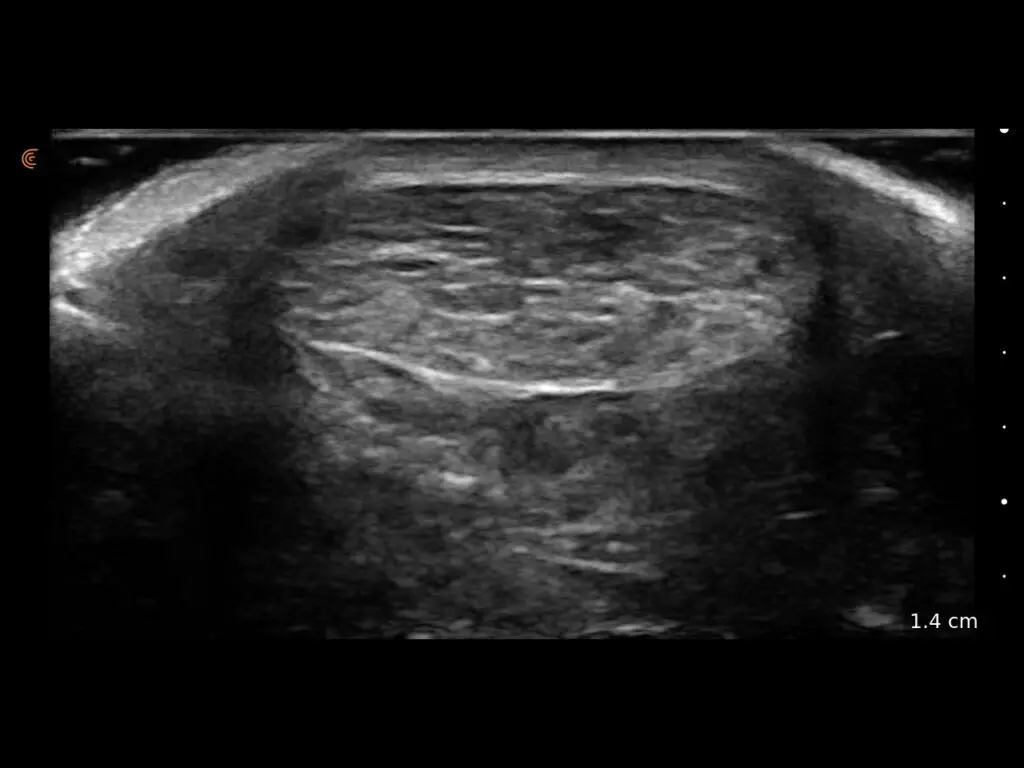
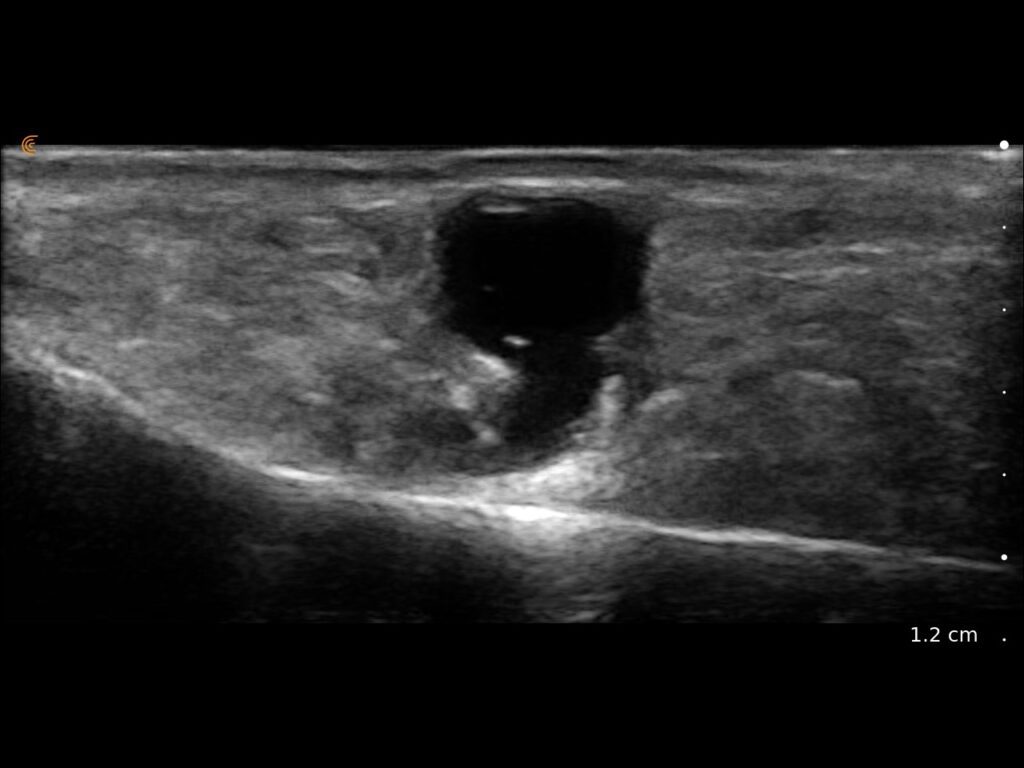
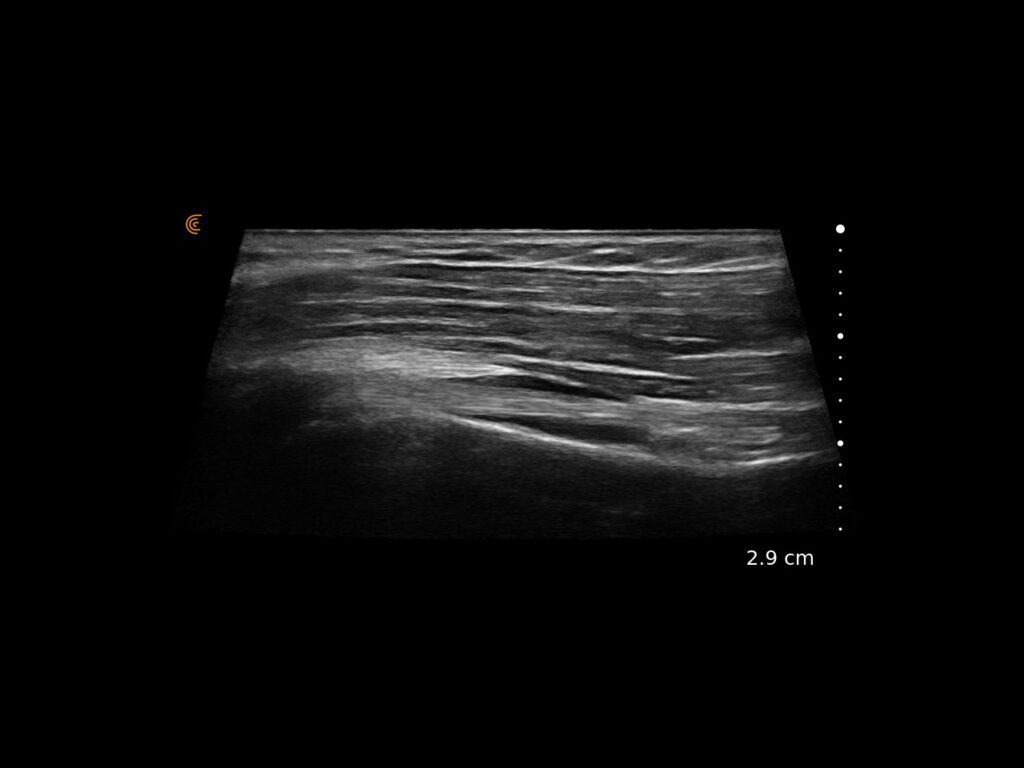
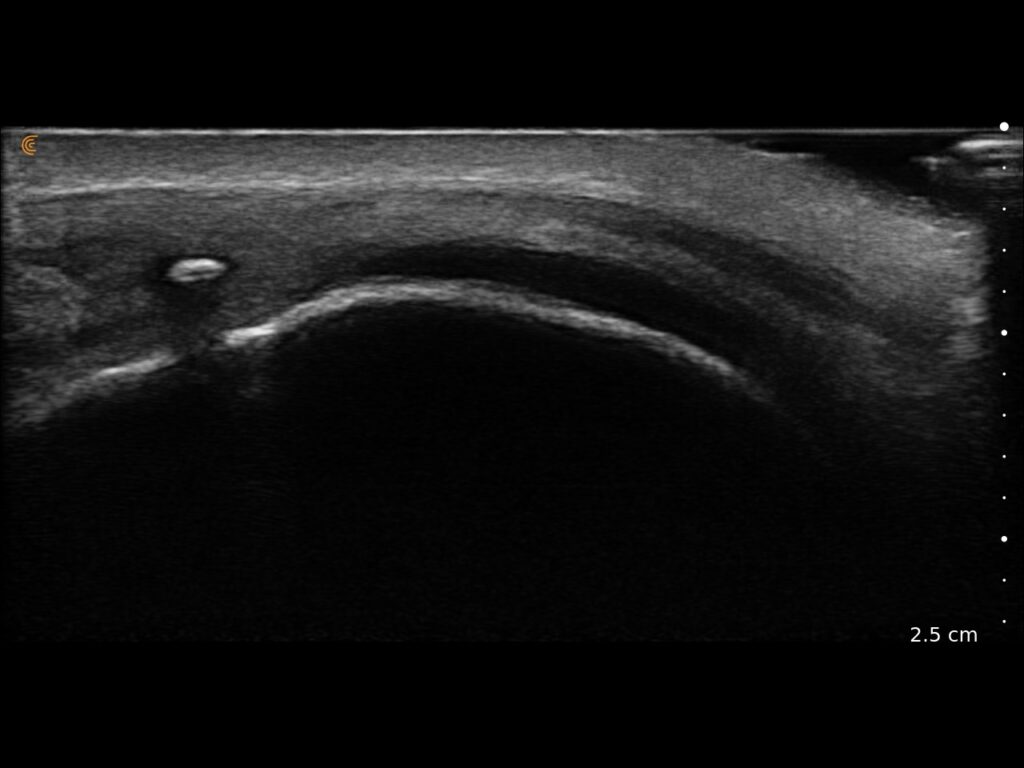
One Platform, All the Support your Need
Clarius Classroom provides a simplified handheld system and more than 500 educational videos and tutorials to support ultrasound learning from beginner to advanced levels.
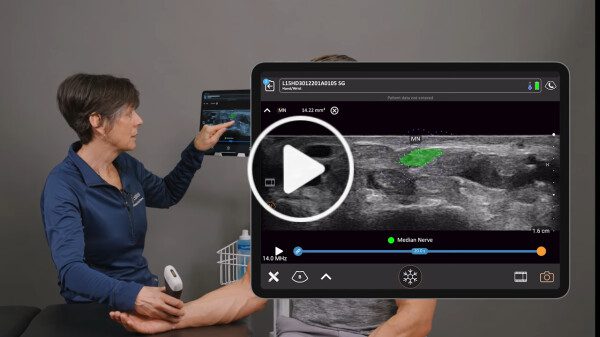
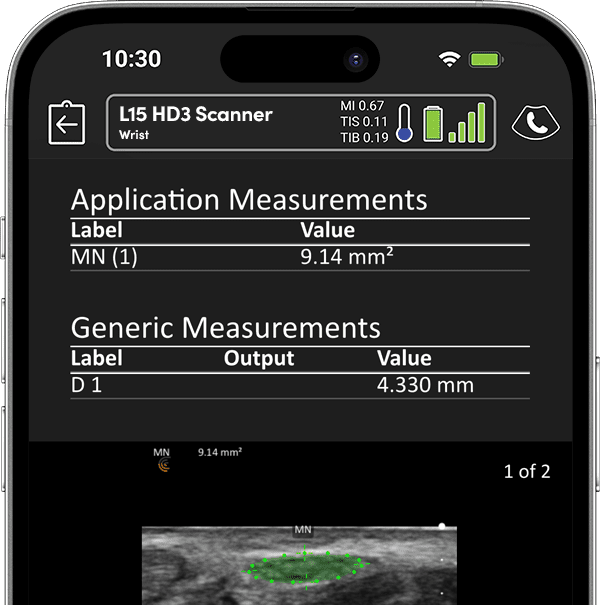
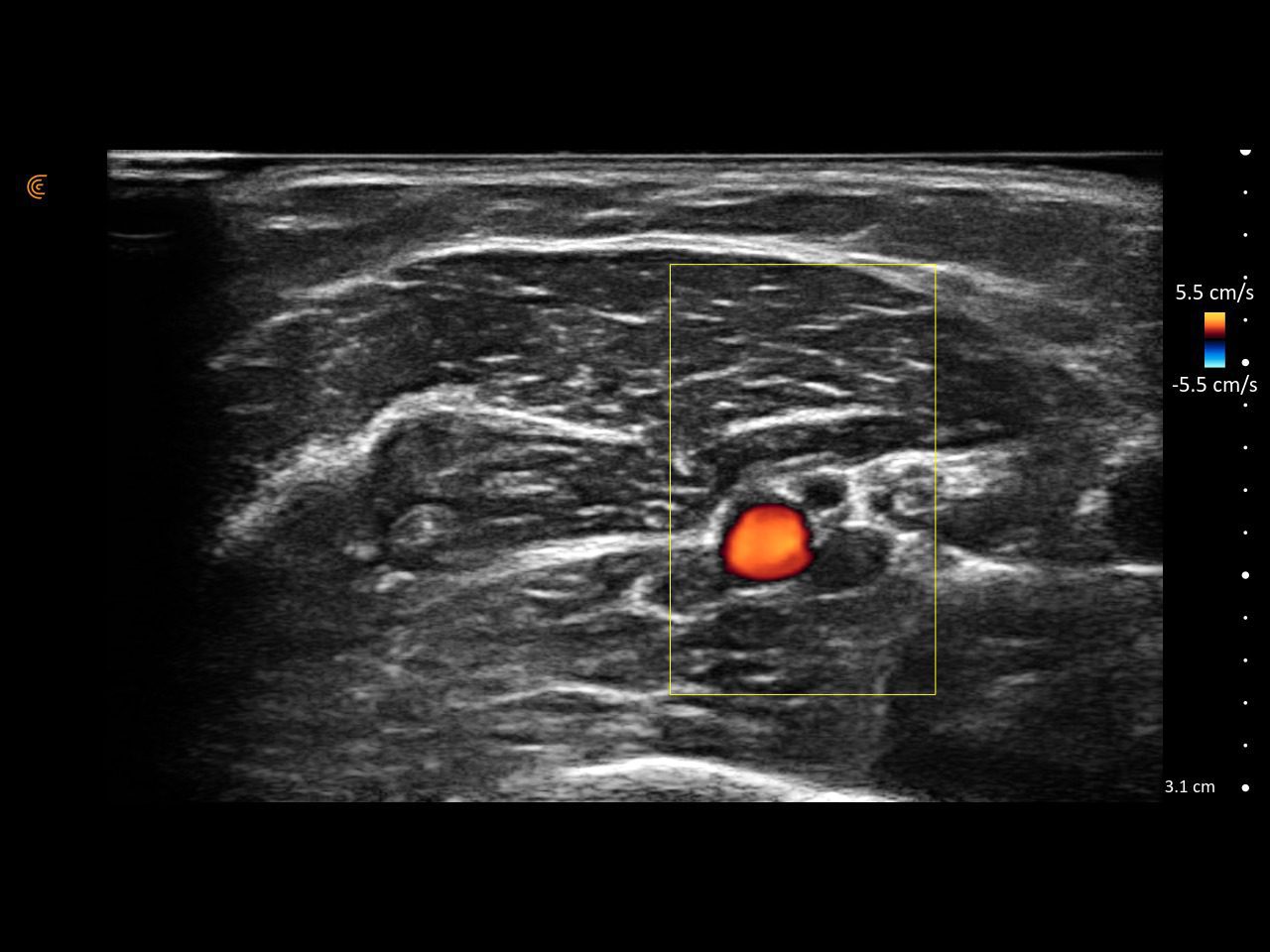
Median Nerve AI
Demo of Median Nerve AI for locating and measuring nerve in CTS.
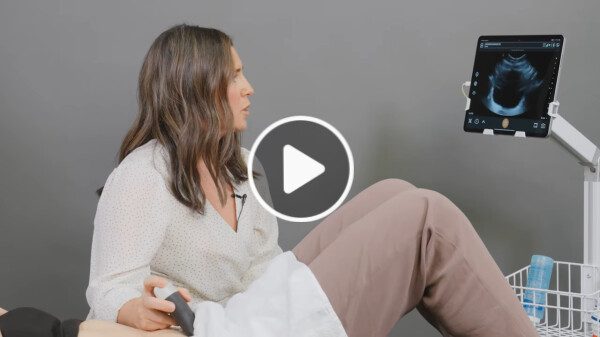
Transabdominal Pelvic Floor Assessment with Ultrasound
Adrienne scans bladder to assess symmetry and pelvic floor movement quality.
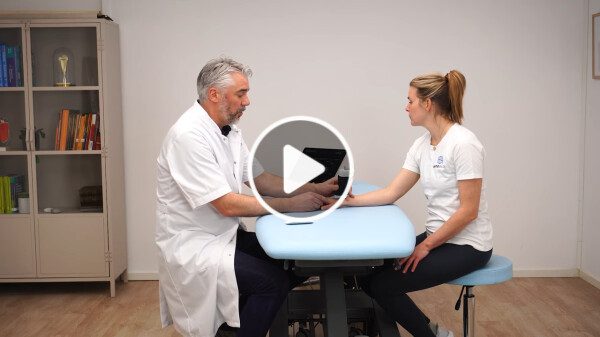
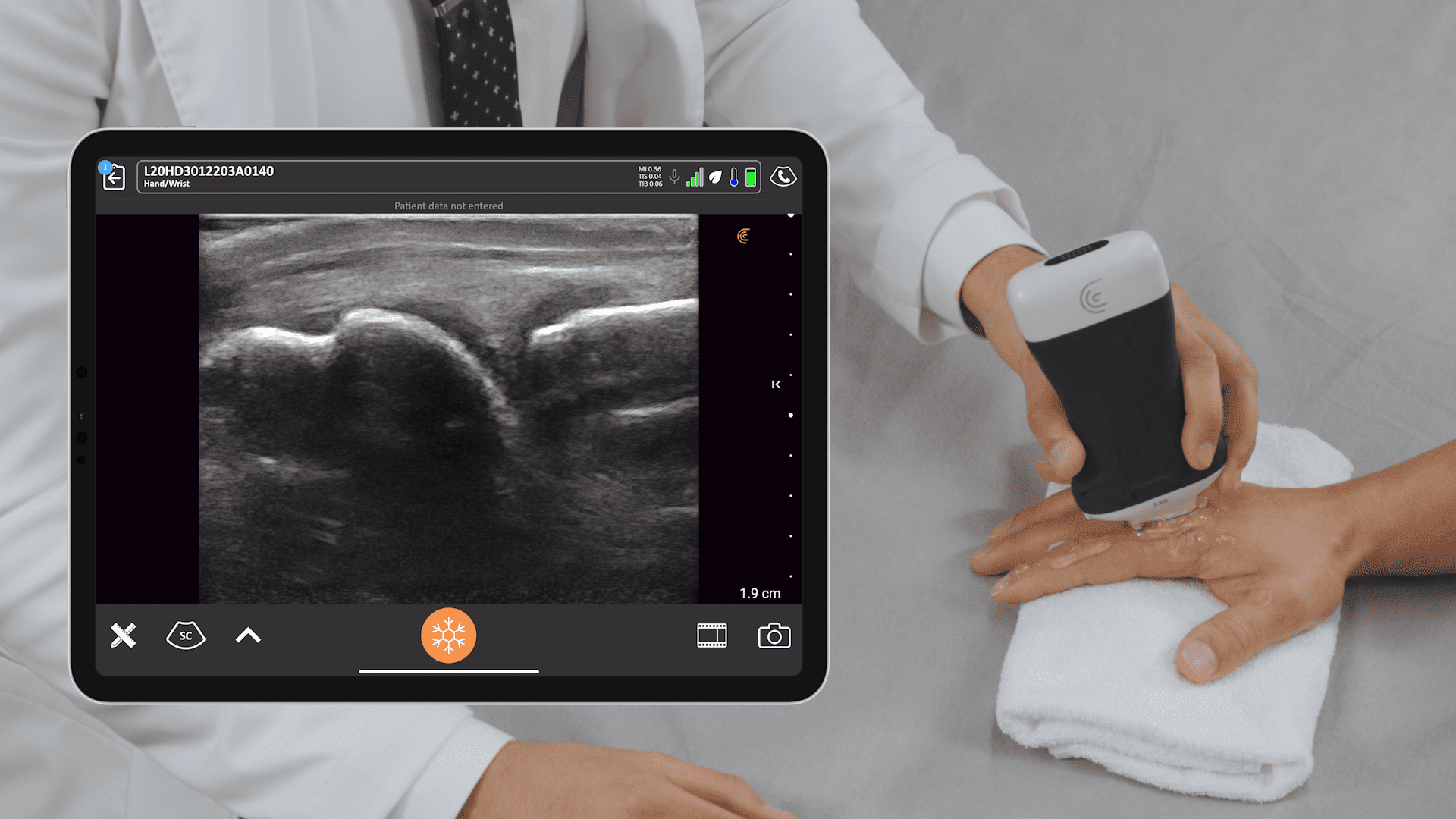
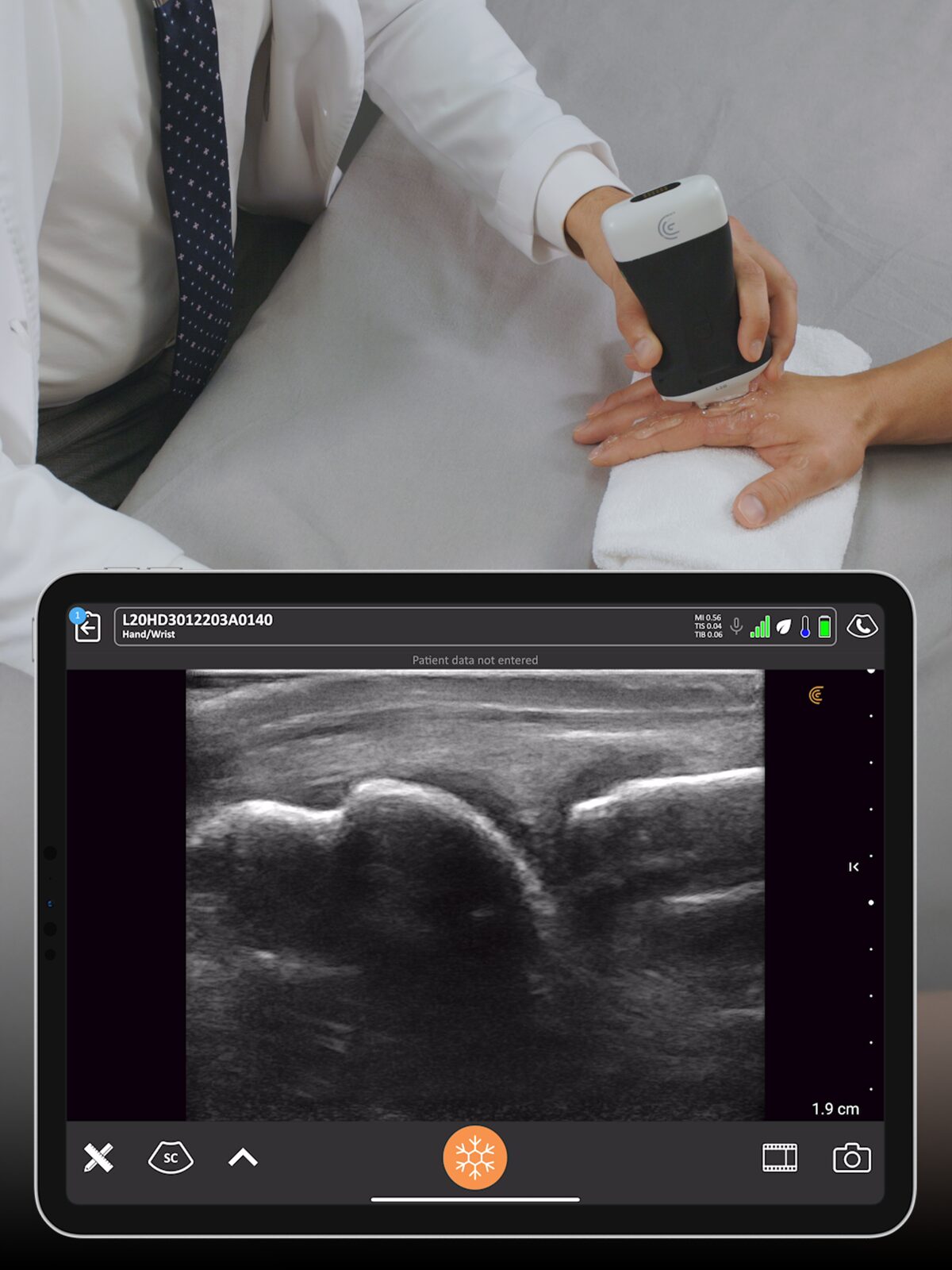
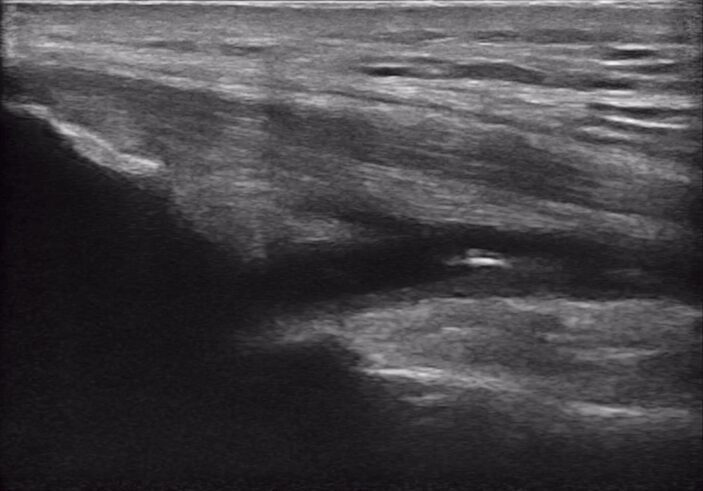
Ultrasound of the Scaphoid Bone
Marc shows how to scan scaphoid for fractures missed on X-ray.
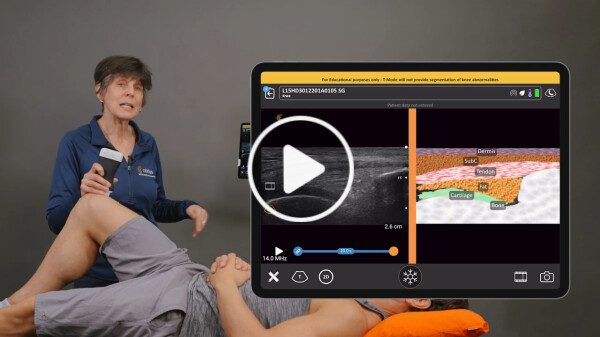
T-Mode™ for Anterior Knee
Dr. Frenkel uses MSK AI to label patellar tendon and save time.
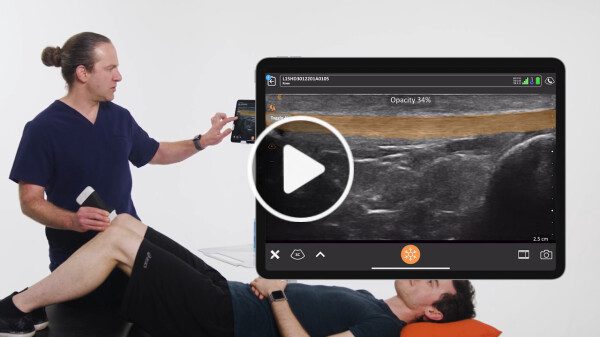
MSK AI
Shelley uses T-Mode AI to teach anterior knee anatomy recognition.
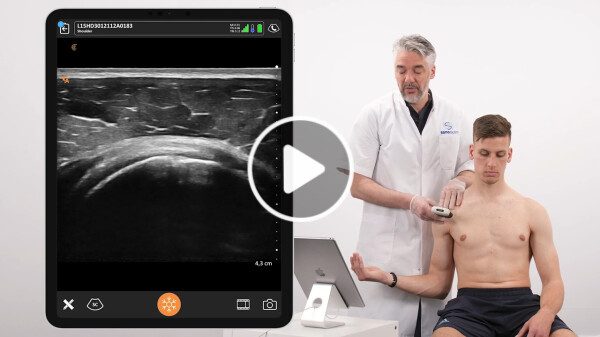
Dynamic Assessment of the Ventral Shoulder
Dynamic scan of biceps, rotator interval, and subscapularis for impingement.
Ultrasound Solutions for Every Program
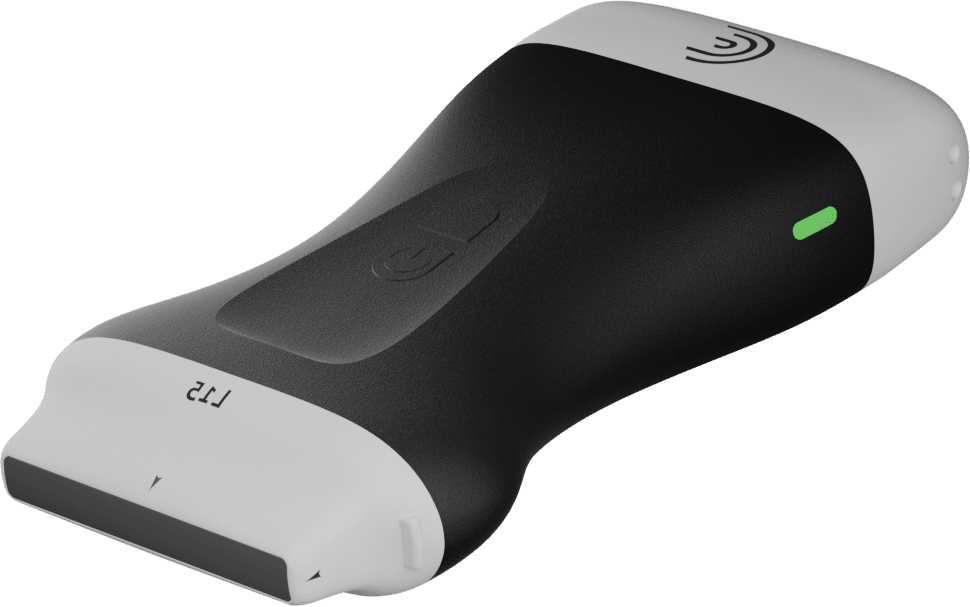
A full suite of specialized scanners supports ultrasound education across diverse healthcare programs, from PA and NP curricula to residencies in family medicine, emergency medicine, sports medicine, and more.
Trusted Worldwide. Backed by Experience.
Over 7 Million Ultrasound Scans
Trusted by clinicians to deliver faster, more confident care.
70+
Countries
Delivering high-performance imaging anywhere.
Trusted by
35,000+
Clinicians providing better patient care.
10+
Years
Redefining medical imaging to make
healthcare more accessible.
Book a Virtual Demo
Powered by AI with specialized presets and customizable workflows, Clarius HD3 automatically optimizes imaging to deliver a superior ultrasound scanning experience. Book a virtual demo with our experts to learn which scanner can deliver the best ultrasound imaging for your practice.
⚠️ Clarius ultrasound is for medical professionals only.
By providing my email, I consent to receive Clarius webinar invitations, case studies, whitepapers, and more, and I consent to the Clarius Privacy Policy. I can unsubscribe anytime.
Frequently Asked Questions
Clarius supports learners at all stages, from first exposure to ultrasound through advanced clinical training. Programs use Clarius for anatomy instruction, skill development, simulation labs, and supervised clinical scanning.
Clarius combines high-quality imaging with educational tools like T-Mode visual overlays, side-by-side views, annotations, and structured presets. These features help students connect probe positioning, anatomy, and image appearance during live scanning.
Clarius offers a full suite of wireless scanners including linear, microconvex, convex, phased array, and endocavity probes. This allows programs to cover MSK, abdominal, cardiac, vascular, OB/GYN, and head and neck instruction using one platform.
Programs receive access to Clarius Classroom, which includes more than 500 on-demand videos, tutorials, and webinars led by clinicians. Optional on-site product training is also available for faculty and learners.
Clarius scanners connect to multiple iOS and Android devices using the free Clarius app. Instructors can share live scans with students in real time for group learning and feedback.
Clarius AI tools assist with anatomy visualization and measurements to help students learn correct workflows and interpretation. These features are designed to support education and skill development, not to replace clinical judgment.
Clarius reduces reliance on shared carts by providing portable, wireless scanners that students can access more easily. This helps increase hands-on scanning time while lowering space, maintenance, and scheduling constraints.