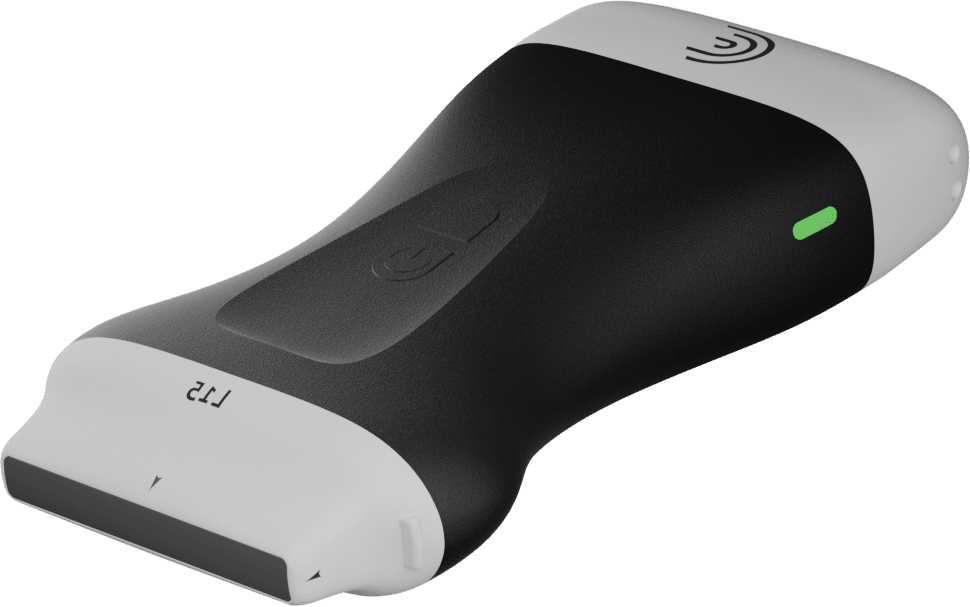
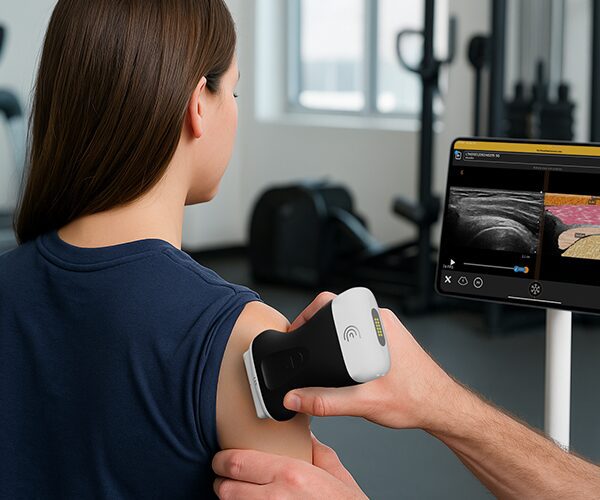
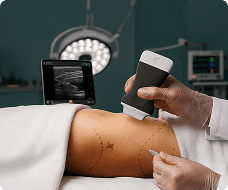
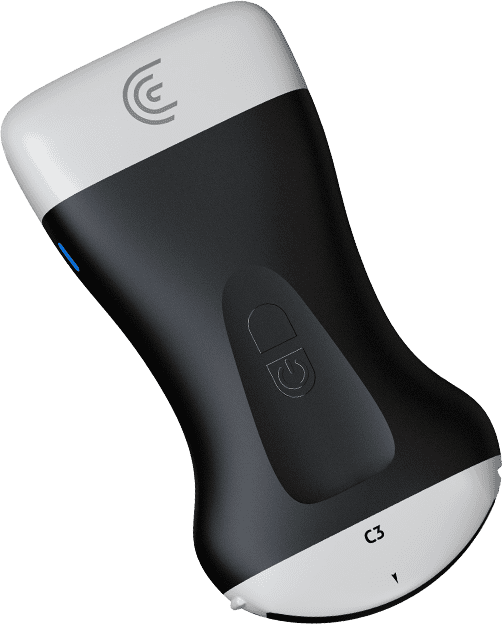
hi I'm Matt Harkey I'm a researcher at Michigan State University with research focusing on monitoring patients following knee injury and knee surgery and specifically using ultrasound to monitor structural changes within these individuals to determine which patients are highest risks of osteoarthritis and today we're going to be talking about using ultrasound to assess femoral cartilage within the knee and what we're going to be doing today is we'll have our participant positioned supine on their back and will have them Flex their knee to maximum knee flexion and get them to hold it into that position and once we have them into that position we'll place the ultrasound probe up here on top of the knee in this Supra patellar position in this cross-sectional view where we can get this this view of our articular cartilage and what you can see in this picture is kind of our our skin an overline fat our quadriceps tendon our articular cartilage that we're focused on and then that that black of the femur down at the bottom there so again with this image we're focused on that articular cartilage that black band there in the middle of the screen there and what Corey is doing with the ultrasound probe is once we kind of position it on the knee kind of in line with the medial and lateral femoral condyles we will move the probe kind of left to right to make sure the intercondylar notch or the lowest point of the knee is at the middle of the image and then usually we'll rotate it kind of anterior and posterior to find the position where we kind of have the brightest lines there at that bone surface and we can see clear delineations between the cartilage and the bone and then the cartilage and the overline soft tissue and once we find that position we'll freeze that image and then can use that image to gather a measure of cartilage thickness and kind of cartilage Echo intensity or brightness as a measure of cartilage composition within the knee and in closing we can use this assessment to monitor cartilage health and patients following knee injury and knee surgery in an attempt to identify people at highest risk for osteoarthritis as well as using this technique to monitor in Vivo cartilage changes pre and post a physical activity intervention to monitor how the cartilage is responding to loading that's occurring there at that join