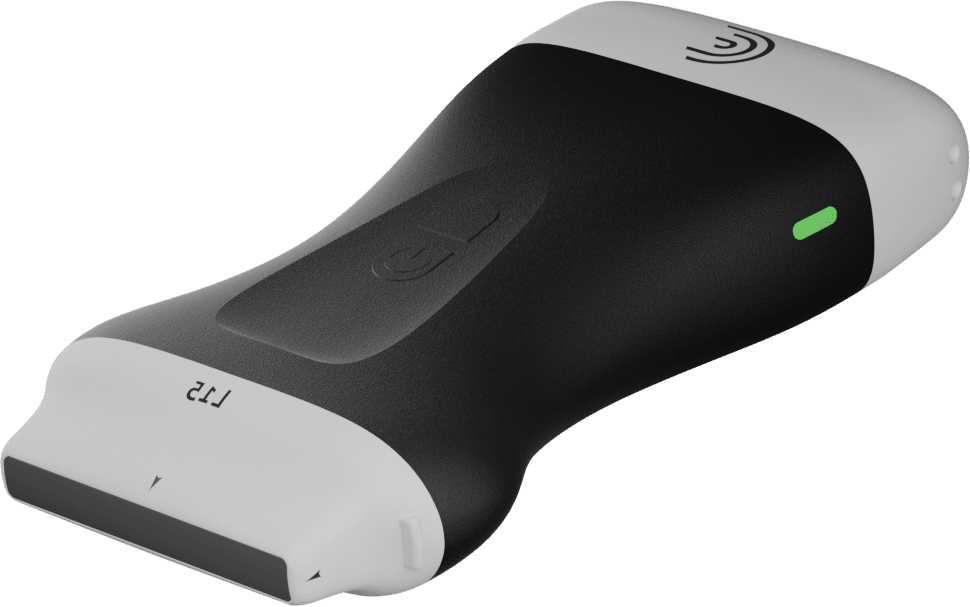
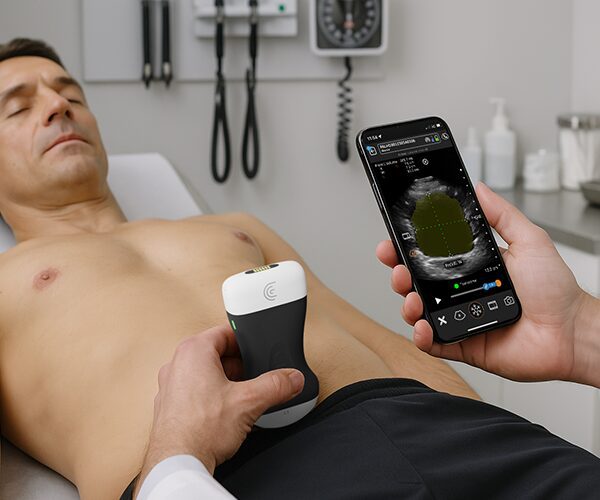
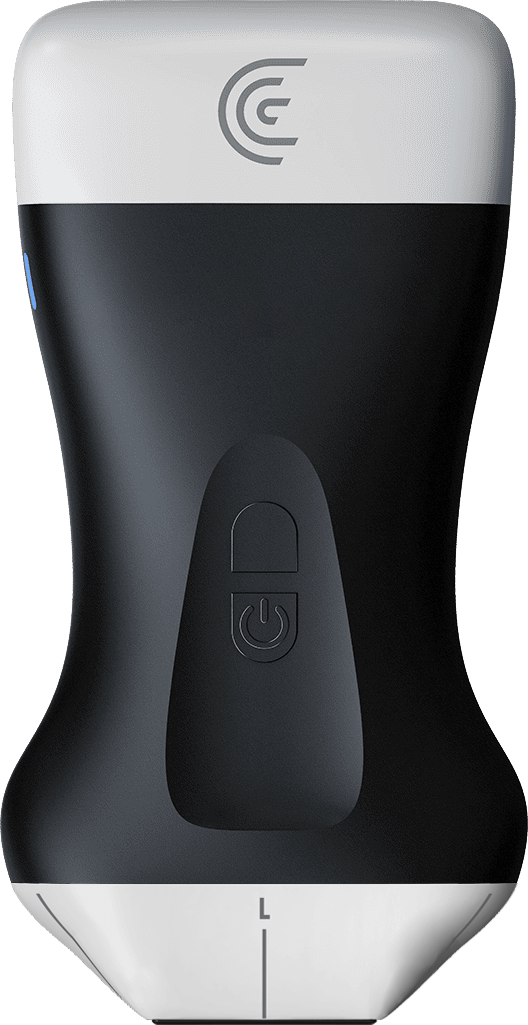
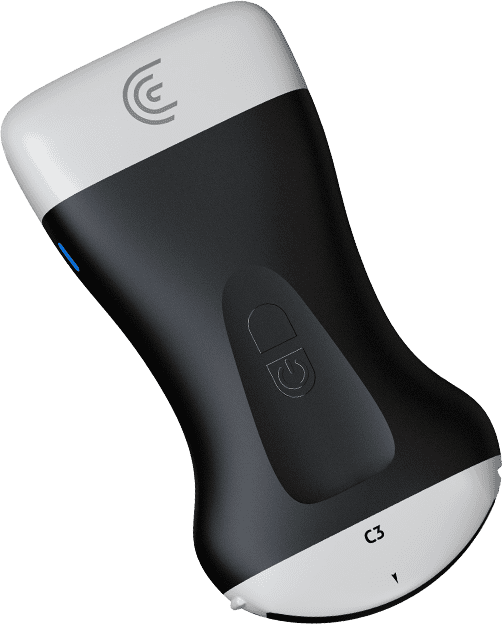
hello I'm Brian Johnson today we're going to use the uh clary's pal to evaluate the lungs and really what we do is it sort of a two-stage process we're going to first evaluate for pneumothorax then we're going to go deeper and look at you know the entire lung to rule out plural diffusion um consolidation or pulmonary edema so first what we do is um clarus app you're going to have your lung shallow preset there's a lung deep and a lung shallow so we're going to do lung shallow for numo thorax what you're going to do is take your probe and just put it over the anterior chest like this and this is one of those where you just sit there and watch okay so what you're seeing is you're seeing a rib and then you're seeing below that visceral and prial plura apposition you're seeing good lung sliding some kind of call it like a twinkling um you also can see um small Comet Tails sometimes you also call it Ants Marching but what we're seeing is good lung sliding and you can move down the rib space once again you see those small Comet Tails that's completely normal indicative of lung sliding and so basically we see no pneumothorax on this lung if there's any concern you can also go to m mode so M mode basically track the movement of sound over time and depth of the probe what you're seeing here is you're seeing movement of the lungs distally and that's a good sign that tells us that there's good lung opposition between the visceral and parial plural sometimes people call that the seore sign um if there's no lung sliding you wouldn't see any movement it would look like a barcode basically so we've effectively ruled out a numax on this side and you do the same thing on the other side just anterior chest looking for that good lung sliding okay so now that we looked at for pneumothorax the next step is going deeper into the lungs and for that you need to actually change the lung preset so I've actually programmed this pal so this button here I just click it and it changes my preset from lung shallow to lung deep so now I'm in lung deep right away so you have to break up basically the scanning area into an anterior lateral and posterior viewing and like I said we're doing this for three reasons we're looking for pulmonary EMA called beines we're looking for consolidations and we're looking for plural fusions so what I typically do is I just start anterior once again this time we're going deeper so we're going to set the setting probably about 18 19 CM what we want to see is what we're seeing in this healthy individual we're seeing a lines there's these horizontal lines that's normal reations in the lung sometimes ribs can obscure a visualization but overall we're seeing healthy aines of the lungs and we move slowly anteriorly moving towards the feet just looking at the lung perena to make sure we're just seeing a lines so after we've done anterior we go laterally and really I kind of start towards the feet because I want to see what I want to see is I want to see this liver here so there's your liver returning up the gain and then there's the diaphragm you're seeing the diaphram remove with respir variation and often times right here is where we're going to see your plural fusion and all you're doing is moving up up the lateral aspect once again just looking for a lines and making sure you see no pulmonary edema or any consolidation just go as far as you can so that's the anterior and lateral lung scan we'll have the patient sit up to perform the posterior aspect of the side of the lung all right now that we've completed the anterior and lateral evaluation of the lungs the last part is just to um evaluate the posterior aspect and so I have the patient touch their hands together so you can get some scapular movement and I start towards the head and basically what I'm doing is once again having a depth about 18 cm and we're basically going down the lungs to ensure a lines are present we're seeing no B lines or pulmonary edema and we're making sure there's no plural diffusions or consolidations now if you're doing a thoros synthesis this is actually where we'll be doing it typically and this probe is excellent to identify the correct placement for thoros Enis so we scan all the way to the base of the lungs so with those understand at the bedside you can identify pneumothorax plural fusions consolidation and Pulmonary EMA thank you