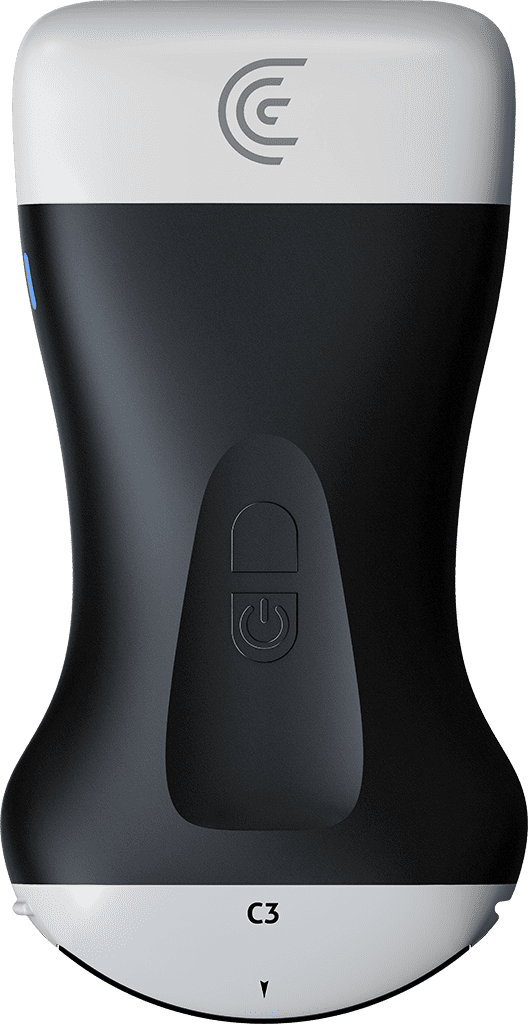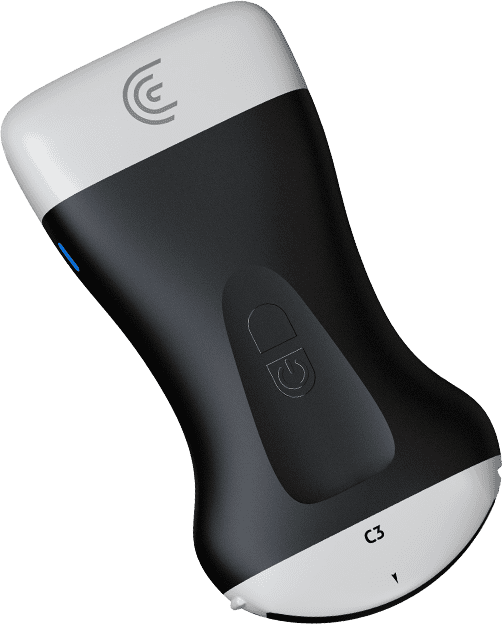



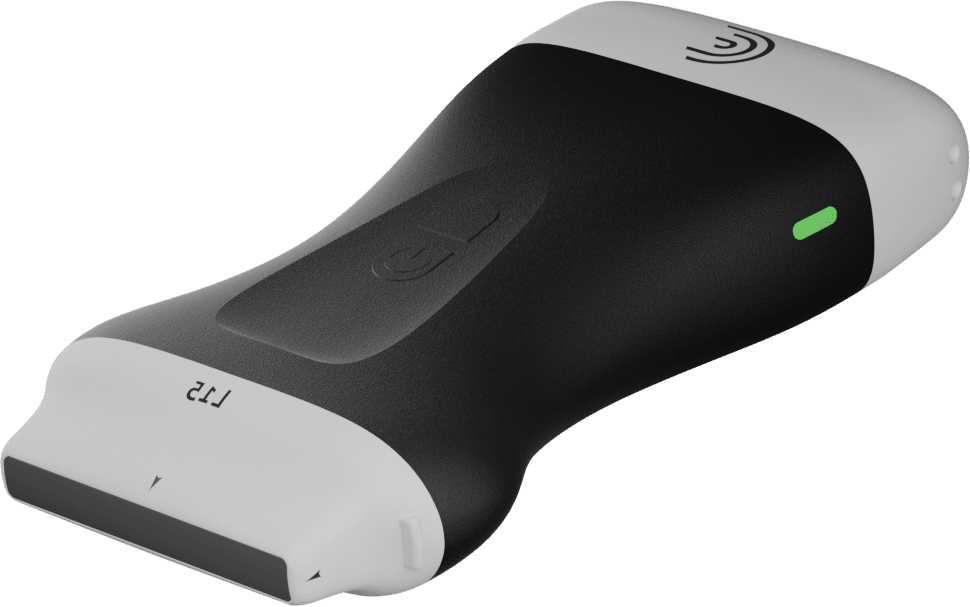
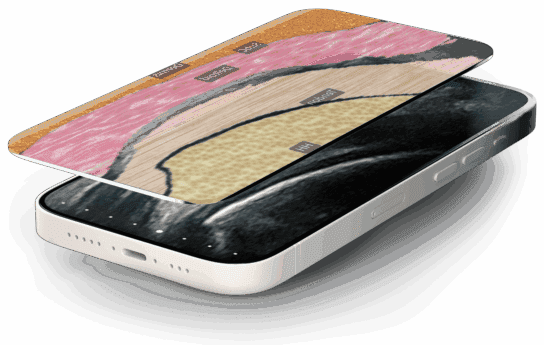

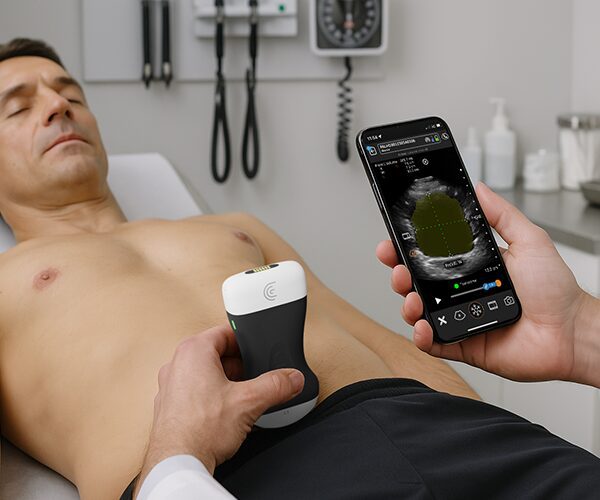


Valuable information can be gained from knowing the post void bladder volume. Bladder AI makes it easy to identify the bladder and calculate the volume so you can make better decision for you patient with symptoms of urinary retention. Watch how it’s done!
Hi, my name is Adrien Sim. I am a pelvic health physiotherapist. In this video, we look at bladder volume measurements using the Bladder AI function with the Clarius C3 scanner.
We begin with how bladder volume assessment is used in physiotherapy clinical practice. This includes measuring post-void residuals, as well as supporting patients who experience urgency or overactive bladder. Visualizing bladder volume can help patients better understand bladder filling and capacity.
We start with the client positioned in a crook-lying position. Voice control is used throughout the scan. First, the image is unfrozen. The probe is placed with the marker oriented to the patient’s left. A clear image of the bladder is obtained, ensuring all four borders are visible on screen.
Next, the Bladder AI function is activated. Once a clear transverse image is achieved, the image is frozen. The calipers are adjusted slightly as needed, and the image is captured.
The probe is then rotated into a sagittal orientation, with the marker pointing toward the client’s head. The image is unfrozen, then frozen again once the bladder is clearly visualized. The image is captured.
After both images are acquired, the calculated bladder volume appears in the top left corner of the screen.
This completes the bladder volume measurement using Bladder AI.