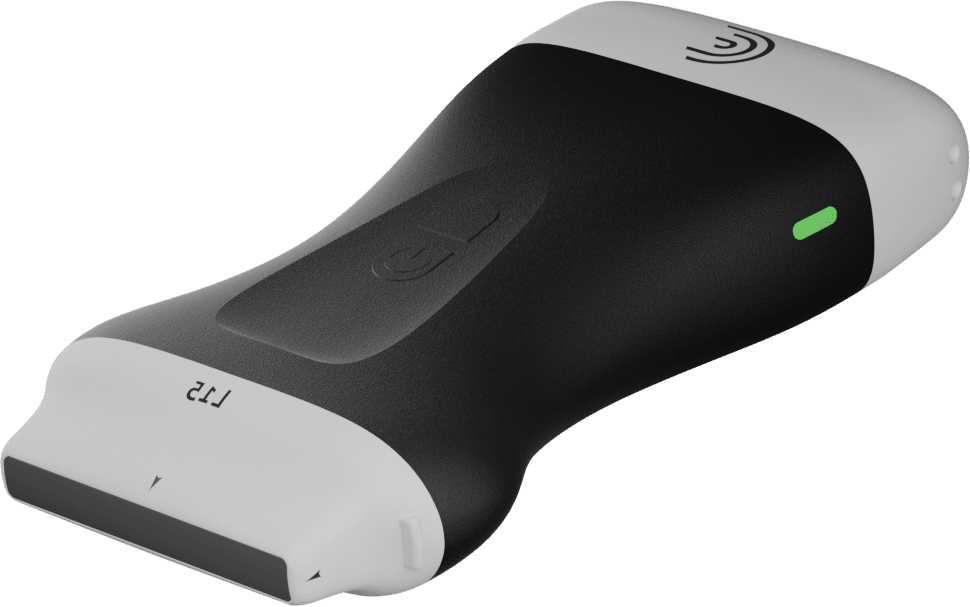
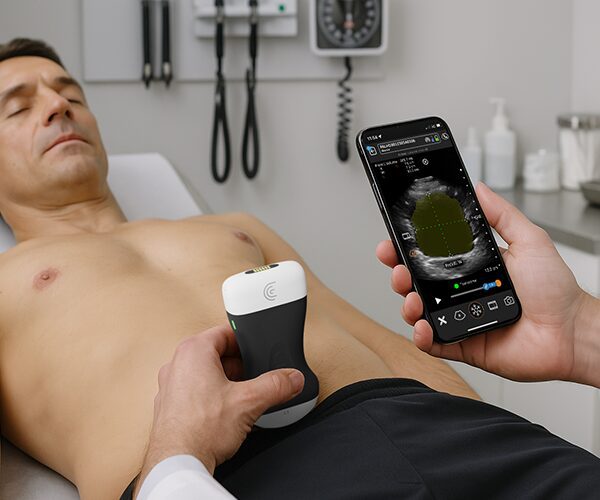
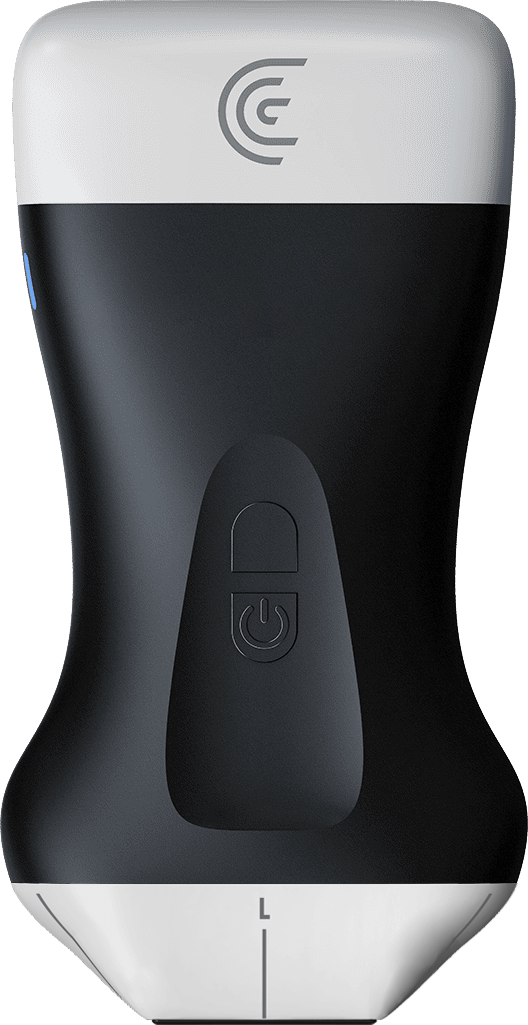
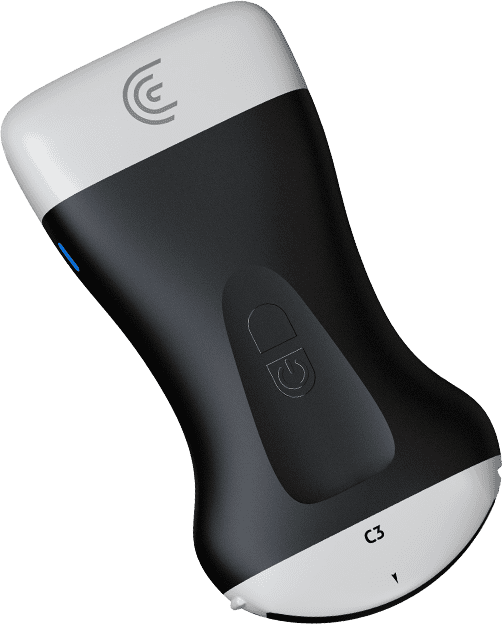
hello my name is Tom cook today I'm going to talk to you about the Fate exam fate is an acronym which stands for focused assessment with trans thoracic echocardiography and uh it is very similar to The Rush exam however I really think of the rush exam as something you do with somebody who's in a critical situation and this is the type of examination that emergency physicians and critical care physicians can do but also the family practitioner the intern is working in the outpatient setting in their clinics uh what we're going to do is today use the new claras uh p a HD3 transducer the acronym pal stands for phased array and linear array and it's a combination transducer that allows you to examine almost the entire body with a single probe we'll go ahead and get started with the fade exam by looking at the parisal long AIS views and here you can see the image quality is really fantastic you get a great view the left ventricle right ventricle mital valve aortic valve even the descending aorta just uh deep to the left atrium uh from here we can flip over into the parisal short axis View and by angling the probe towards the Apex we can see the apex of the heart and then we can move or angle the transducer so that it picks up the base of the heart specifically the aortic valve to the left of the aortic valve you see the tricuspid valve and if I continue to angle the transducer I can even pick up the pulmonary artery and the pulmonic valve the next view is the appal 4 chamber view once again the image quality is fantastic you get a beautiful view here this is an appical four chamber both the right and left ventricle great way to assess for left ventricular and right ventricular function get nice view of both atrio ventricular valves we can go ahead and angle the transducer a bits we get into the appical 5 chamber View and now we get a beautiful view of the aortic valve and thetic outflow track from here we'll go ahead and move down into the subcostal area we're going to flip our preset over to abdomen and we're going to try and examine the inferior venne Cava and you can see that very clearly here beautiful image quality again you can see the inferior V cavas it goes all the way down into the right atrium next we'll take a look the right upper quadrant what we'd like to do is look for evidence of free fluid in the right hemithorax you can see here mirror artifact indicating there's no fluid accumulating in the right hemithorax next we'll move to the left upper quadrant and once again what we'd like to do is look above the diaphragm in the left hemithorax so that we don't see any evidence of free fluid there and then we'll move to the last part of our exam which is to examine the plura and the long for evidence of pneumothorax or pulmonary edema so here we can clearly see a rib and a rib inter space we have nice sliding there we see that there's no evidence of beines and pulmonary edema we'll move over to the other side of the chest again we see plural sliding no evidence of Bel lines we can ALS also move into M mode once again you can look for Sandy Beach sign indicating that you do not have numo thorax and so there you have it it only took a couple of minutes we were able to examine all the chambers of the heart the valves both Hemi thores the plura looking for a number of different pathologies to include left ventricular function right ventricular function pulmonary embolism hypovolemia evidence of paric cardal fusion uh pulmonary edema uh all of these things are critical diagnoses to make uh for Physicians either in emergency department or Critical Care settings but it's also important that Physicians and Clinic settings such as internists and family practitioners have this capability as well