Your Probes, Our Platform: Clarius at IEEE IUS 2026
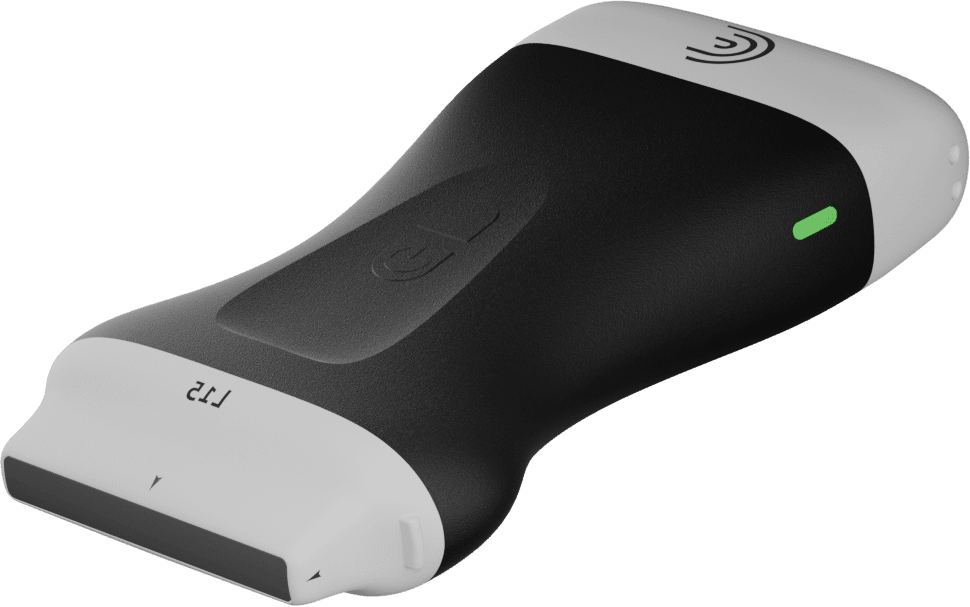
Ultrasound researchers have long had to choose. Cart-based systems come with familiar probes, but their data stays locked inside the machine. Open research platforms give you the data, but usually mean new probes, new hardware and a steep learning curve. At IEEE IUS 2026 in Raleigh, Clarius is showing a research offering built so you don’t have to choose.
Visit us at booth #35 from October 4 to 8 to see it in action.
See the Signal, Not Just the Image
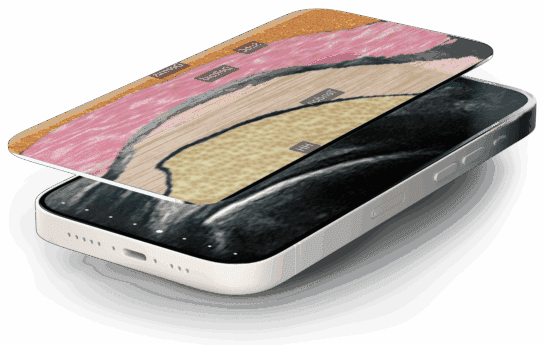
Every ultrasound image starts as raw echo data. Clarius research scanners give you that data directly, as RF and IQ, before it is turned into a picture. That matters if you are developing new ways to form images, training AI models, or measuring tissue properties that a finished image hides.
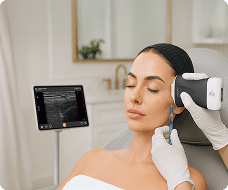
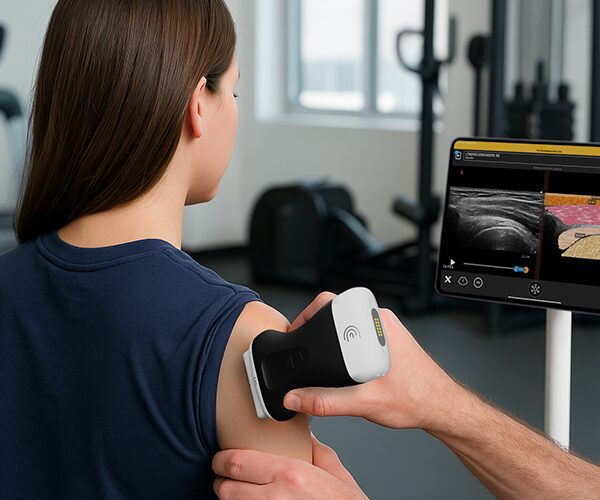
Because the scanner is wireless and handheld, the same research setup works at the bench, at the bedside or in the field.
Texo II: Decide How the Probe Sends and Listens
An ultrasound image is built from a sequence: the pattern of pulses a probe sends and the echoes it listens for. Texo II is Clarius’s sequencing software, and it hands that sequence to the researcher.
Work at the level you need. Describe a whole imaging frame, or go down to individual events and choose which probe elements fire each pulse.
Shape every transmit. Set the pulse shape, focus, frequency, f-number and aperture.
See changes right away. Adjust parameters while imaging, or apply an edited sequence to the probe in one step.
Start from working examples. Included scripts cover B-mode, RF, channel data, color and pulsed-wave Doppler, M-mode, contrast and compounding.
Texo II opens up the same tools Clarius engineers use to tune our own imaging. It first went to select research customers this year, and becomes generally available with Clarius 13.1.
A First Look: Bring Your Own Probe
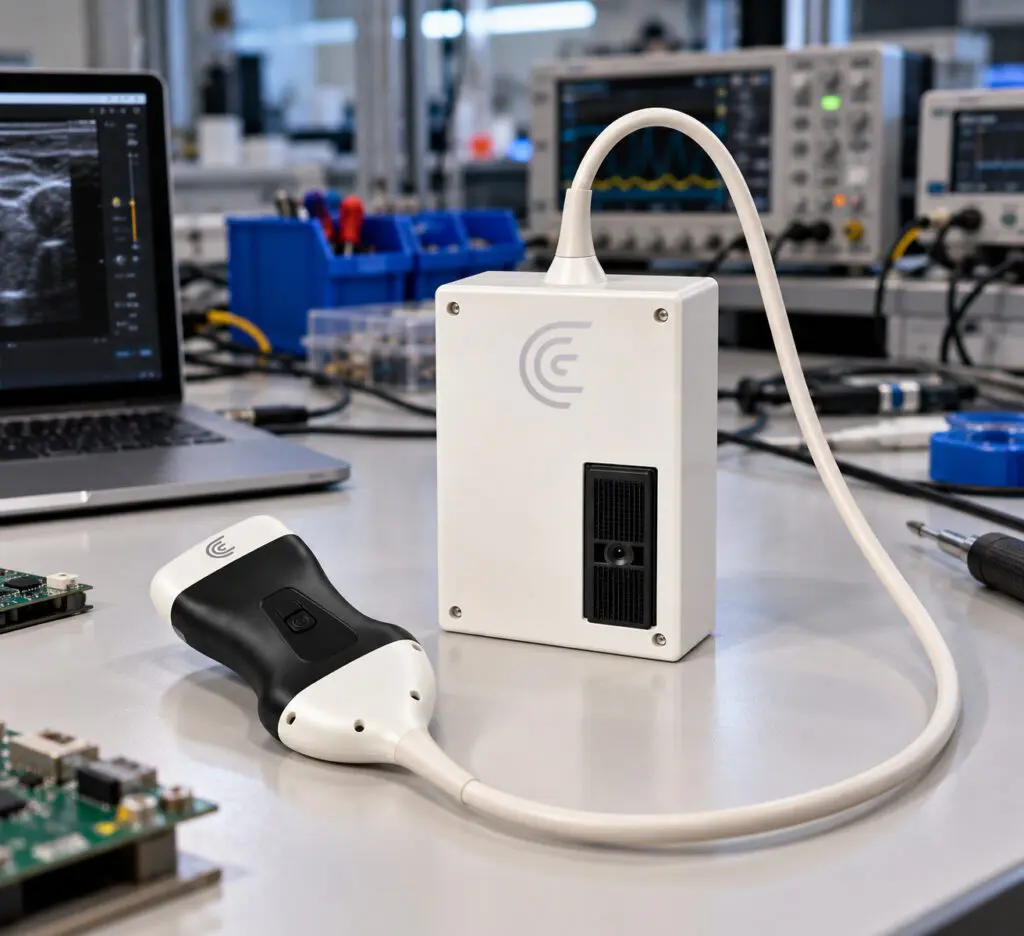
Clarius Research Hardware with ZIF Connector
The highlight at our booth this year is a preview of new Clarius research hardware with a ZIF (zero insertion force) connector. With adapters from Probe Hunter, it connects probes from cart-based and laptop-based ultrasound systems to a Clarius research device running Texo II.
For research labs, that means:
Reuse the probes you already own instead of buying new ones to get open data access.
Compare different probes on one consistent acquisition system.
Get more from existing equipment by pairing it with modern, open data access.
This hardware is being shown ahead of release. Talk to our research team at the booth to see it running and to hear about availability.
Built for Researchers
“Researchers shouldn’t have to give up the probes they know to get at their data. With Texo II and open raw data, the whole imaging chain is in their hands, from the pulse that leaves the probe to the numbers that come back,” said Kris Dickie, CTO at Clarius Mobile Health.
See It Live at IUS 2026
We’ll be running live demonstrations at booth #35 throughout the symposium, including an adapted probe running on a Clarius research device and live sequence editing in Texo II.
救急医療サービスに高解像度のハンディ型超音波診断装置を導入する方法については、クラリウスの専門家にお問い合わせください。ラスベガスで開催される「EMS World Expo」にご参加予定ですか?ブース番号904のクラリウスチームを訪れ、ワイヤレススキャナーを実際に試用していただき、現場でのPOCUS導入モデルについてご相談ください。
同様に、呼吸器症状を訴える患者に対しても、肺超音波検査は従来の聴診器をはるかに凌ぐ診断的有用性を発揮します。研究によると、肺の聴診では急性肺疾患の大部分が見逃されており、その総合感度はわずか37パーセントにとどまっています。一方、ポイント・オブ・ケア超音波検査では、その診断感度が90パーセンタイルにまで向上します。 この臨床的進歩は、『Frontiers in Medicine』誌に掲載された2026年の前向き研究で直接的に浮き彫りになった。この研究では、新規発症の呼吸困難患者に対してハンドヘルド超音波装置を使用したプライマリケア医が、心不全の診断特異度を38.2%から88.2%へと向上させた。