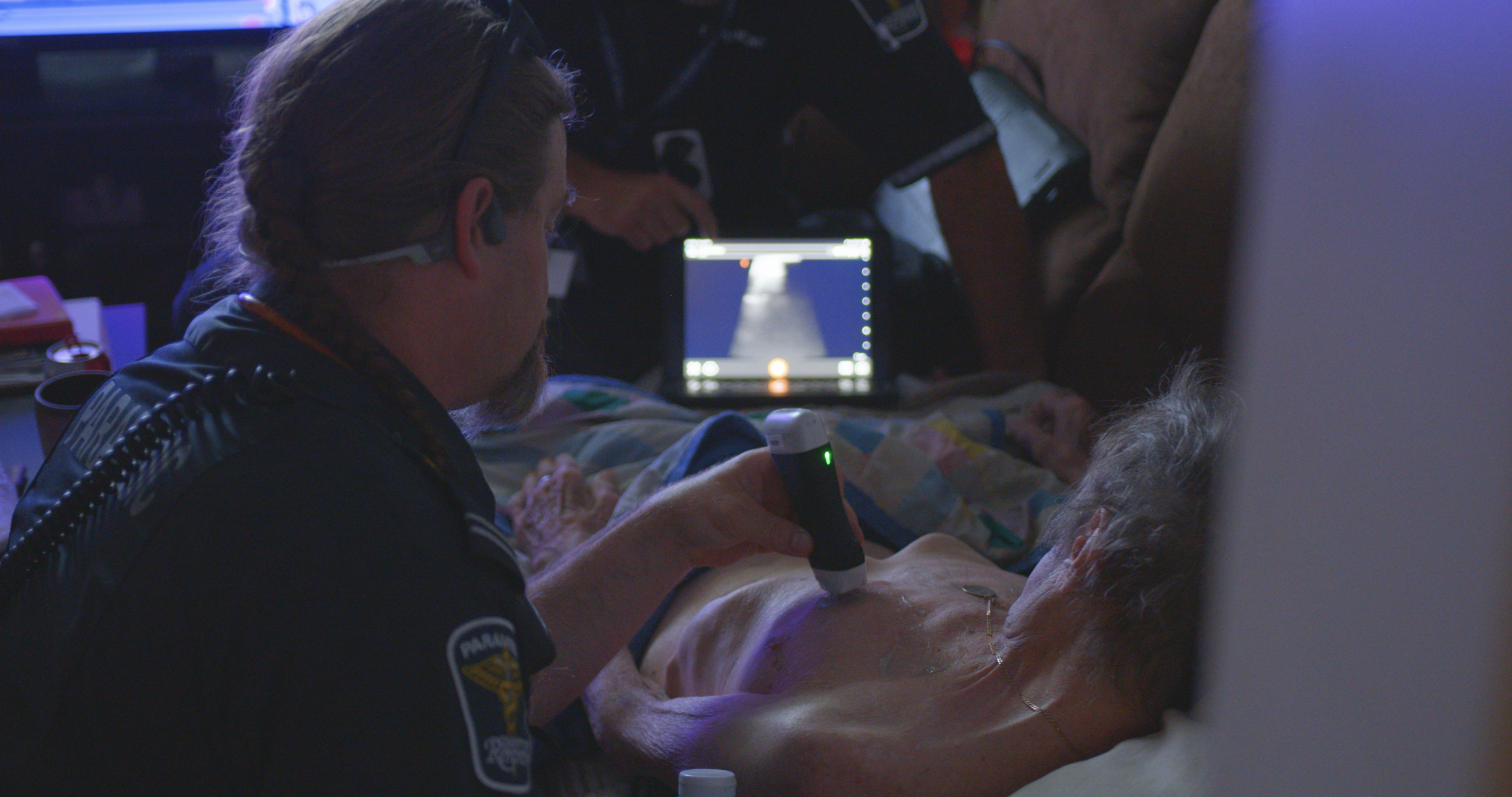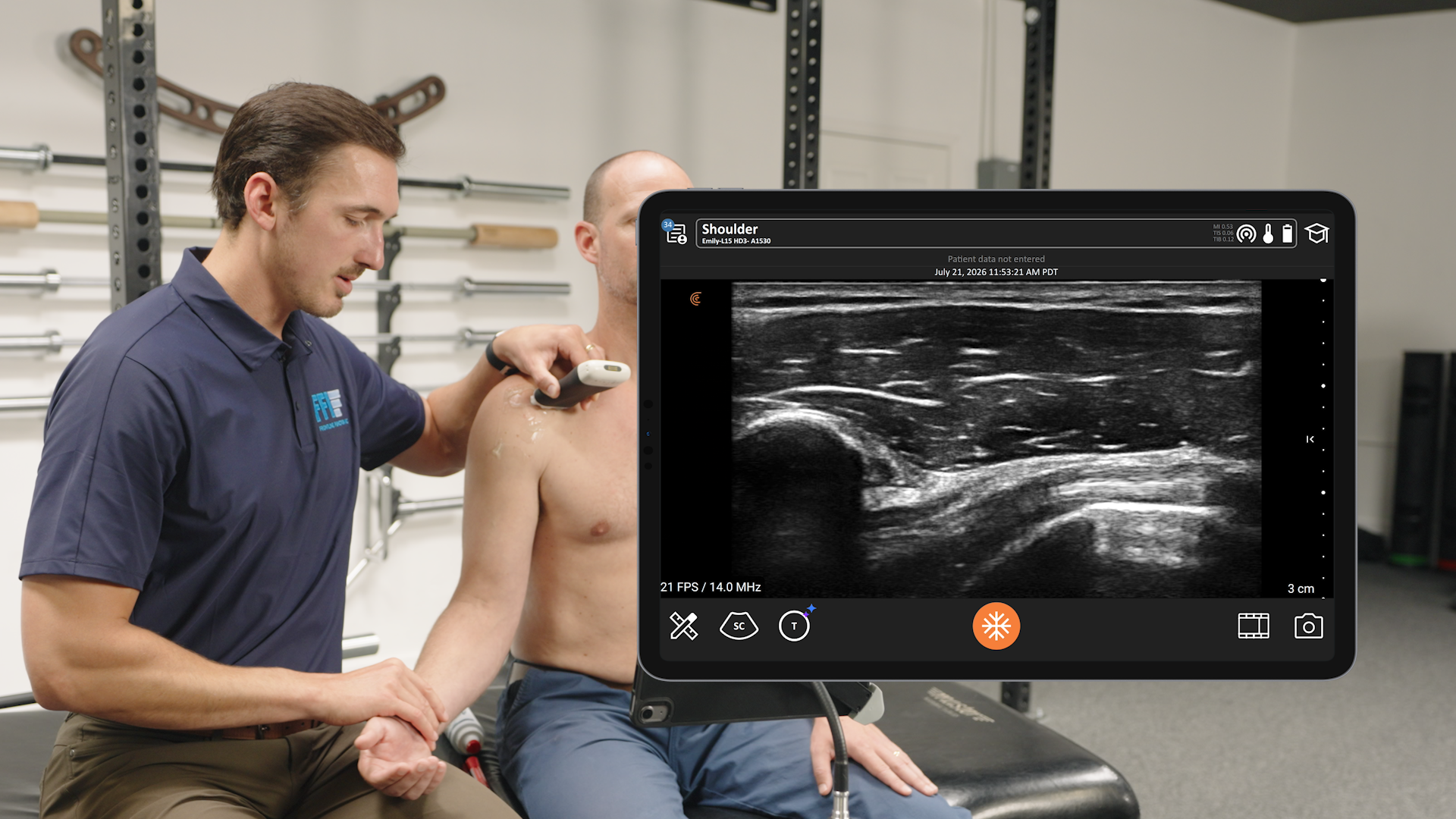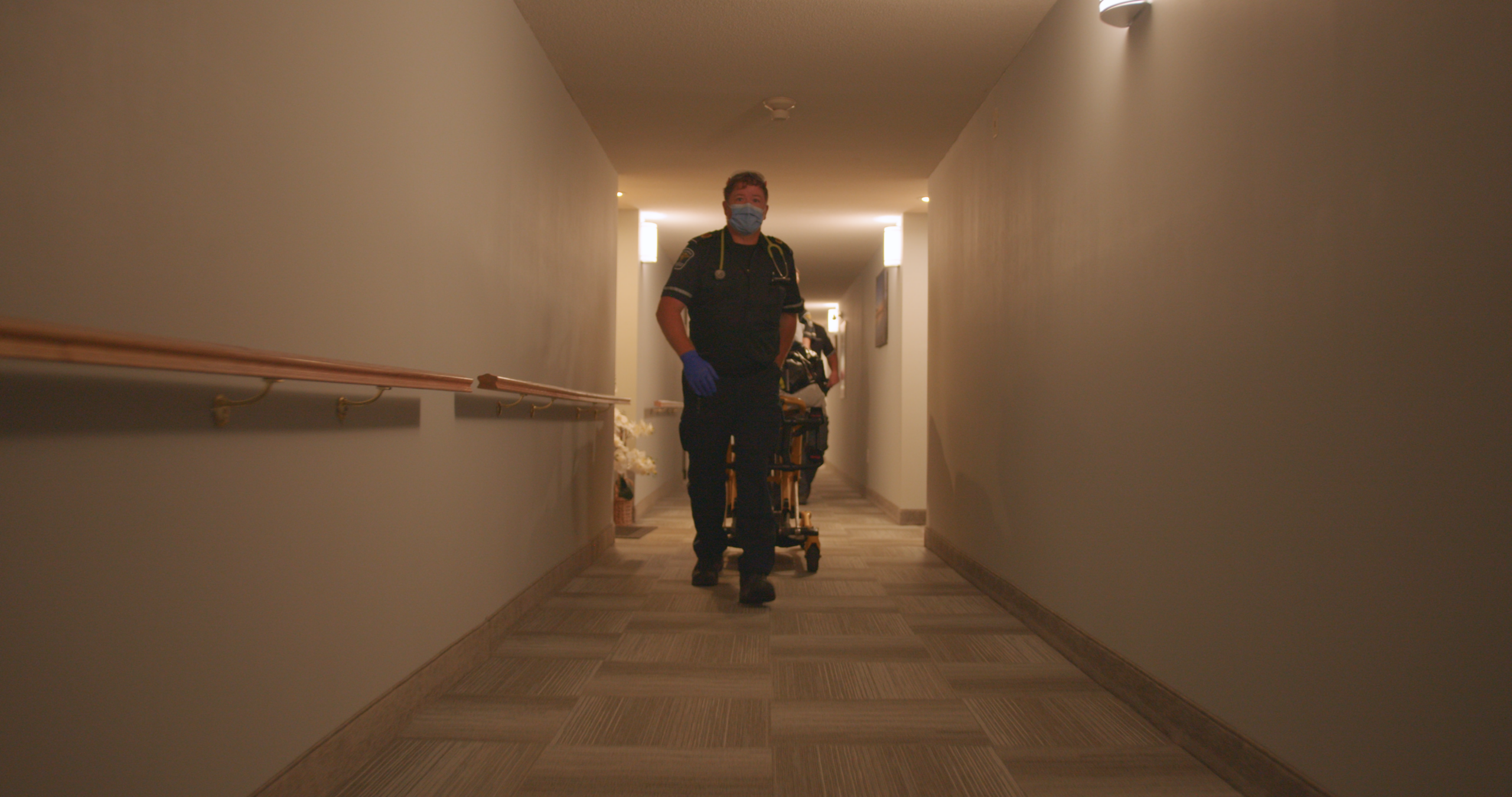



Equipping community paramedics and emergency medical services (EMS) with handheld point-of-care ultrasound (POCUS) is reshaping acute prehospital care in Ontario. When mobile clinicians can evaluate lung pathology, cardiac activity, or fluid status right at the patient’s side in their homes and long-term care (LTC) facilities, time-to-treatment accelerates and avoidable emergency department (ED) transfers drop significantly.
Yet EMS leaders and medical directors launching prehospital POCUS programs frequently encounter the same operational roadblock: clinical skepticism from physicians and hospital partners.
That’s because the standard out-of-hospital model has followed a rigid formula for decades: assess, stabilize, and transport. So when physicians first hear that paramedics are acquiring and interpreting ultrasound images in living rooms and long-term care (LTC) homes, hesitation is natural.
Watch this video to learn how front-line paramedics who deployed Clarius wireless handheld ultrasound machines in their regions, turned clinical skepticism into long-term trust—and how modern AI-guided ultrasound tools are making field competency scalable.
Challenging the “Transport-Only” Assumption by Proving POCUS Competence of Paramedics
Integrating POCUS into paramedicine requires resetting clinical expectations across the regional health network. Most hospital physicians and family practitioners associate paramedics strictly with emergency transit, not frontline diagnostic imaging.
Shannon Koppenhoefer, Advanced Care Paramedic with York Region Paramedic Services, frequently manages these initial physician interactions:
They see paramedic, they think ambulance, they think go to hospital. So, when I tell them that we’re doing this, they’re surprised initially that we’re actually doing it, and that we’re interpreting it, and that we’re accurate at it.
When I show them the results and tell them some of the case studies, some of them are a little hesitant until their first time or two where we’ve gone in, said this is what’s going on, they’ve been skeptical, so they’ve sent them for a chest X-ray, and they get the same results that we had. And you can see it the next time you have a conversation with them.”
Clinicians do not grant trust because of new technology; they grant it when diagnostic findings are consistently reproducible. By repeatedly aligning field ultrasound findings with hospital chest radiography, paramedics proved their bedside assessments deliver dependable, actionable clinical data.
Earning Buy-In for Prehospital POCUS Across the Care Continuum
Clinical buy-in for community medicine is built shift by shift. Communicating actionable, structured findings directly to primary care physicians and residential care teams closed the gap between out-of-hospital assessment and medical management.
Brian Dahn, Advanced Care Paramedic with Region of Durham Paramedic Services, explains the practical shift over time:
When we first started, it was met with some skepticism. But the more we kept giving our reports and proving ourselves, now—18, 19 months later—they’re trusting us and asking for us. Even the doctors are asking for us now, not just the nurse and the PSW.
We’ve even had families say, ‘Can you call them? We don’t want them to go to the hospital; can you call the community medics to come in and assess?’ It seems like we’re winning everyone over.”
Once field competence was established in the region, POCUS moved from an experimental add-on to a sought-after clinical service requested by physicians and patient families alike to treat conditions in place.
Why Clinical Skepticism Strengthens EMS POCUS Programs
Scrutiny from medical leadership and supervising physicians is not a barrier to implementation—it is an essential filter for quality assurance and patient safety according to the team leading the implementation in Ontario.
Wade MacPherson, Deputy Chief of Professional Standards at Haliburton County Paramedic Service, views rigorous inquiry as a prerequisite for clinical maturity:
With any innovation, there’s that diffusion of innovation cycle where early adopters just want to jump on board with a new method, a new toy. We’re lucky in paramedicine that we’ve seen so much clinical maturity that you get a healthy amount of skepticism. That skepticism is really important because we like to be evidence-based in our practice.
The skeptics are going to ask you the challenging questions, and that is crucial. We need to know: Are we going in the right direction with this? Is this making a benefit to patients? The skeptics that ask those hard questions, they’re the ones that will be your best ally when you can show them the evidence that this does work, that this is attainable.”
Rather than bypassing tough questions, successful programs use them to formalize credentialing, standardize medical directives, and establish robust quality assurance (QA) loops.
Accelerating Field Competence with Intelligent Handheld Ultrasound
While clinical diligence drives trust, the ultrasound platform itself determines how quickly paramedics achieve scanning competency. Historically, traditional cart-based machines and steep technical learning curves made wide-scale EMS deployment difficult.
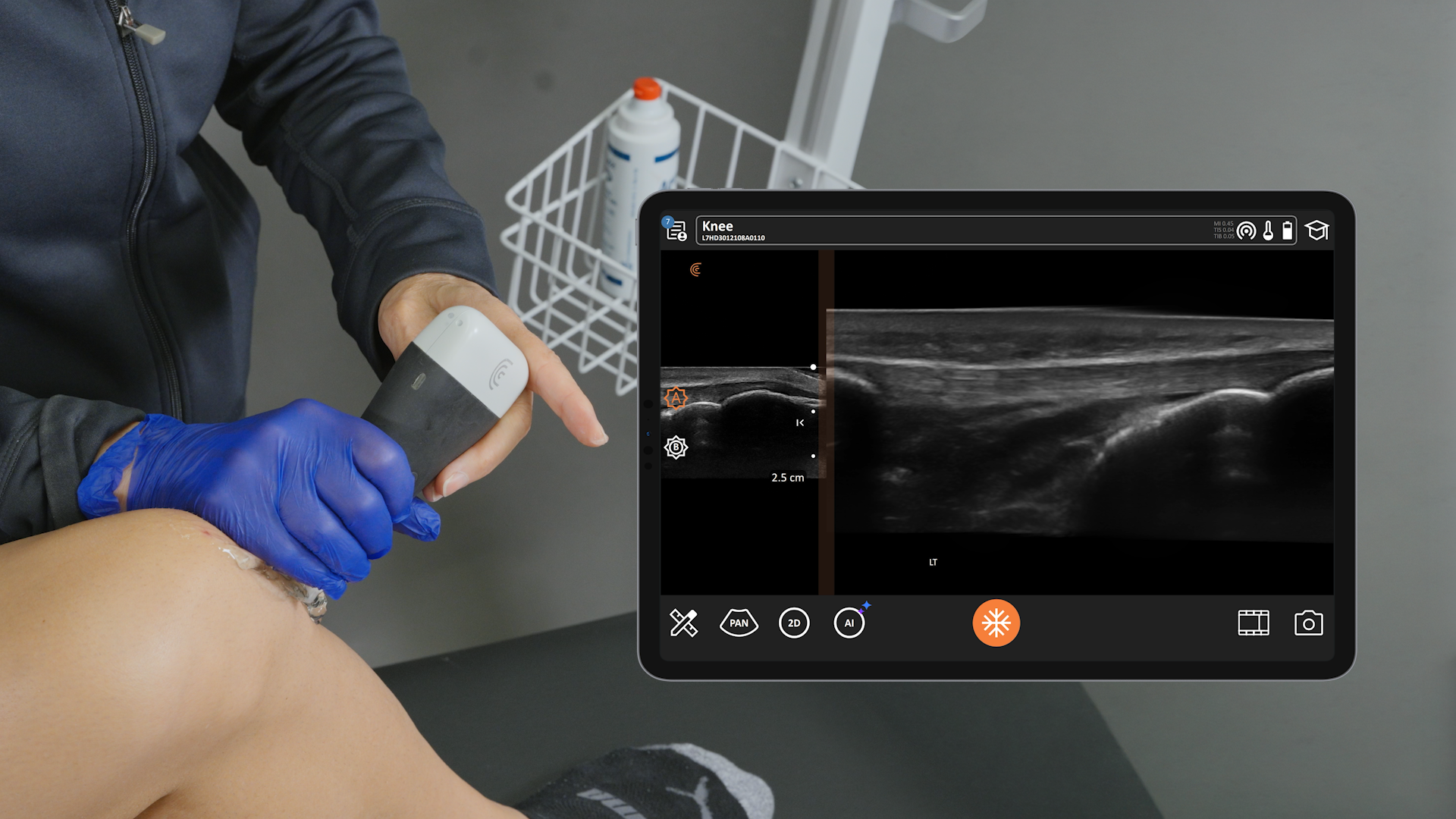
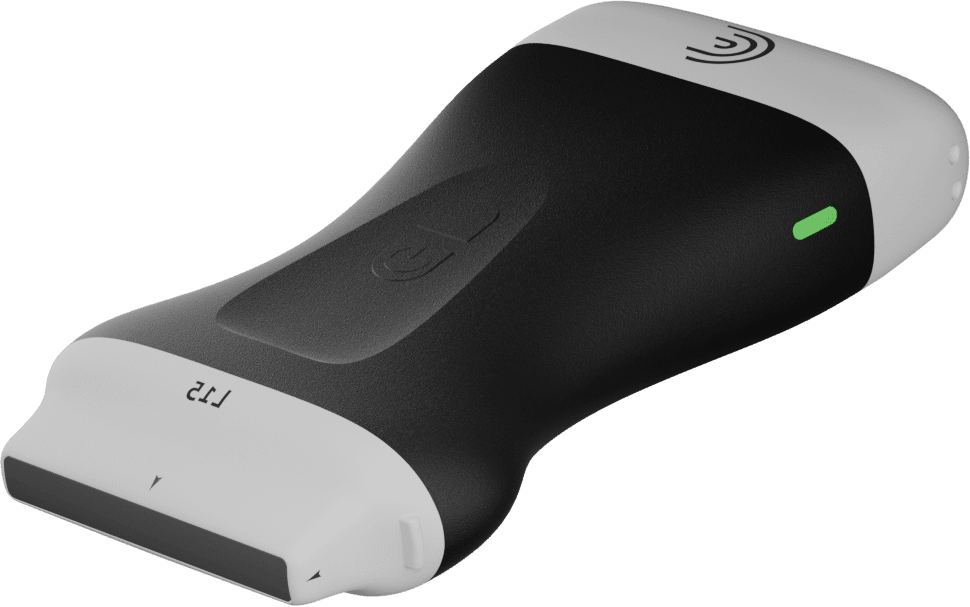
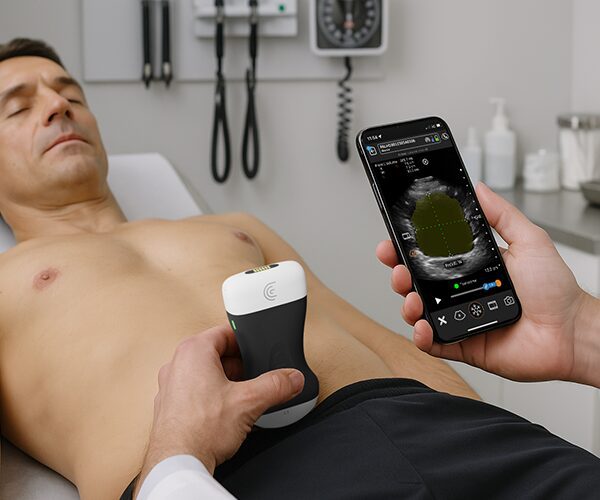
Modern wireless ultrasound platforms like Clarius ultrasound, which is used by paramedics in Ontario, remove these friction points through automated image optimization and artificial intelligence:
- Automated Presets & Image Optimization: Point-and-shoot scanning simplifies acquisition. Intelligent systems automatically adjust gain, depth, and frequency parameters so paramedics can focus immediately on pathology rather than manual knobology.
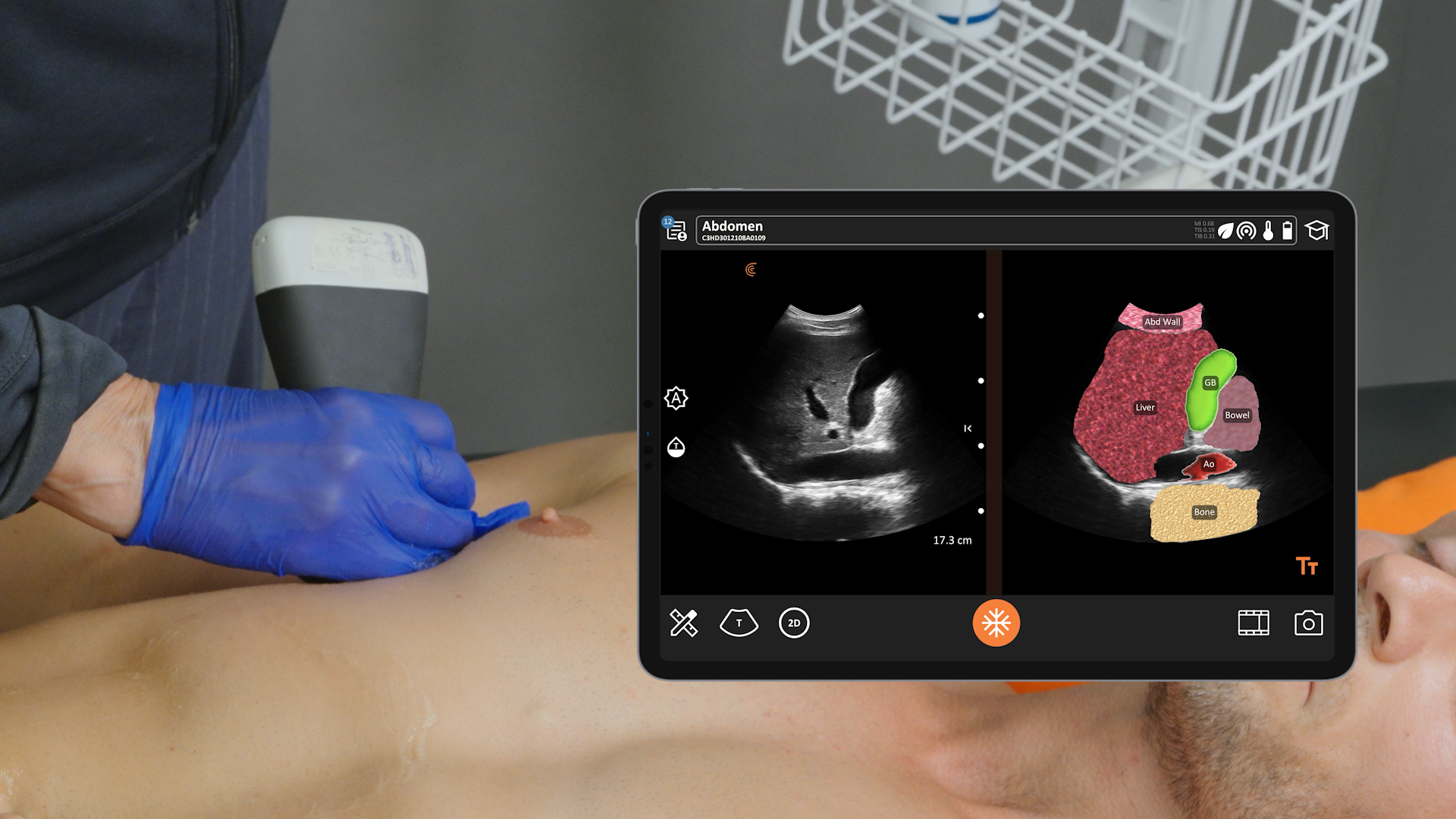
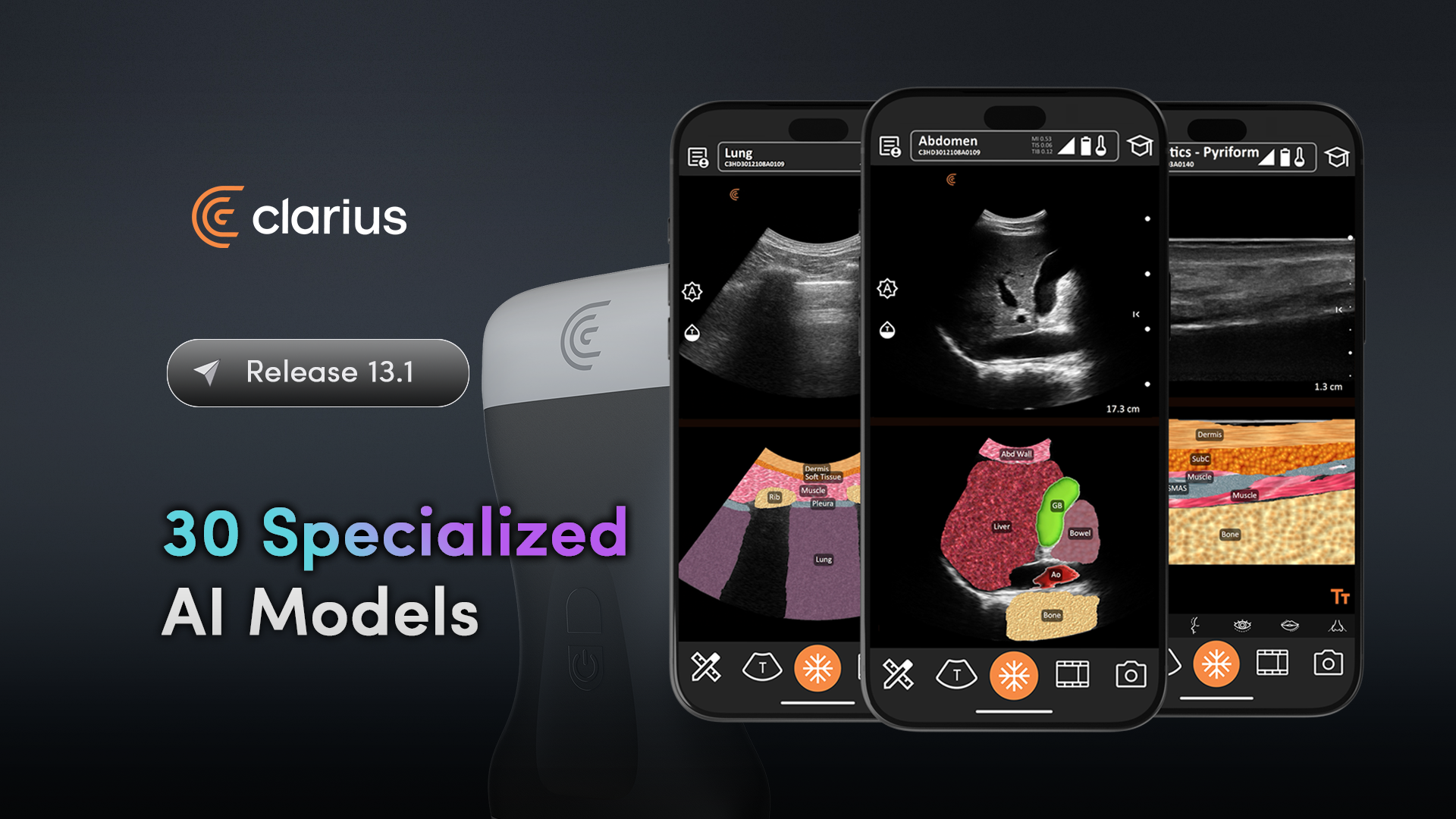
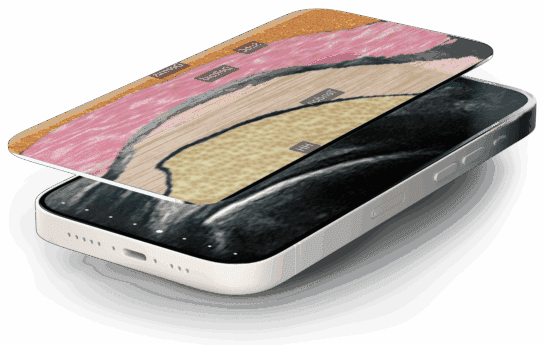
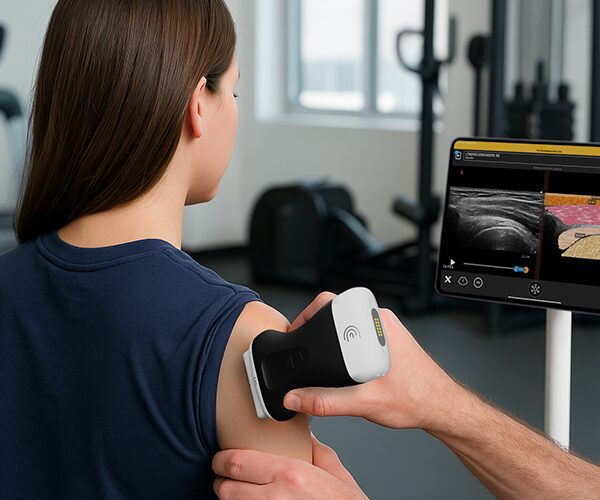
- AI-Assisted Anatomical Recognition: Features like Clarius T-Mode™ AI overlay dynamic visual guides on real-time imaging, highlighting key anatomical structures and tissue layers. This built-in guidance accelerates learner confidence during acute assessments like lung and abdominal examinations.
- Hands-Free Control: Clarius AI voice controls allow paramedics to freeze frames, record clips, and switch modes without breaking sterile technique or putting down the scanner.
- Integrated Cloud QA and Over-Read: Medical directors require clear documentation to maintain delegation. Instant wireless image upload to the secure Clarius Cloud platform makes over-reading, peer review, and compliance auditing seamless across an entire regional service.
Free Webinar: Explore How to Build a Sustainable POCUS Program in Your Community
Watch this practical one-hour webinar featuring Wade MacPherson, Deputy Chief of the Haliburton County Paramedic Service, who will walk through the full lifecycle of implementing a successful POCUS program, from initial planning and governance through clinical integration and long-term sustainability.
Interested in Clarius Ultrasound for Your EMS Service?
Contact a Clarius expert to learn how to bring high-definition handheld ultrasound to your paramedic service.