





FAQ

5 Reasons Clarius is the Ideal Wireless Ultrasound Scanner for MSK Specialists

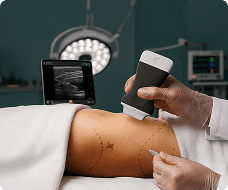
As handheld ultrasound technology has advanced, top orthopedic, pain, and physical therapy experts are choosing wireless ultrasound for accurate diagnosis, dynamic assessment, and precision-guided procedures in their clinics. 

Here we break down six core reasons why the Clarius wireless scanners are often the preferred choice for MSK specialists. 

1. Unmatched High-Definition Clarity for Superficial Anatomy 

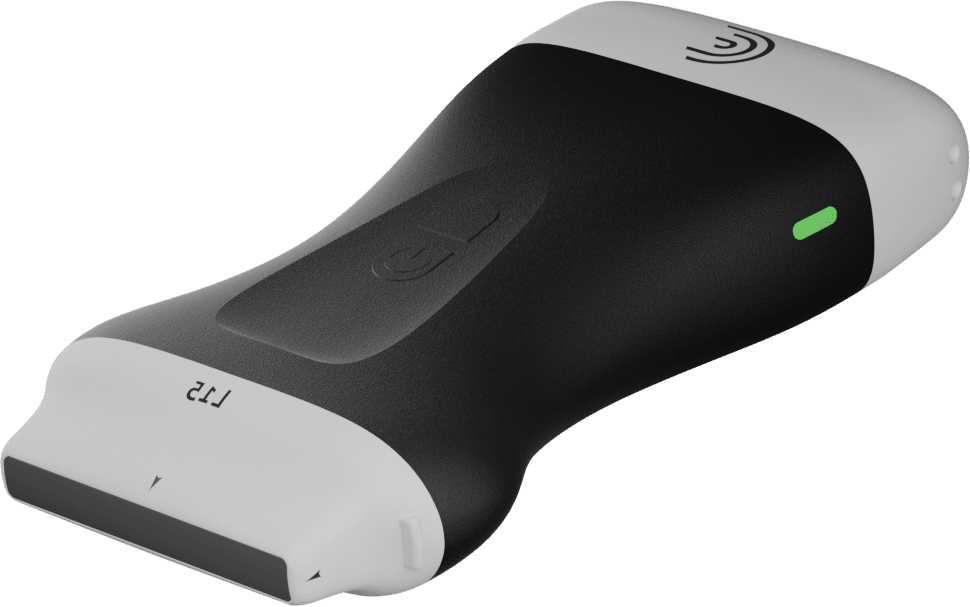
For MSK specialists focusing on tendons, ligaments, nerves, and superficial muscle tears—structures that demand exceptional resolution, the Clarius L15 HD3 is a high-frequency linear scanner specifically designed to deliver high-definition imaging of near-field structures. For deeper tissue and joints, the Clarius L7 HD3 or Clarius C3 HD3 is available. 

  • See the difference: Easily visualize subtle fascicular nerve patterns, track the movement of fine needles during hydrodissection, and accurately grade small soft tissue injuries. 
  • Clinical Confidence: When diagnosing complex conditions, you eliminate guesswork with the highest image quality available in a wireless system. 

Watch this 2minute video to see ultrasound educator Marc Schmitz demonstrate the scanner position and technique to assess the plantar fascia with the Clarius L15 HD3 ultrasound. 

2. Wireless Freedom for Dynamic Exams and Procedures 

The most valuable MSK exams are often dynamic, requiring the patient to move while the transducer stays focused. Cart-based systems can be cumbersome and restrictive. 

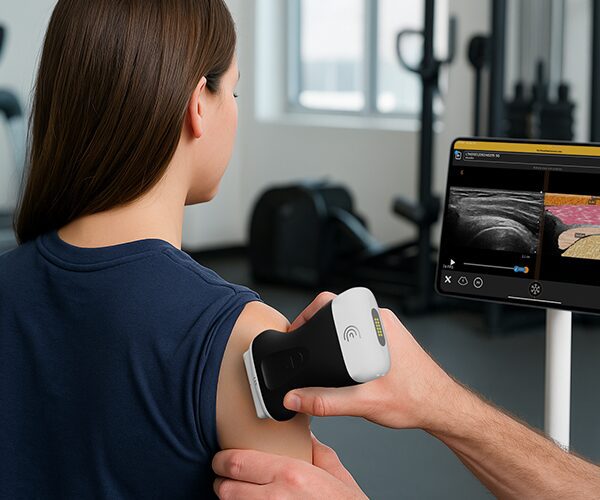
  • Mobility: Clarius scanners operate completely wirelessly, connecting to your tablet or phone. This allows you to perform range-of-motion assessments, examine athletes on the sideline, or use the device seamlessly in a sterile operating room environment without being tethered by cables. 
  • Ergonomics: The compact size is designed for comfort and control, making it easier to hold the transducer and guide your needle simultaneously during injections or biopsies. 

Watch this video to see Dr. Rosenblum efficiently perform and demonstrate a series of cervical injections to treat his patient’s neck and arm pain, and headaches. 

3. Precision Guidance for Targeted Injections and Interventions 

For pain management and orthopedic surgery, accurate needle placement is paramount for effective treatment and avoiding sensitive neurovascular structures.

  • Advanced Features: Leverage features like adaptive gain and image presets designed specifically for MSK and Pain procedures. This clarity helps you precisely target joints, bursa, tendons, or inject hyaluronic acid or biologics with confidence. 
  • Streamlined Workflow: Transition instantly from diagnostic imaging to therapeutic guidance using the same high-performance device. 

Watch this 5-minute video to see Dr. Del Duca demonstrate the complete process for PRP injection into the glenohumeral joint of his patient with shoulder instability. 

4. AI-Powered Guidance for Simplicity and Speed 

Clarius integrates sophisticated Artificial Intelligence (AI) directly into the app, making ultrasound more accessible and faster for everyone—from new users to seasoned experts. 

  • T-Mode: Features like T-Mode for Shoulder and Knee provide visual assistance, helping even novice users recognize layers of anatomy faster, reducing the learning curve significantly. 
  • Automated Efficiency: Specialized AI, including MSK and Median Nerve AI, automatically identifies and highlights key anatomical structures on the screen. This drastically improves workflow efficiency by saving time on manual adjustments and enhancing diagnostic confidence. 

In this 2-minute video, sonographer Shelley Guenther demonstrates T-Mode for ultrasound users learning how to recognize ultrasound anatomy of the anterior knee. 

5. Instant, Secure Collaboration and Documentation 

Modern practice requires fast, secure integration of imaging into patient records. Clarius devices link directly to the Clarius Cloud and your mobile device, transforming your documentation process. 

  • Quick Sharing: Share images or clips instantly and securely with referring physicians or colleagues for consultation. 
  • Data Integration: Easily integrate images into your Electronic Health Record (EHR) with secure, HIPAA/GDPR compliant storage. 

See how to use Clarius Cloud to save, manage, and share your ultrasound images on Clarius Cloud in this brief video. 

Ready to See the Difference? 

See the high-definition difference that MSK specialists are raving about. Request a virtual demonstration today to see how the Clarius L15 HD3 can redefine precision and portability in your practice. 

Get a demo 

See Clarius in Action: Register for a Free Webinar with Live Demonstrations 

Join SonoSkills founder Marc Schmitz, a sonographer and educator specializing in musculoskeletal ultrasound, for an expert-led webinar focused on high-resolution ultrasound of the hip joint and lateral hip region. 

Unmasking Diastasis Recti: How Ultrasound Reveals What Physical Exams Miss

In the practice of plastic surgery, ultrasound has progressed from an experimental novelty for some to an essential tool for safety and precision for many clinicians. While traditional palpation has long been the standard for assessing the abdominal wall, recent studies indicate that relying purely on touch can be misleading, particularly regarding semilunar lines and oblique borders.

During a recent Clarius webinar, Dr. Khanh Nguyen, a plastic and reconstructive surgeon specializing in body contouring, shared his expertise on using high-frequency ultrasound to revolutionize the diagnosis and management of Diastasis Recti (DR). The webinar is now available to watch at your convenience.

In the meantime, below are the key takeaways for surgeons looking to integrate Point-of-Care Ultrasound (POCUS) into their practice.

1. Redefining Abdominal Anatomy for Better Outcomes

Understanding the nuances of the superficial fascia is critical for lipo-sculpting. While classic texts describe two layers (Camper’s and Scarpa’s), Dr. Khanh notes that below the umbilicus, modern anatomical studies reveal three distinct layers:

  • Superficial Adipose Tissue: The variable layer where most fat deposits reside.
  • Scarpa’s Fascia: A thin but strong membranous layer crucial for closing dead space and reducing tension during abdominoplasty.
  • Deep Adipose Tissue: A layer often close to the muscle containing the lymphatics.

Clinical Pearl: Dr. Khanh advises preserving the deep adipose tissue during abdominoplasty. This layer houses the lymphatics; preserving it significantly reduces postoperative drainage and the risk of seroma.

Video: Abdominal Wall Ultrasound Assessment for Body Contouring

In this video, Dr. Khanh performs an ultrasound assessment of a patient’s abdominal wall to enhance his surgical planning.

2. Diastasis Recti: Beyond the Physical Exam

Dr. Khanh defines DR as a linea alba width of more than 2.2 cm at 3 cm above the umbilicus. However, the location of the separation matters as much as the width.

The “Hidden” Upper Separation

One of the most compelling cases presented involved a patient who had previously undergone a “mini-tuck” yet remained unhappy with a protruding upper abdomen.

  • The Misdiagnosis: The previous surgery addressed the lower abdomen but ignored the upper midline.
  • The Ultrasound Find: Ultrasound revealed a large gap (3.2 cm) extending from the xiphoid process, which was missed during the initial procedure.
  • The Lesson: Upper separation is the most common subtype of DR. Repairing only the lower abdomen can actually worsen the upper separation.

VIDEO: Ultrasound Assessment of Diastasis Recti

Dr. Khanh demonstrates his technique for assessing diastasis recti using ultrasound to evaluate the muscles and fat layers of the abdominal wall for diagnosis and pre-surgical planning. Watch this video to learn how to perform a detailed assessment with the Clarius L15 HD3 high-frequency linear scanner.

3. Preoperative Safety: Screening Bariatric Patients

For patients who have undergone massive weight loss or laparoscopic procedures, ultrasound is a non-negotiable safety tool.

  • Port-Site Hernias: Studies suggest the prevalence of port-site hernias in bariatric patients can be as high as 34%. Ultrasound allows you to measure the hernia neck; if it is wider than 2 cm, you may need to prepare mesh for the repair rather than a primary closure.
  • Vascular Mapping: In patients with extreme skin laxity and deflation, major vessels may be more superficial than expected. Dr. Khanh shared a startling case where a patient’s aorta was only 1 cm beneath the skin.
    • Actionable Step: Use ultrasound to map large vessels and apply targeted tumescent fluid to induce vasoconstriction, minimizing intraoperative bleeding.

Webinar Q&A: Addressing Surgeon Concerns

Dr. Khanh responded to questions from the live audience following his webinar presentation. The following are some highlights.

Q: Does using ultrasound add too much time to patient consultations?

“No, actually the contrary… It helps me save time because the patients and I can communicate a lot better.” Showing a patient their anatomy live—explaining that their bulge is visceral fat or muscle separation rather than just subcutaneous fat—streamlines decision-making.

Q: Is ultrasound accurate enough for measurements, or do I need an MRI?

Dr. Khanh is very confident in ultrasound measurements. He typically only orders an MRI for complex secondary (redo) cases or if the separation is unusually severe. For standard cases, ultrasound is sufficient.

Q: Do you need an endoscope to repair the diastasis?

Not always. For a full abdominoplasty (open approach), an endoscope is not needed. However, for patients requesting a “scarless” or mini-incision approach, the endoscope is valuable for determining the extent of plication required.

Click here to watch the full webinar.

Why Clarius is a Popular Choice for Plastic Surgeons Using Handheld Ultrasound

During the webinar, Sonographer Janaye Smith performed a live demonstration showcasing the Clarius L15 HD3, a high-frequency wireless scanner designed for superficial imaging. Here are the top reasons why plastic surgeons, including Dr. Khanh choose it for their practices:

  • Wireless & Zero Footprint: The system is handheld and connects to iOS or Android devices, eliminating bulky carts in the OR and making it easy to sterilize.
  • High-Definition Imaging: It offers image quality that rivals traditional systems at a fraction of the cost (roughly 85% savings).
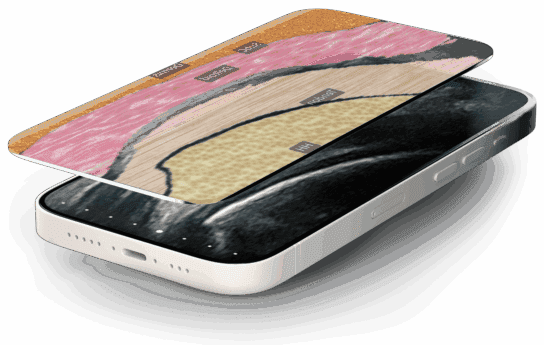
  • T-Mode: A game-changer for education and training. This AI-powered feature provides a split-screen view, overlaying a graphical representation of skin, fat, and muscle layers alongside the grayscale image to help surgeons instantly identify anatomy.
  • Heat Management: The new “Cool Power Fan” allows for extended scanning periods without the device overheating—crucial for complex mapping or teaching.

Ready to elevate your practice?

Ultrasound is no longer just for radiologists. As Dr. Khanh states, “If we have precision, we will have better surgical outcomes”.

Learn more about Clarius ultrasound for plastic surgery. We would be delighted to provide a personalized virtual demonstration at your convenience.

Seven Key Advantages of Clarius Wireless Ultrasound for Veterinary Practice

Clarius wireless ultrasound is revolutionizing veterinary care by offering a highly portable, affordable, and powerful imaging solution. Integrated with intelligent technology, these handheld scanners help veterinary professionals—from seasoned specialists to new graduates—deliver faster, more confident diagnoses right at the animal’s side.

Here are the seven reasons Clarius ultrasound is great for modern veterinary practice:

1. Superior Wireless Portability for Patient Comfort 

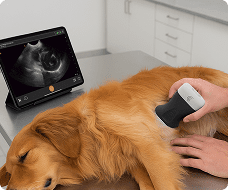
Clarius scanners offer total wireless freedom, which is a significant advantage in a dynamic veterinary setting. The Clarius VET HD3 handheld system allows for easy point-of-care scanning without cumbersome cables or the need to move large, anxious animals to a dedicated imaging suite. This portability enables on-the-spot triage and diagnosis in the most comfortable position for the patient, whether it’s at the cage side, in an exam room, or out in the field for large animal care. 

Dr. Luke Ross from The Aquarium Vet, who appreciates not having to deal with wires when using Clarius ultrasound, states:

Animals don’t like being handled and having a lot of equipment around.”

2. High-Definition Image Quality 

Despite their small size, Clarius scanners are designed to deliver high-resolution images comparable to traditional, high-end cart-based systems. This exceptional image quality is critical for accurate and timely diagnoses, allowing veterinarians to clearly visualize internal structures. 

Dr. Chris Elliott, an Equine Veterinary Sports Medicine and Rehabilitation Specialist, highlights this benefit of using Clarius ultrasound scanners:

Great image quality is at the top of my list of essential requirements for an ultrasound system. It’s important for accurate diagnoses.” 

3. AI-Powered Image Optimization (Clarius Intelligence) 

Every Clarius scanner includes built-in smart technology, powered by AI, that is designed to simplify scanning and enhance accuracy. This Clarius Intelligence automatically optimizes imaging settings, allowing users to capture quality images with minimal manual adjustments. It’s particularly helpful for busy practitioners and new users. 

4. Simplified, Intuitive App-Based Interface 

Clarius operates via a simple, intuitive app on iOS or Android smart devices. The app-based system is designed to streamline workflows, making the ultrasound process feel as easy as using a familiar smartphone camera. Controls like tap-to-switch modes and pinch-to-zoom replace the complex knobs and buttons of traditional systems. 

Angie Lloyd-Jones, CEO and founder of Aspire UK, notes:

It’s intuitive. The interface is quite easy to use. You don’t have a very deep knowledge of ultrasound controls to be able to manage with the Clarius system.” 

Video Demonstration: Diaphragm, Liver, and Gallbladder 

See the Clarius VET HD3 in action in this video with Julie and Angie from Aspire UCS. The veteran sonographers demonstrate techniques for scanning the diaphragm, liver, and gallbladder, as well as what to look for during the ultrasound evaluation. 

5. Increased Affordability 

The cost of entry for a Clarius system is a fraction of the cost of a traditional ultrasound system. This affordability breaks down a major barrier to adoption, enabling more practices, especially new or smaller ones, to bring high-performance ultrasound in-house. This investment can quickly pay for itself by speeding up diagnosis and generating additional revenue. 

According to Dr. Chris Elliott,

If you’re starting out or want your own ultrasound system, Clarius is an absolute no-brainer. It should be the first piece of equipment you buy even when you’re watching your pennies.” 

6. Robust Telemedicine and Cloud Management 

Clarius Cloud provides secure, convenient exam management, allowing users to effortlessly save and manage patient exams. Features like Clarius Live offer instant telemedicine capability, enabling veterinarians to share live scanning feeds with colleagues or specialists via a simple link for a real-time second opinion. This teleradiology option is invaluable for complex cases. 

7. Enhanced Learning with Integrated Tools 

Clarius is designed to support users at every stage of their ultrasound journey. The combination of easy-to-use controls, Clarius Intelligence, and dedicated educational tools makes the learning curve gentler. 

Clarius Features for Mastering Ultrasound (New Users) 

Clarius incorporates several key features specifically designed to help new users quickly build confidence and competence in ultrasound: 

Auto Preset AI for VET: The industry’s first AI tool for veterinary critical care exams that automatically optimizes imaging settings based on the anatomy being scanned. This allows users to follow protocols like the FAST exam efficiently without manual control intervention. Dr. Camilla Edwards notes that this feature is “surprisingly quick at working out where I was on the patient” and helps students avoid common errors. 

Video Demonstration: Clarius Auto Preset AI for VET

Watch this 2-minute video to see Shelley Guenther demonstrate how Auto Preset AI recognizes the anatomy being scanned, and selects the appropriate preset for hands-free image optimization. 

Voice Controls: This feature gives the user a “third hand” by allowing them to adjust settings (like depth or freeze) using only their voice, keeping their hands focused on the patient and the probe. 

Video Demonstration: Voice Controls for Veterinary Ultrasound 

Drs. Boysen and Chaloub make imaging adjustments and capture images without touching the iPad. Voice Controls on the Clarius app allows them to scan hands-free in this 1-minute video

Intuitive Mobile App: The simple, user-friendly interface is modeled after common mobile apps, eliminating the need to learn complex physical controls and allowing new users to “point and shoot” with automated presets. 

Clarius Classroom & Educational Resources: Access to veterinary ultrasound video tutorials and free veterinary webinars from experts helps users hone their skills and expand their diagnostic capabilities beyond basic scanning. 

Watch on-Demand and Register for Free Veterinary Ultrasound Webinars 

We’re pleased to welcome back veterinary ultrasound educators Angie Lloyd-Jones and Julie Burnage to share their Aspire UCS – 8-Step Abdominal Ultrasound Survey Technique for the second part of their webinar series on January 28, 2026.

Missed part 1? Watch the first of their two-part webinar series on demand now: Small Animal Ultrasound: Mastering the Aspire UCS 8-Step Abdominal Ultrasound Survey Technique.  

Clarius Scanner for Companion Animals: Clarius VET HD3 

The Clarius VET HD3 is a dedicated micro-convex scanner designed specifically for small to medium-sized companion animals, making it the most versatile and popular choice for general veterinary practice. 

Feature Clarius VET HD3 Why it’s the Best Choice for GP Vets 
Scanner Type Micro-Convex The convex shape provides a wide field of view for deep abdominal organs (liver, spleen, kidneys, bladder). The micro-convex footprint is smaller, allowing for better contact and maneuverability in the tight spaces of small dogs and cats. 
Frequency Range 3–10 MHz This range is ideal for small animals. The lower frequency (3 MHz) is adequate for penetrating larger canine abdomens, while the higher frequency (up to 10 MHz) is essential for high-resolution imaging of feline and small canine organs. 
Max Depth 18 cm Sufficient depth to visualize all major abdominal structures and perform cardiac assessments on nearly all small animal breeds, from a small cat to a large Labrador. 
Key Applications Abdomen, Cardiac, Lung (POCUS/FAST), Bladder, Obstetrics It is the true multipurpose workhorse for point-of-care ultrasound (POCUS) and general diagnostics in a busy practice. 

To learn more about how you can add wireless ultrasound to your practice, visit our Veterinary Specialty Page or request a personalized virtual ultrasound demo.   
Equipping Future Clinicians with Point-of-Care Ultrasound Skills from Day One

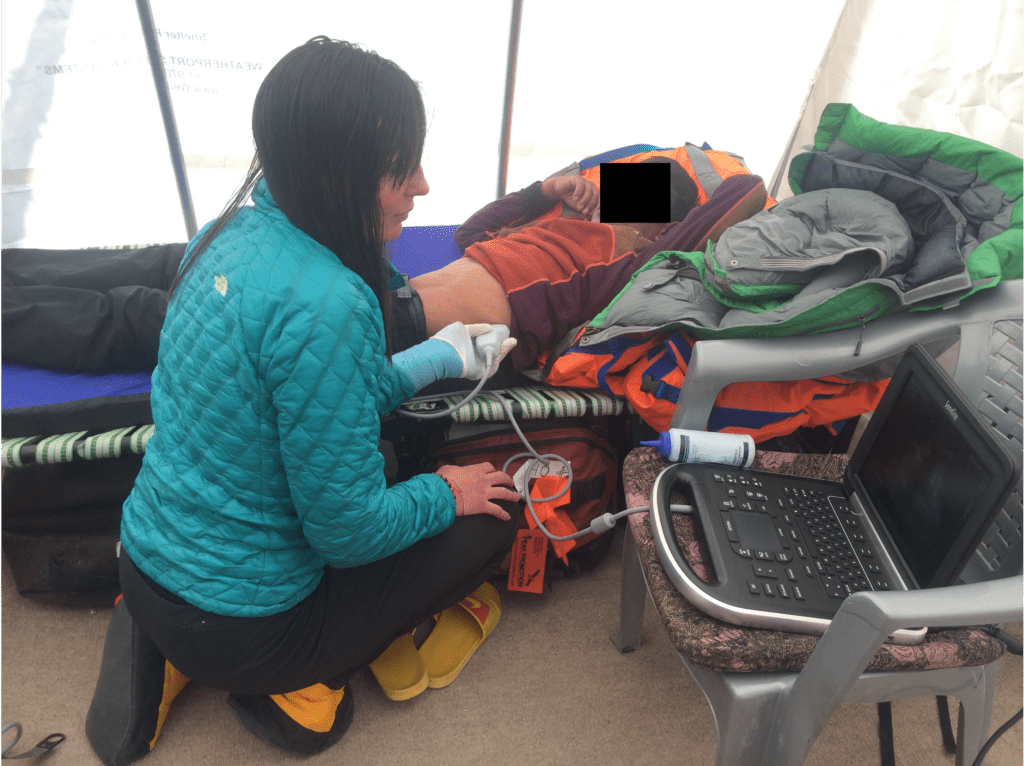
During a recent webinar, physical therapy educators Dr. Mike Voight and Dr. Chris Wolfe of Belmont University discussed their innovative approach to incorporating Clarius wireless ultrasound into their physical therapy curriculum. They provided a behind-the-scenes look at how the university is equipping its students with essential ultrasound skills from the very start of their training. The speakers highlighted the evolving landscape of physical therapy and the increasing importance of diagnostic skills for new graduates. 

The free one-hour webinar is now available to watch on demand: Reimagining MSK Education: Teaching Ultrasound for the Next Generation of Clinicians. Scroll down for key takeaways.

Closing the Training Gap and Overcoming Barriers in Musculoskeletal Ultrasound Education 

Dr. Voight opened the discussion by addressing the significant training gap in musculoskeletal (MSK) ultrasound education in medical and physical therapy programs globally. Citing a recent study, he noted that while 70% of physical therapy programs surveyed said they had ultrasound education, more than 90% of those programs offered less than ten hours of training on the subject. 

The primary barriers identified by a poll of webinar attendees—and echoed by the speakers—were a lack of qualified instructors and limited access to equipment. However, Dr. Voight was optimistic, stating that these barriers are diminishing due to advancements in technology and cost-effective handheld devices. He also announced a new initiative by a group of individuals working with the Ortho Academy, which is the largest academy within the American Physical Therapy Association (APTA), to develop a free, open-source curricular blueprint to help educators incorporate ultrasound into their programs. 

Belmont’s Blended Training Approach 

At Belmont University, Dr. Voight and Dr. Wolfe have integrated MSK ultrasound training into their three-year program’s second-year orthopedic curriculum, dedicating approximately 30 hours to hands-on learning. They emphasize that ultrasound training is not taught in isolation but is seamlessly combined with traditional examination and assessment skills. 

The curriculum uses a blended learning model that combines didactic lectures with active, hands-on practical sessions. Students work in groups, engaging in peer teaching and learning to differentiate between healthy and pathological tissues. Dr. Voight noted that students are surprisingly quick to grasp the process, which he attributes to its direct application of anatomical knowledge. 

Watch this 3-minute video to hear what the students have to say about the hands-on ultrasound training program.

AI-Powered Ultrasound Accelerates Learning 

Referring to Clarius T-Mode as a “game-changer” in helping students with image interpretation, Dr. Voight was enthusiastic about using Clarius AI-powered tools to shorten the ultrasound learning curve.

As demonstrated by webinar host Shelly Gunther, T-Mode provides a real-time, labeled graphical overlay of anatomical structures on the ultrasound image. This feature makes the initial learning process much less intimidating for students. As one resident explained in a video clip filmed during training at Belmont, T-Mode technology allows students to “learn it a lot faster” and get immediate confirmation of the structures they are viewing, decreasing their reliance on professors for verification. 

Watch this video to see how T-Mode works.

Elevating Clinical Practice 

The integration of ultrasound training is not just an academic exercise; it has a direct and powerful impact on clinical practice. Dr. Wolfe, who also maintains a clinical practice, shared how ultrasound provides a more holistic view for clinicians and enhances patient care. It helps to increase patient buy-in and compliance by visually demonstrating the severity of an injury, treatment progress, or the accuracy of needle placement during procedures like dry needling.

Watch this 2-minute video to see Dr. James Escaloni demonstrate his technique for accurate dry needling of the quadriceps tendon insertion onto the patella using the Clarius L15 HD3 high-frequency linear scanner.

Highlights from the Webinar Q&A 

Question: What are the biggest challenges with integrating ultrasound into MSK education? 

Answer: A pre-webinar poll revealed that the biggest challenges are limited training opportunities and a lack of access to ultrasound equipment. Dr. Michael Voight added that a survey of physical therapy programs found that a lack of qualified instructors and equipment costs were the primary barriers. 

Question: Is there evidence to support the use of ultrasound in a physiotherapy clinic? 

Answer: Yes, there is a large amount of easily accessible literature and research on scanning, sonography, and normative data for tissue pathologies. 

Question: How do Dr. Voight and Dr. Wolfe use ultrasound in clinical practice? 

Answer: Dr. Michael Voight’s clinical practice focuses on hip preservation, and he uses ultrasound daily in his hip clinic, noting that it has reduced the reliance on other imaging tools like MRIs.

Dr. Chris Wolfe primarily uses ultrasound for the hip (anterior, lateral, and posterior) for both assessment and treatment. For the spine, he uses it mainly for identifying the multifidus muscle in the cervical and lumbar spine. He also teaches safety measures during dry needling courses. 

Question: Which Clarius model is best for hip ultrasound exams? 

Answer: The Clarius C3 curvilinear scanner is recommended for imaging the hip because it provides greater depth. However, Clarius L7 linear scanner can also provide good images, depending on the patient’s size and the desired field of view. 

Curious About Clarius MSK Ultrasound for Your Institution or Practice?

If we’ve piqued your interest in discovering whether Clarius ultrasound is right for your practice or teaching institution, we invite you to book a virtual demonstration. We’ll be delighted to show you why Clarius ultrasound is the leading choice of handheld ultrasound for discerning clinicians.

Dr. MJ’s Expert Ultrasound Guide for Safer and More Effective Lip Fillers

Lip augmentation remains a staple in aesthetic medicine for men and women. But concerns over complications—particularly vascular events—are on the rise. Renowned medical aesthetic expert Dr. MJ Rowland-Warmann, founder and lead clinician at Smileworks in Liverpool, advocates for the use of ultrasound as the “most groundbreaking development in aesthetic medicine since the innovation of filler.”

Our free on-demand webinar with Dr. MJ on ultrasound-guided lip fillers is popular among aesthetic physicians interested in learning safer techniques for lip augmentation. We invite you to watch it at your convenience. Scroll on for clinical highlights and Dr. MJ’s detailed video demonstrations.

Beyond Blind Injection: Mastering Lip Fillers with Ultrasound Guidance

Ultrasound is known to provide essential information about sub-dermal anatomy, enabling practitioners to avoid the labial arteries and plan safer, more predictable injections. We’ve compiled this article as a guide to Dr. Rowland-Warmann’s expert techniques, providing details on how to utilize ultrasound for safer and more effective lip augmentation.

Dr. MJ integrates ultrasound throughout the filler process—before, during, and after treatment.

  • Pre-treatment: To identify high-risk anatomy, such as the variable positions of the labial arteries.
  • During treatment: Using real-time guidance to precisely place filler, ensuring it is away from critical vascular structures.
  • Post-treatment: Checking filler positioning, monitoring product over time, and reassuring the patient of a job well done.
  • Complication Management: It is revolutionary for the diagnosis and management of aesthetic complications, allowing for quick and effective resolution.

Essential Scanning: Finding the Labial Arteries and Filler

Understanding lip anatomy is paramount, as the placement and course of the labial arteries are highly variable.

Dr. MJ’s Go-To Scanning Technique

Dr. Rowland-Warmann’s favorite technique for a quick, efficient assessment is the vertical transducer angulation.

  • This view provides the best overview of the relationship between the lip layers and the arteries.
  • Scan the lateral and central parts in each quadrant (upper and lower lip) to get the necessary overview.
  • Assessing in cross-section determines the vessel location and depth, which informs the injection technique.

Key Anatomical Insights

  • Lip Layers: External to internal, the lip has five tissue layers: skin, subcutaneous fat, orbicularis oris, submucosal fat, and oral mucosa.
  • Target Layer: The aim for lip filler is the subcutaneous layer of the dry red lip (vermilion). The recommendation is to inject subcutaneously with a depth of no more than three millimeters.
  • Artery Location Variability: Studies show that labial arteries can be submucosal (most common, e.g., 58.5% in one study), intramuscular (e.g., 36.2%), or subcutaneous (e.g., 5.3%).
  • Identifying Filler: Hyaluronic acid (HA) filler in B-mode appears as anechoic (black) oval deposits, sometimes exhibiting posterior acoustic enhancement (little white saucer shapes deep to the structure).
  • Differentiating Filler from Vessels: HA filler deposits do not exhibit flow when Color Doppler is applied, which helps to distinguish them from vessels.

Video: Vessel Mapping in the Lips

Watch this video to see how Dr. MJ Rowland-Warmann confirms the position and course of the labial arteries in the lips using the Clarius L20 HD3.

Planning the Injection: Needle vs. Cannula

The location of the labial artery determines the safest injection method.

Artery LocationRecommended Injection ToolRationale
Submucosal PlaneNeedleSafe to inject superficially in the subcutaneous plane, away from the artery. Dr. MJ uses a subcutaneous linear threading technique for precision.
Subcutaneous PlaneGuided Cannula ApproachThis is the exception (around 5% incidence). Direct visualization is key to avoid vessel injury.

Safety Alert: Techniques that involve inserting a needle perpendicular to the vermilion border (like vertical strands or ‘Russian lips’) significantly increase the risk of vascular adverse events due to the needle tip’s proximity to the labial artery.

4-Minute Video: Ultrasound-Guided Lip Filler Treatment

In this video, Dr. MJ provides an overview of the tissue layers of the lip, including the identification of vascularity and existing filler, before guiding her needle to dissolve HA filler deposits. She uses her Clarius L20 HD3.

Fixing Complications: Guided Dissolving

When filler is in the wrong place, such as in cases of filler spread, the most effective solution is to dissolve it and start again.

  • Unguided vs. Guided: Ultrasound-guided hyaluronidase deployment is far superior, resulting in improvement in 100% of cases (compared to 7.7% for unguided) in the management of vascular adverse events.
  • Benefits: Guided dissolving utilizes less hyaluronidase, is more precise, and results in quicker improvement.
  • Technique: Dr. Rowland-Warmann uses an in-plane technique (needle in line with the transducer) to guide a needle (often 27 gauge) directly to the HA deposit and inject a small, targeted amount of hyaluronidase.
  • Hypervascularity: Lips with a lot of previous filler often exhibit hypervascularity (increased blood flow and vessel proliferation) on Doppler, which is an irritant effect of the filler on the vessels.

Why Clarius Ultrasound is a Popular Choice for Aesthetic Physicians

The miniaturization and reduced cost of handheld ultrasound devices are making high-quality ultrasound scanning accessible to aesthetic professionals.

The Clarius L20 HD3 is the world’s only ultra-high-frequency (8–20 MHz) wireless scanner with specialized software for aesthetics, providing high-resolution superficial imaging up to a 4 cm depth, ideal for facial anatomy.

Clarius Intelligence Features:

  • T-Mode: Automatically colors in tissues to distinguish layers (like fat and muscle) and provides on-screen anatomical labels, making it easier to distinguish and learn ultrasound anatomy.
    • Vessel Depth AI and aesthetic presets further automate workflows and optimize imaging parameters.
    • Needle Enhance: Boosts confidence and accuracy by providing clear visualization of the needle during procedures.

Portability and Ease of Use: The scanner is ultra-portable, wireless, and works with an easy-to-use app for iOS and Android devices, streamlining workflows with simple controls and automatically delivering optimal imaging.

Clinical Efficacy: An independent study at the University of Southern California ranked the Clarius L20 HD3 as having the highest image quality for filler and orbital imaging among several point-of-care ultrasound devices.

Learn more about Clarius AI-powered ultrasound on the aesthetics specialty page. Or contact us for a personalized virtual demonstration.  

About Dr. MJ Rowland-Warmann

Dr. MJ Rowland-Warmann is the founder of the Smileworks Aesthetic Training HUB, which offers both Foundation and Advanced Facial Ultrasound Training courses. These courses combine CPD-accredited online learning modules with intimate, hands-on training sessions to help experienced injectors integrate ultrasound, refine their precision, and manage complications with greater confidence and control.

7 Reasons to Choose the Smarter, More Sustainable Handheld Ultrasound

If you’re currently using a competitive handheld ultrasound system, you may be facing the frustrating reality of losing critical support or watching your device become obsolete. Having an ultrasound system that is no longer updated or guaranteed for service is more than an inconvenience—it’s a risk to your practice and your investment.

Since 2016, Clarius has been built on the promise of “Confidence That Lasts,” delivering clarity, reliability, and continuous innovation that will empower your clinical practice for years to come. More than 35,000 clinicians in 70+ countries use Clarius handheld ultrasound.

Here are 7 compelling reasons why now is the perfect time to make the switch to Clarius, including some comments from our users.

1. Confidence That Lasts: Unrivaled Longevity and Support

Some handheld systems leave you with an outdated device once the next model is released. Not Clarius. Our commitment to your investment is unmatched.

  • Proven Longevity: Every single Clarius scanner manufactured since 2016 remains fully supported. This means no forced obsolescence and no fear of losing critical functionality or technical assistance. Thanks to nine years of uninterrupted service, there are still 3000 first-generation scanners actively in use.
  • Reliable Investment: Unlike a device with an expiration date, regular software and AI updates keep your Clarius scanner evolving over time. Software and app releases are issued approximately every three months.

User perspective: David Rosenblum, MD, Pain Management

Dr. David Rosenblum is the Director of Pain Management at Maimonides Medical Center in New York. He has been a Clarius user since 2017 and freely discusses how the device has positively impacted his pain management practice and educational activities.

It’s a great ultrasound. I really like using it. I love how portable it is because I take it from my Brooklyn to Great Neck practice and back. I travel with it to conferences or courses. I’m doing a series of webinars in which I am using this product, most of the time. And I’m creating a lot of good content for the pain management doctors who want to learn ultrasound. It has accelerated educational activities dramatically and has helped me communicate with other physicians and to teach them.

The third-generation Clarius is amazing. I mean, it’s light, it’s small and it’s easier to handle when performing a procedure. It connects seamlessly. It’s probably faster than the previous generations and has a great picture with great features. It is like the size of my cellphone, so I can easily fit it in my pocket. It’s also very intuitive and comfortable to hold.”

2. High-Definition Image Quality: See More, Miss Less

Your diagnostic confidence hinges on image quality. Clarius offers high-definition imaging that rivals cart-based systems, providing the clarity required for accurate diagnosis and precise guidance.

  • See Fine Detail: In various clinical studies of aesthetic applications, Clarius scanners have been rated #1 for high-definition image quality, allowing clinicians to visualize fine detail and anatomy with superior resolution.
  • Performance on Par with Compacts: With advanced technology, such as eight beamformers (compared to one or two in many handhelds), Clarius delivers the performance of a compact system in a pocket-sized form factor.

User Perspective: MJ Rowland-Warmann, BSc, BDS, MSc, Aes.Med., PGDip, Endod., PGCert, MJDF, RCS (Eng)

A former dentist, Dr. MJ Rowland-Warmann, now performs aesthetic procedures for her patients using the Clarius L20 HD3. She often helps referred patients suffering from complications related to aesthetic procedures and teaches colleagues how to use ultrasound. She is the clinical director at the SmileWorks Hub, a dental and aesthetic clinic in Liverpool, United Kingdom.

Clarius sits in a league of its own and that’s a good thing,” she says. “We have this accessible device that can be used in aesthetic medicine to improve safety for patients. This tiny machine has phenomenal processing power and image quality and when you combine it with external displays, like an iPad or an iPad Pro, Clarius is so close to the conventional cart-based systems. Yet it’s in a lower price league so aesthetic practitioners can easily incorporate it in their practices.”

3. Future-Proof Innovation with Continuous Updates

Stop worrying about your device becoming obsolete. Clarius protects your investment with a cycle of continuous improvement.

  • Ongoing Software and AI Updates: We provide software and AI updates every few months, ensuring your system always has the latest features, bug fixes, and performance enhancements. Your scanner gets smarter over time.
  • Since 2016, Clarius has released 12+ major app versions (1.0 → 12.3) introducing new imaging modes and Clarius Intelligence modules (e.g., OB AI, MSK AI, Prostate AI), that are backwards compatible with all hardware models.

User Perspective: Dr. Hani Mikhail, Rural Medicine / Critical Care

There’s no doubt that Dr. Hani Mikhail, who practices critical care medicine in Toowoomba, Australia, is an early adopter of new portable ultrasound technology. We were delighted by his unrestrained enthusiasm for the Clarius PAL HD3 dual-array wireless ultrasound scanner.  

I believe Clarius, in particular is a real global leader in this space. They have dedicated themselves to high quality portable probes with zero compromises.

The software feature set genuinely makes my mouth water and regular AI integration updates improving ease-of-use. This is all packed into a handheld package that you can carry around in your pocket – it’s hard to understate it. It’s insane.

For a long time, I was struggling to find any portable ultrasound that would allow me to simply trace VTI curves on Pulse Wave Doppler. Clarius was the only one I could find. But they push it so much further. For instance, their auto preset feature, automatically switches imaging presets based on AI interpretation of the window. It allows me to seamlessly perform a time critical scan when it matters without fiddling around with settings – moving between a high-resolution linear preset for lung ultrasound, to high frame rate phase array preset for echocardiography – all automatically as I move my probe. And it keeps going. The software is incredibly advanced for those who take the time to explore it. Voice controls. Vessel tracking. Tissue annotation. Chroma filters. Even elastography? For someone who is always pushing the limits of what ultrasound can tell me, it’s a dream come true and in a class of its own.”  

4. Smarter Scanning with Clarius Intelligence

Clarius Intelligence tools automate key measurements and optimize imaging workflows, helping clinicians achieve accurate results more efficiently.

  • Simplified Workflows: AI automatically optimizes imaging settings, adjusts gain, and provides specialized presets tailored to your clinical application.
  • Voice Controls (Exclusive to Clarius): For procedures requiring a sterile field, Voice Controls lets you adjust depth, gain, and modes hands-free, which is a unique feature that many competitive systems lack.

User Perspective: Dr. Pat Pazmiño, MD, FACS, Plastic Surgery

Dr. Pat Pazmiño is nationally renowned for inventing new procedures that combine the latest techniques in aesthetic surgery with ultrasound, such as the ultraBBL™, for safe Brazilian Butt Lift (BBL) procedures.

One of the strengths of the Clarius system is that it’s not just ultrasound, it’s smart ultrasound. It allows us to go ahead and use that technology to optimize the settings to get the best image possible so that way we can really focus. And I think that’s been one of the big strengths with the Clarius system, that with the artificial intelligence that they use in their software, it helps optimize the image. So that way surgeons, we can really focus on the patient on the procedure and not worry so much about playing with different settings, turning knobs, it really makes it much more effortless.”

5. True Wireless Freedom and Easy Sterility

Say goodbye to tangled wires that compromise your sterile field and limit mobility. Clarius is designed for ultimate flexibility and hygiene.

  • Completely Cable-Free Design: Move easily from patient to patient, room to room, without being tethered to a cart or power outlet.
  • Built to Endure: Clarius scanners are rugged and waterproof (IP67 rated), making them fully immersible and easy to disinfect quickly between patients.

User Perspective: Dr. Gregory Hickman, MD, Anesthesiology/Pain Management

Dr. Hickman is a frequent contributor to Clarius Classroom and has recorded three highly-rated regional anesthesia webinars. While he has numerous conventional ultrasound systems at his disposal at the Andrews Institute, he often carries a Clarius L15 HD3 in his pocket. 

The best thing about the Clarius is it’s pretty simple and very mobile, so I can use it in different areas. I can go quickly to the operating room, do an intraarticular injection in the knee. Then I can go to the recovery room and do a quick superficial cervical plexus block if needed there. I can also take it with me to our physical therapy area for a follow-up after surgery. It’s very easy to hold. You can scan for a good long time and really not get tired because it’s so lightweight and compact.

It just makes it so handy not to be tethered to your probe with a wire. Being free to carry your probe and scan without wires is quite valuable. The ability to just hold the whole scanner in your hand and not having wires falling on the patient, going across their nose or eyes is a great advantage.”

6. Unrestricted Team Use: Unlimited Users

Why pay a separate fee for every team member who needs to use the device? Clarius makes scaling access simple and cost-effective.

  • No Per-Seat Fees: Clarius is designed for team environments, such as clinics and schools. There are no per-user fees, allowing you to share the scanner freely with your colleagues and students.

User Perspective: Chris Wolfe, Physical Therapist and Professor

Physical therapist Chris Wolfe wears three hats. In addition to practicing clinical orthopedic and sports medicine in Nashville, he has been teaching at Belmont University since 2017 and teaches ultrasound workshops for his peers

Clarius has been able to provide not just a portable handheld device, but the highest resolution in that portable device as well. The highest resolution we can provide them makes that job so much easier.

When we’re trying to teach students to understand grayscale for the first time, to help them differentiate pieces of tissue, high resolution imaging makes that job so much easier. They’re able to see the difference of striations, of tendons, which is ligaments versus muscles. When the resolution is poor, everything blends together.”

7. Immediate Savings: Switch and Save Today

If your current provider is signaling a shift in support, don’t wait for your device to fail. Make the switch now and receive a significant incentive.

  • Special Switching Offer: Save 30% when you move to Clarius from a competitive handheld system.
  • Bonus Membership: Enjoy a bonus 1-year Membership with the purchase of a 3-year plan, adding even more value and peace of mind to your new system.

Ready to upgrade your POCUS experience?

Clarius is the trusted choice for clinicians who value reliability, transparency, and lasting performance. It’s the smarter, more sustainable choice for your point-of-care ultrasound needs.

If we’ve piqued your interest in discovering whether Clarius ultrasound is right for your practice or teaching institution, we invite you to book a virtual demonstration. We’ll be delighted to show you why Clarius ultrasound is the leading choice of handheld ultrasound for discerning clinicians.

Why Primary Care Physicians are Using POCUS to Diagnose and Manage Patients

Ultrasound educator and emergency physician Dr. Tatiana Havryliuk is on a mission to help more primary care physicians use point-of-care ultrasound (POCUS) in their practices. That’s because she’s convinced it will “transform the way we practice medicine,” she says. “It would be cheaper. It would be more precise. I also think it would be safer, especially for procedural guidance.”

Watch this 5-minute video with Dr. Havryliuk to learn which diagnostic evaluations are essential for primary care physicians to perform in clinic for faster and more accurate clinical decisions. Scroll down for details and to register for a free webinar.

Top 5 POCUS Assessments for Primary Care

Vascular Assessment: Quickly diagnosing a Deep Vein Thrombosis (DVT), which Dr. Havryliuk notes can be treated right away if ruled in. And saves a patient a trip to the ER and expensive testing if ruled out.

Cardiopulmonary Evaluation: Evaluating for fluid overload in patients with Congestive Heart Failure and managing their diuresis in an outpatient setting to “keep them out of the hospital”. For respiratory complaints, she states that lung ultrasound is “so much better than relying on your physical exam” and can show pneumonia or rule out a pneumothorax with high sensitivity.

Renal and Bladder Scanning: Assessing patients with urinary retention and deciding on immediate management, such as catheter placement. It’s also a “great way to confirm” renal colic by checking for hydronephrosis.

Musculoskeletal (MSK) Exams: Identifying joint effusion is the simplest and most common application, especially in the knee, to determine the need for drainage or evaluate for tears in tendons.

Aorta Screening: POCUS is a beneficial tool in a primary care setting because it allows for immediate action if an aneurysm is found, presenting the potential of “saving a life if you detect it early on”.

Free Webinar: POCUS for Primary Care: Practical Skills for Everyday Practice

To help primary care physicians get started with POCUS, Dr. Havryliuk and her team at Hello Sono offer training and support, including credentialing and implementation, to build high-quality, compliant, and profitable POCUS programs.

We’re excited to collaborate with Dr. Havryliuk on a free 1-hour webinar to introduce primary care providers to the fundamentals of common POCUS applications. Dr. Havryliuk will discuss how point-of-care ultrasound can change the way primary care physicians diagnose and manage patients. You’ll learn:

  • Indications for POCUS in primary care
  • Patient positioning and scanning techniques
  • How to recognize abnormal patterns and avoid pitfalls
  • Clinical impact and practice integration
  • Overview of competency guidelines, implementation strategies, and ROI

Clarius AI-Powered Ultrasound: The Ultimate Stethoscope for Primary Care 

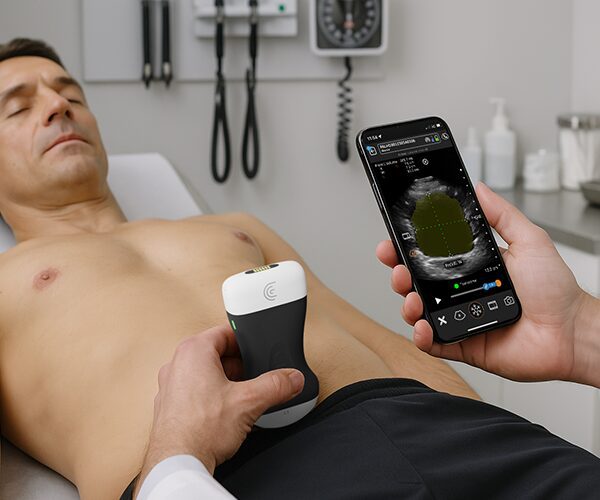
Primary care physicians love the high portability, ease of use, and versatility of the Clarius PAL HD3 scanner for full-body imaging. Powered by AI, it offers automated workflows to scan every major body part – no need to master knobs and buttons! Wireless and pocket-sized, Clarius delivers the high-definition imaging and performance of traditional ultrasound systems for a small fraction of the cost.

Learn more about Clarius for primary care. Contact us for a personal virtual demo if you’d like to discuss which Clarius scanner is right for your practice.

Precision Plastic Surgery: How Dr. Khanh is Taking Body Contouring to the Next Level with Handheld Ultrasound

Dr. Khanh Nguyen, an aesthetic plastic surgeon specializing in body contouring in Ho Chi Minh City, Vietnam, says he is achieving more precise surgical results and significantly improving patient communication since he started integrating handheld ultrasound into his practice.

Watch this 4-minute video to learn how he is using the Clarius L15 handheld ultrasound. Or read on for highlights from our discussion.

Enhanced Patient Outcomes and Safety

Dr. Khanh asserts that using ultrasound across his patients’ journey – during consultations, intra-operatively, and post-operatively – is “critical to the success of my practice”.

Consultation and Education: Ultrasound enables patients to see their underlying anatomy:

Underneath the skin, there are more stories to tell and you can explain the surgical plan more clearly when you can show the patients what you’re looking at and set more realistic expectations,” he explains.

Fat Grafting: During surgery, Dr. Khanh uses the device to increase safety margins and ensure precision, particularly in fat grafting procedures.

I graph a lot of fat, and I want to be precise. Ultrasound helps me identify the plane and make sure that I graft it into the correct plane.”

Using Power Doppler – For patients who have undergone bariatric surgery and lost significant weight, Dr. Khanh uses Power Doppler pre-operatively to locate prominent vessels. He then marks these vessels to guide the application of extra tumescent solution, helping to prevent bleeding.

When you put in fluid under the subcutaneous tissues, you want to be selective,” he says. 

Liposuction and body contouring: For Dr. Khanh, assessing the abdominal wall prior to contouring surgery is critical for identifying issues like diastasis recti (separation of the rectus abdominis muscles). Misdiagnosis, such as performing a “mini abdominoplasty” (correcting only the lower part) and missing upper separation, is a “sin” he avoids, as it can worsen the patient’s shape by increasing intra-abdominal pressure.

Free Webinar: Learn Ultrasound Techniques to Manage Diastasis Recti

Register now for a one-hour webinar featuring plastic surgery ultrasound expert Dr. Khanh Nguyen. You’ll learn practical and repeatable ultrasound techniques that can be applied immediately in your aesthetic surgery practice. Dr. Khanh will present a real pre-operative assessment, surgical case series, and examples of post-operative complications, highlighting the benefits of using wireless ultrasound for his patient assessments. Learn more.

See the Difference with Clarius Ultrasound for Plastic Surgery

Dr. Khanh, who completed his surgical training in Singapore in 2021, brought a Clarius L15 ultrasound back with him to Vietnam. He recently upgraded to the Clarius L15 HD3, which he says is providing “quality of life improvements. I can use my voice to activate and make my workflow a little bit smoother. The portability of the Clarius has been life-changing because I carry it with me everywhere. I have not seen any compromise on image quality in terms of what I’m seeing now versus what I was seeing when I was, you know, doing my residency and having a big, huge machines next to me.”

Learn more about Clarius ultrasound for plastic surgery. We would be delighted to provide a personalized virtual demonstration at your convenience.

Dr. Ravera’s Guide to Safer, More Precise Aesthetic Treatments

The ability to see beneath the skin’s surface non-invasively and in real time, has profoundly transformed the way aesthetic treatments are planned, designed, and performed. Facial ultrasound has emerged as an invaluable tool for clinicians in recent years.  

Dr. Karina Ravera is one of the leading experts in the field of ultrasound-guided facial treatments. An aesthetic radiologist and educator based in Argentina, she brings more than 25 years of experience to her field. Dr. Ravera is also the medical director of UltraSkinUS and director of Derma Academy in Latin America. During a recent one-hour Clarius webinar, Dr. Ravera discussed how high-resolution ultrasound, specifically the Clarius L20 HD3, can help clinicians achieve safer, more precise, and more effective outcomes. The webinar is available now to watch at your convenience. Read on for key takeaways.

The Importance of High-Resolution Ultrasound for Facial Anatomy 

High-resolution ultrasound is the imaging technique that most closely resembles histologic images of the skin, making it the “gold standard for soft tissue assessment,” says Dr. Ravera. By using a linear probe like the Clarius L20 or L15 and applying a soft touch to avoid distorting tissues, clinicians can identify crucial facial structures and layers. This includes the epidermis, dermis, hypodermis, muscles, and bony surfaces. 

Key Clinical Takeaways 

Skin Layer Assessment: The skin is composed of three layers: the hyperechoic epidermis (outer layer), the dermis (intermediate layer rich in collagen and elastin), and the hypodermis (deep layer containing fat globules). These layers appear differently on an ultrasound, with the hypodermis appearing hypoechoic with hyperechoic fibrous septa. The thickness of the skin varies across the face, with the thinnest skin found on the upper eyelid and the thickest on the tip of the nose. 

Vascular Safety: Dr. Ravera emphasizes that anatomical variations in vessels and foramina are the rule, not the exception. “I want to highlight that this area is one of the most dangerous zones in the face, because our patients can become blind. And these arteries or bundles are the most variable in our patients”. Therefore, she adds: “the only way to account for variability is to use imaging, in this case, ultrasound examination”. The foramina appear as an interruption in the hyperechoic line of the bone’s cortex, and a neurovascular bundle will always be found at this site. 

SLEB as a Biomarker: The subepidermal low-amplitude band (SLEB) is a crucial ultrasound biomarker that indicates a functional and structural alteration of the papillary dermis. It appears as a hypoechoic band beneath the epidermis.  

“SLEB is a very important ultrasonography biomarker. It is objective, valid and reproducible”, Dr. Ravera note. “It is useful for assessing skin aging and conditions such as atopic dermatitis, psoriasis, and cutaneous lymphomas.” 

Understanding Fat Compartments: Ultrasound allows clinicians to differentiate between superficial and deep fat compartments, which appear with different echogenicity and mobility on the scan. Dr. Ravera points out that Clarius T-Mode feature is particularly helpful for new users – “it colors and texturize very well the different structures of the temple”. 

In this 2-minute video, Dr. Ravera demonstrates the ultrasound appearance and thickness of the SLEB. The SLEB, or subepidermal low-echogenic band, is thought to be a marker of skin aging.  

Specialized Ultrasound for Safer Procedures and Better Results 

Clarius ultrasound has enabled more aesthetic clinicians to use ultrasound guidance by making high-frequency imaging easy and affordable, with image quality that rivals traditional systems but at a fraction of the cost. The wireless, handheld units are ideal for superficial imaging, providing high-definition views of skin, muscles, vessels, fascia, and foramina. 

Clarius T-Mode is a standout feature. It’s an innovative AI-powered tool that colorizes and texturizes different tissue layers, allowing for quick and easy differentiation. “It really does help,” said Janaye Smith, a sonographer who demonstrated T-Mode in a live scanning session during the webinar. This is particularly useful for distinguishing between muscle and fat, which can look similar in a B-mode scan. 

Watch this 5-minute live demonstration from the Webinar to see T-Mode in action. 

Watch the full webinar to learn more about facial ultrasound anatomy! Visit Clarius Classroom for more short tutorials featuring Dr. Ravera and other aesthetic experts. 

Improve Patient Safety and Procedure Outcomes with Ultra-High-Definition Ultrasound for Facial Aesthetics  

Clarius handheld ultrasound is the leading choice for aesthetics practitioners like Dr. Ravera to clearly visualize facial and superficial anatomy in real-time to safely guide procedures. With exceptional superficial imaging, the new advanced aesthetic protocol, and new T-Mode, the Clarius L20 HD3 is the popular choice for facial aesthetics.  

Learn more about Clarius AI-powered ultrasound on the aesthetics specialty page. Or contact us for a personalized virtual demonstration.  

Using Veterinary POCUS to Navigate Canine Respiratory Distress

In veterinary medicine, trauma cases are a common sight in urban emergency rooms, making up 11% to 13% of all cases. When a canine patient presents with blunt trauma, such as being hit by a car, it’s crucial to quickly identify and address life-threatening injuries. While blunt abdominal injuries account for a significant portion of trauma cases (~45%), thoracic injuries occur in about 50% of these patients, making them a primary concern.

According to Dr. Soren Boysen, DVM, DACVECC, a professor of small animal emergency and critical care at the University of Calgary, a patient that is “unstable” from a respiratory standpoint and has a high heart rate could be “cardiovascularly unstable”. Dr. Serge Chalhoub, DVM, DACVIM (SAIM), an associate professor of internal medicine also at the University of Calgary, agrees, adding that such patients may also be in pain and anxious, working against efforts to help them.

Dr. Boysen and Chalhoub are strong advocates for using point-of-care ultrasound (POCUS) for emergency triage and management of these patients. Their approach is patient-centered and targeted, focusing on the most life-threatening issues first, such as respiratory distress or internal bleeding. Unlike a full physical exam, POCUS is an abbreviated assessment that provides critical information quickly, allowing for immediate intervention. 

During a one-hour Clarius webinar focused on canine trauma that is now available on-demand, Dr. Boysen and Chalhoub explore the applications of POCUS to detect potential thoracic injuries and provide valuable diagnostic information beyond the physical exam. Watch the webinar at your convenience and read on for some key takeaways. 

Common Thoracic Injuries and POCUS Findings 

Dog versus car usually doesn’t bode well for the dog and a patient often presents with respiratory distress and an unstable cardiovascular status. POCUS is highly effective for diagnosing common thoracic pathologies. Here’s what to look for: 

Pulmonary Contusions: These are the most frequent thoracic injury in blunt trauma patients, with an incidence of 58%. On ultrasound, they appear as an increase in B-lines and/or lung consolidation. B-lines are vertical white lines that originate from the pleural line, move in sync with lung sliding, and extend to the far field, often obliterating A-lines. The presence of B-lines at a probe location rules out pneumothorax at that site. The sudden disappearance of B-lines as you scan caudally can be a clue to the presence of a pneumothorax. 

Pneumothorax: Occurring in about 47% of trauma patients, a pneumothorax is a pocket of air between the chest wall and the lung. Ultrasound is much more sensitive than thoracic radiography for detecting small pneumothoraxes. A pneumothorax is ruled out if you observe lung sliding or B-lines. The definitive “rule-in” signs for a pneumothorax are the lung point and an abnormal curtain sign. The abnormal curtain sign can be a “double curtain sign,” where soft tissue appears to break into a region of pneumothorax and then disappear, or an “asynchronous curtain sign,” where the lung and other tissues move in opposite directions during respiration. According to Dr. Boysen, he now diagnoses the majority of pneumothoraxes from an abnormal curtain sign because he finds it easier to assess than lung sliding. 

Watch the webinar for examples of the curtain sign in ultrasound. You can see Drs. Soren Boysen and Serge Chalhoub demonstrate their pleural space and lung ultrasound technique in this 11-minute video

Hemothorax and Diaphragmatic Hernias: Hemothorax (blood in the chest cavity) is less common, found in about 18% of cases, and often involves low-volume bleeds since life-threatening arterial tears typically don’t allow patients to survive long enough to reach a clinic. Hemothorax is identified by anechoic fluid separating the chest wall and the lung. Diaphragmatic hernias are seen in approximately 6% of trauma patients and are often associated with blunt abdominal trauma. They can be diagnosed with ultrasound by visualizing abdominal organs, such as the liver, cranial to the diaphragm. 

In this 4-minute video, Dr. Boysen demonstrates how to perform a thorough 5 point abdominal ultrasound exam in under a minute. 

Rib Fractures: The incidence of rib fractures in trauma patients is about 14%. While historically diagnosed with radiographs, a study showed that ultrasound can be as sensitive as a board-certified radiologist interpreting radiographs for diagnosing rib fractures. A normal rib appears as a smooth white line in a long-axis view. A rib fracture is diagnosed by observing a discontinuity or “step” in the cortex of the rib. 

Key Clinical Takeaways

  • Triage First, Scan Second: The first step is to assess if the patient is stable or unstable. If they are unstable, the goal of POCUS is to quickly identify and address the most immediate life-threatening problem. As Dr. Boysen said, “We’re going to put a point of care ultrasound evaluation. We’re going to use that to assess this patient”. 
  • A “Black and White” Decision: In a patient with respiratory distress and potential bleeding, start with the most life-threatening problem. While some clinicians may choose to start with the abdomen, a patient with significant respiratory distress will likely benefit most from a rapid thoracic assessment. 
  • Protocol-Free Scanning: Use sonographic landmarks rather than memorized rib-counting protocols. Air rises, so in a sternal or standing patient, the most sensitive location to check for a pneumothorax is the most caudal dorsal site. By finding the cranial border and then the caudal border (the curtain sign) and sliding dorsally, you can systematically scan the thorax. 
  • The Curtain Sign is Key: An abnormal curtain sign, such as the “double curtain sign” or “asynchronous curtain sign,” is a strong indicator of a pneumothorax and a compelling reason to perform a thoracocentesis. 
  • POCUS for Treatment and Monitoring: POCUS can be used to guide procedures like thoracocentesis, improving safety and reducing complications. It also allows for serial exams to track the progression or resolution of pathologies over time, such as fluid accumulation or pulmonary contusions. 

Q&A from the Webinar 

Do you ever do dynamic scanning to make sure the double curtain goes away or gets smaller? 

After a thoracocentesis, you can use ultrasound to re-evaluate the patient by looking for the lung point and the curtain sign. The goal is to see the lung point move dorsally and the double curtain sign resolve and become a normal curtain sign. 

What Medication are you using to before scanning patients?

Opioids like methadone (0.2-0.4 mg/kg) or fentanyl are often used for analgesia and anxiolysis in trauma patients. Opioids are preferred in the emergency setting because they are fairly respiratory and cardio-sparing and can be reversed if necessary.

How do you position patients for scanning?

POCUS exams should be performed with the patient in a position of maximal comfort, such as sternal or standing. The principles remain the same regardless of patient position—air rises, so you should always scan the most non-gravity-dependent region to check for pneumothorax. Rigid, memorized protocols that ignore patient positioning can lead to missed diagnoses. 

Clarius HD3 vet scanners are designed to deliver high-definition, wireless ultrasound imaging with the performance of a traditional system at a fraction of the cost. The wireless design and zero footprint make them highly portable, enabling clinicians to perform exams anywhere in the clinic or in the field without wires getting in the way or startling animals. The HD3 vet scanners, including the C7V microconvex, which is used for small animals like dogs and cats, come with an intuitive, AI-powered app for iOS or Android devices that streamlines workflows and automatically optimizes imaging. The Clarius ecosystem includes access to Clarius Cloud for unlimited exam storage and management, Clarius Classroom videos, and a one-click telemedicine feature with Clarius Live, making it a comprehensive and user-friendly solution for veterinary professionals. 

To learn more about how you can add wireless ultrasound to your practice, visit our Veterinary Specialty Page. There you’ll have access to additional webinars and classroom videos.

To find out which scanner is best for your practice, request a personalized virtual ultrasound demo.