


Fully programmable ultrasound, included for a limited time with a new research scanner or 30% off for existing customers.

Discuss Your Research Needs
New Clarius Research customers will receive Advanced Research included with their purchase of any Clarius scanner. Current Clarius Research customers will save an additional 30% on the $5,000 package. This offer is available in select regions only. Promotion ends June 30, 2026. By providing my email, I consent to receive Clarius webinar invitations, case studies, whitepapers, and more, and I consent to the Clarius Privacy Policy. I can unsubscribe anytime.
Take Full Control with Texo II
Develop custom ultrasound sequences with ability to adjust per-scanline transmit and receive parameters
Bringing Advanced Research to Handheld Ultrasound
- Access raw channel data for beamforming and tissue characterization research
- Texo II Software to enable full control of ultrasound sequences
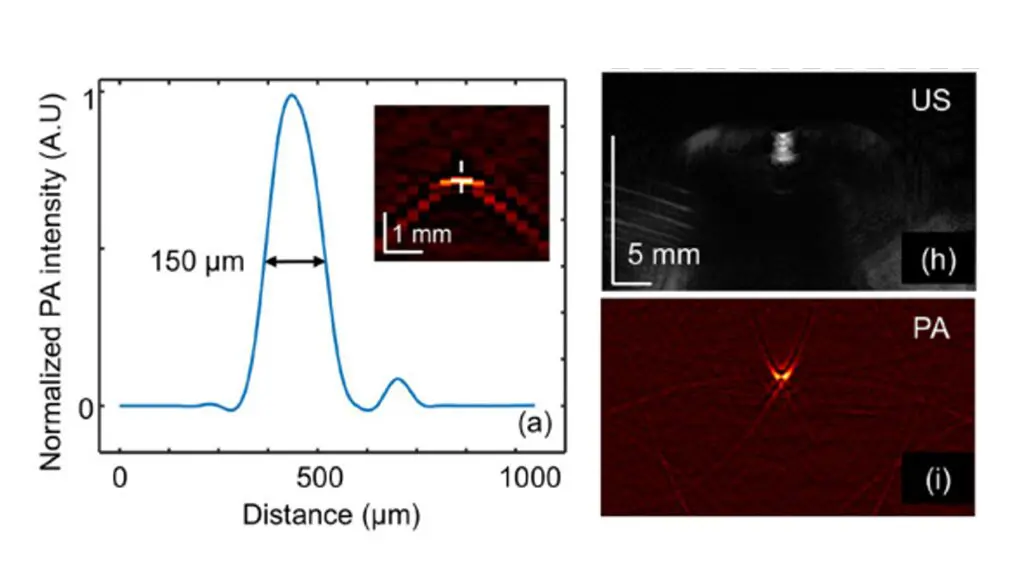
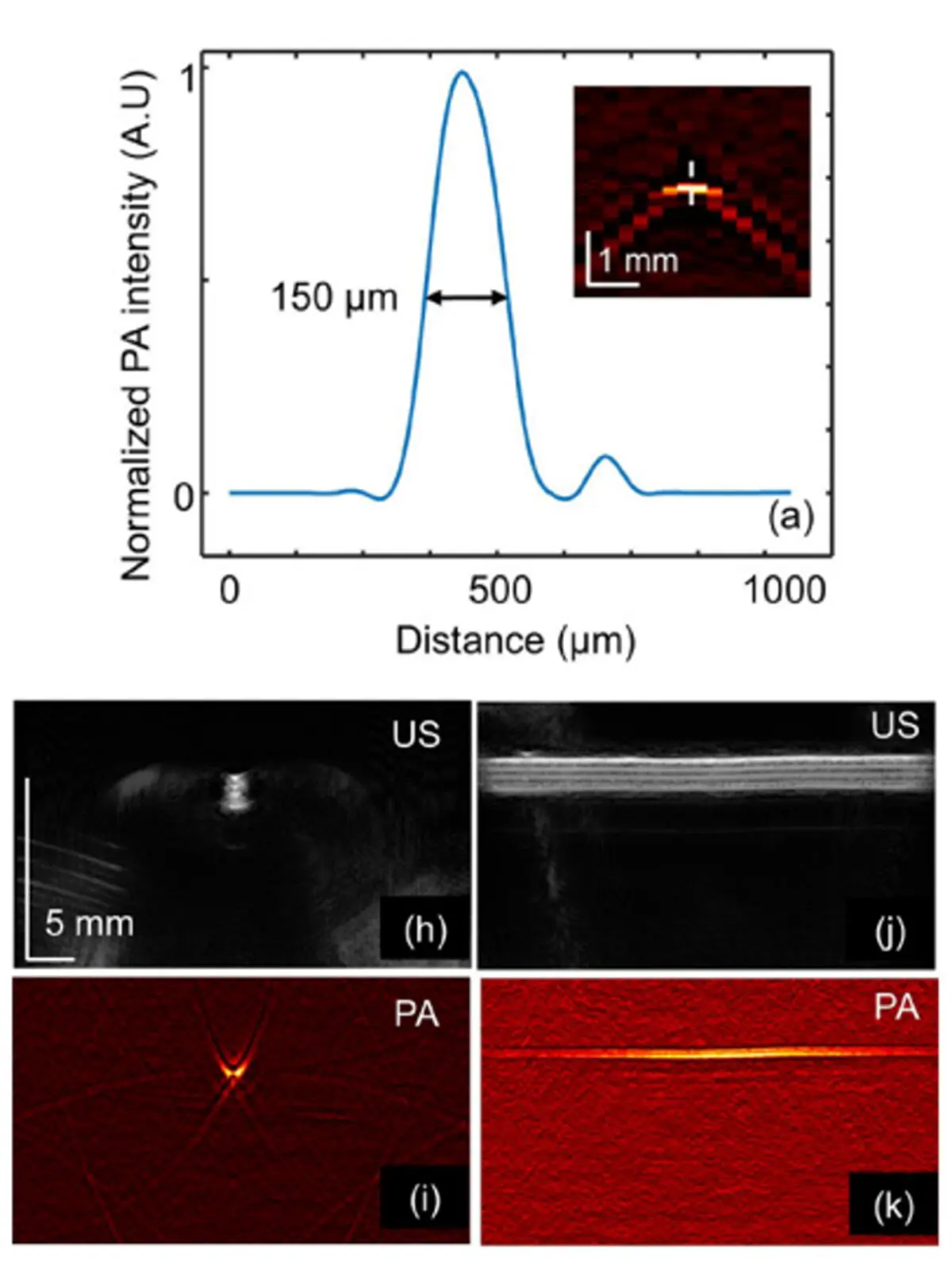
- Photoacoustics integrations that allow light source synchronization and receive-only event sequences
- Analog and digital parameter control for optimizing the signal path.
- Open Source MATLAB and Python scripts and programs available on GitHub.


Choose Your Level of Access
Start with essential imaging or unlock full system control with raw data, APIs, and Texo II
BasicResearch Package
- ✅ Beamformed RF
- ✅ Cast API
- ✅ 9-DOF IMU Data
- ➖ Channel Data
- ➖ Photoacoustics Sync
- ➖ Texo II Software
- ✅ GitHub Access
- ✅ Technical Support
AdvancedResearch Package
- ➖ Beamformed RF
- ➖ Cast API
- ➖ 9-DOF IMU Data
- ✅ Channel Data
- ✅ Photoacoustics Sync
- ✅ Texo II Software
- ✅ GitHub Access
- ✅ Technical Support
Trusted by Research Innovators

Eno Hysi, PhD
Research Chair in Quantitative Ultrasound and Photoacoustic Imaging, University of Toronto
What I value most about Clarius is that it combines a truly portable, wireless ultrasound platform with access to the raw RF data that drives our research. That capability is crucial for developing and validating new ultrasound algorithms in clinical trials. Clarius has given us a practical path to translate advanced ultrasound methods into real clinical research, and their team has been excellent to work with throughout.

Ahmed El Kaffas, PhD
Associate Professor of Radiology, UC San Diego
Clarius probes not only provide one of the, if not the best image quality for a handheld POCUS, but also provide incredible research capabilities for ultrasound engineers and scientists, as well as start ups looking to advance novel software capabilities for ultrasound. The support for research and continuous improvements is extensive, allowing for quick iterative innovation development. The SDK offers ample opportunities to develop proprietary software and adjust acquisition workflows and pipelines as needed. Overall, this is one of the best ultrasound research and development tools i have yet to work with.
Edmond Lou
University of Alberta
The portability, ease of use, and the high-quality imaging is what I love about the Clarius Scanner. As an engineer, I like their research package. With the availability of the raw data, a streaming API and 3D positional information, I am able to build custom software to reconstruct 3D images. The technical support and development team is excellent in response to user questions and demand. I recommend the unit to both clinical staff colleagues and researchers.
Limited Time Launch Offer
Receive access to advanced-system level research capabilities at reduced costs for your team before June 30, 2026.
- Existing Research Users: 30% off upgrading to the Advanced Research package
- New Clarius Users: Advanced Research included with your purchase of any Clarius scanner with Basic Research Bundle
Explore how your team can benefit from these limited-time launch savings and advance your future research initiatives.
What the Research Bundle Includes
- Raw Data Access: RF, channel RF, IQ, greyscale, and Doppler
- 3D Positioning: 9‑DOF IMU for motion tracking and spatial tagging
- Cast API: Real-time ultrasound and RF streaming with adjustable parameters
- Developer Tools: Python, MATLAB, C/C++, Java, Swift
- Optional Modes: CEUS and Photoacoustics for specialized projects
Developer Resources
To support rapid development and integration, Clarius provides:
- GitHub Repositories: SDKs, API documentation, and sample scripts in MATLAB and Python
- Code Samples: Examples for image reconstruction and real‑time signal processing
- YAML Metadata: Detailed descriptions of Clarius metadata for RF and image streams
- Supported Platforms: SDK – Windows, Linux, macOS, Android, and iOS. Texo II – Windows, Linux
Research Applications
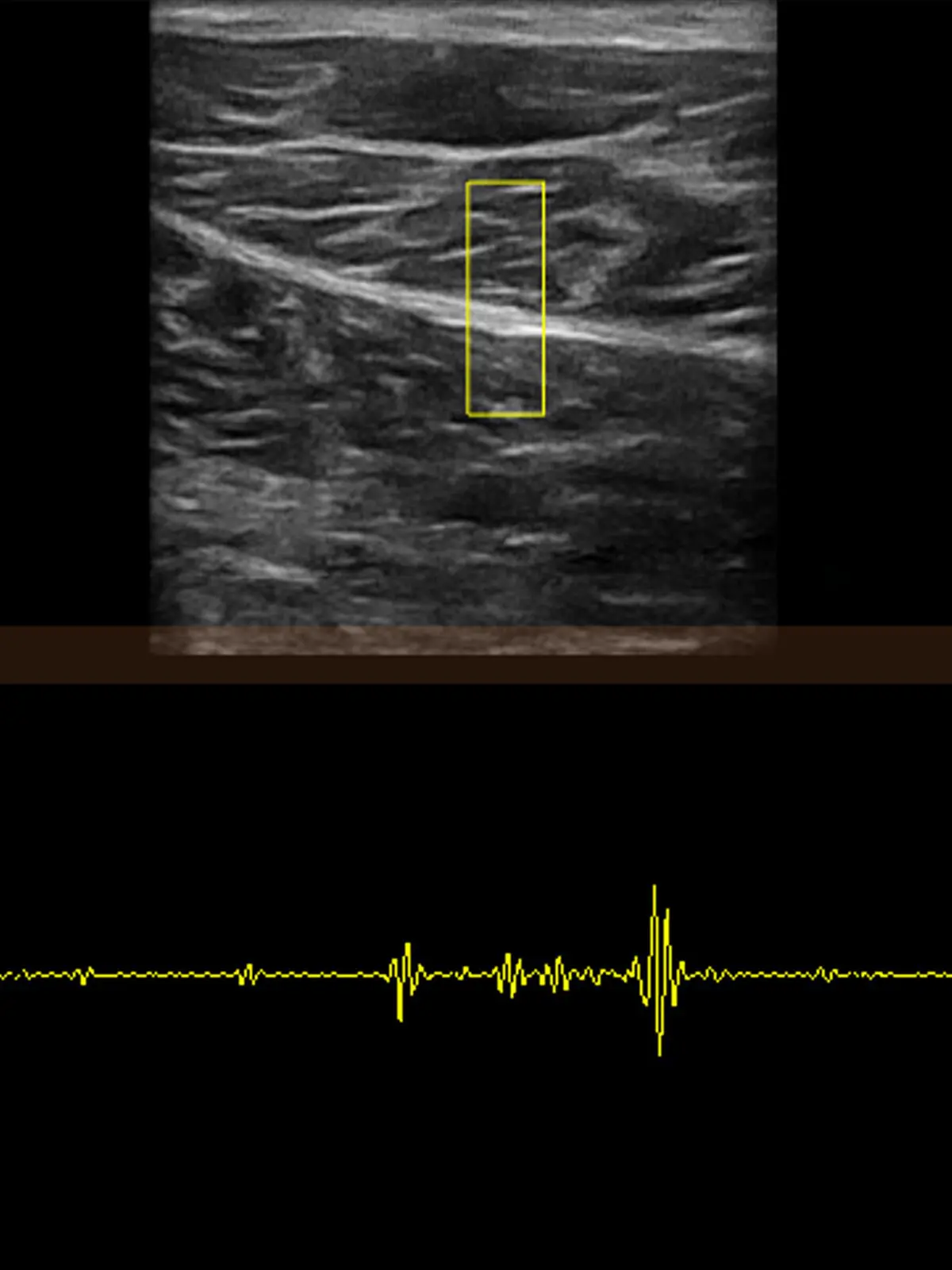
By using offline or real-time RF, run complex signal processing algorithms to help understand underlying properties of anatomy that is often hidden by the greyscale nature of ultrasound
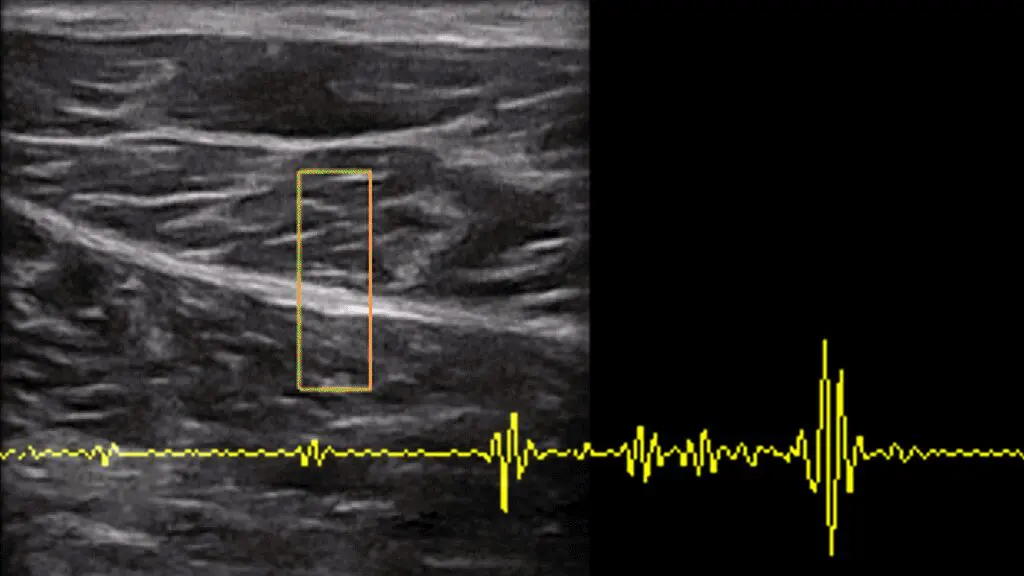
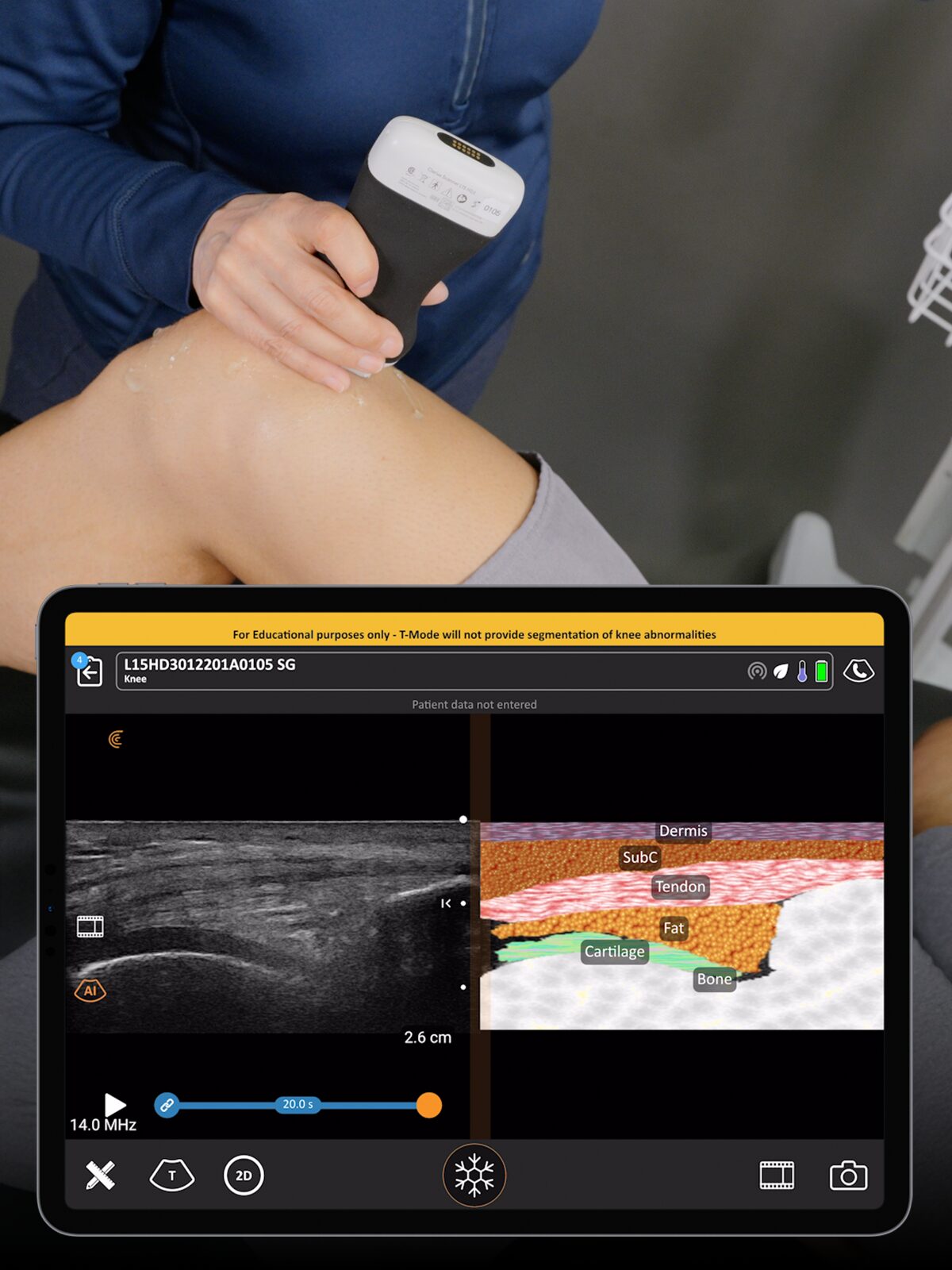
Train machine learning and deep learning algorithms to classify, segment, and interpret ultrasound data for predictive and diagnostic insights. Use the platform to curate comprehensive training datasets and evaluate the performance of AI algorithms for organ‑specific imaging, anomaly detection, and predictive analytics.
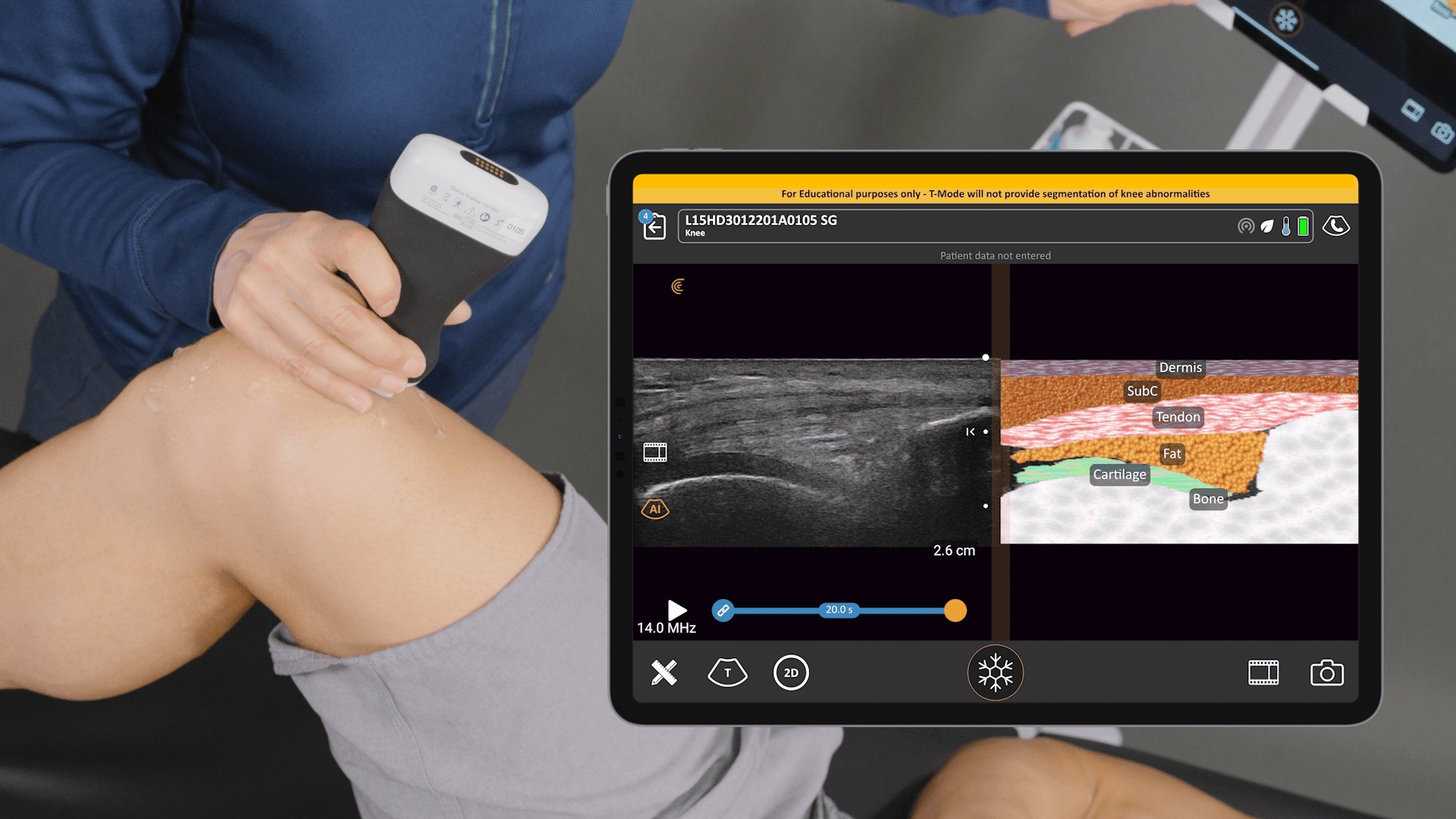
Investigate tissue properties using RF and Doppler signals to study biomechanics, pathology, and clinical outcomes. This research informs the development of quantitative tissue biomarkers and helps refine diagnostic protocols.

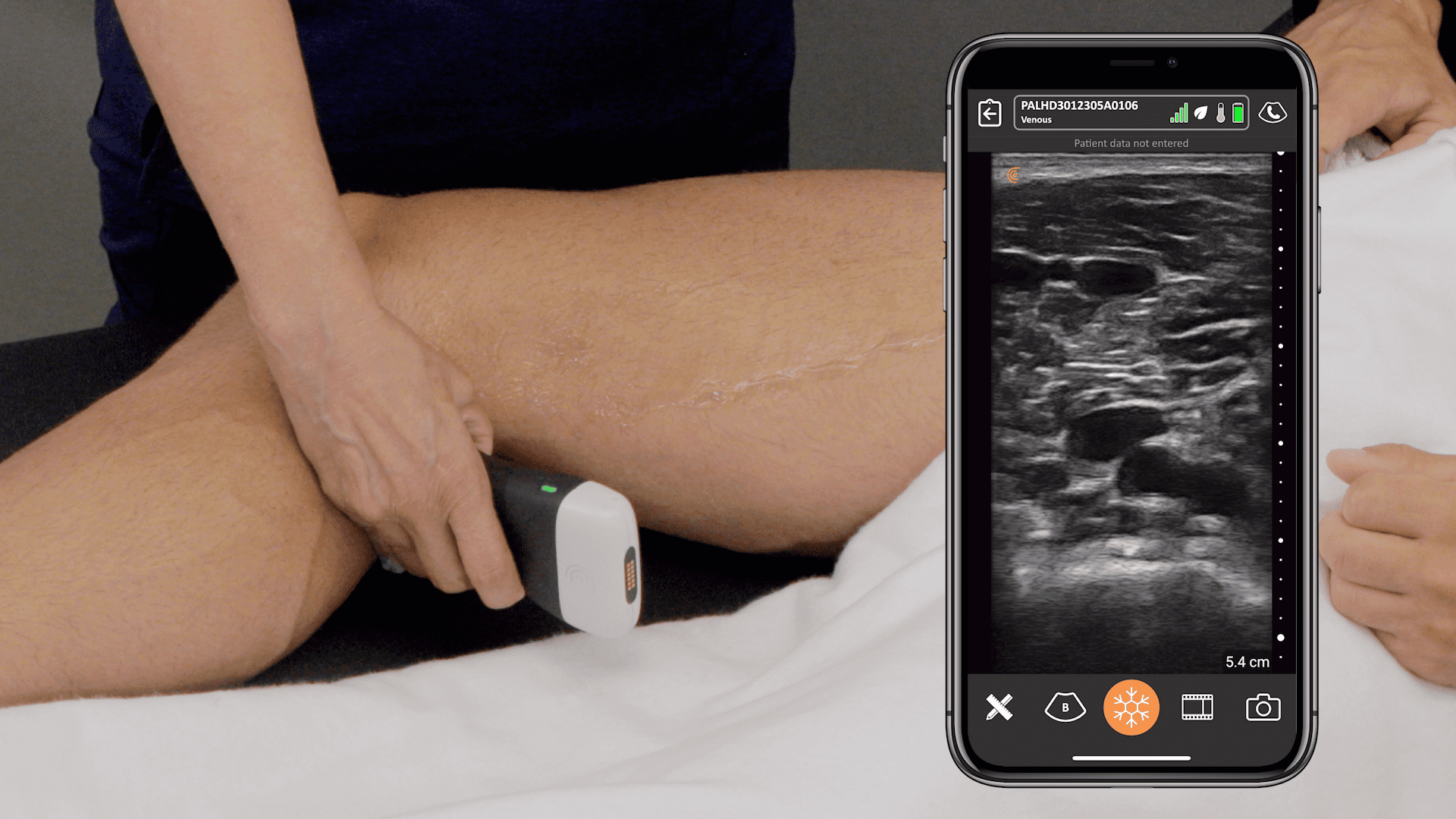
Integrate the 9‑DOF IMU for motion‑aware scanning, navigation, and robotic integration in research and teaching. Integrate ultrasound with robotics and surgical navigation systems to enable real‑time image‑guided interventions and dynamic tissue mapping.
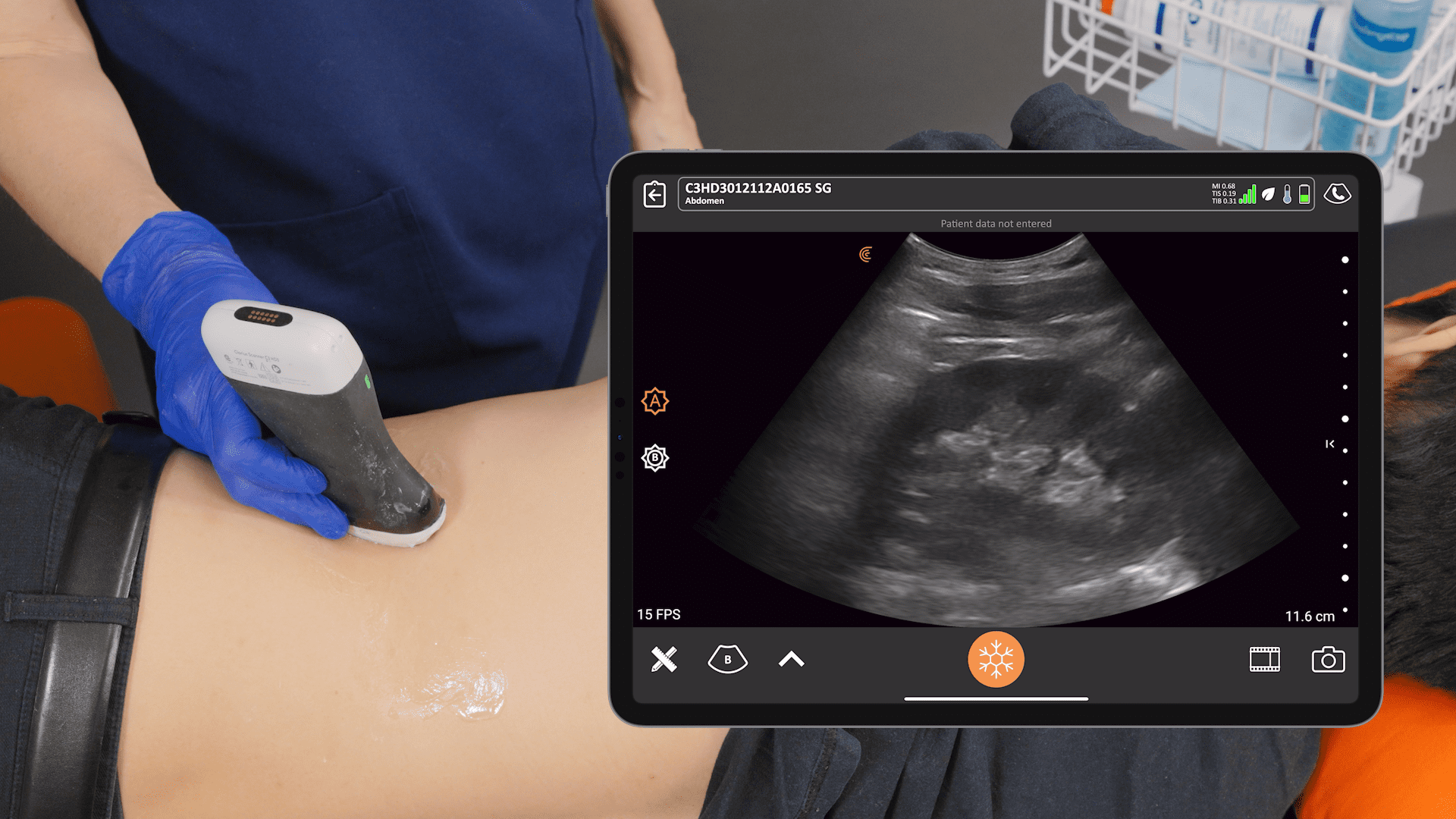
Capture and analyze photoacoustic signals to explore hybrid imaging modalities and energy absorption in tissues. Leverage hybrid imaging to map vascular networks, detect metabolic changes, and investigate optical absorption properties for early tumour detection.
Experiment with custom imaging parameters to tailor ultrasound performance for specialized applications across disciplines. Adjust scanning parameters such as frequency, power, and frame rate to fine‑tune the system for varied tissues, experimental conditions, and imaging modalities.

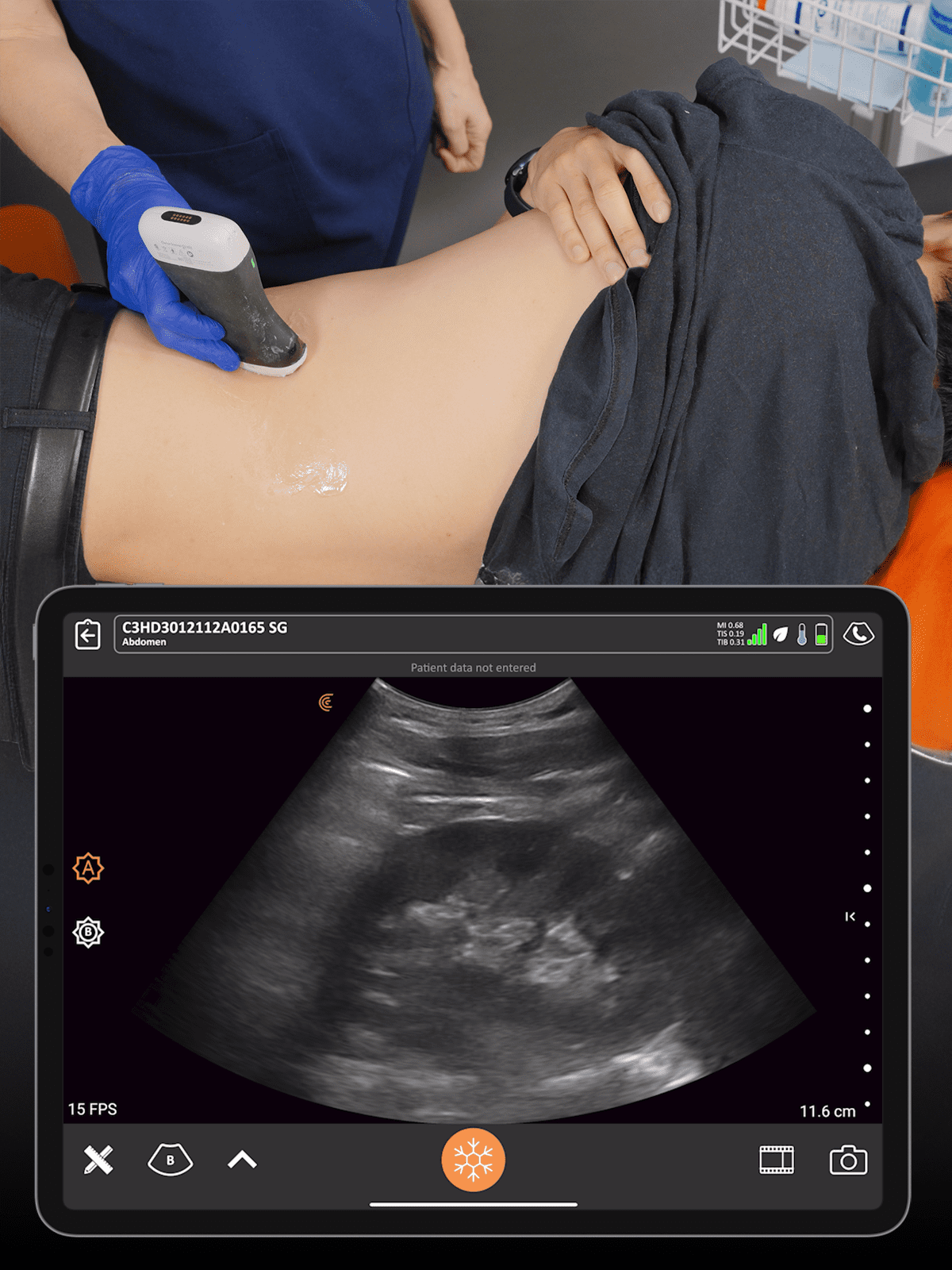
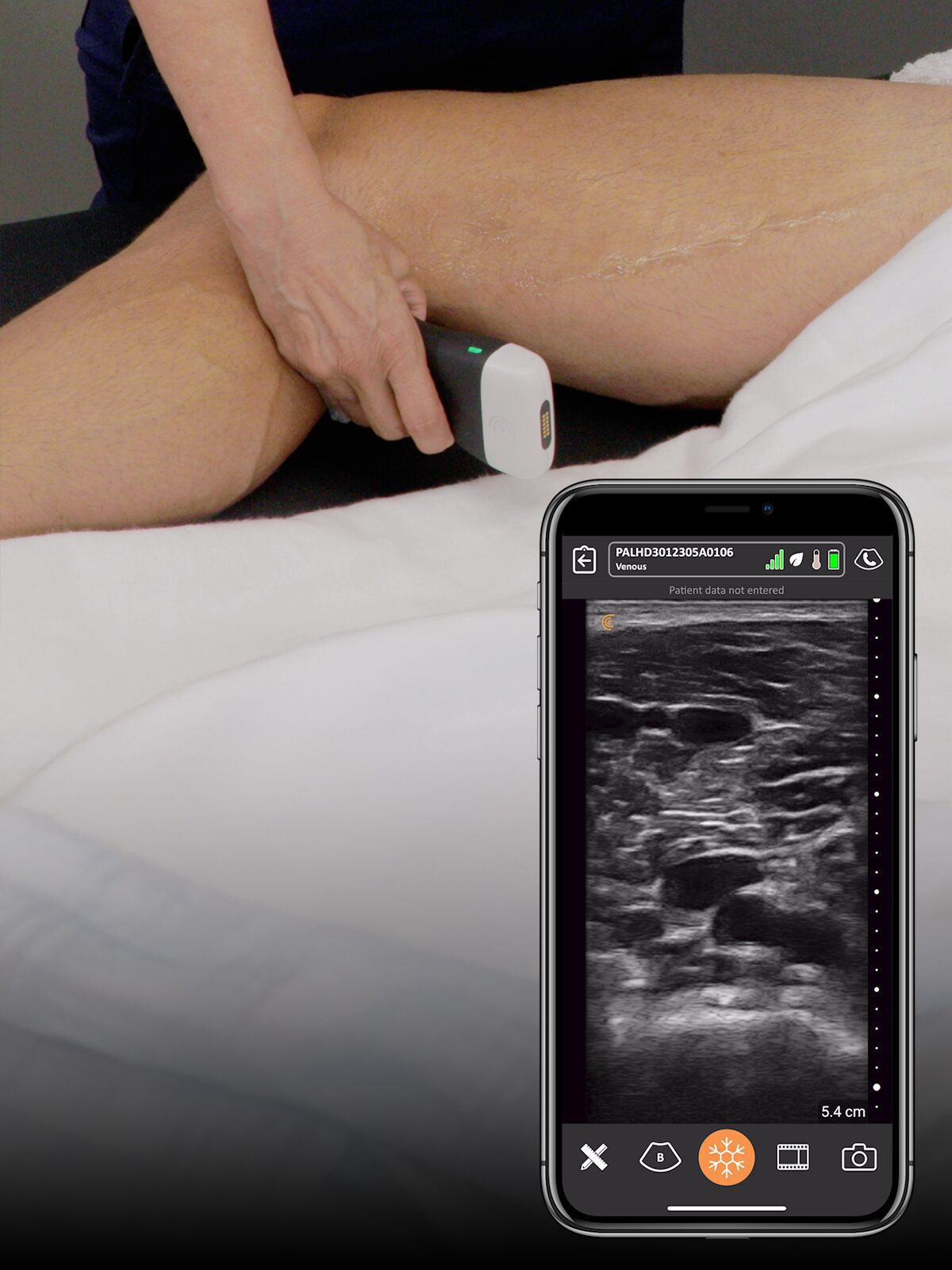
Discuss Your Research Needs
Frequently Asked Questions
All data streams—RF, channel RF, IQ, greyscale, Doppler—include metadata in YAML format for easy parsing.
Yes. Clarius provides SDKs and sample code for both MATLAB and Python environments.
Absolutely. The Cast API supports real‑time data streaming and low‑level control to integrate with custom machine learning workflows.
Clarius software runs on Windows, Linux, macOS, Android, and iOS.
Yes, the Cast API and SDKs are designed to handle multiple probes or devices for synchronized data capture.