Blog

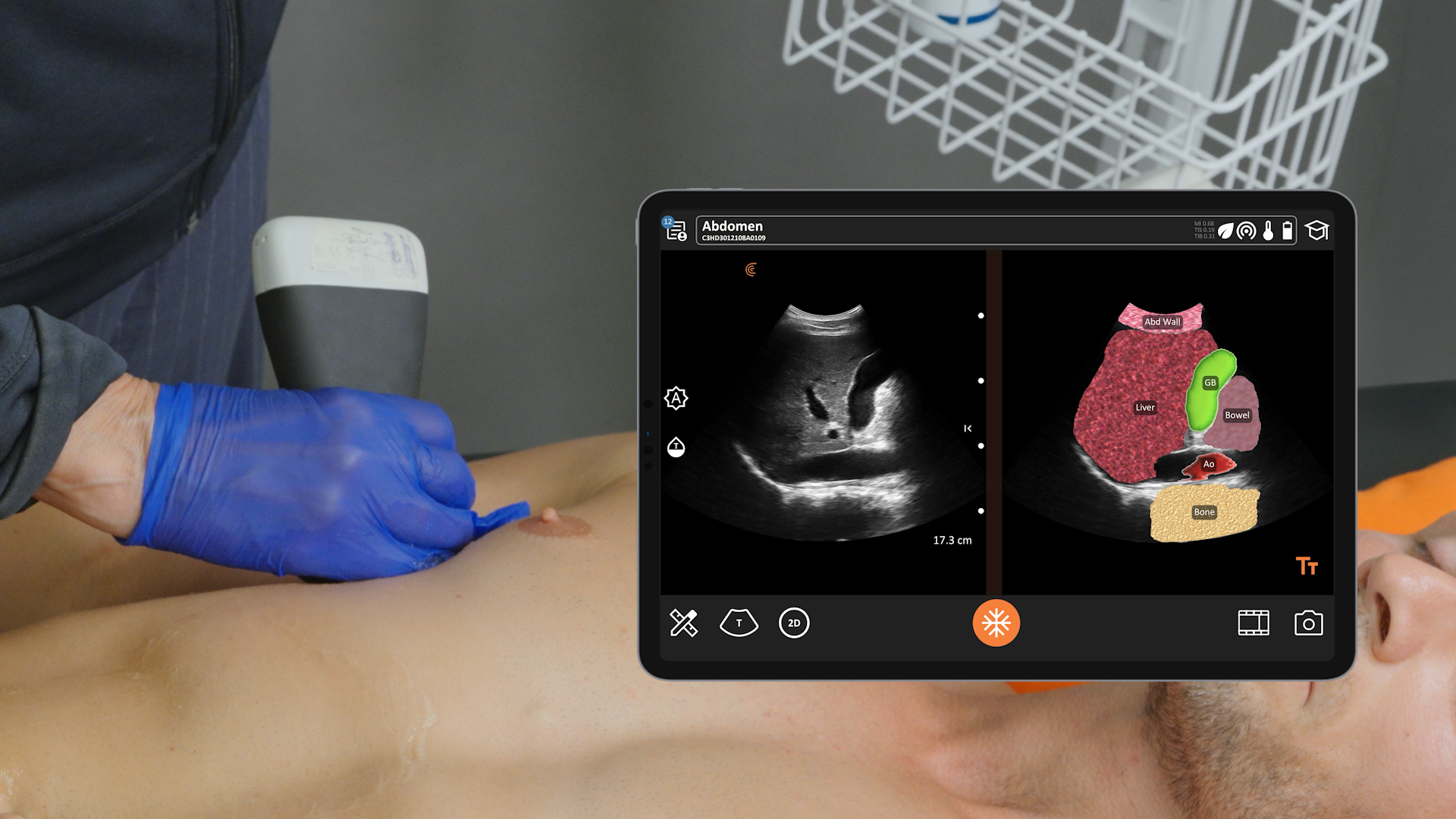
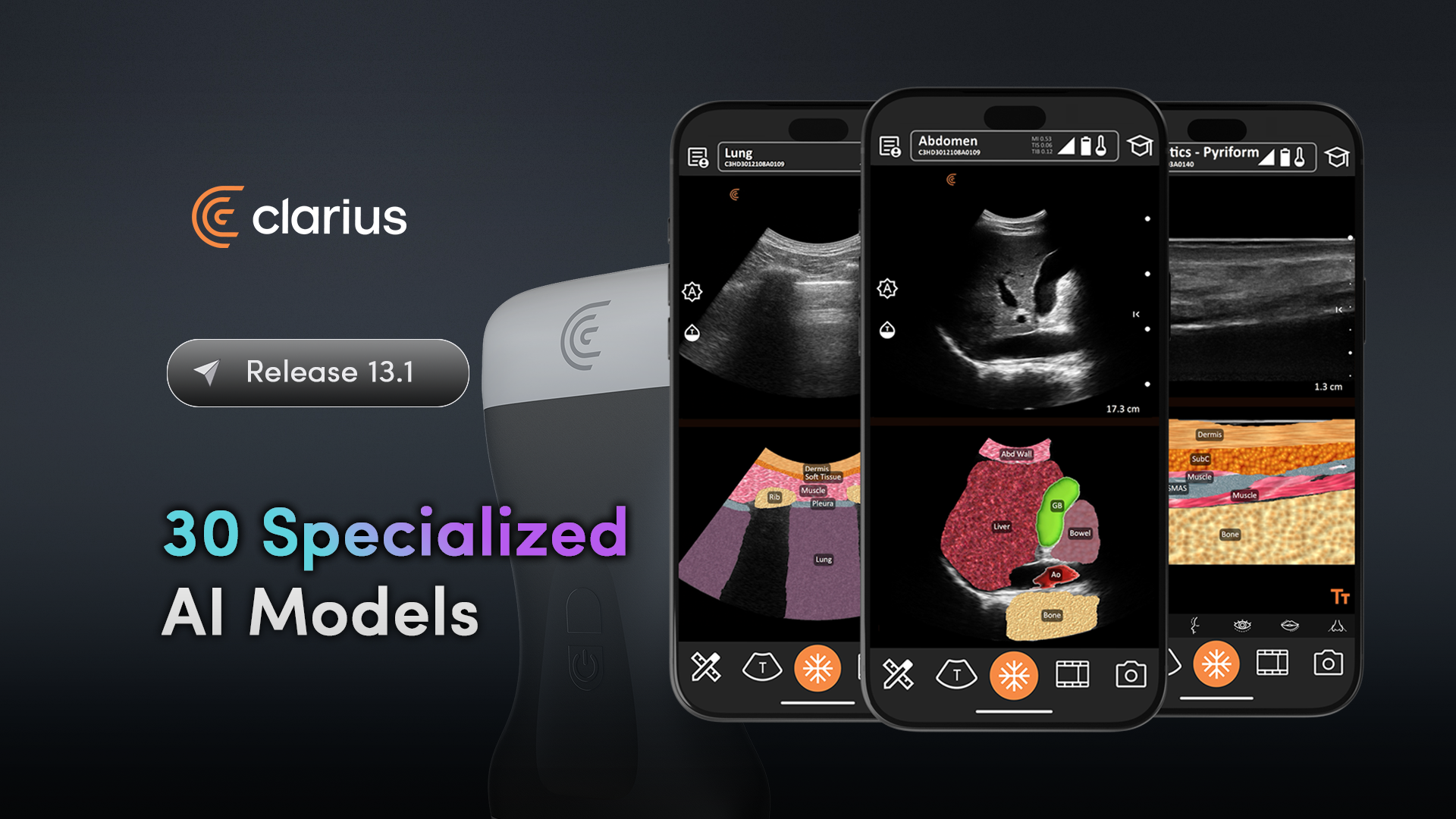
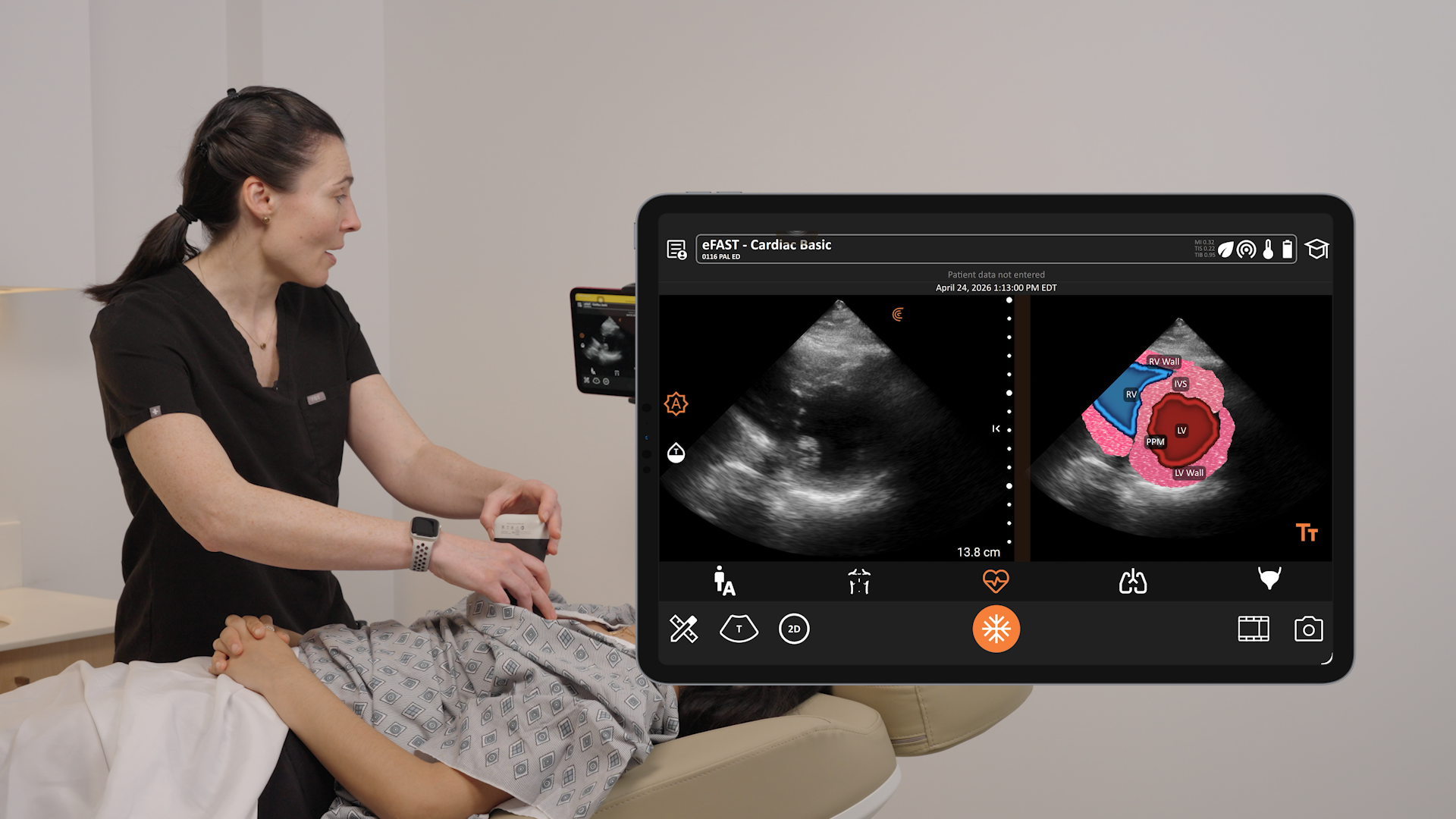
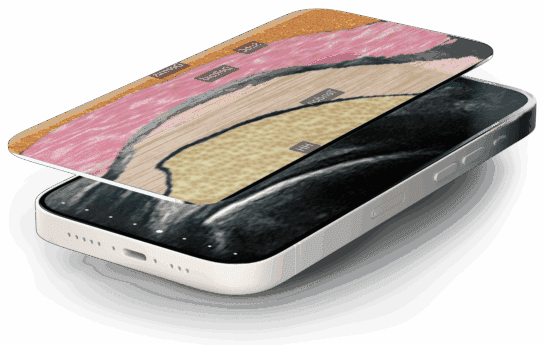
Integrating 30 AI Models into Handheld Ultrasound, Clarius App 13.1 for Apple and Android is Available Now 

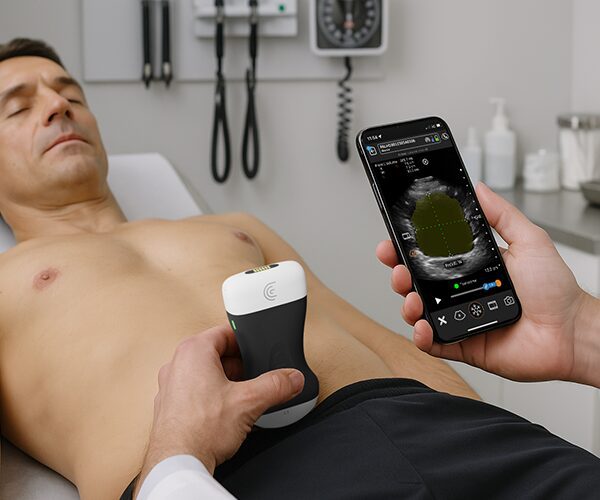
We’re pleased to announce the release of App 13.1, which integrates a total of 30 AI models, the largest portfolio of any handheld point of care ultrasound. This release represents a major innovation milestone for Clarius and our users, automating routine measurements that have high clinical value, highlighting anatomy in…
Read More

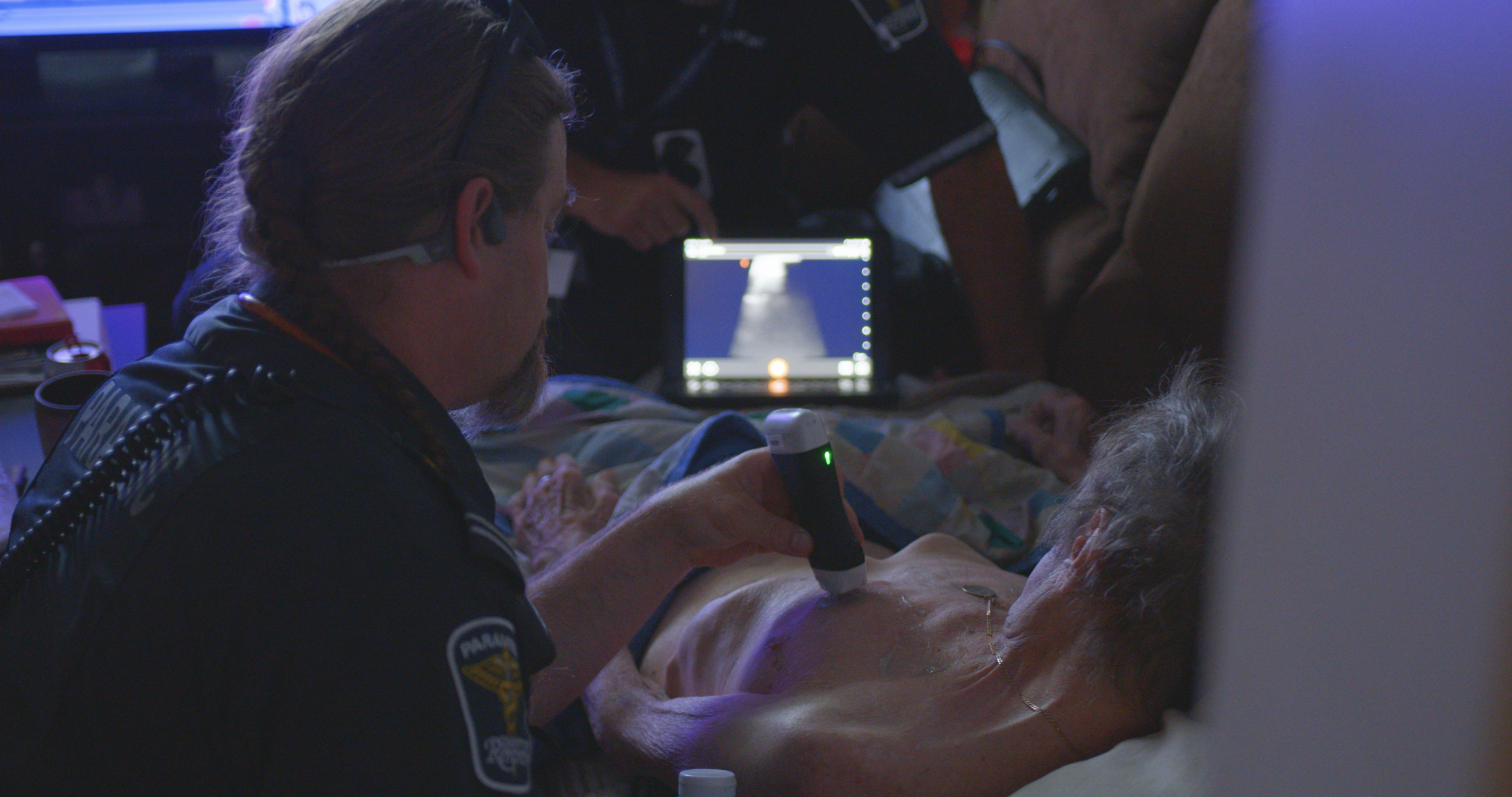
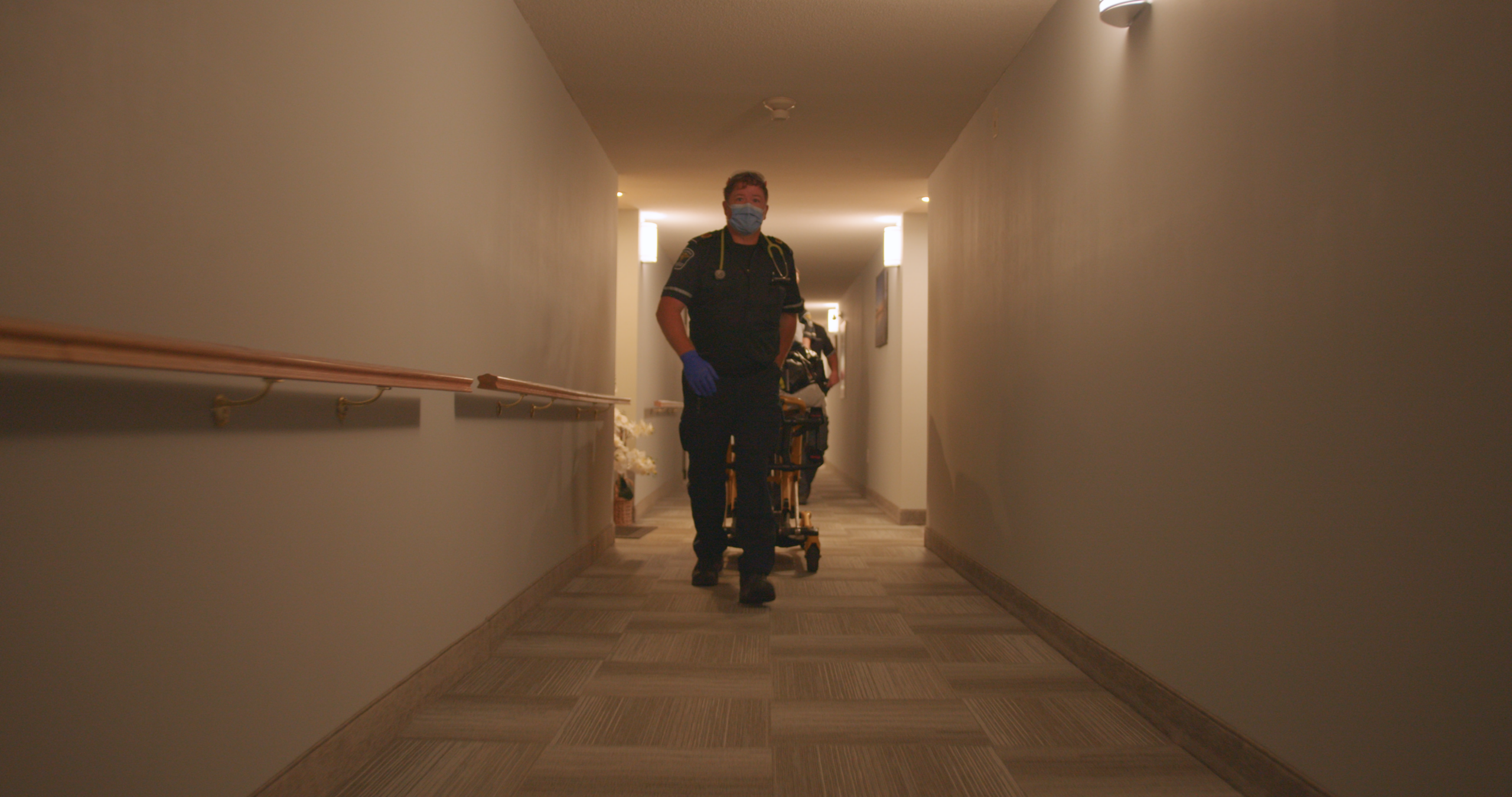
Paramedic POCUS Implementation: How Ontario Services Achieved Field-Ready Training in Two Weeks

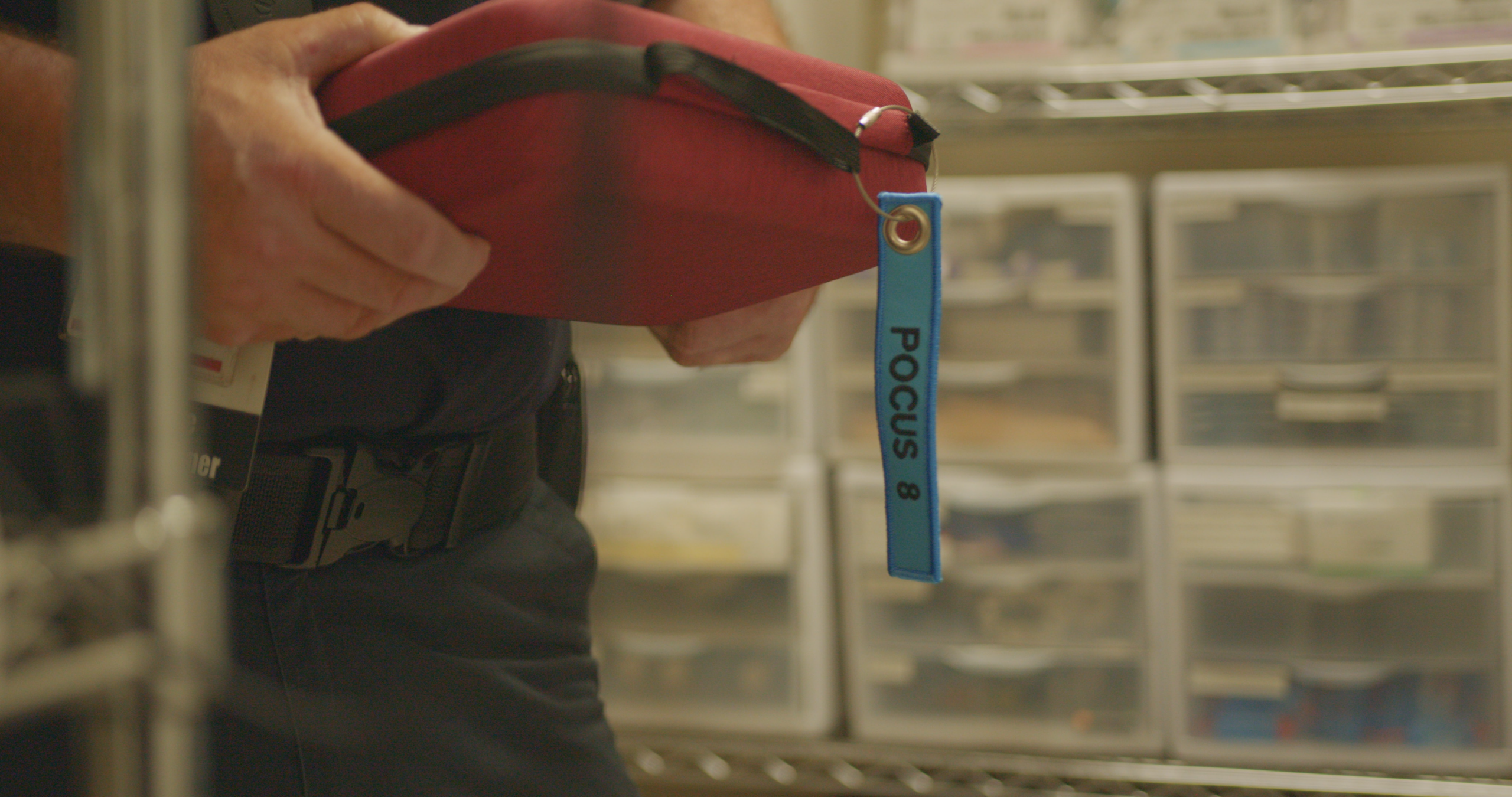
Ontario community paramedicine programs have established an operational framework that transitions frontline medics from zero scanning experience to field-certified POCUS competency in two weeks. By decoupling didactic pre-learning from high-repetition simulation and aligning with Canadian Point of Care Ultrasound Society (CPoCUS) standards, services in Durham, Renfrew, and York have eliminated…
Read More

Facial Thread Lifting Safety: Understanding Anatomical Planes, Vascular Mapping, and Complication Management

Articles
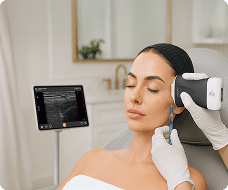
Traditional facial thread lifting relies on surface lines drawn over unseen tissue layers, leaving practitioners to navigate complex facial anatomy entirely by touch. For aesthetic plastic surgeon Dr. Ahmed Abdelaziz, integrating high-resolution ultrasound after ten years of performing traditional thread was transformational. At his clinic, point-of-care ultrasound has replaced tactile…
Read More

How Handheld Point-of-Care Ultrasound Enhances Diagnostic Accuracy for Community Paramedics

Articles
For decades, prehospital respiratory assessment relied on a conventional approach: auscultating lung sounds with a stethoscope and relying on physical palpation. While auscultation remains a standard clinical skill, subjective acoustic findings like “wet,” “junky,” or “coarse” breath sounds often present diagnostic dilemmas in acute respiratory distress. Overlapping pathologies, such as…
Read More

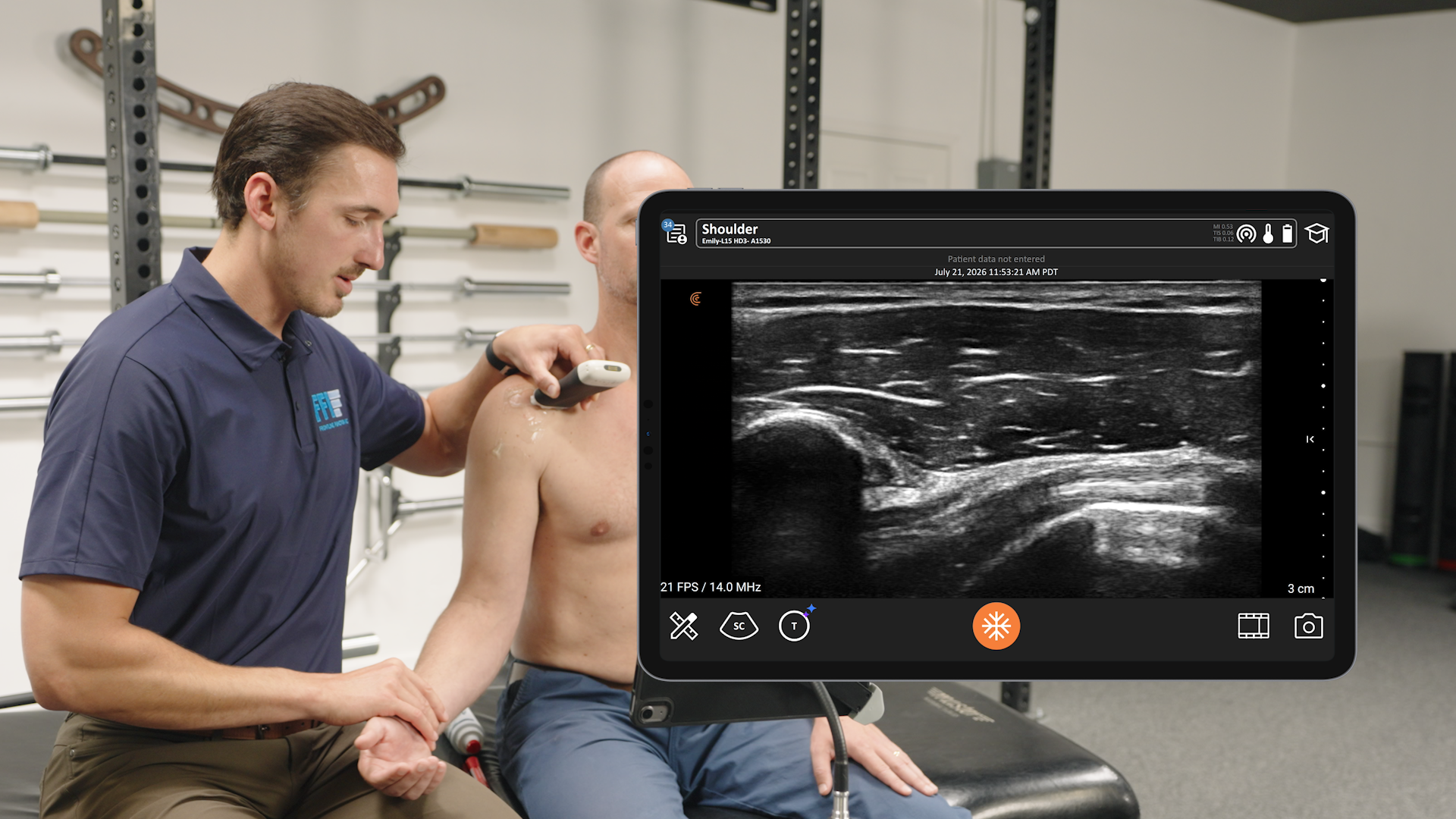
Beyond the Hands-On Clinical Exam: Why Point-of-Care Ultrasound Belongs in Physical Therapy

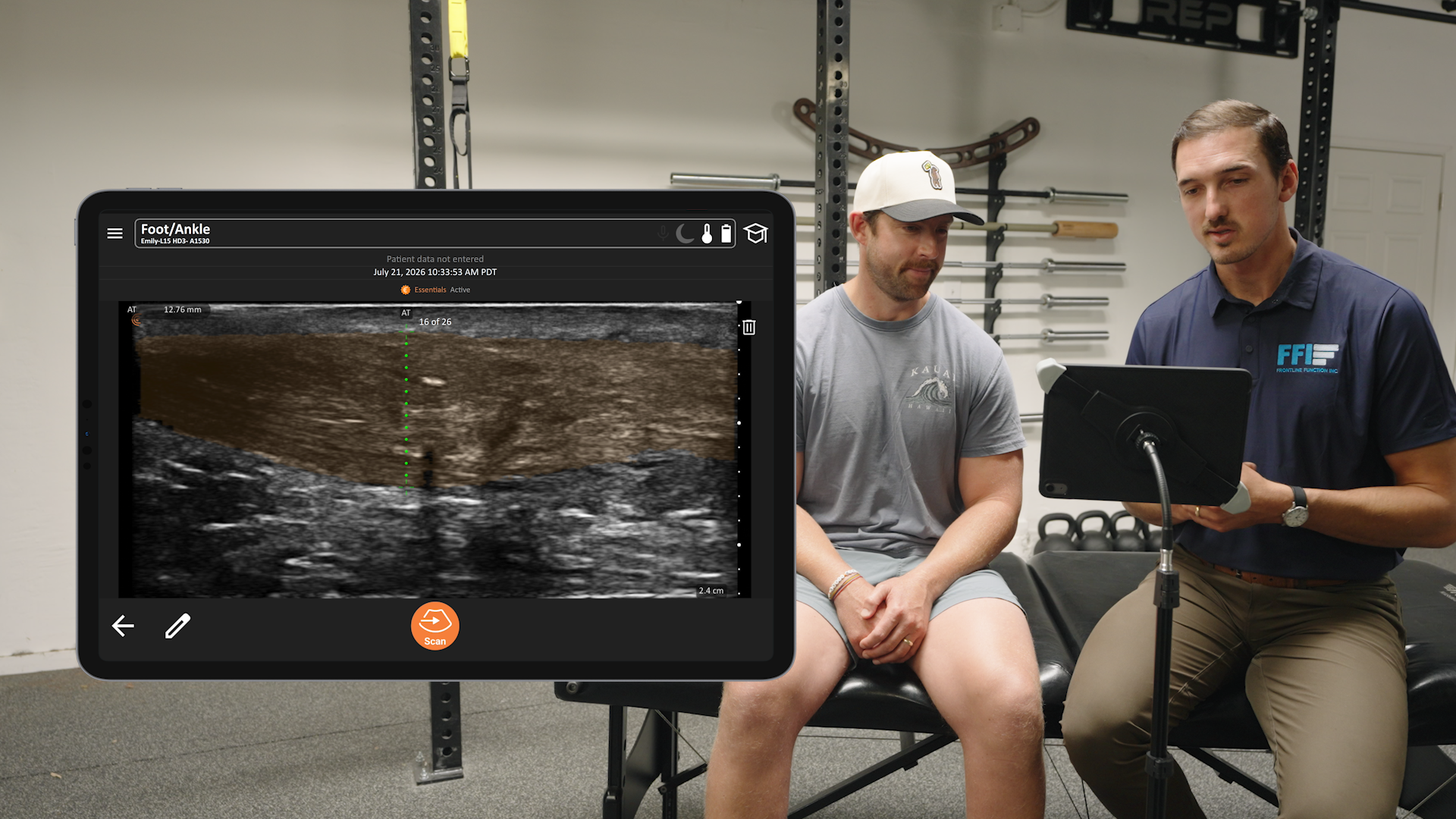
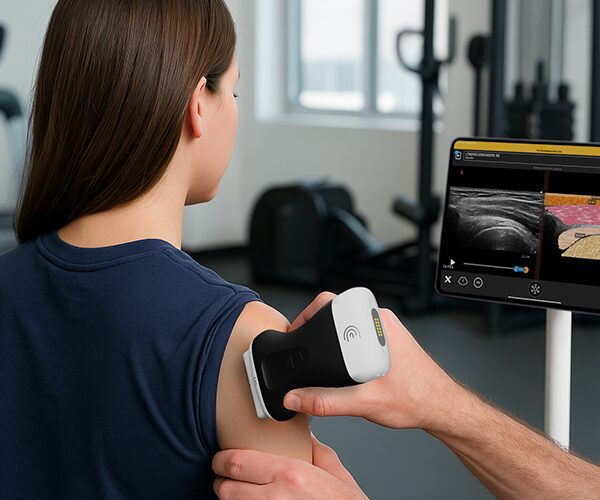
Many patients arrive in physical therapy weeks or months after an injury, often stalled by fear, diagnostic ambiguity, and imaging reports that tell only part of the story. Alarming findings on a radiology report—like a ‘partial tear’ or ‘severe degeneration’—frequently drive fear of movement, leaving patients convinced their tissue is…
Read More

AI and Handheld Ultrasound: Overcoming the Primary Care Scanning Learning Curve

By Dr. Tatiana Havryliuk The modern primary care landscape is defined by a growing tension between escalating patient complexity and severe systemic infrastructure constraints. Outpatient clinicians face pressure to keep healthcare costs low, minimize unnecessary emergency department referrals, and prevent hospital admissions, all while managing high daily patient volumes. Achieving…
Read More
Filters
Reset
Reset