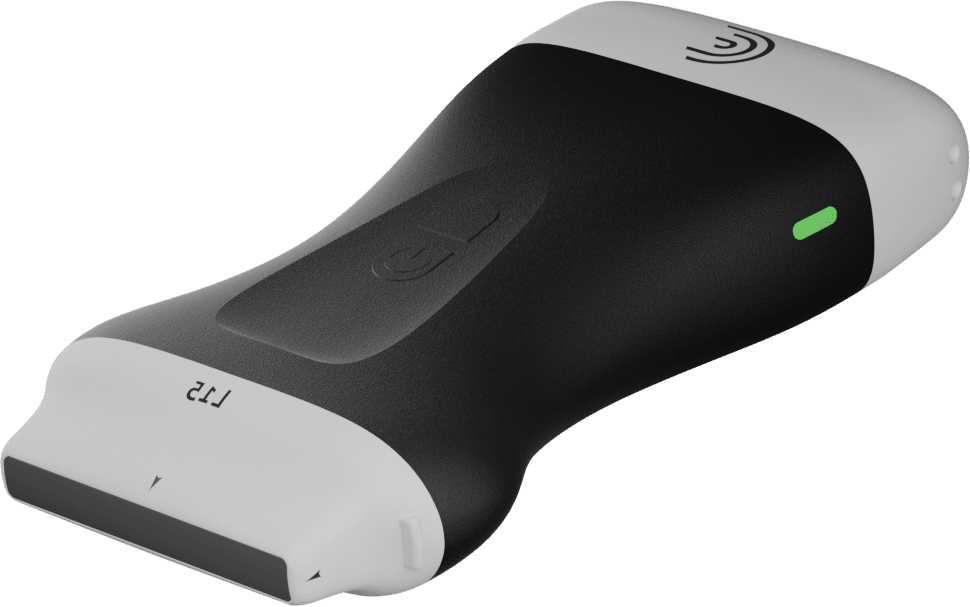
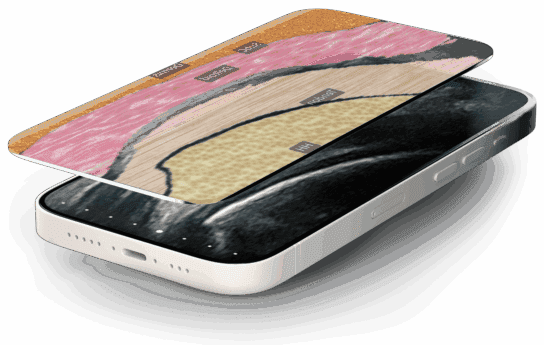
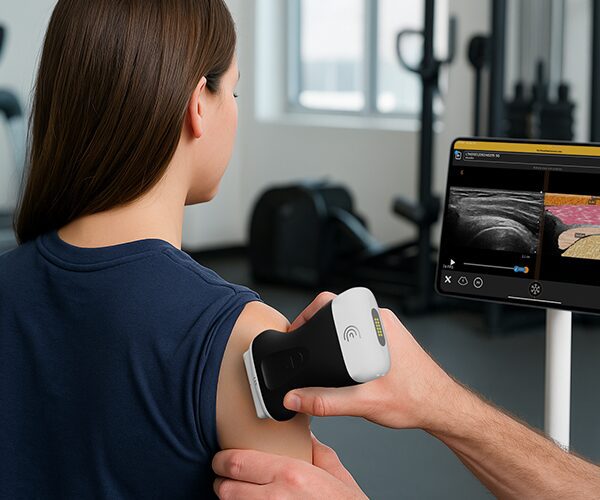
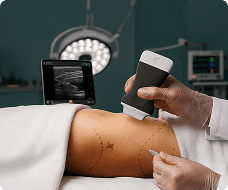
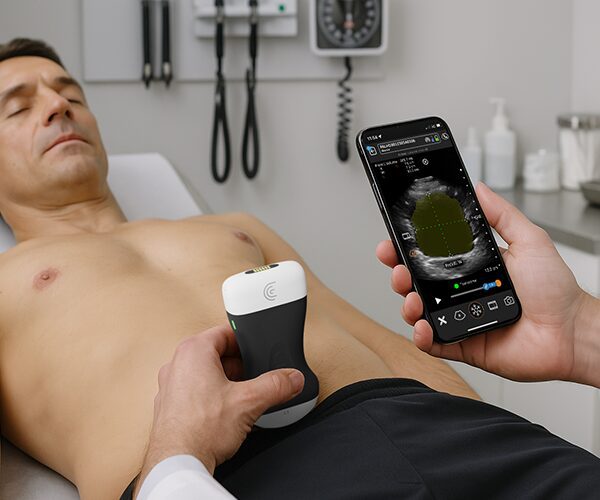
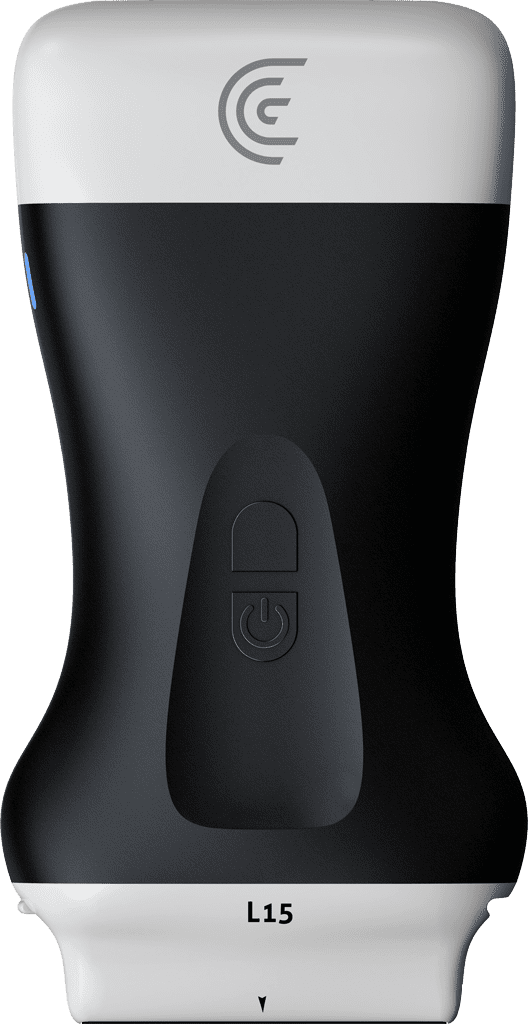
hi i'm ken craig and i've been involved in sports rehabilitation for over 21 years and i've always known and have been interested in a handheld ultrasound device and in 2018 i started using some handheld devices which gave me some level of confidence and satisfaction but i really was impressed when i used the l15 msk scanner from clarisse the l15 clarious scanner gives me an added advantage to appreciate in real-time conditions what happens in the joints of my athletes at baseline and after exertional activities and even competition here we are in amsterdam and we are doing a project with claris using the point of care l15 musculoskeletal scanner our project involves high performance european speed skaters and we are doing basically a baseline scan of the anterior knee this is not a full knee tutorial we are doing we are just going to basically demonstrate how valuable it is to clinicians like me involved in various movement and sports applications to note baseline screen captures or baseline scan captures of a joint as well as post-exertional and competition impacts on the given joint in this case it's the knee all right so here we start at the rectus femoris okay again this is um cranial cord in a longitudinal scan sagittal scan and as you can see as i move distally towards the superior pole of the patella i can appreciate the quadriceps tendon and what we want to find is we want to find that structure there okay and we can appreciate the contribution of the superficial quad from the rectus femoris the deep layer from the intermediaries and the intermediate layers which is actually made up of both the vast dielectric as well as the medialis and what we see there certain structures in between the three they are not pathology they are basically the physiological space to allow the tendon glide and here we can see that there's a healthy knee of a healthy athlete we check the scan medially and laterally over the entire structure i would also like to pay attention towards the insertion region because that's an area of pathology which is often uh presenting itself i would recommend a transverse or scan okay looking at the orientation there we appreciate the apex of the patella now from here i would actually like to excuse uh over the patella itself now this is a slightly more challenging maneuver because of the size of the linear probe and the superficial and undulating structure of the patella as you can see the screen capture or the image capture on the ipad is showing uh re areas of hyper echo but it's not hyper echo it's just that the linear face of the scanner is away from any contact how we overcome this we couldn't use a high resolution scanner but we can do a technique called a floating technique which means we have an ample amount of gel over the structure and as you noticed in the previous scan it was a contact scan here we are going to float the linear end without contact whatsoever what you see superficially is not tissue rather gel and the hyperechoic areas are the structures of interest now at this region we would be able to appreciate this uh suprapatellar bursa which should not appear hypoechoic unless there is bursitis so this is a physiological knee or a knee that is in good condition all right from there we move more distally and we come into contact we no longer float the probe we come into full contact and we now start to appreciate the patella tendon okay there we see the fibula patterns of the tendon at the base of the patella okay then just get more gel beneath the patella is the hoffa fat pad and we keep going distally towards the tibia at the insertion of the paternal tendon which is also a region of interest because pathology does show up here all right i would also recommend a transverse scan going back more superiorly okay side to side make sure the entire structure medially and laterally are scanned so that we don't miss any pathology or any issues that could be occurring and we come down distally towards the end of the insertion of the patella tendon at the tibia now what we're going to do as we said this is a baseline scan i'm now going to send this athlete to go and do some external activity and we're going to come back after that and we are going to do a post exertional scan to see if the changes are physiological or pathological all right thank you you