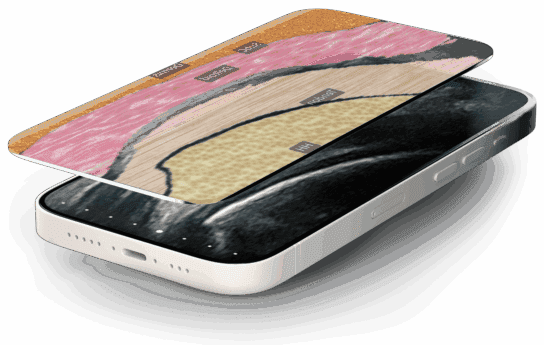
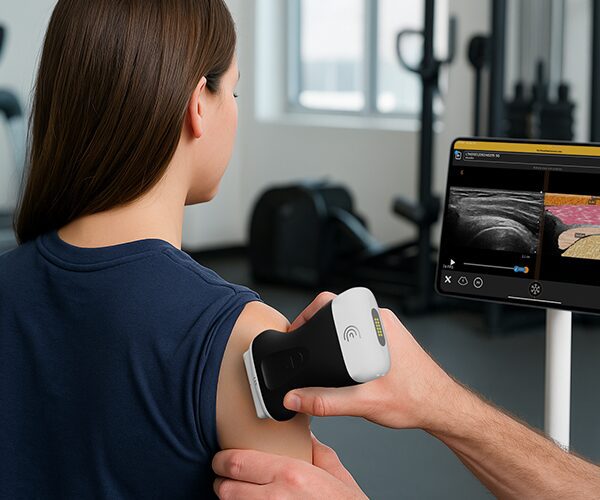
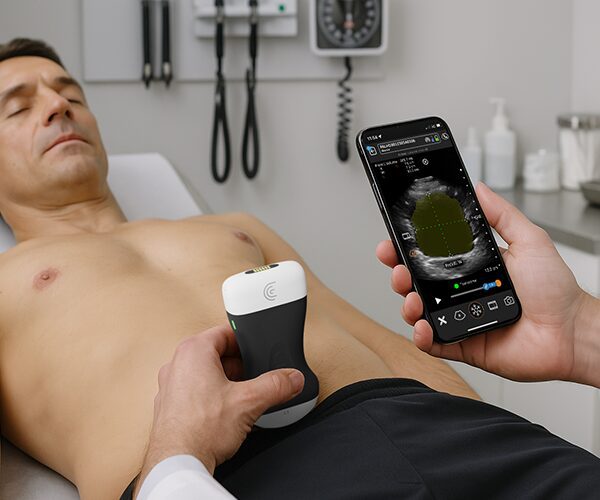
hi I'm Dr John Arlette we're going to talk about how to look at the mandible basically we're going to go from the angle of the jaw to the tip of the chin and look at the structures that are there and what features are going to be important for you as an injector to understand what's present how to inject and some tips on how to get the best out of knowing what's underneath the surface rather than simply looking at the skin and assuming that you know what's underneath so when I look at the mandible I divide it into three because the entire line of the mandible is a bit of a challenge because it's a long distance so we're going to divide it up into three areas where we talk about the proximal third which is from the angle of the jaw to the end of the masseter well then from the end of the masseter we'll then go to the labial mental crease where we'll be really looking at the vascular structures the facial vein and the facial artery we'll also look to see the platysmas and then from the labial mental crease to the tip of the chin we're going to look at the incorporation of four really important muscles we'll look for the platysma we'll look at the depressor angli auris we'll look at the depressor labiai inferioris and we'll look for the mentalis so now we're going to move over and start looking at this in combination with the ultrasound so first of all we're at 1.5 centimeters and I'm just going to say increased depth and so we'll go to 2.5 centimeters for working and the posterior aspect of the jaw what I'm going to look for is at the bottom I want to get the mandible as a really clear white line and we're going to put freeze so in this what you can see as you can see the mandible at the bottom and posteriorly you see this hazy hyperechoic opaque it almost looks like a little Cloud floating in the middle aspect of the of the image and this is the parotid gland and this is something that we need to be very aware of because there's an increased incidence of injection into the product gland which responds by tremendous inflammation swelling redness abscess formation so knowing where it is is very important freeze so now we'll scan so we can look for the product so we're going low on the mandible we can see how the tail of the Carotid is draped over the posterior aspect of the masseter and the masseter is just coming into position here but let's go back and just talk a little bit more about the parotid because I'm just going to very slowly scan upwards and you'll see the prod it continues in place now it ends it really is sort of draped at the inferior border of the zygoma much like you see the masseter now coming into view as we scan inferiorly so when we're we're looking at these two there's a tremendous interplay I'll just have you clench your teeth for me relax so we'll just move forward clench so you can see that little bulge of the masseter and you can see how that pulls the parotid forward a bit of relax you see the parotid fascia which is very thick and you see how it incorporates into the fascia overlying the masseter which we'll look at in a little bit more depth in a minute now let's move forward on to the masseter so I'm doing this I'm you can see I've got the device held in the axial or horizontal plane I can move anterior or posterior so we're going to move up to the masseter and in here you can see these hyperchoic and I'll just have you clench your teeth and relax you can see how they Bunch up and you see how those hyperechoic lines which are really the app on neuroses within the masseter basically these are tendons that run up and down the masseter it's a really strong muscle and so if you just clench you can see how they change position relax how they change and their their Dynamic interaction as the muscle moves so it's important to have an idea of how they do move when you're looking at it so that it's not really all that foreign so here's the anterior part of the Masset here we're just going to go back again to the posterior aspect during all of this you can see I'm tilting the device trying to maintaining that nice sharp image at the base so again we're just keeping that mandible very sharp so masseter see the fascia over the masseter you see the app on your roses within the masseter and then we come back to look at the parotid again so that's our proximal third of the mandible we're going to move forward to the mid third of the mandible and it really goes from the anterior edge of the masseter down to where we're starting to see here we have the a bit of the platysma the Dao and the DLI basically where the mandibular ligament would be because these sort of fuse together on the mandible to create that and again we're making a really good clear structure so here you can tilt your device it can increase gain decrease gain in order to just get a better Clarity of what's Happening Here and then you can go freeze and you can see this little circular anechoic area a little Hollow which is the facial vein freeze and we're going to go color mode and here we see first of all the facial vein which you can clear by pressing but the facial artery which is here doesn't clear when you press on it so that's a really good way to differentiate those and so what I want to show you now is the rhizorius and I think some of the buccinator muscle right here in the mouth and so you can see how it comes off it fuses with the end of the masseter rides forward and inserts into the modiolus we're moving on to the distal third of the mandible and we're now starting to come into the mimetic muscles and here freeze we have really three together we see what I believe is the platysma the depressor angularioris and the labia inferioris and we can continue to see some small vessels as we move across the chain so here's the labial mental artery as it starts in this actually is now coursing up as the inferior labial artery towards the lip so a good place to look for this is right between the Dao DLI as we can see right here color mode and we move further across so here we see the tip of the chin and on either side you see a relatively anechoic area a circular oval areas which are the mentalis muscle as it arises from the mandible and raises up and inserts into the mental crease and so there you have the mentalis muscle you know where you can inject this muscle similarly when you're injecting into the Dao you'll be able to inject it more selectively to avoid the issue of inadvertently injecting the DLI and producing that little bit of a drop in the chin