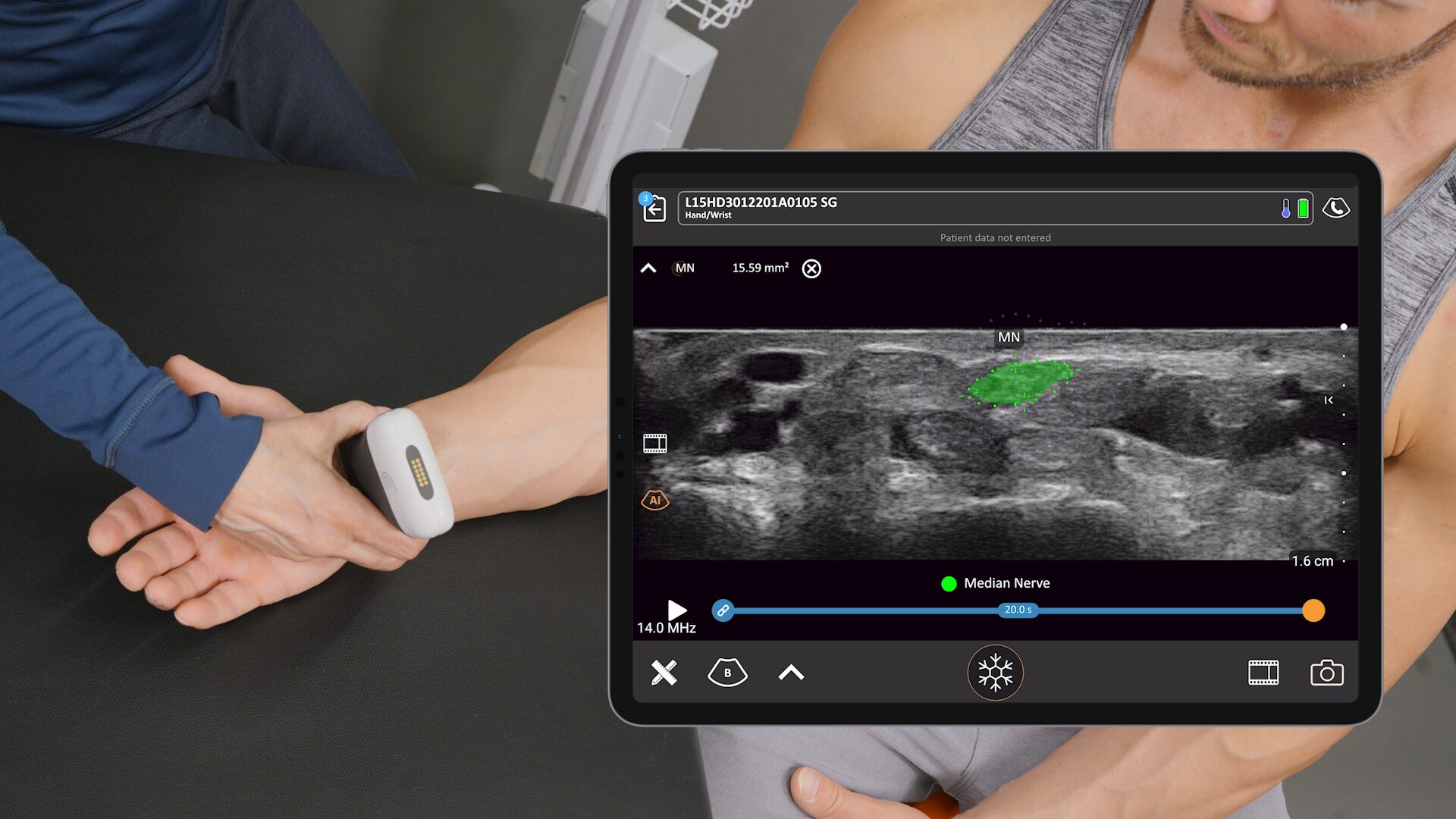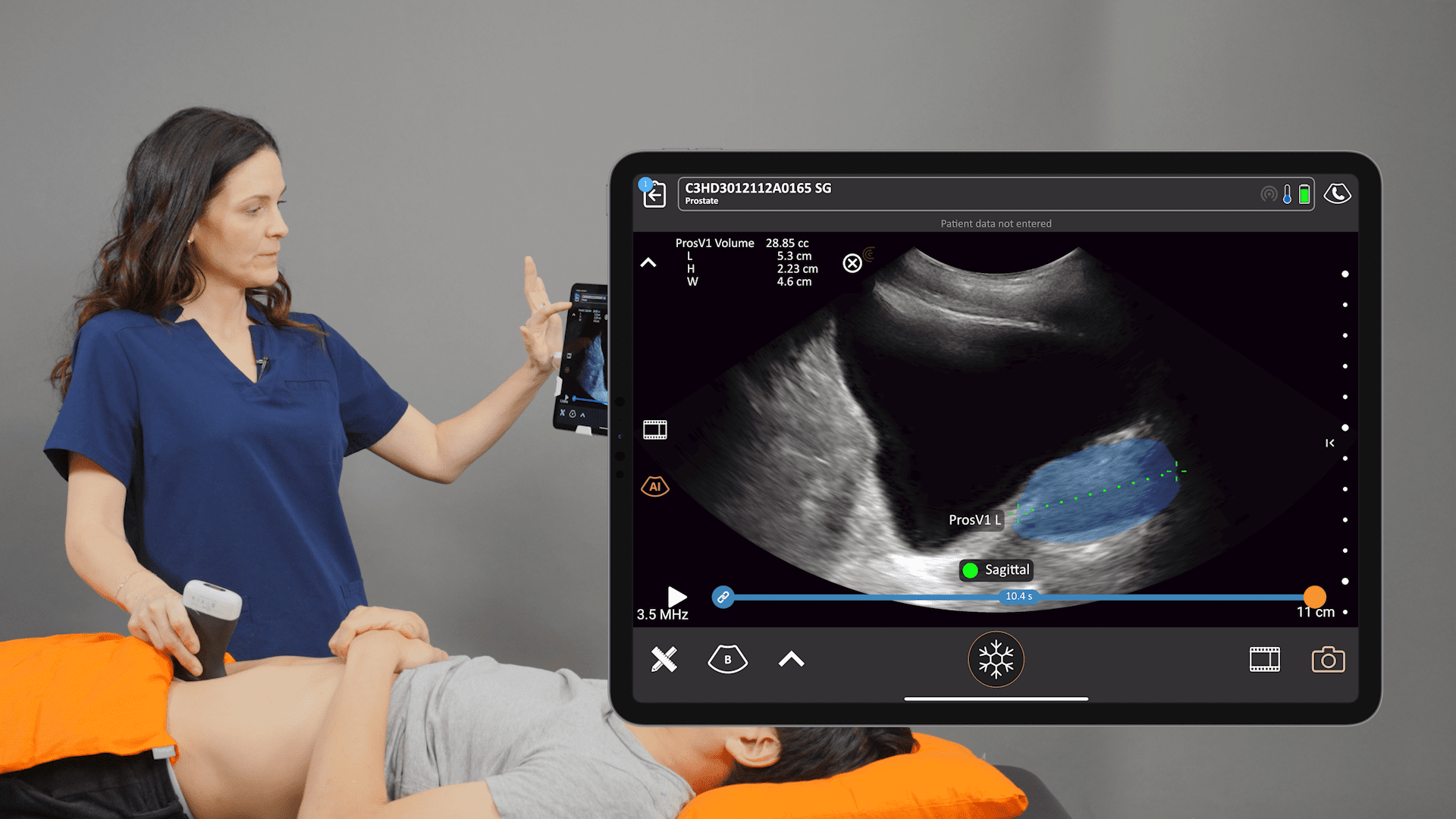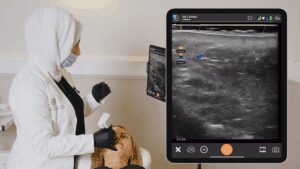







As an emergency physician, Dr. Tatiana Havryliuk has relied on point-of-care ultrasound (POCUS) to make informed clinical decisions for 15 years. She’s now on a mission to extend the benefits to primary care and urgent care practices by addressing the key barriers, the lack of POCUS competency and infrastructure.
Dr. Havryliuk joined us for a webinar to share her knowledge about the benefits of POCUS, best practices for documentation and training, and insights into the return on investment that’s possible. Watch the free one-hour webinar at your convenience: Point-of-Care Ultrasound: Benefits and ROI in Urgent Care and Primary Care Practices. Scroll down for a quick review of highlights.
Five Benefits of Ultrasound in Primary and Urgent Care
- Improved Diagnostic Accuracy
- POCUS allows for immediate visualization of internal structures, enabling rapid identification of abnormalities.
- It can differentiate between various conditions, such as cellulitis and abscesses, leading to more targeted treatment.
- Lung ultrasound can detect pneumonia, pleural effusions, and other respiratory conditions with greater sensitivity than traditional X-rays.
- Faster Patient Triage and Workflow:
- Ultrasound enables quick assessments, facilitating efficient patient triage in urgent care settings.
- It can expedite the diagnostic process, reducing wait times and improving patient flow.
- In primary care, it allows for on-the-spot evaluation, potentially avoiding unnecessary referrals.
Lower Extremity Ultrasound Exam for DVT
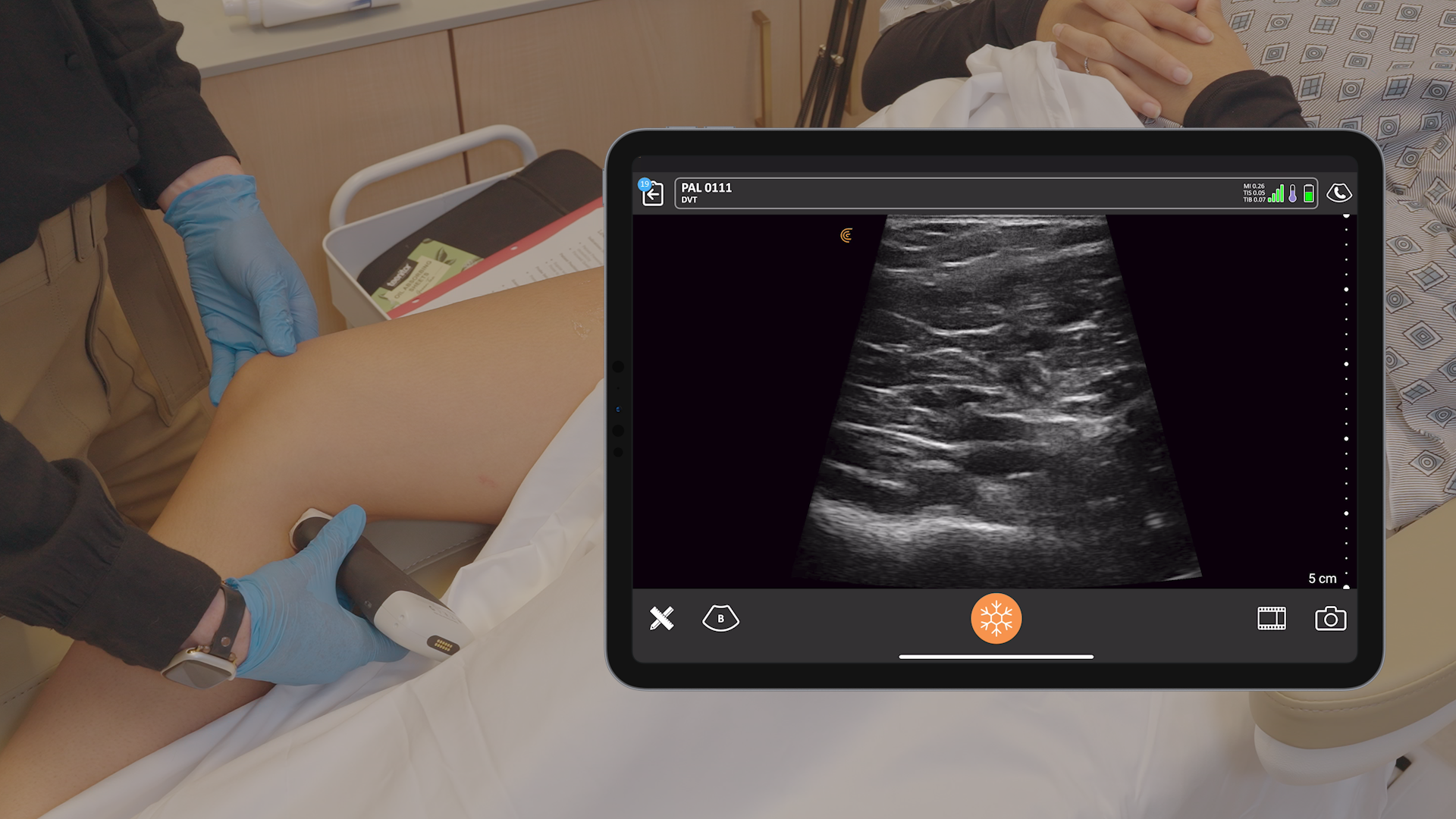
Watch this 2-minute demonstration to see Shelley Guenther, CRGS, CRCS use a Clarius wireless ultrasound scanner to perform a quick compression study of the deep venous system of the leg to rule out DVT.
- Enhanced Procedural Guidance
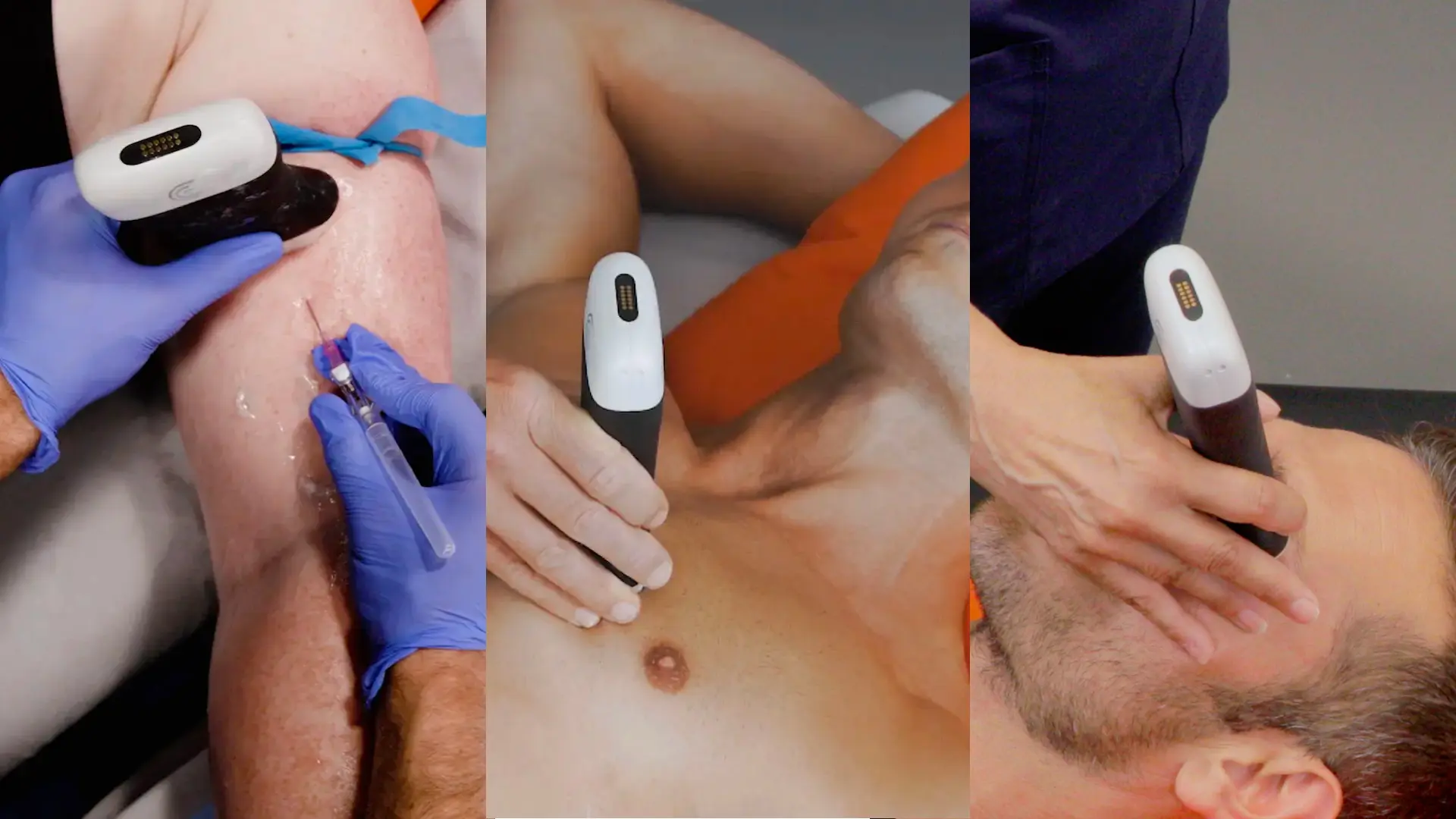
- Ultrasound guidance improves the accuracy and safety of procedures like joint injections, abscess drainage, and vascular access.
- It allows for real-time visualization of needle placement, minimizing the risk of complications.
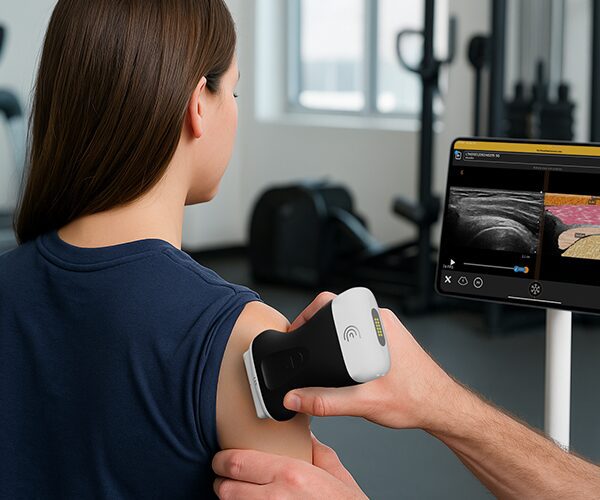
Suprascapular Nerve Block
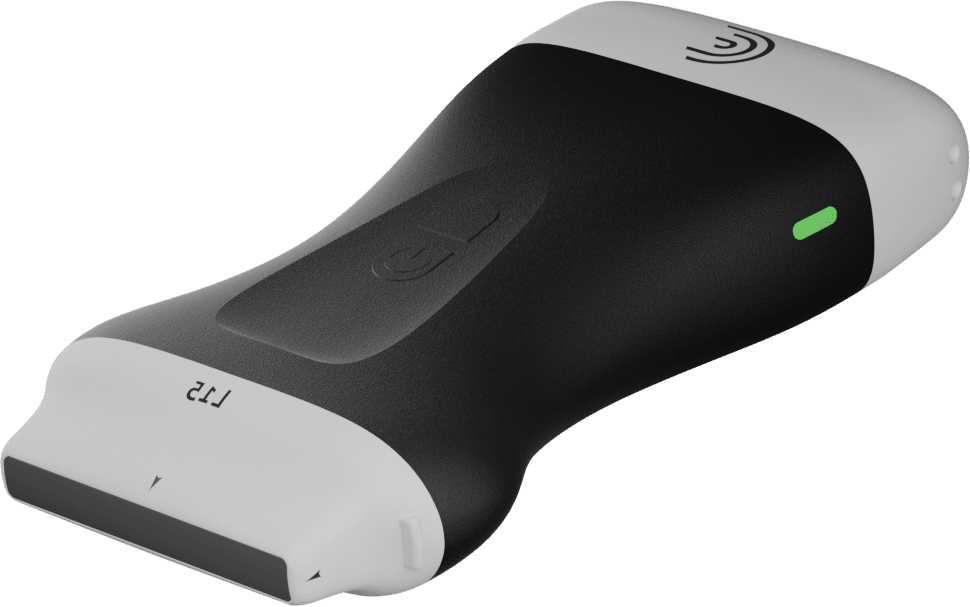
In this two-minute video, you’ll see Dr. David Rosenblum, MD, use the Clarius L7 HD3 Linear Scanner to locate the suprascapular nerve deep to the transverse scapular ligament, and inject around the nerve while avoiding the suprascapular nerve and ensuring accurate distribution of the analgesia.
- Increased Patient Satisfaction:
- Real-time imaging allows physicians to share findings with patients, enhancing understanding and engagement.
- Faster diagnoses and procedures can reduce patient anxiety and improve overall satisfaction.
- Cost-Effectiveness:
- By reducing the need for expensive imaging studies and specialist referrals, POCUS can contribute to cost savings.
- It can also minimize unnecessary hospitalizations and emergency department visits.
Clinical Applications for Ultrasound in Primary Care
- Soft Tissue Infections: Use ultrasound to differentiate between cellulitis and abscess, guiding appropriate treatment.
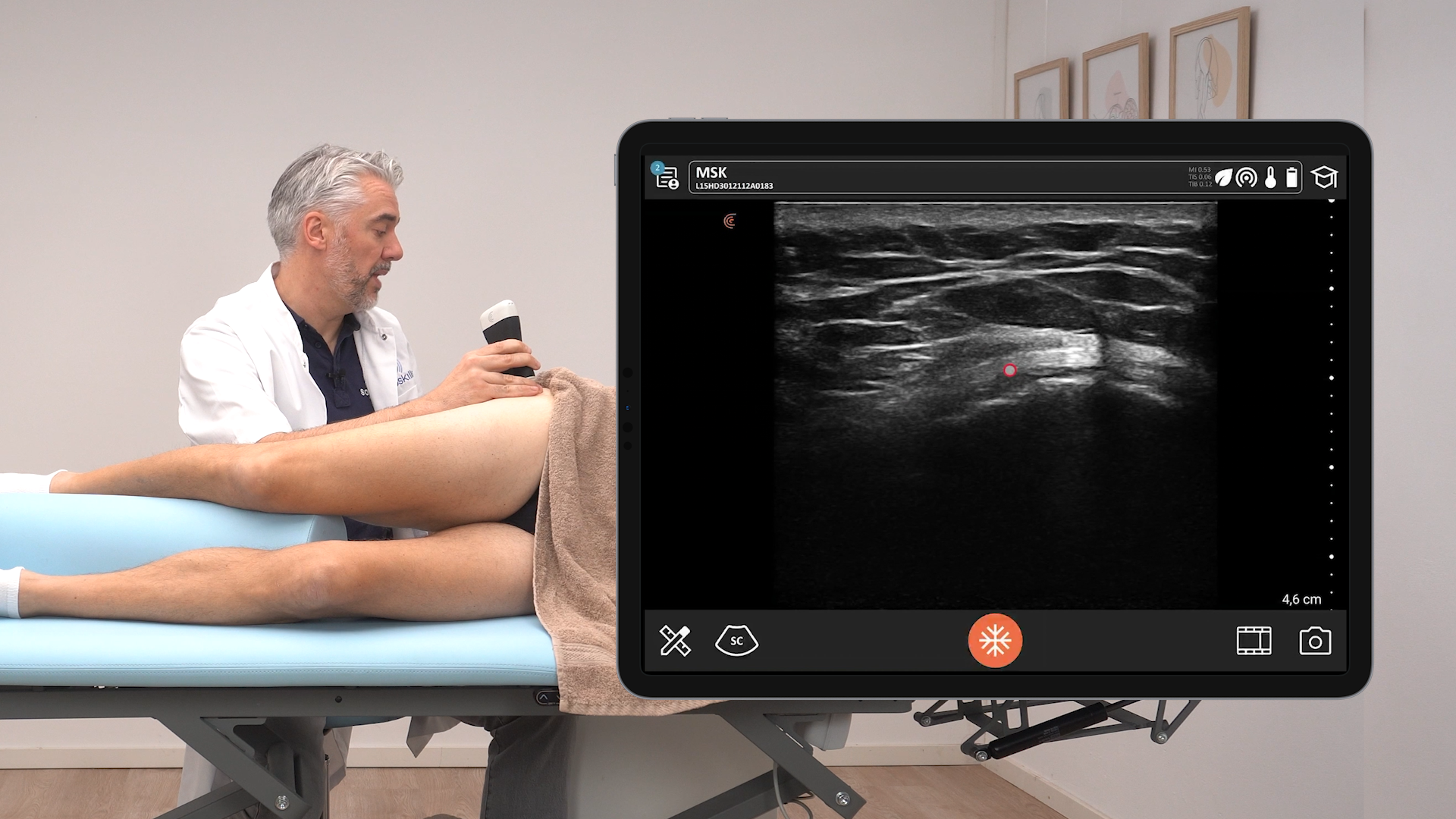
- Musculoskeletal Injuries: Quickly assess for joint effusions, tendon ruptures, and fractures.
- Respiratory Issues: Perform lung ultrasound to detect pneumonia, pleural effusions, and pneumothorax.
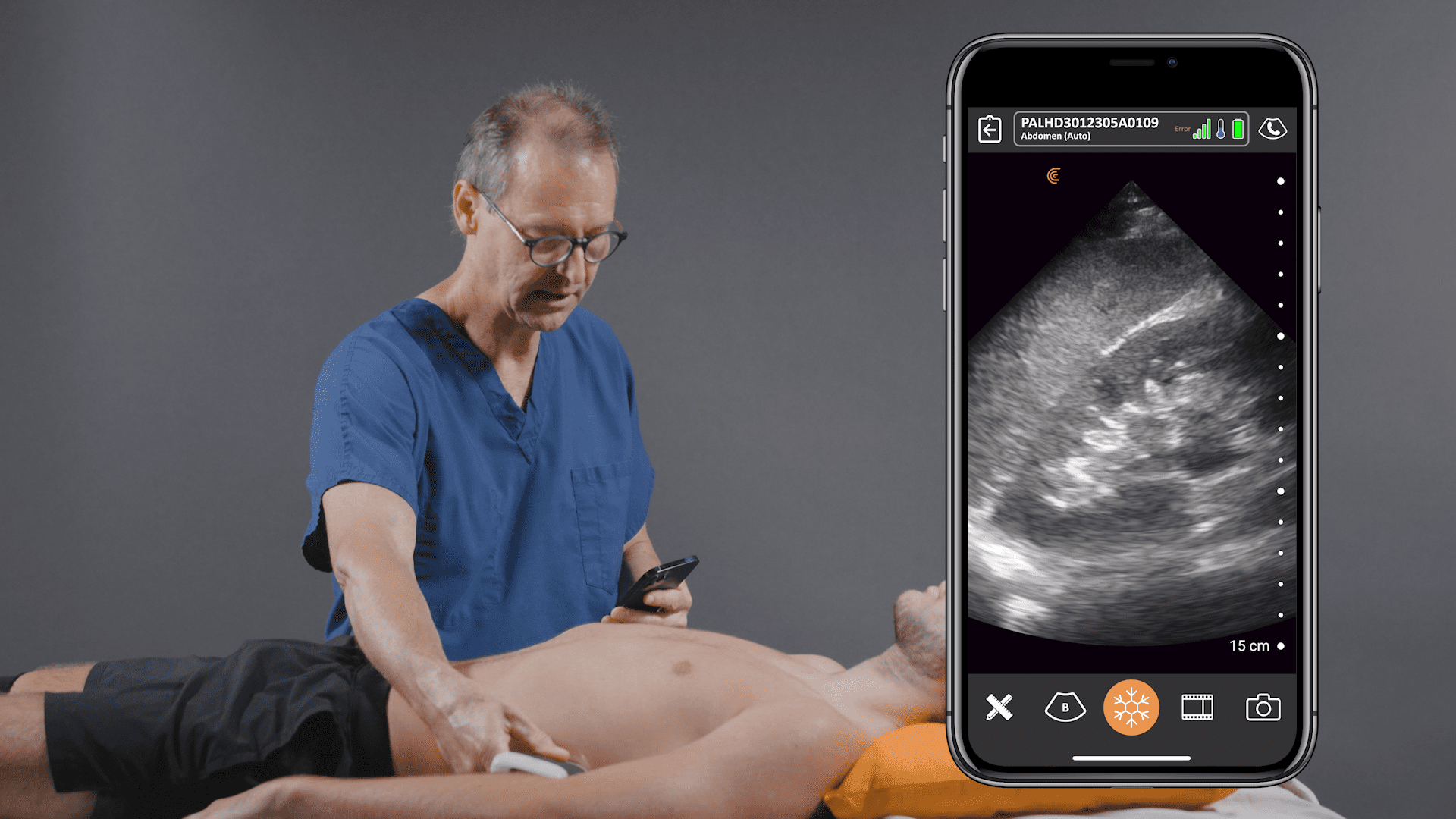
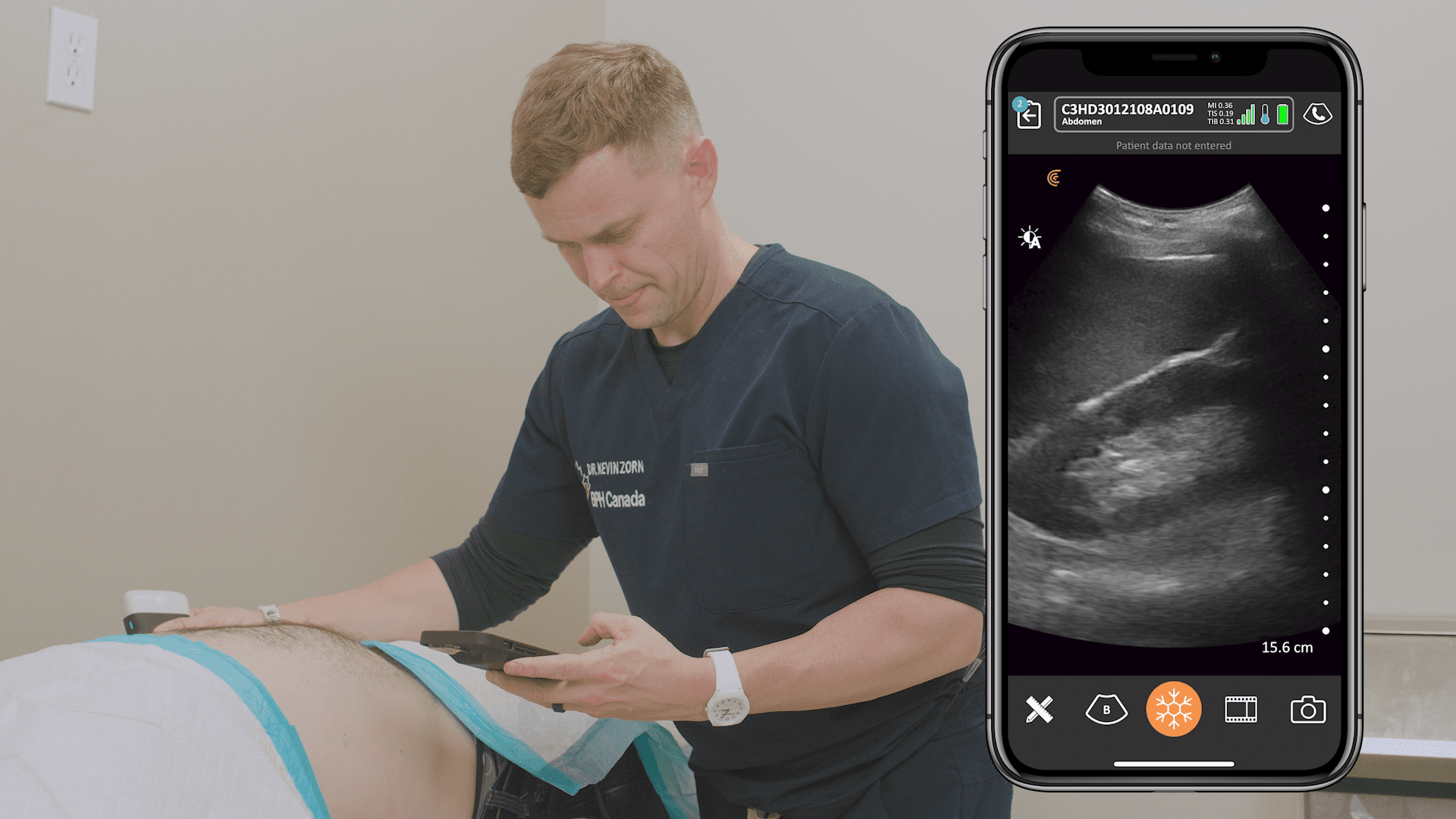
- Abdominal Pain: Evaluate for conditions like cholecystitis and kidney stones.
- Vascular Assessment: Evaluate for DVT in patients with lower extremity pain or swelling.
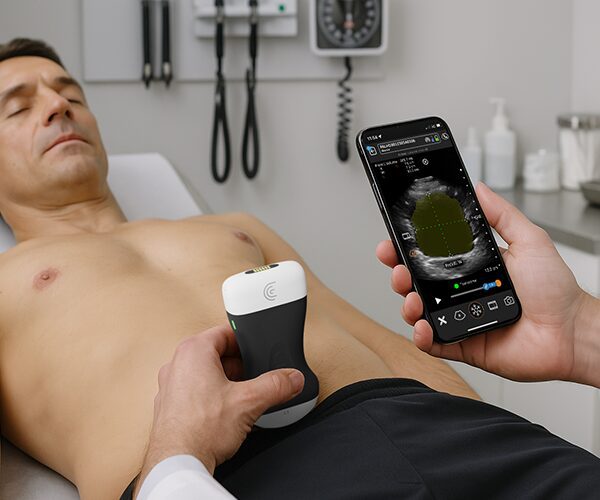
POCUS for Chest Pain
Watch this 90-second video to see Dr. Oron Frenkel use the phased and linear arrays of the Clarius PAL multipurpose scanner for a rapid cardiac and lung assessment for patients presenting with chest pain. Find dozens of free ultrasound training videos to examine virtually every body part on Clarius Classroom.
Can POCUS be Profitable for Primary and Urgent Care?
Despite the overhead costs of purchasing devices and training providers, Dr. Tatiana Havryliuk believes that a POCUS program should be profitable and provided guidance during the webinar on generating revenue through direct billing (in the United States) and increased efficiency.
Direct billing: For practices with fee-for-service contracts, POCUS procedures can be billed directly using specific CPT codes in the United States.
Increased E/M code complexity: Even if the CPT codes for POCUS are not in the contract, POCUS can be used to increase the complexity of evaluation and management (E/M) codes, leading to higher reimbursement.
Indirect revenue generation: POCUS can improve patient care and efficiency, leading to increased patient loyalty and attracting new patients. This can indirectly translate to increased revenue for the practice.
Cost savings: POCUS can lead to cost savings for the healthcare system by reducing unnecessary ER visits and avoiding more expensive tests. In urgent care settings, POCUS can potentially reduce the need for X-ray techs, further lowering costs.
Q&A with Dr. Tatiana Havryliuk
Q: Is ultrasound difficult to learn?
While proficiency requires training, modern POCUS devices and educational resources make it increasingly accessible. Focused training programs can equip physicians with the necessary skills.”
Q: How cost-effective is implementing ultrasound?
While initial investment is required, handheld ultrasound devices have greatly reduced the cost of entry. POCUS can lead to long-term cost savings by reducing unnecessary referrals and imaging.”
Q. Is the handheld ultrasound machine recommended for primary care POCUS? Are the images for handheld adequate for billing documentation purposes?
Yes, for sure. Yes. I think it is a really great option because it’s also very portable and more affordable. ”
Q: Can ultrasound replace traditional imaging?
POCUS complements, rather than replaces, traditional imaging. It is highly effective for focused assessments, but further imaging may be necessary for comprehensive evaluations.”
Q: What are the best ultrasound systems for primary care?
Systems that are portable, user-friendly, and offer high-quality imaging are optimal. Many handheld devices are very effective in the primary care setting.”
Clarius AI-Powered Ultrasound: The Ultimate Stethoscope for Primary Care
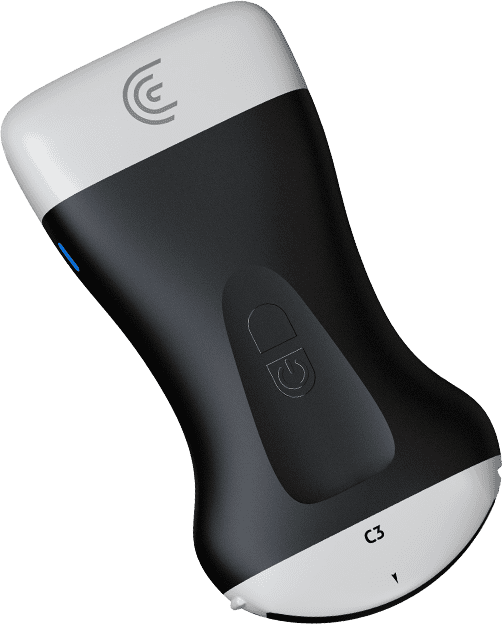
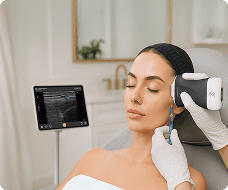
Primary care physicians love the high portability, ease of use, and superior imaging of the Clarius C3 HD3 multipurpose scanner for full-body imaging. Powered by AI, it offers automated workflows to scan every major body part – no need to master knobs and buttons! Wireless and pocket-sized, Clarius delivers the high-definition imaging and performance of traditional ultrasound systems for a small fraction of the cost.
Learn more about Clarius for emergency medicine and primary care. Contact us for a personal virtual demo if you’d like to discuss which Clarius scanner is right for your practice.