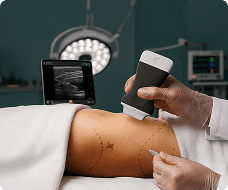
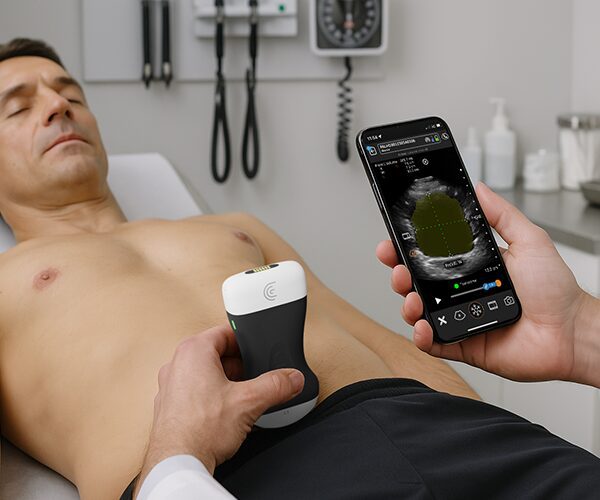
Welcome to my operating theater. We're about to do lipos suction of the flank, liposuction of the abdomen, mini abdominal plasty and plycation of the rectus abdominis from top to bottom. So before I start the case, I always do an ultrasound of the abdomen just to look up for any vententral hernas uh to again assess the thickness of the fat, the gap of the linear alba that contribute to the diastasis rect uh the diastasis recti. I will also look at how long of the length that I need to repair. So I can see that she had an a scar here and she had a history of minimally invasive uh surgery to her uterus back in uh back in 2020. So I first thing I do is I will look out for hernas. I will look out for the scars and I will look out for any vententral hernas from the incisions. Okay. So she has one small incision here. The scar is very well healed. So I will start my recording. I will use the msk mode so that I can see the muscle very well. And right on top of the scar I can already see that the the muscle the anterior sheath the posterior sheath are intact and I will ask her to cough to increase the intraabdominal pressure and and look for a hernas. Okay. Okay, one more time. Yep. So, the fascial is intact. There's no incision or heras here. This another scar here. Again, I go right on top of the scar. Assess for the fascia. Again, continuous layers. Okay. Okay. So you see a lot of movements but then there is no um protrusion any heras over the fascia and then we look at the incision down here. Okay. Okay. So I combine above a bit of physical examination and ultrasound ultrasound finding to look at the umbilical incision. And again the fascia looks very intact. Okay. I can rock my hand piece back and forth. Okay. And the fascia look intact. Okay. Okay. No fascial defects. No vent heras. Okay. Now then I proceed with my normal scan for a typical abd uh abdomen. Okay. So I start on the patient left side again just above the umbilicus about 3 cm I look at the fat layer the rectus and I will the midline freeze okay then I will measure the thickness of the fat it's about 6 mm and then the thickness of the rectus abdominis about 8 mm. So I will have my assistant here write 6 over 8. Okay. Okay. So roughly then I go down and assess the lower abdomen. And again you can see that in the lower abdomen there tend to be more subcutaneous fat. And again freeze. And we start measuring from the skin to the posterior she uh anterior sheath. And then another measurement here. So 12 over 7.5. Okay. So it's just right here. So that we know. [Music] Okay. Okay. Now we repeat for the other side. So I usually do this when the patient is awake before any general anesthesia. So I don't want to lengthen the general anesthesia team uh time. So I usually do this when the patient is awake and can uh cooperate with me. Also same level below the umbilicus. Freeze freeze and measure it. bit thicker and also going to measure this. Okay. So 130 8. Okay. So her rectus abdominis thickness is average you know 7 mm 8 mm. This is a typical uh thickness of a rectus abdominis in an Asian 30 years old Asian woman with a postpartum two or two or three times. This is a typical um thickness of the rectus abdominis. Now we look at the linear alba. Okay. So again, I will find the cyphoid which is all the way up here and then her ribs are pretty flaring down here. So it's very hard to scan up here, but you can pretty much scan just below the ribs and then you go down and you kind of look for an area of most widening and thinning of the linear alba. So we scanned this patient before and we know that her um linear alba separation is about 24 25 mm and this is about that area. Okay. Yeah. About 24 mm. So this area here. So I will mark this area as my widest area of separation. Yep, that's the widest. And then it start getting smaller and smaller. I also sometime I will look for the area of thinnest linear alba. But her linear albai look pretty uniformly. Um the thickness look pretty uniform. And it seems like the area of wider separation is also an area of thinness line. And this is about 2 mm which is not bad at all for the upper abdomen. It's okay. Never mind this. Okay. So we know it's go all the way from here to here. Okay. Now we just check the lower abdomen for any separation. Okay. Nothing special in the lower abdomen just thick layer a fat which we will take care. And then she can you know when you look at the abdominal um the rectus abdominis this fin you will encourage the patients to do some core exercise after her after she recover from from our surgery. Okay. To improve the tone and the thickness of the rectus epinus. So we only need to fix the separation from the umbilicus to this level. Okay. And this is also a good opportunity to assess for intraabdominal fat or visceral fat. What I do is that I look at the thickness of the baratonium fat. Okay. So sometime when the patient rip is flaring like this a longitudinal view may be better. Okay. So in a longitudinal view this is your linear alba and you pretty much look for an area of this is the paratonium here. Okay. So we are looking for an area of maximum thickness between the linear alba and the paronium. crease. Okay. So, we can kind of measure the thickness here. This is a rough estimate, but it's about 12 mm, which is not bad. And then I look for the area of minimal subcutaneous thinnest subcutaneous fat. So look like this area here which is about 7.8 mm. So we got um the fat mass index of 11 over 7.8 which is relatively okay. Um this again is an emerging field. I'm I'm measuring this and I'm recording the data and there's still need to be more um data and um and research on this but I think it's something that we can measure pretty readily and it's and there have been research that show the thickness of a prearatonial fat correlates to metabolic disorder. So this is an area of active research that we can actually engage in just using the ultrasound because I going to repair quite aggressively. I want to check her linear semol lunaris line again. I checked that again um during the consultation already and I know that she had a thick I know that she has a thick um linear semoluna line but I still going to check again just to be sure. So you see the obliques muscle group here again the external oblique internal oblique and transversus abdominis and as it become as the transversalis abdominis becoming the posterior sheath of the rectus abdominis. This is where the linear semoluna line is and for her is quite thick. I have no I will have no issues fixing her this gap freeze. Yes, she has very thick linear simuna line and I am not concerned. Yeah, 7 mm. So I have no concern fixing uh using the the the gap of 6 cm to fix her uh rectus separation. Okay. Um the other side. Yep. Again. Very thick. Okay. We measure that already. We don't have to do it again. Very good. My assistant just remind me to look for um perforators, you know, big vessels that may bleed. Now I'm not too concerned in this lady because you know she didn't have history of massive weight loss but um around this area 6 cm from the costal margin and about 4 cm from the midline on each side you have a pretty reliable perforators that sometime you cannot see in B mode you can kind of pick up with a power dppler and yeah don't Not really. We don't really see that today. Not really. No. No big perforators to look out for in this lady. So we just do our typical tumes and it's okay. All right. So that's it for my uh preop assessment uh of the abdominal wall with an ultrasound. Uh thank you very much for your attention.