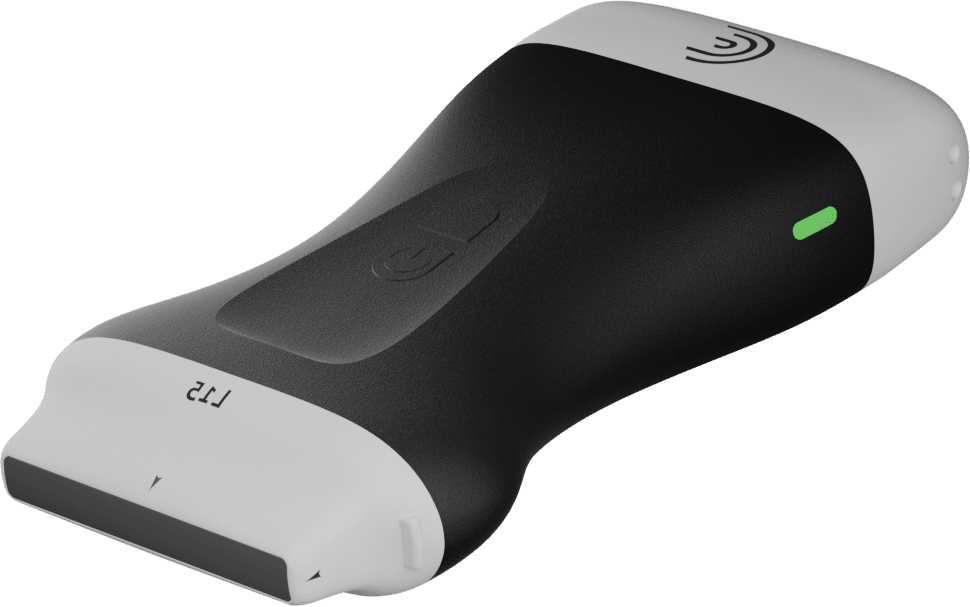
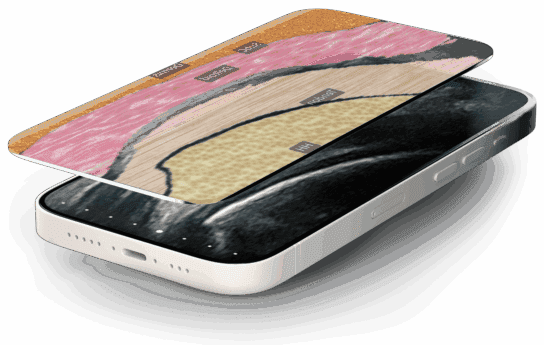
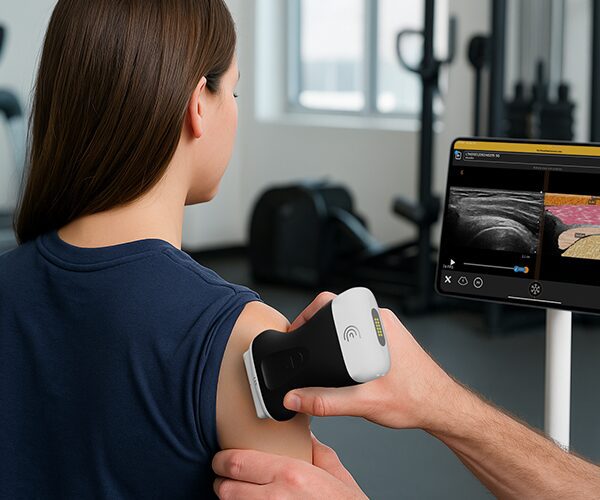
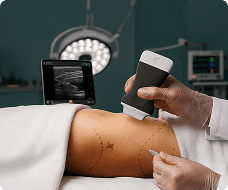
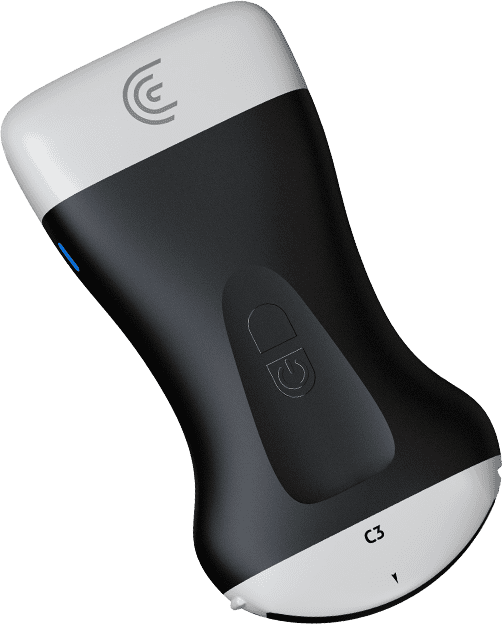
okay so we're going to demonstrate today a pars achilles technique of repair of an achilles rupture now in this situation we're obviously using a cadaver i have actually opened up the region here to be able to see i've opened up the parateen on i did not go ahead and cut the achilles as there's really no need it will help us on this cadaver to maintain traction and not overly so and how to rip out proximally so i'm going to leave that tendon in place the whole purpose of this to demonstrate that the ideal way to do this technique is actually using ultrasound if it's done without ultrasound you might actually pass the wire and the sutures the needles unfortunately superficial or deep to the tendon or just at the edge of a tendon so you really do need this technique to make sure you verify you're in the proper spot so if we take a look we can see our achilles really well right there very nicely and we can see actually metal pieces kelly we're going to have you fire across the first one hold on hold on right there stop right there there you go you see it you can see it really nicely and you can see that in this case for the tendon we are nice pretty much right in the middle of that tendon it looks really good and so that's really a nice shot so we can go all the way through pass the wire beautiful and you can see the suture you can see the suture slide it back and forth you can see it sliding actually see it's sliding there you can see it really nicely sliding back and forth and you can see that we're nicely in that tendon right pretty much in the middle of it so let's go and do the next one number two now what i'm gonna do is i'm gonna orient and intentionally try to make you miss kelly okay so if you screw up it's it's actually not your fault this time and so you can see just bring it across slowly a little bit hold on one second there's our needle so you can see the needle right kind of jiggle the needle a bit kind of push it through a little bit push it through just stop right there stuff right there you can see we are way way way way way too far away we're too deep right and so if we pass this suture you're not grabbing the tendon this would be inappropriate so if you're pushing down you never really know it so go ahead and pull that back a little bit kelly pull it back break this up stop stop i'm going to reorient the jig now go ahead and pass it through hold on hold on steps what's up there cc now now we're through the middle now it's perfect go ahead and pass all the way through beautiful and pull that out and then you can see that suture right in the dead middle of the tendon right where we want it okay let's go ahead number three hold on hold on let me get to the spot once again i'm going to make it bad intentionally push through hold on stop right there stop right there and they can see it see it and take a look we're way deep to where we want to be so that would not be appropriate i would not want to accept that so pull it back a little bit there you go and then i'm going to reorient the jig and let me get on there now go ahead and push through and boom yeah right there that's beautiful it's beautiful okay maybe a little even superficial but i think it's totally good go go all the way through you can make an argument that maybe one you can be a little deeper than that but i think it's actually good for our purposes today looks good let's go for the next one now in this technique we're passing four sutures percutaneously and you can see that there'd be no other way to identify whether you're in the right spot or not now i've hopefully made this in the right spot and go ahead and pass that through and there you go see it's going through just perfectly that's great go that's like dead middle yeah that's beautiful pull that all the way through yep beautiful great equalize that out the length fantastic okay now for number five this technique can use either five i believe seven uh possible sutures is that right kelly uh yes uh five total and then seven holes to make it happen right you really can't pass that as many times as you want okay stop right there let's just verify and yep once again dead middle good shot kelly perfect go ahead and go all the way through and pull it through go ahead all the way through at this point it's really easy if you want to reset these like let's say you did make a mistake it's no problem you can just pull the suit trout and redo it it's not a big deal but you can see as i scan through there's one there's four there's three there's a two and then where's that one there's one right there but you can always just you see it's how it's a little bit loose in the tendon because it's straighten it out but it's easy to see them easy to confirm that you're happy with them or not you can easily redo any of these to make sure you're in the tendon appropriately at this point the ultrasound portion is now finished and all we have to do now is pull all these sutures through our distal incision and at this point you have full control of your achilles approximately we now have to do is pass them under the skin to the calcaneus and then fixing the calcaneus one on each side and that will hold it in place to do your pars achilles repair but it's something that i think is absolutely necessary to have been done using ultrasound without it i think this is a very tenuous procedure and unfortunately would be difficult to do and have a high chance of failure because you might miss easily