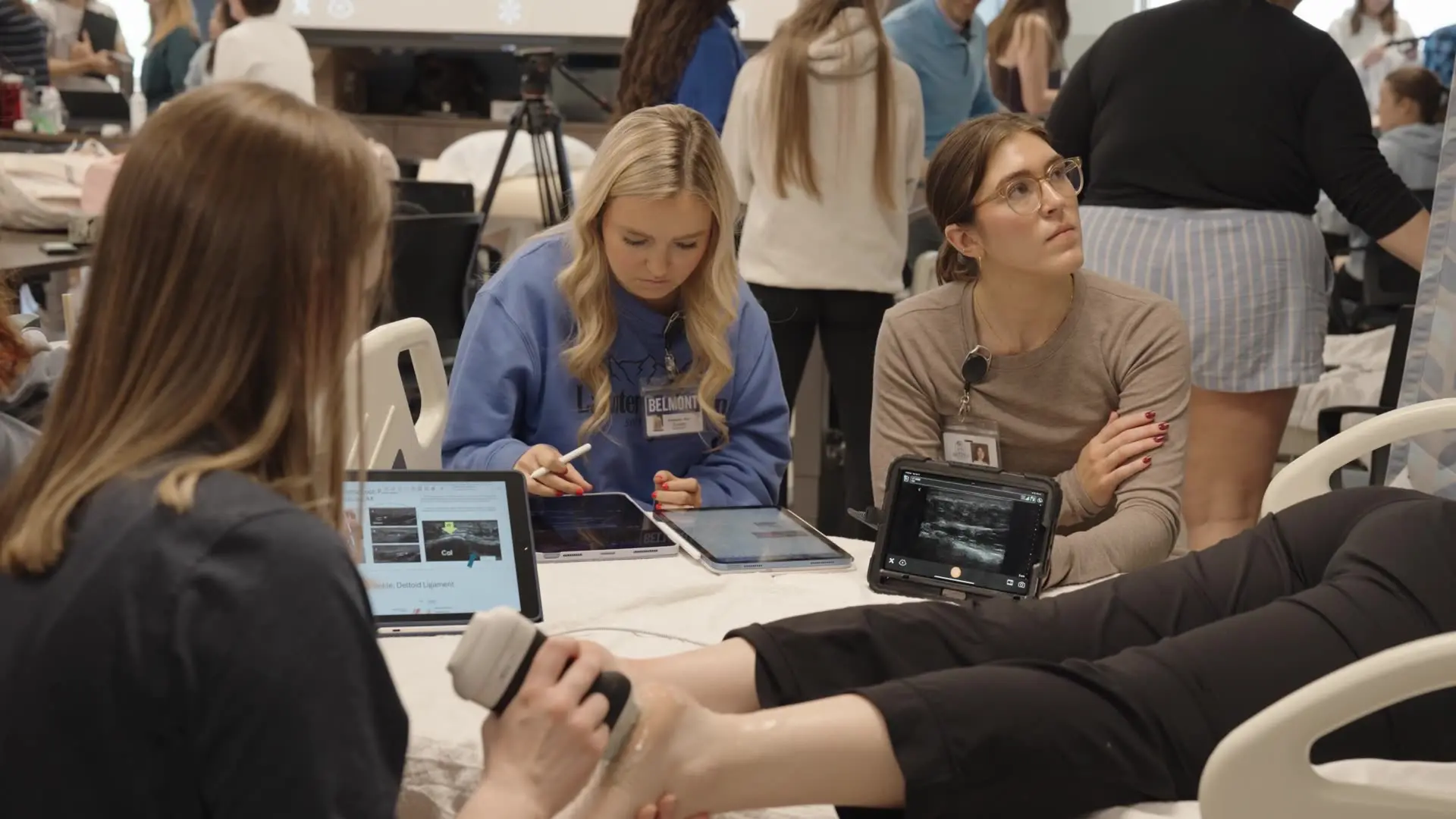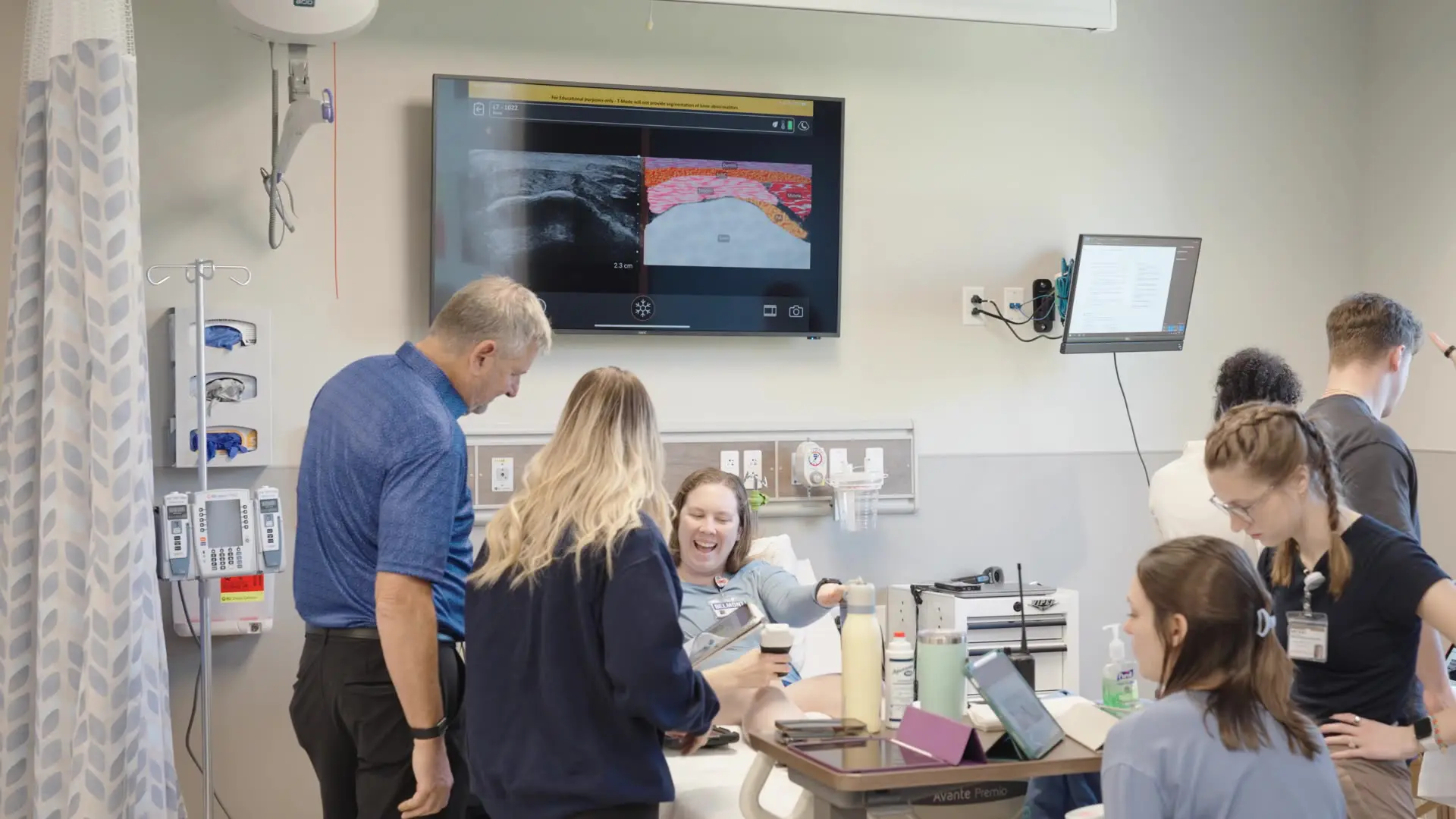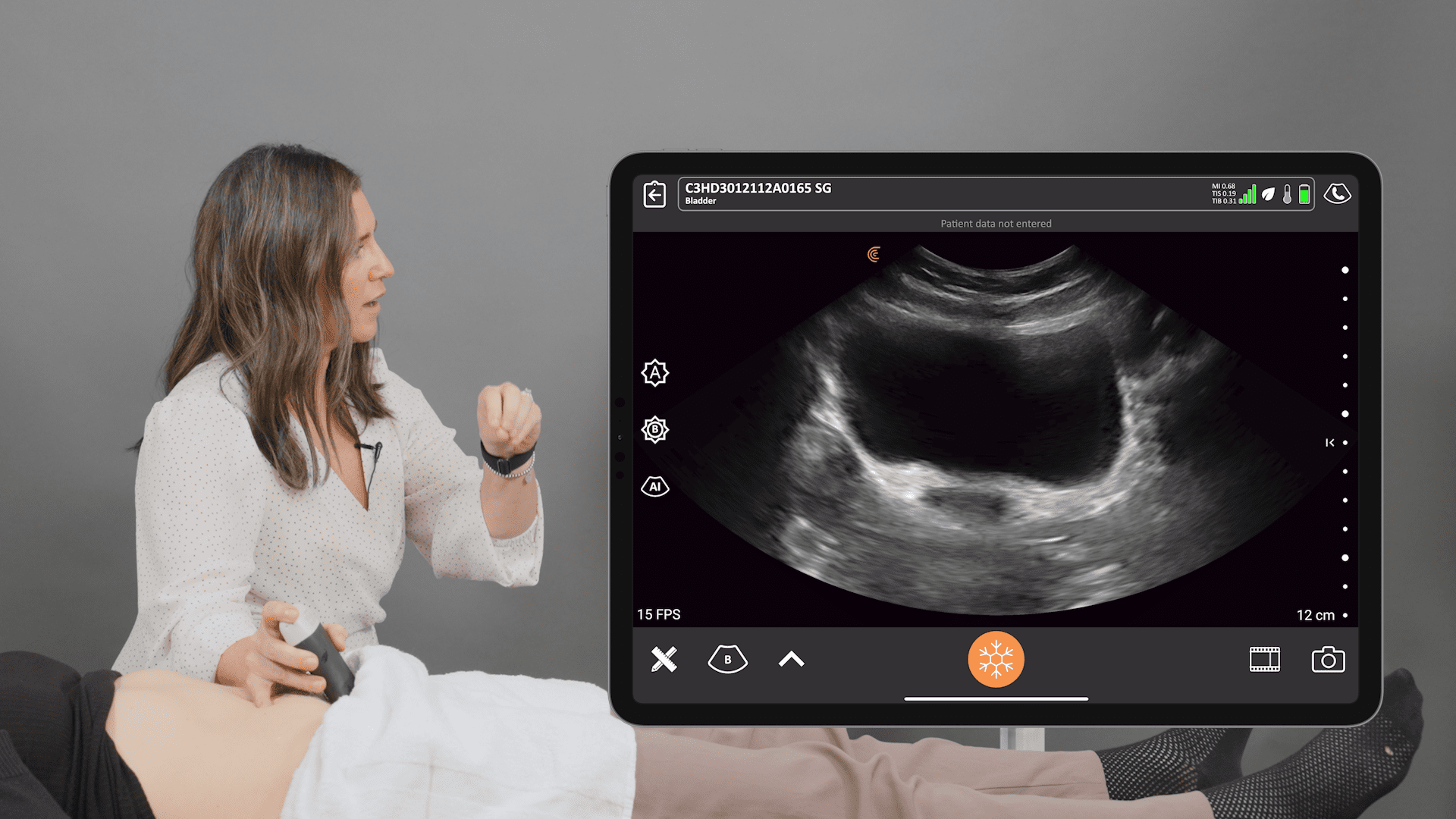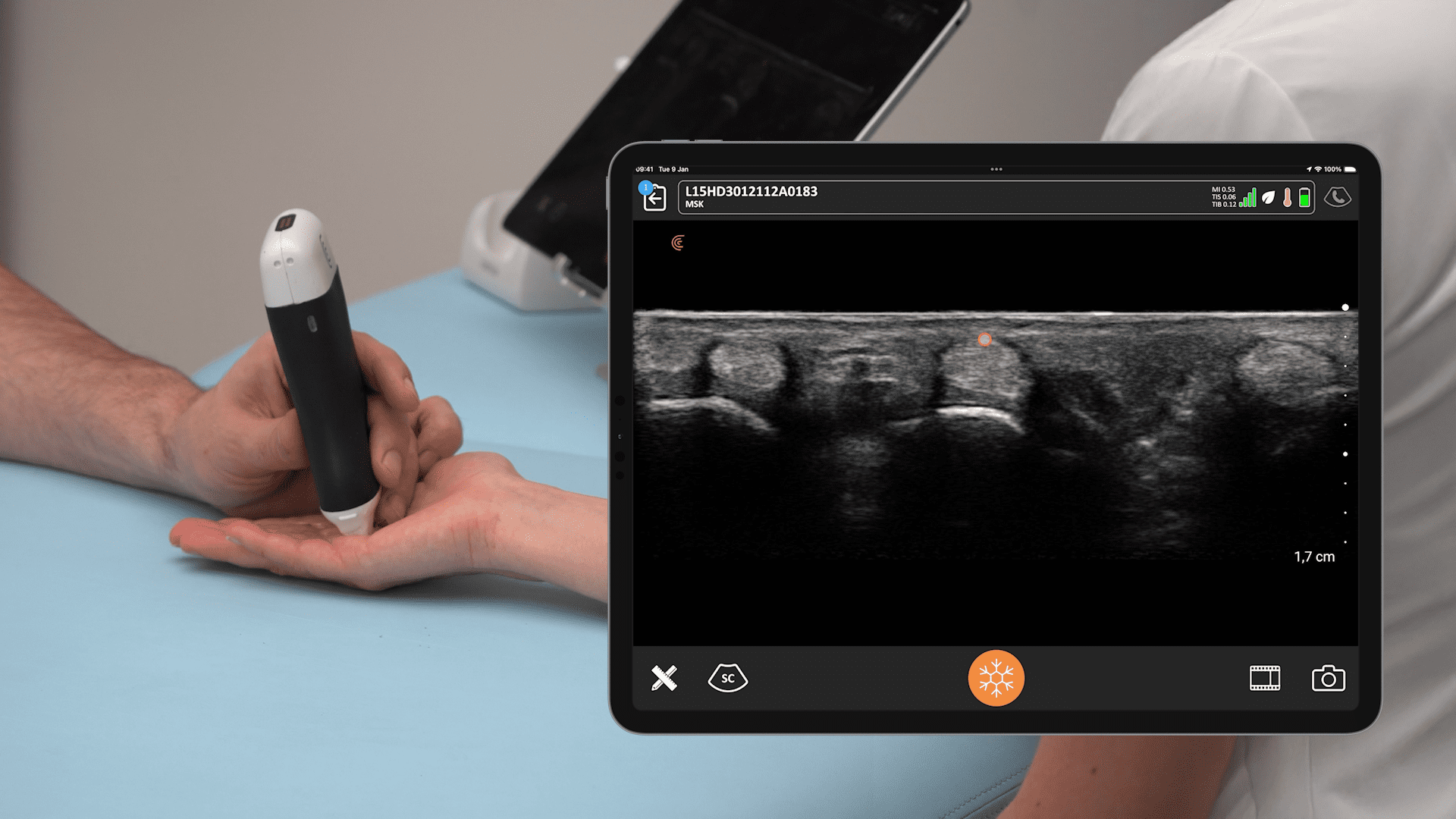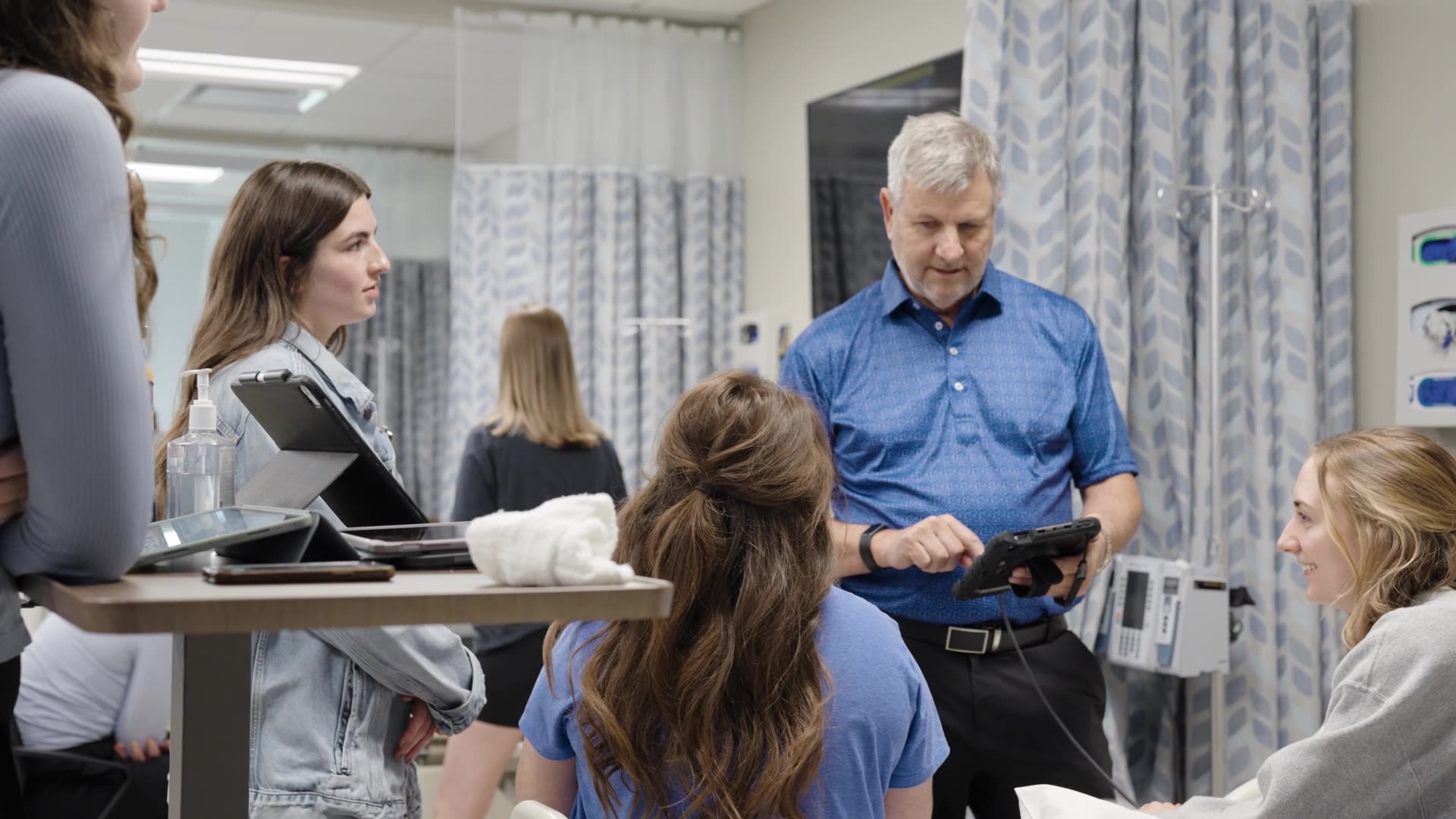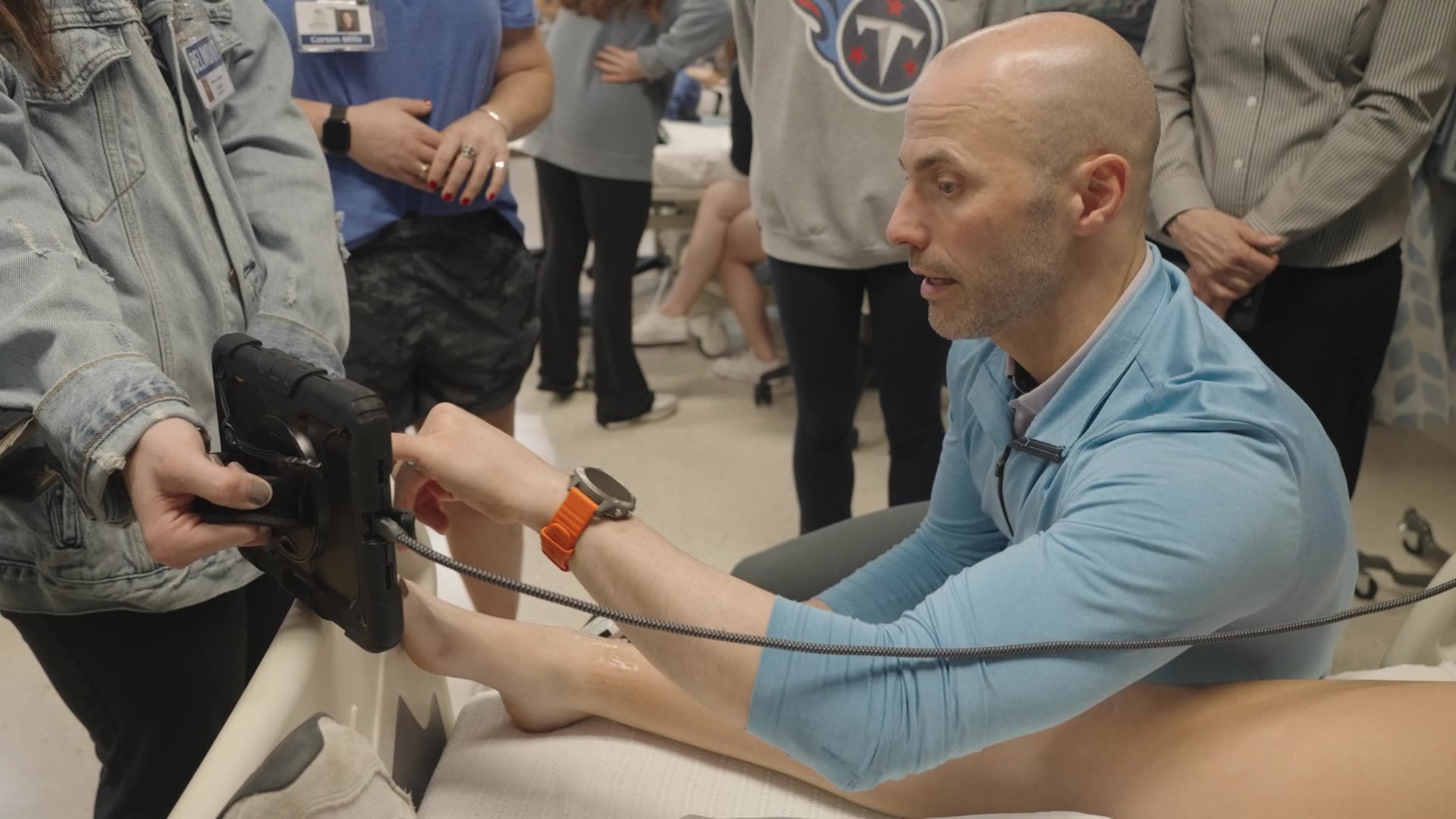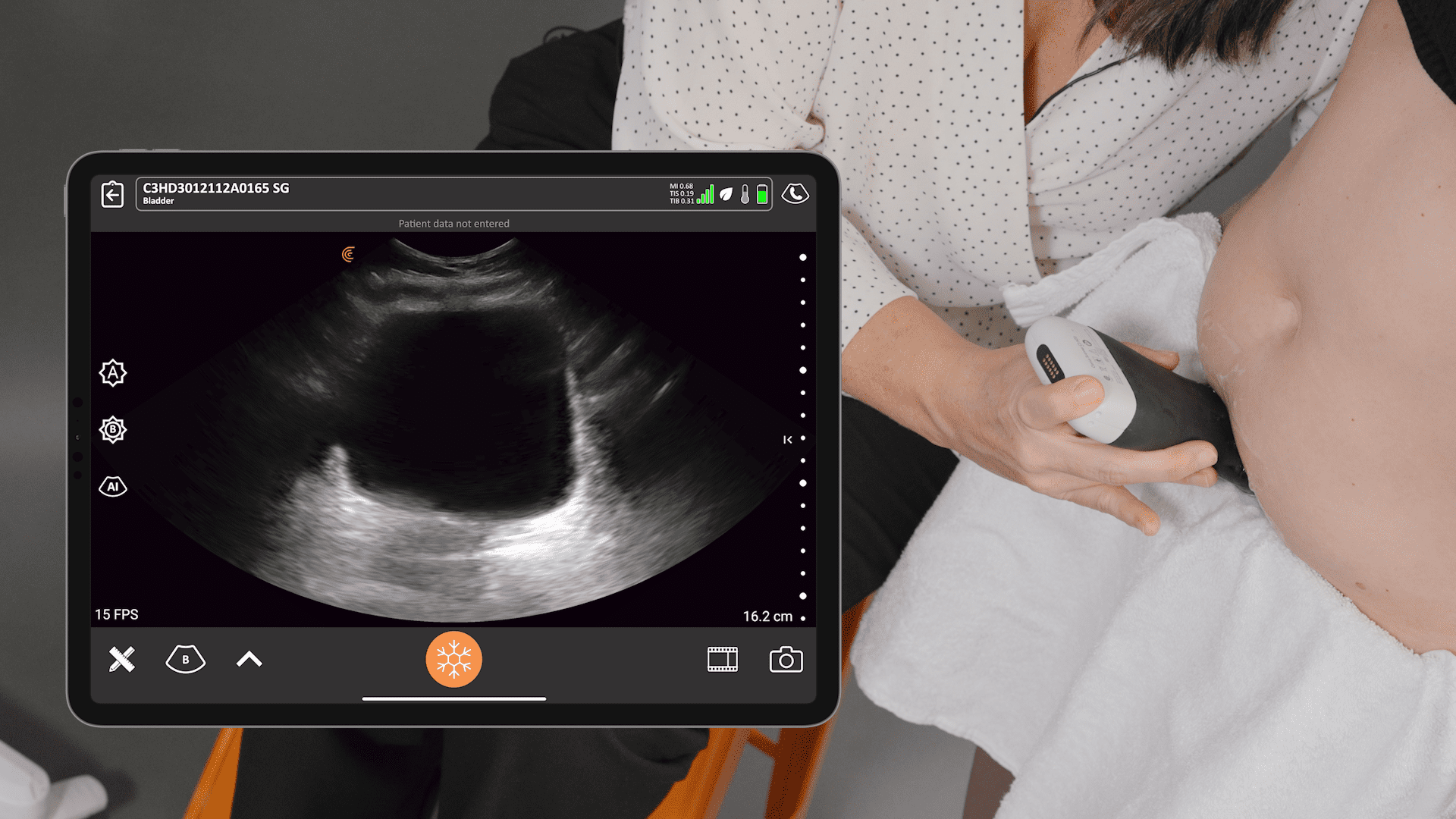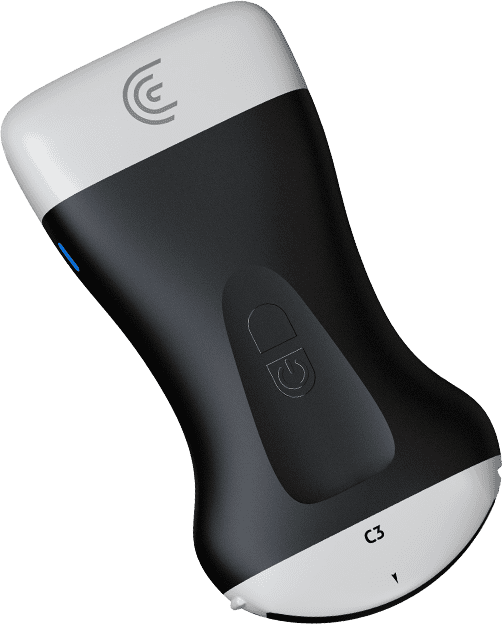



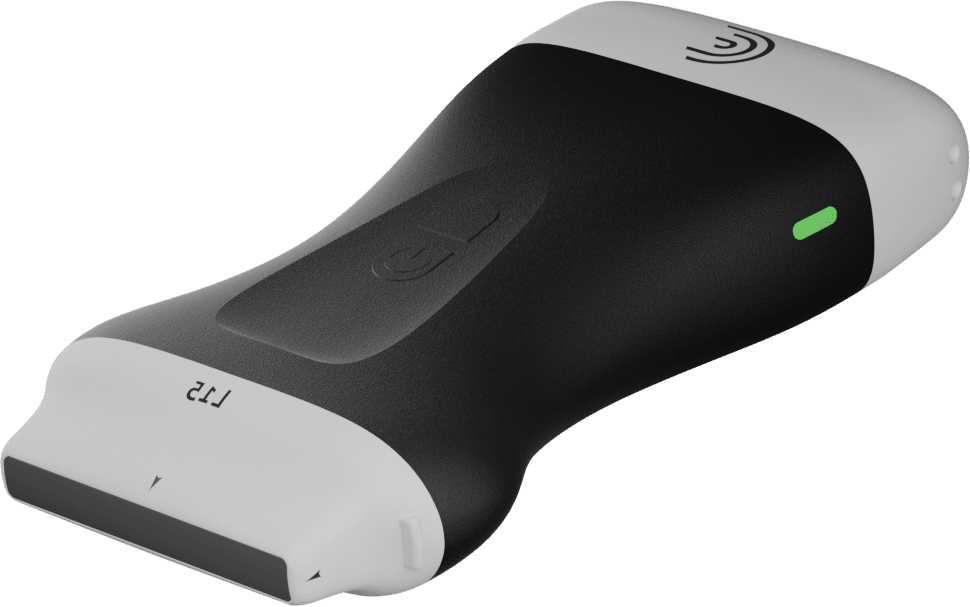

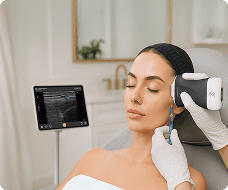
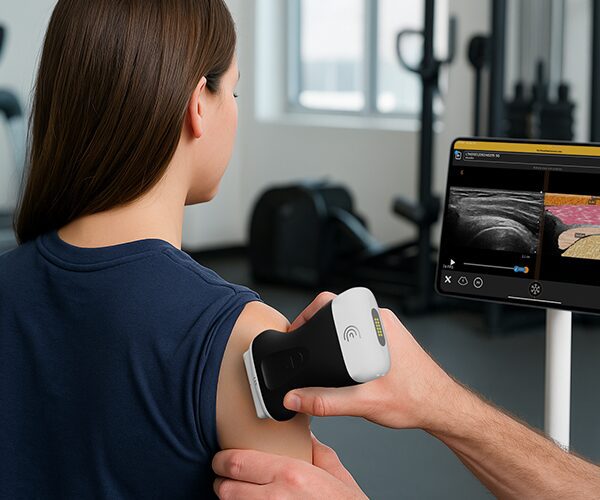
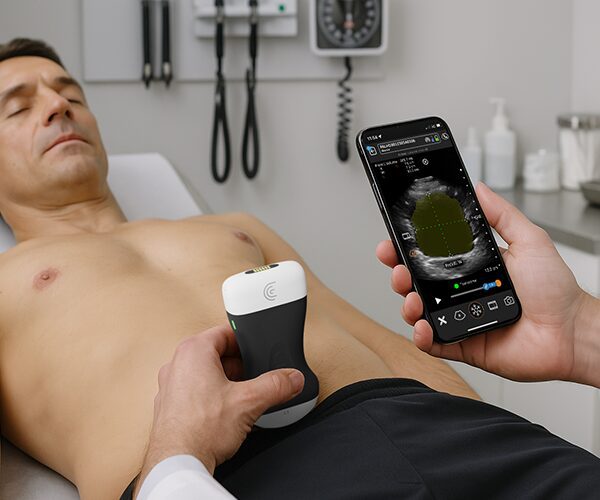


Learning diagnostic ultrasound can be intimidating. Traditionally, it has required a lot of time and practice to become proficient at interpreting the complex, grayscale representations of anatomy. Now, a new generation of physical therapy students at Belmont University is accelerating their learning, given access to easy-to-use ultrasound devices equipped with AI-powered smart features. The university recently introduced Clarius handheld ultrasound program into its orthopedic curriculum.
We visited Belmont in Nashville, Tennessee, and spoke with some of the university’s first-year residents who are involved with teaching new physiotherapy students. The residents shared their perspectives on how ultrasound is valuable for delivering better patient care in their practices and how Clarius Intelligence tools are particularly useful for students learning to use ultrasound.
Bridging the Gap: From Guesswork to Precision
For physical therapy students, learning to use ultrasound is a crucial step toward providing more precise patient care. According to resident Jacob Storey, it’s a tangible tool to show patients what’s happening inside their bodies.
He explains that it’s valuable to show patients their anatomy in real time to explain why they are experiencing shoulder pain. “I think that gives the patient a sense of buy-in and a lot of trust in you.”
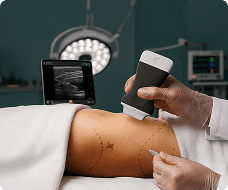
Using ultrasound removes the guesswork, allowing students to see exactly what they’re doing in real-time. Resident Liz Grogan notes that this is especially helpful for procedures like dry needling, stating that the ultrasound “gives me the confidence that I’m actually hitting the structures that I’m intending to hit.” This precision minimizes risk and increases confidence for both the student and the patient.
Clarius Intelligence: Smart Features that Accelerate Learning
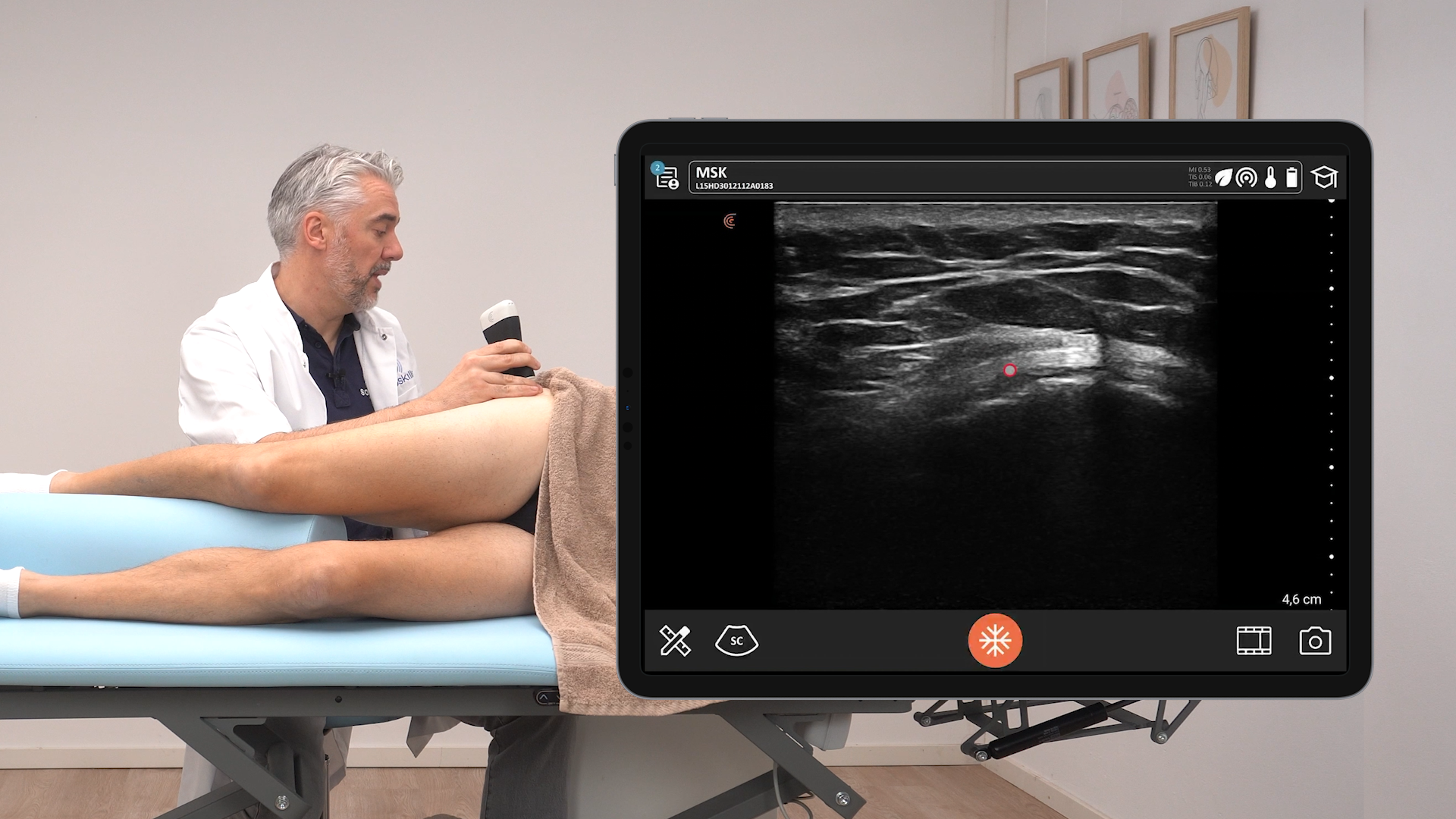
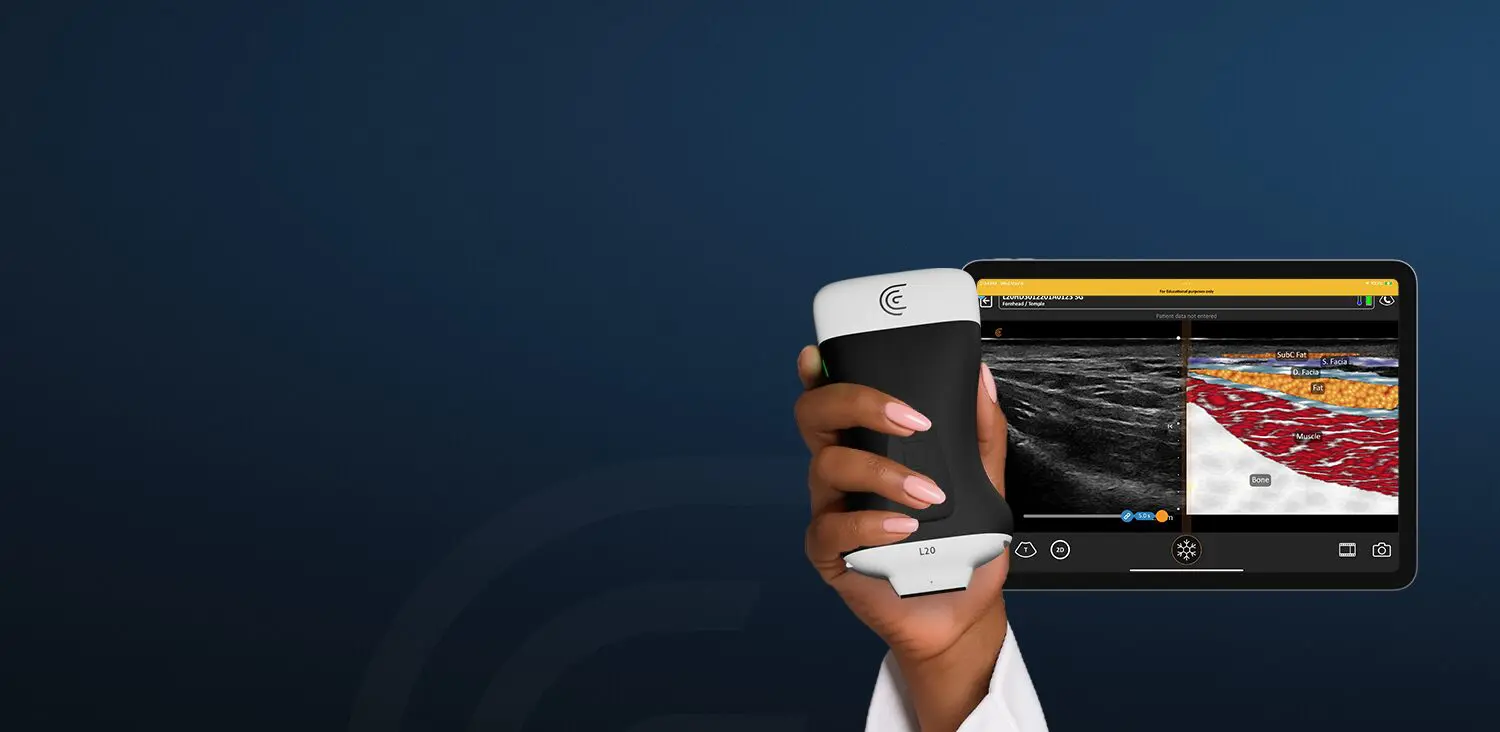
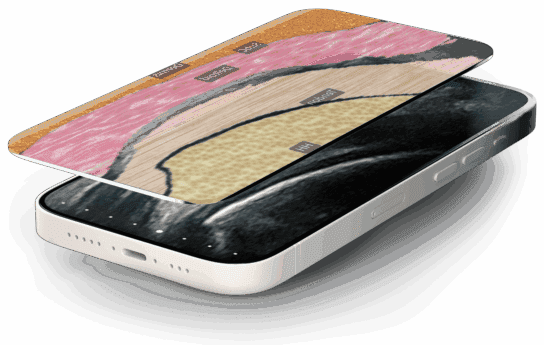
The Clarius ultrasound system, specialized for musculoskeletal applications, is making the learning process far more efficient. A key feature is Clarius MSK AI, which automatically identifies and measures anatomical structures on the ultrasound image.
Melanie Kos, a physical therapy resident, highlights the importance of this feature: “I personally wish I had it when I was learning it. The students who are learning it now, being able to watch them use it in real-time, are much quicker at being able to identify different structures. I think it goes a long way in terms of long-term being more precise when you’re doing the diagnostic ultrasound.”
But the AI helps by telling them: “In clinics, clinicians would be more amped to use it, having more real-time things to guide them.”
Clarius T-Mode helps students quickly identify structures like the tendon, cartilage, and bone, allowing them to focus on technique rather than image interpretation. This not only makes learning faster but also leads to better long-term retention and application.
[VIDEO] MSK AI
Watch this 60-second video to see MSK AI in action.
A New Standard for Patient Care and Education
The residents believe that the ability to integrate ultrasound into physical therapy practice is a significant advantage. It allows clinicians to provide more specific, individualized treatment plans and track progress more effectively.
You’re just able to better have a treatment approach that’s more specific and individualized to each patient,” says Melanie Kos. She adds that with the ultrasound, they can see measurements of a tendon and compare it over time to see if a treatment is truly effective.
The residents featured in the video all agree that they wish they had had this technology from the beginning of their studies. They recognize that tools like the Clarius ultrasound, with its advanced features, will shape the future of physical therapy education and patient care.
Liz Grogan summarizes this perfectly: “I think the Clarius Intelligence feature has shaped and will continue to shape the way that we’re able to teach MSK ultrasound to students in the future.”
By providing instant feedback and a clear visual guide, Clarius is not just teaching students how to use a tool; it’s empowering them to become more effective, confident, and precise clinicians from day one.
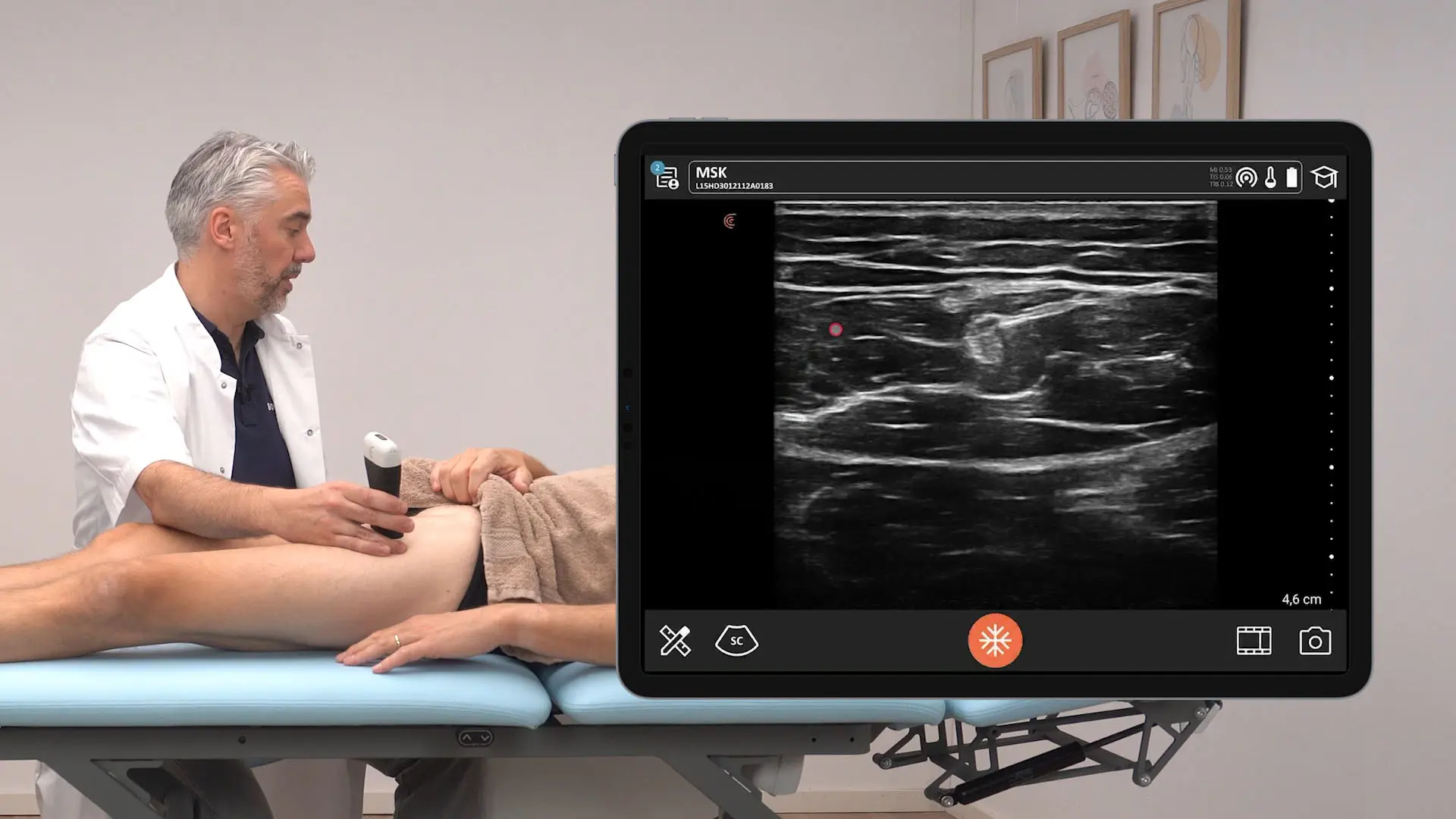
[VIDEO] Clarius T-ModeTM for Anterior Knee
In this video, Shelley demonstrates Clarius T-Mode for ultrasound users learning how to recognize ultrasound anatomy of the anterior knee.
Free Webinar Available Now: Reimagining MSK Education
To learn more about how handheld ultrasound is transforming MSK education, tune in to this recently recorded webinar featuring physical therapy educators Dr. Mike Voight and Dr. Chris Wolfe from Belmont University: Reimagining MSK Education: Teaching Ultrasound for the Next Generation of Clinicians
During this one-hour session, you’ll learn:
- The MSK Gap – What’s missing in most training programs today, and how this affects patient outcomes and care efficiency.
- What Practice Demands Today – Common real MSK cases where ultrasound changes decision, outcomes, and billing.
- How Education is Adapting – A behind-the-scenes look at how Belmont is equipping students with ultrasound skills from day one.
- Lessons for Practicing Clinicians – With simplified imaging and AI-powered guidance, it’s never been easier to learn MSK ultrasound.
- Getting Started Tips – What matters most when selecting an ultrasound system, plus practical steps for clinicians and institutions.
Curious About Clarius MSK Ultrasound for Your Institution or Practice?
If we’ve piqued your interest in discovering whether Clarius ultrasound is right for your practice or teaching institution, we invite you to book a virtual demonstration. We’ll be delighted to show you why Clarius ultrasound is the leading choice of handheld ultrasound for discerning clinicians.