




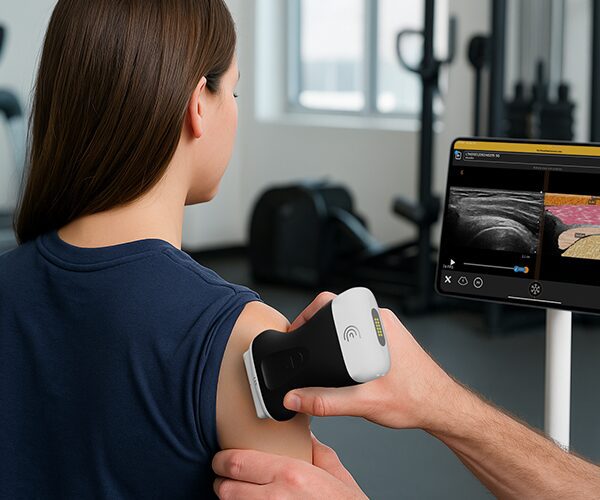
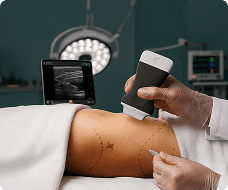
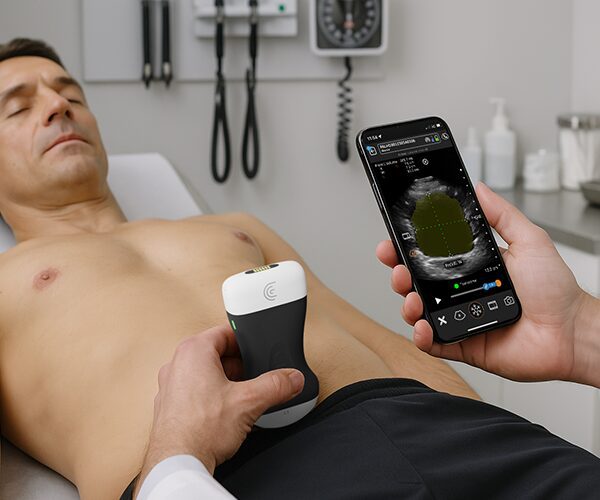
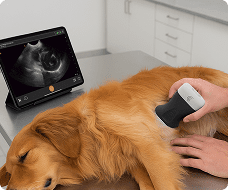


Learn to scan the intestines using the Clarius C7 HD Vet. In this video, you’ll see clear views of a normal duodenum, colon and ilium. Indications for scanning include vomiting, diarrhoea and abdominal pain.
hi i'm camila edwards from first opinion veterinary undersound and i'm going to demonstrate how to use the clarisse c7v to scan the intestines of the dog so we'll start with the jejunum we'll place the probe um near the left kidney you can see that there and then we make a castle pattern just like we do on a microscope slide to systematically review the abdomen we cannot follow the jejunum from one end to the other so we move down from the left kidney eventually and we can see loops of intestine coming into view and we're looking at wall layering wall thickness are they normal once we've reached the ventral aspect of the abdomen we move slightly quarterly and then we move dorsally still keeping an eye out for loops of intestine looking out for any increased thickness or loss of layering in the wall and we proceed like so continue all the way back until we reach the bladder then we know we've seen the whole portion of the cranial abdomen which contains the jejunum if we find a loop of intestines which is interesting we can reduce the depth to have a closer look for example this longitudinal piece of jejunum here we can measure the wall of the jejunum to view the colon from this side we have a look through the bladder to increase the depth again in through the bladder dorsally we can see a gas-filled structure beyond the bladder here we have a hyperechoic line which is showing the colon the gas in the colon this is a longitudinal view and we can rotate the probe to get a rounded shape for the colon which is the transverse view we can also follow the colon cranially so we look at the colon from the side here and we can follow it the descending colon cranially until it disappears off towards the left when we get to the spleen as the transverse colon so we've flipped pippi over so she's in left lateral recumbency now and we're going to scan the right hand side of the abdomen for the intestines so again we'll start at the right kidney and we'll move and see the right kidney just there on the screen and then we'll move slide ventrally slowly ventrally down the first straight superficial dorsal loop of small intestine we come across will be the duodenum and that's exactly what we can see here we can follow that cranially to the pyloroduodenal junction and we can follow it quarterly to the caudal flexure and that is the duodenum we can also get a transverse view of the duodenum and then we can do a castle pattern just like we did on the other side so scanning all the way down we may want to increase our depth slightly we're looking out for any unusual loops of intestine here we can see the ilium which is a very short piece of intestine we can follow that to the ascending colon and we continue until we get back to the bladder and that way we can be sure that we've seen all of the intestines from both sides of the abdomen by doing the castle pattern on both sides on the left hand side we are likely to see the descending colon and the jerijunum on the right hand side we will see the duodenum uh as the most dorsal superficial loop of intestines and we know it's very straight as well we'll see more jejunum and we'll see the ascending colon and the ilium