



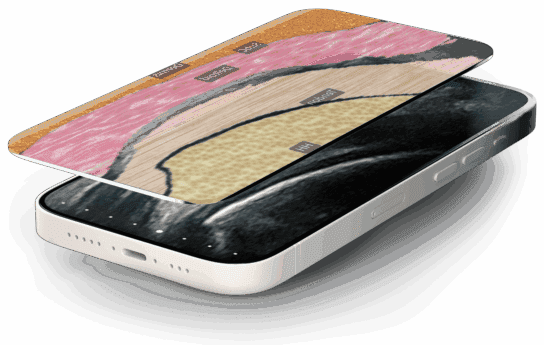

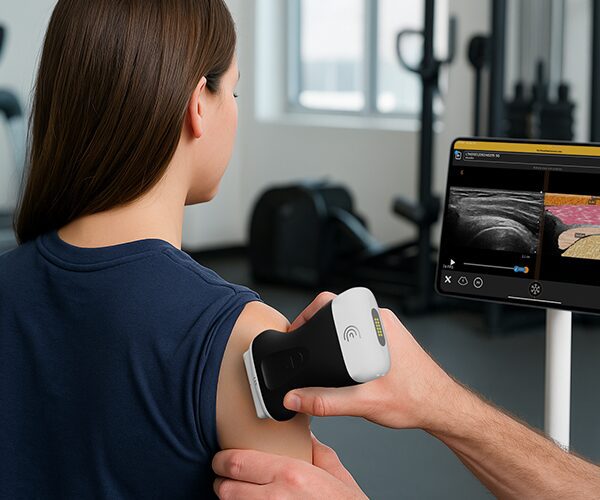
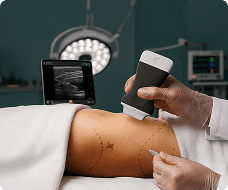
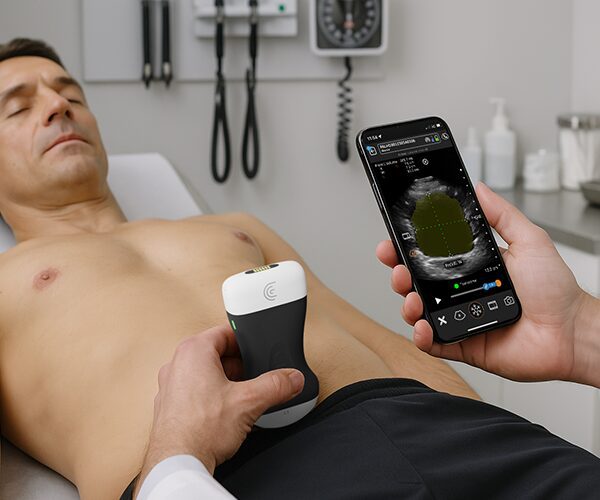


Identify the arteries of the face prior to any injection to minimize risk of vascular occlusion or puncture. Ultrasound reduces the risk of facial injection and eliminates ambiguity around the high degree of anatomic variability. High frequency transducer is required to identify the various arteries across their course and their depth from surface or adjacent structures can be easily measured.
as you know if a vascular structure is injected you have the risk of vascular occlusion or even blindness so identifying where the vessels are and their depth is very important to prevent these complications and so what what i do prior to injecting patients is identify the main vascular structures in the area where i'm injecting and see what depth they are so when i'm injecting i can be either below or above the vascular structures that are critical in that area so let's first start out in the temple area where the superficial temporal artery is and i've already put some gel on and let's take a look and we use colored doppler for this so here's a good view of the superficial temporal artery and this will be superficial to the temporalis muscle in the superficial temporal fascia and so let's freeze it and let's measure the superficial temporal artery see it's a pretty substantial vessel now let's uh measure it from the skin surface it's actually very superficial in her case it's going to measure about 1.8 millimeters deep and let's take a picture of that so right down here that's the temporalis muscle and then you see the superficial layer the d temporal fascia here and then this is in the superficial temporal fascia so that's the superficial temporal artery very important vessel when you're injecting the temple to know where that is to prevent some blindness now let's go to the angular artery which is in the nasolabial fold this is one of the more common vessels that is injected and causes vascular occlusion so here's a cross-section of the angular artery which is the continuation of the facial artery after it gives a branch of the superior labial artery and so this is the angular artery and let's measure how deep it is in this area so in this area it measures about 3.125 millimeters deep so that's pretty superficial but you see that there's a plane below and a plane above for your injection so you have to decide which you just don't want to be in the middle where that vessel is all right so now let's go a little bit uh inferior look at the superior labial artery get the superior labial arteries usually deep to the orbicularis oris muscle as you can see in this visualization right here and so you want to put your injections superficial to the orbicularis horse muscle so here's the artery let's get a good visualization of that so there you go that's the superior labial artery and then just superficial to that the hyperechoic area hypoalcoholic area is jabicularosaurus muscle so now let's get a distance on that and in this patient it's 4.7 millimeters deep all right so now let's look at the inferior labial artery and this is a little more tortuous and it could be above and below or within the obicularis oris muscle and sometimes it's actually both both within above and below that muscle so what you're seeing is the hyperechoic areas those are her teeth and then above it you see the um the vessel i want to get a better visualization of that so here we go so this is the inferior labial artery and just superficial to that would be the arbicular sores muscle now i'm going to take a pic distance on that and that distance is 3.29 and what we do when we do these measurements we put them in the patient's chart so every time we don't have to go and measure it again and so we know that she's 3.29 she's always going to be 3.2 and subsequent exams let me take a picture of that so now let's look at the facial artery this is the main artery of the face it's going to be a very hefty structure so now the facial artery is going to come over the mandible at the antegonial notch the indigo notch is caused by pulsations on the mandible over time it causes a gentle erosion of the mandible and so you can always feel it right there you can feel the vessels right there and now right here we have the facial artery so now let's look at the distance depth of this facial artery so it's a substantial artery and it measures about three millimeters deep at that point but let's actually measure how big the artery is in diameter it's going to measure almost two millimeters in diameter so it's a pretty hefty vessel and so we'll take a picture of that and save it for later as you've just seen i've identified the location as well as the depth of several vessels in this patient's face the next step is for me to inject and i'll inject either with needles or cannulas but i'll keep in mind at what depth i want to be to create a very safe environment for the patient it gives the patient a little assurance that i've gone the extra step and that she's going to get a safer uh injection but it also gives the patients a little assurance that if god forbid something were to go wrong i could identify it and take care of it very quickly and easily using ultrasound i don't have to panic i've got all the tools right here