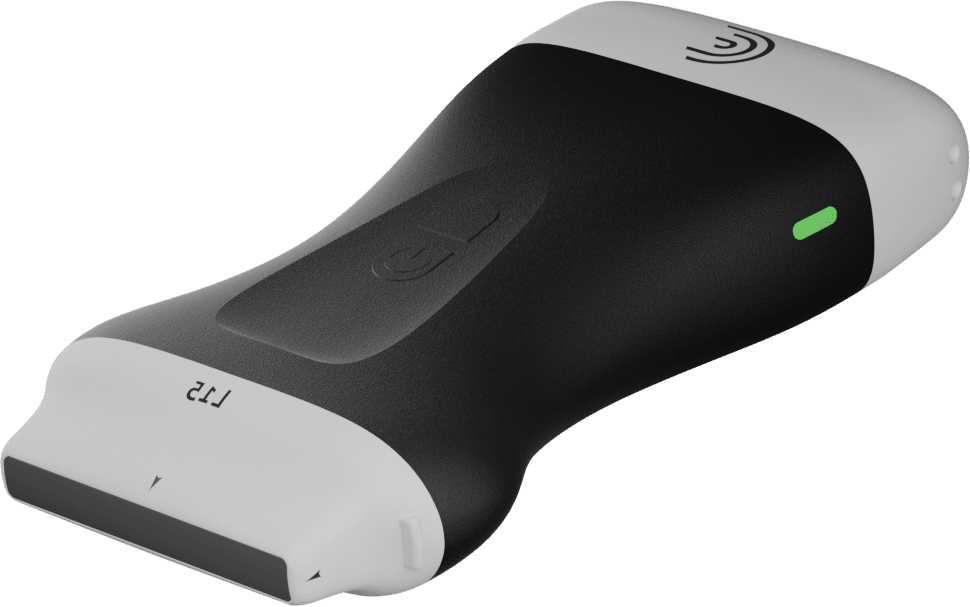
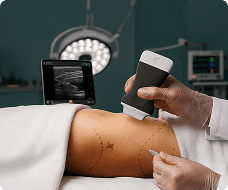
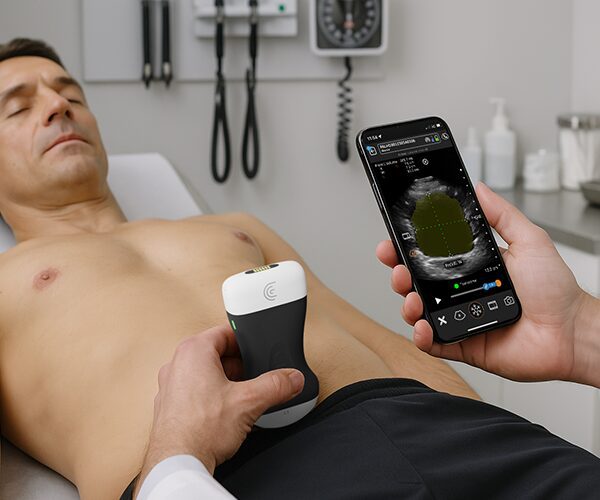
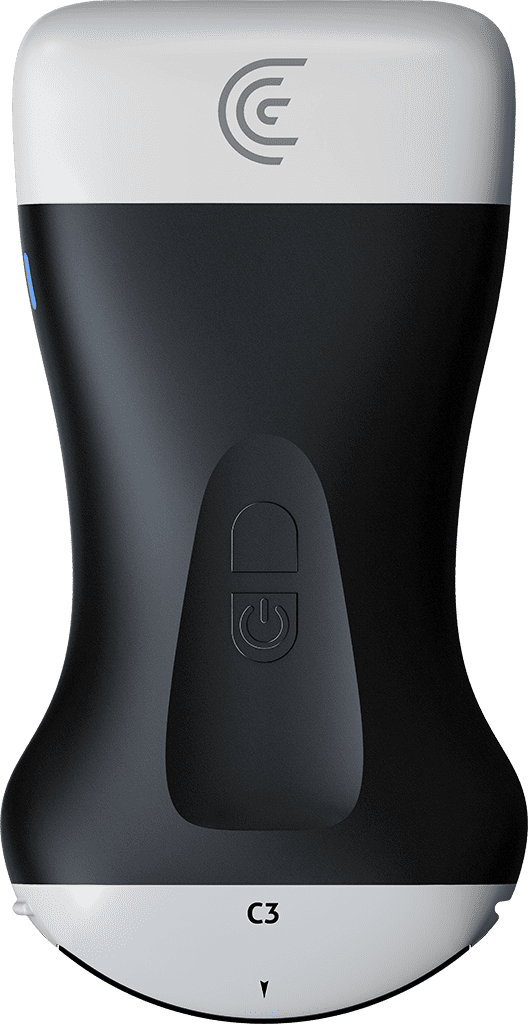
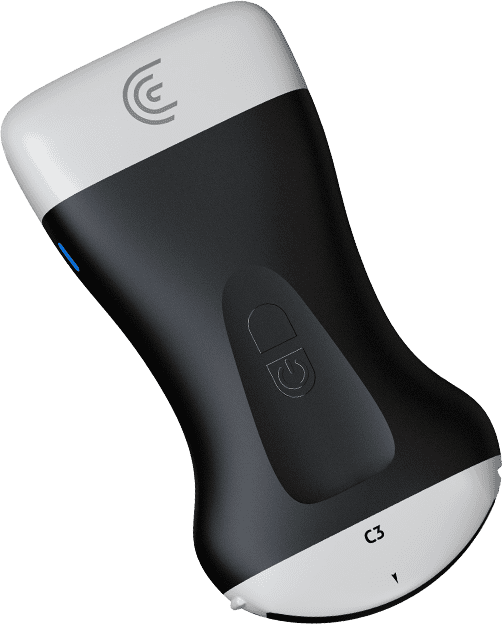
Hi, my name is Adrienne and I'm a pelvic health physiootherapist and today I'm going to be demonstrating a transabdominal approach to different functions of the pelvic floor. So this can be done with the patient in various positions. So that's why it can be very functional in terms of the approach. So we're going to be looking at the endurance, the coordination of the pelvic floor in these different positions. So we're going to start um with our client in the supine position here. And so I'm using the C3 clarius today. And we're going to be orienting the marker of the probe to the client's left. And again, angling the probe down slightly towards the bladder. So that we want again the crisp view of all the sides of the bladder here. And then we're going to ask our client to do a pelvic floor contraction and then let that go. So we can see again a beautiful lift and let go. And now we're going to get the client to do an endurance hold. So, we're going to get them to do that um lift of the bladder base. And then we're going to count 1 1 2 100 3 100 4 100 5 100 6 100 7 100 8 100 9 100 and let it go. So, we can see that that client was able to hold for the full 10 seconds. And next, we're going to get them to do some faster contractions. So, just looking at the coordination of their ability to contract and relax more quickly. So, I'll get you to again contract and let it go. And lift, let it go. Lift, let it go. Four, let it go. Five, let it go. Six, let it go. Seven, let it go. Eight, let it go. Nine, let it go. 10, let it go. Great. And that wraps up the functional component to the transabdominal view for pelvic floor.