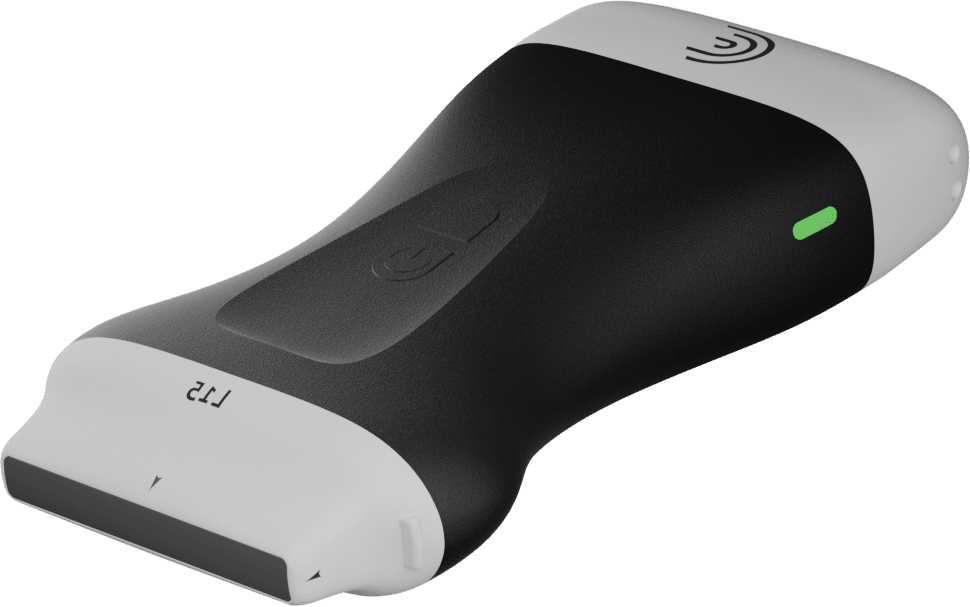
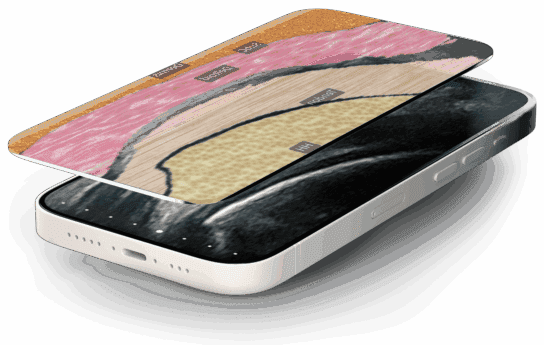
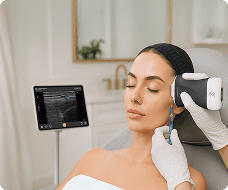
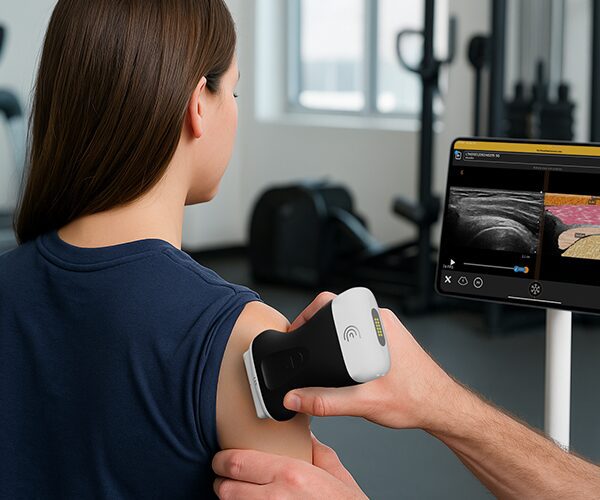
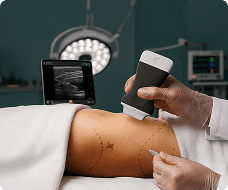
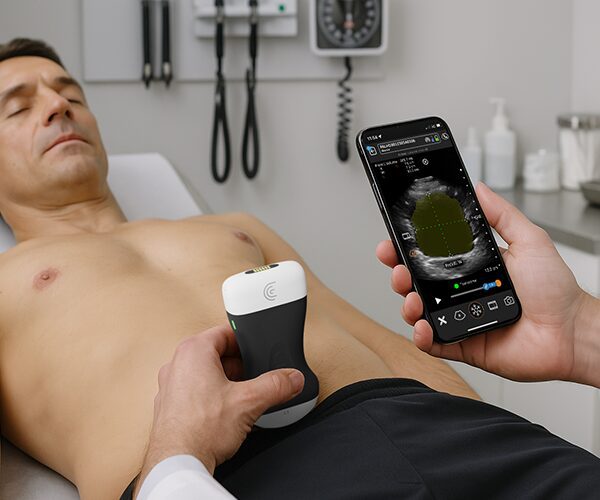
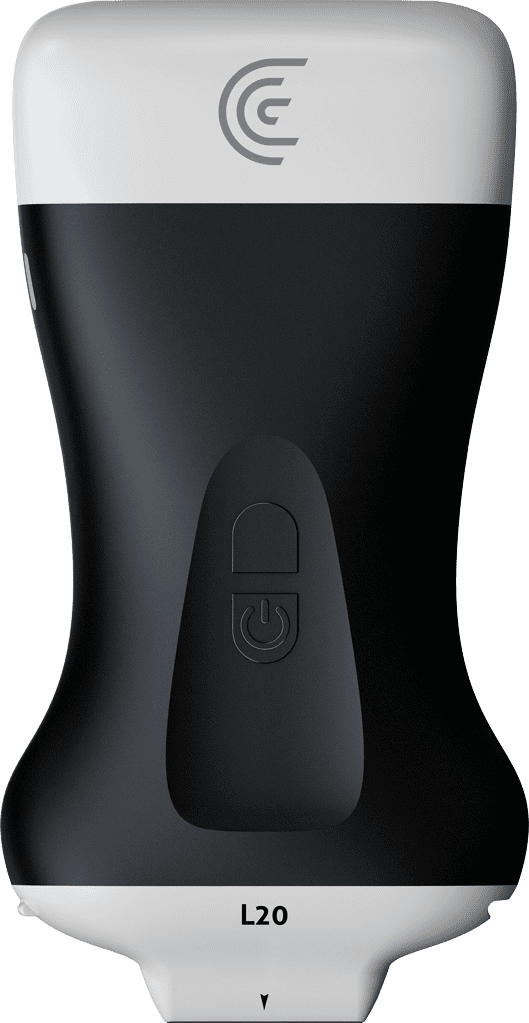
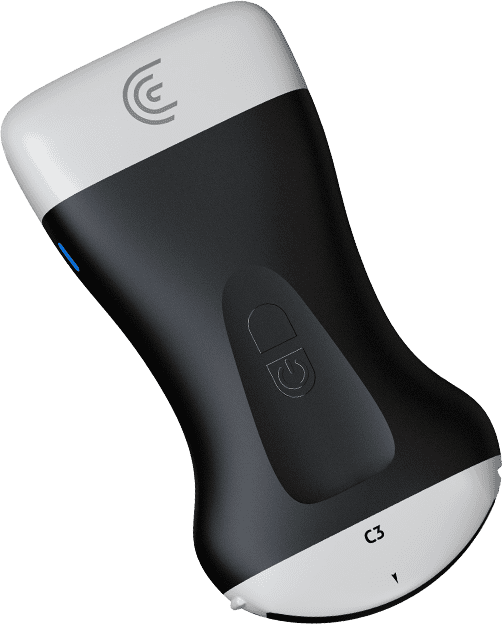
now we're going to evaluate the piriform area and then we're going to inject it so i'm going to take a look at this area and mainly we're looking for the angular artery the angular artery usually sits in this mass and it's going to be about four or five millimeters deep in this area so let's take a look at it in color doppler and there we find it right there perfectly as described in the smashed area smash layer about midway between the skin and the bone so let's measure that let me go find it a good view of it there's a good view i'm going to go and measure it and we're going to measure the distance here and the distance from the skin to that is about 4.2 millimeters now we have two options here we can because it's midway we can either go superficial to the vessel or we can go deep to the vessel so let's clean her off and what we're going to do is we're going to inject down to the bone on the periosteum about 0.5 ml and then i'm going to confirm that with ultrasound i think whenever you do inject the piriform if you're not using ultrasound i think that you're a much higher risk i've seen a lot of recent occlusions in the puriform area related to injections there and these people did not use ultrasound prior to their injections so i think this is going to become the gold standard for those deep piriform injections so when you do these injections you go just on the side of the nasal ala and you go straight down perpendicular to the bone you touch the bone and you don't move what she's going to do now is she's actually going to use a 27 gauge needle the needle that comes with the restylane left and she's going to go down to the bone and she's going to aspirate she's going to aspirate for 10 seconds see if there's a flash and then inject i doubt there's going to be a flash because i didn't see the artery along the periosteum with my ultrasound but that's doubly sure go ahead brittany so we go straight down and you hit periosteum now we're going to be doing aspiration and keep in mind that wherever you aspirate is the area that you need to be injecting now we're going to slowly inject and we're going to watch the skin as we inject 0.5 you notice she has a little retrusion in the perinasal area and that's because the maxilla retrudes over time and so she's doing very well you comfortable good so in my mind this is the way you need to do piriform injections using ultrasound there's no better way in fact i took care of a complication this weekend from this very injection from another area i helped them clear it and they cleared it actually using the clarius ultrasound needle guided injection of hyaluronidase so there we go that's 0.5 cc's of lift injected into the piriform i love that injection and you can see the difference between the two sides is dramatically different okay and we'll end up doing the same to the other side but let's confirm placement using the ultrasound and we'll get a view of what the filler looks like in the pureform and we turn it back to b mode and it's being recorded and now we're going to take a look and there is the nice bolus of filler perfect along the periosteum and you see the posterior enhancement of the filler that's a great injection great great great ejection and you actually can see the artery sitting on top of it or superficial to it so let's uh let's do the color doppler and you'll see there's the artery and see the filler deep to it perfect injection britney good job so this gives the patient and the physician ultrasound guidance significantly more confidence as to where they're placing it and that they're doing it safely the patient also has reassurance that you're doing the state-of-the-art injection technique to find where that vessel is and to avoid it at all costs using the clarius l20 ultrasound