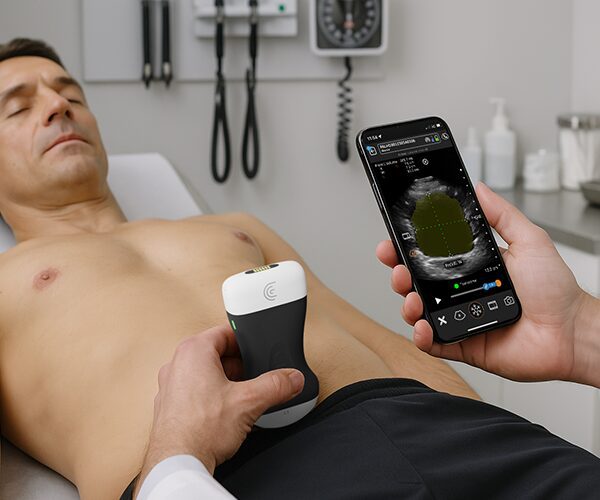
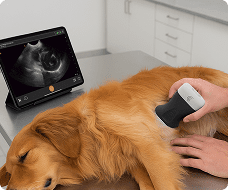
and welcome back and i'm serge and i'm cern now cern often when we're doing plus scanning we are very interested in ruling in or out actual lung pathology how in the world do we do this exactly so we're going to use the plus protocol again plural and long ultrasound we talked about the two plural space diseases with pneumothorax and pleural effusion now we're going to look for the actual lung pathology and the key to this is again we think about the regions that we want to assess for lung pathology we're basically going to scan the dorsal third the middle third and the ventral third of the lung surface itself for b lines or consolidations representative of lung pathology so lots of different protocols out there we like the sliding s-shape protocol and we'll do that by scanning the dorsal third the middle third and the ventral third of the lung and we'll spatially slide cranial come down ventral slide the middle come down ventral slide the uh ventral actual area of the lungs so serge is going to demonstrate that as well and we're going to actually show you how we scan the lung surface in an s-shaped pattern starting at the most cautious site which we've already discussed when we talked about pneumothorax all right so we're at that cranial border dr boison again we want to start likely at that caudal dorsal position there so we're going to go and find whoo look at that caudal border right there we're going to go all the way up until we lose that plural line boom we're in the packs and muscles i'm going to come right back down dr boyzen and find that plural line now i have found that plural line i am ready to do my s shape scanning here and now key doctor poison i am just looking at that plural line and looking for changes there yeah so once we found that caudal side if we see lung sliding there we know that the lung is contact with the chest wall and therefore we can now scan the lung surface because we know we have lung sliding and the lungs in contact with the chest wall so we're basically going to scan the dorsal third by simply sliding cranially until we can't go any further forward looking for b lines or consolidation coming off that floor line we don't see any there so now we come back down to mid thorax we didn't see any pathology we come coddle again until we hit that vertical edge artifact the curtain sign no b lines no pathology that's noted there we keep coming call there's that curtain sign again so we've done the dorsal and the middle third of the lung surface looking for pathology we're now going to drop down ventrally until we get essentially that pericardial diaphragmatic window again and there we have it where we've got the heart and the diaphragm in the same window and at this site we can again either keep the probe perpendicular and scan the lungs with the probe perpendicular for pathology or we can if we want to look for both lung pathology and pleural fusion turn the pro parallel surge did there and essentially this time we want to make sure we check the ventral lung region so we scan that ventral lung legion moving up and down in between each rib space from the essential pericardial diaphragmatic window until we hit that thoracic inlet cranially so we've basically done a nice scan of a good majority dorsal middle and ventral third of the lung surface looking for increased b lines or lung pathology that is correct and that's how we look for lung pathology you