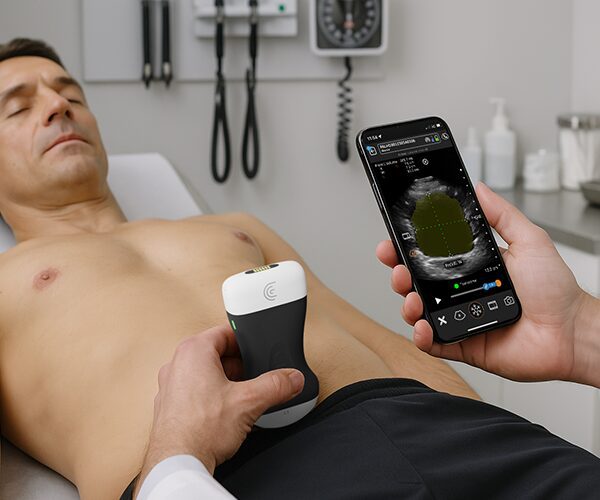
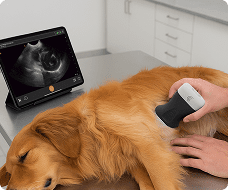
hello everyone and welcome back and i'm serge and i'm cern and cern we're going to be switching gears here now and we're going to be talking about plus scanning what does that stand for so plus is plural space and lung ultrasound and this really evolved from our original work with the extended fast exam that we saw in humans where they looked for pleural effusion and pericardial fusion and the later work by dr lichtenstein that looked for lung pathology through the blue protocol and we've sort of combined the two together because you can't really look at lung without looking at the plural space and the pathologies are so closely intercorrelated that we termed it plural space and lung sound and we have a slightly different approach or method for doing this that we find works really well based on the teachings that we've done and some of the research that we've done as well yeah that's very true dr boyzen now before we go too far it is important to give some key concepts about plus scanning absolutely so on the clarius for example the settings that we use for the plural space and lung option for plus are different than the abdomen so we do have a preset that's really nice on the clarius that has the lung preset and that basically sets us up at six centimeters often the depth that we'll start with depending on body condition score of our patient and we also will then make any fine adjustments that we'll show you as we go along now dr boison it's really also important when we're doing the abdomen we have some natural boundaries we're not going to go beyond the subside forward or beyond the bladder caudally when it comes to plus scanning we have to think about our ultrasound boundaries what are they absolutely so this is really easy when it comes to looking for boundaries we use ultrasound to define those so it's very difficult for us to know we can't see through the dog and know where those boundaries are i don't know exactly where lung is it varies depending on how hard my patient's breathing and their anatomy and their physiology if they're breathing harder the diaphragm can shift more if they're a bulldog versus a dog like penny so what we really need to do is we need to think about our boundaries so this is the last rib back here this is the front limb up here we know that our lung our caudal border of our lung is somewhere between these two boundaries so we always start with the easiest boundary that is as far cranial as we can go with our ultrasound scanning there's lung under the scapula and under the flexor muscles of the forelimb but we can't see that because we're limited by that scapula and those muscles of the forelimb but that's our cranial border right here dr lube a nice border for us to start with and then actually what other boards do we have well we also have our dorsal border and you can't go beyond the apache muscles dr poison so you've got a muscle layer over there so using ultrasound again you can found this boundary because you're going to go from lung lung lung to then muscle so you know you're going to be at the most dorsal lung and pleural space boundary by finding that absolutely and then the other one that we'll look for is that caudal border and i don't know where that is so i'm going to use ultrasound to find that transition where we come off along and we hit the soft tissues of the abdomen right where we're hitting that costophrenic recess and the lung overlies the soft tissues of the abdomen that's our caudal blood rush loop and then we have so the cauda border is called the curtain sign dr boison we can't forget about that it is a really unique thing but dr boyson you didn't have to count ribs to find that no we're going to use our ultrasound to tell us we're on lung and slide back until we see the soft tissues of the abdomen so we'll actually demonstrate that as well and then eventually we have two borders dr schloop we have the ventral pleural border where the most ventral we can go before we hit the sternal muscles that is the ventral pleural border if however we think about our patients like we know in many of our x-rays and when we're actually doing cardiology there's a cardiac notch that sits in here and when we have that cardiac notch the lung doesn't come all the way down to the sternal borders we're actually sitting over the heart itself so we have a ventral lung border that includes the ventral regions of the lung that deviate dorsally at that cardiac notch and then we have that ventral border where the sternal muscles are and those are our general borders so why don't we actually put the probe on and show those borders and some of the tricks of ultrasound when we're scanning the chest hundred percent now key thing team is that you have to make sure you start over lung that sounds really silly but we have seen instances where you choose a random spot you think it's going to be thorax and you're actually over abdomen so use those boundaries we just talked about if you start your scanning behind that cranial border that four limb you're guaranteed to be over lung and not mistaken things for pathology that's not in the lung absolutely so for example if i palpate the subxiphoid and i come straight dorsal here and i separate the fur and i take a look to see where i'm at so i separate the fur there's my subziphoid is sitting right here i go straight dorsal and i put my probe there and we i take a look at what region we're at and then i can see that in this situation i come straight dorsal i am actually sitting partly over the abdomen already there's my last rib way back here so this is actually sitting over the abdomen and that's why we say rather than guess to try and figure out where you're going to end up if you come dorsal or just put the probe on use your borders so we're going to start just causing that front limb separate the fur i like to pull the skin forward when i do this and then separate the fur so that i don't have to put as much alcohol on my patient start with the probe perpendicular to the ribs with the marker towards the head and when we do that we get the classic bat sign dr shalom ooh doctor boys and that bad sign is quite pretty and that is identified by two rib shadows that we're seeing there and in between we have the body of the bat which is going to be that plural line which is really key the most important thing to identify when we're doing plus scanning absolutely and in this case here this is a pretty good image but our patient penny has a very thin body condition score so we're going to take this depth down a little bit we're going to take this down it's really easy to do you just simply slide that down with our touch screen and you can see now that we have a nicer blown up image and when i get that i can see that plural line the body of the bat first white line below the ribs that joins the rib shadows and now when i actually have that dirt arch slew what am i looking for well what you want to ask yourself do you have lung sliding yes or no that's going to be a big question and sometimes it's quite easy to see you're going to see that shimmer right where the two pleura are sliding over each other when you're looking at that plural line absolutely in this case here i've got to say i can see it in some parts of the image but it's difficult so some of the tricks we'll do dr lube i'm going to fan the probe so i'm actually just going to fan the probe until that pleural line becomes more grainy and there you see we've made it more grainy the grainier the pleural line the easier it is for us to see the lung slide or the shimmer now i can see that that lung sliding is very visible i see that shimmer very easily actually 100 percent so grainy like your stubble right now dr boison absolutely some other tricks of the trade that we can do we can play with the gain absolutely so go ahead and demonstrate that as well so we just simply drag our finger across we can decrease the gain and there you go we see the shimmer again because we've turned down the gain important to think about as well when you're coming off the abdomen so we turn the gain back up a little bit and there's a nice shimmer that we see again even if i come back to perpendicular i can see that shimmer because we've turned the gain down so we put the gain back up and we're perpendicular i lose that lung sliding what are some of the other things what's one of the other things we can do well one thing you can do dr boison is you can move that probe and sit it on top of a rib we love to call this the death bad sign because it looks like a dead bat upside down with its wings played on either side but really what this does is again it changes the angle of insulation over that plural line makes it more grainy which makes us see that lung sliding a lot better look at that train track all right so those are the four tricks tell you with your depth play with your gain play with fanning and situate your probe over one rib as opposed to between two ribs and that will allow you to see that lung sliding more easily so what are the other things that we're gonna look at then actually before we actually go through the protocols let's show everybody how we find the different borders then i love it doctor take our depth out a little bit more again and turn the gain up because that usually makes it easier for us to find the borders after we've assessed the lung sliding so we'll take our depth out again to about the six centimeter mark and there we are and now what we're going to do dr schloop we're just going to slide the probe straight caudal let's talk about that caudal border the curtain sign first and what are we looking for that tells us we're there well we're going to start from that cranial border we're going to go to the cotton border and you're going to slide the skin instead of wetting the entire dog with alcohol and that works a lot better until you get from air-filled lung to a soft tissue transition and it's essentially going to look like a curtain doctor boys in opening and closing and i just see it coming in right there so that is my vertical edge artifact that is the curtain sign literally takes about five seconds to find and i guess dr shloop said i put alcohol on and i pull the skin with that one spot until i can see that vertical edge artifact you see it coming in really nicely right there that beautiful curtain sign that i have there that's the caudal border really easy for us to find yeah and we can see the stomach there on the other side and you have to be careful because if you would have gone beyond that there could be gas in the stomach there could even be some fake bee lines there dr boison you might think you're seeing lung pathology so that's why it's really important to take the time and identify this caudal plus border dr bois absolutely and we can identify a lot of pathology by identifying this vertical edge artifact lots of things that we can see with regards to plural fusion lung consolidation or even pneumothorax but we'll go through that in another session so that's our caudal border let's go ahead now and we'll just put the probe on and show what that dorsal border looks like dr loop so i'll pull the fur down we're just going to go straight up off of lung and show you what that dorsal border looks like so most of the time we're going to hit go from cranial to caudal and follow that caudal border up until we find that dorsal border and what that's going to look like is you see the plural line you see plural line boom you lose it because now you're in muscle the apache muscles to be exact and we can come right back down and you're at the highest point of this patient was sternal or standing dr boyzen that would be the most dorsal highest point of your plus scanning absolutely we do that with a probe parallel we can also turn or perpendicular to the ribs we can also turn the pearl parallel to the ribs and see where that lung sliding disappears at those sub lumber hypaxial muscles so a really nice place for us to do that and find that dorsal border onto the hypoxia muscles back down to see the floor line or again we can just turn the probe parallel and slide up until that curves and we know we've hit the most caudal dorsal or most dorsal sight so that's our dorsal border and then eventually dr schlub yeah so eventually you said we have two borders dr boison let's go ahead and show what they look like and remember your limitation here is going to be the sternum so you won't be able to go any further than the sternum and when i go for that ventral border i do like to turn the probe parallel to the ribs with the marker pointed dorsally and i'll just slide straight down between the ribs until i actually either hit the cardiac notch or i see the lungs start to curl right there at that sternal border so i can see that the lung is just starting to curl now and that is the sternal ventral border that's our pleural border actually where we see that ski jump sign where the lung is curving away from the chest wall along the sternal muscles so it's really easy with ultrasound to find those key borders that tells you where you are and know where pathology accumulates based on patient positioning so most the time our patients in sternal standing we have penny and lateral just for the sake of demonstrating the video but you can see how easy it is to find those different borders get comfortable scanning for those with your ultrasound and finding those all right well that was a nice introduction to plus scanning remember start over lung know your borders and scan from border to border that's really going to help you identify ruling rule pathologies and now we're going to take each pathology separately