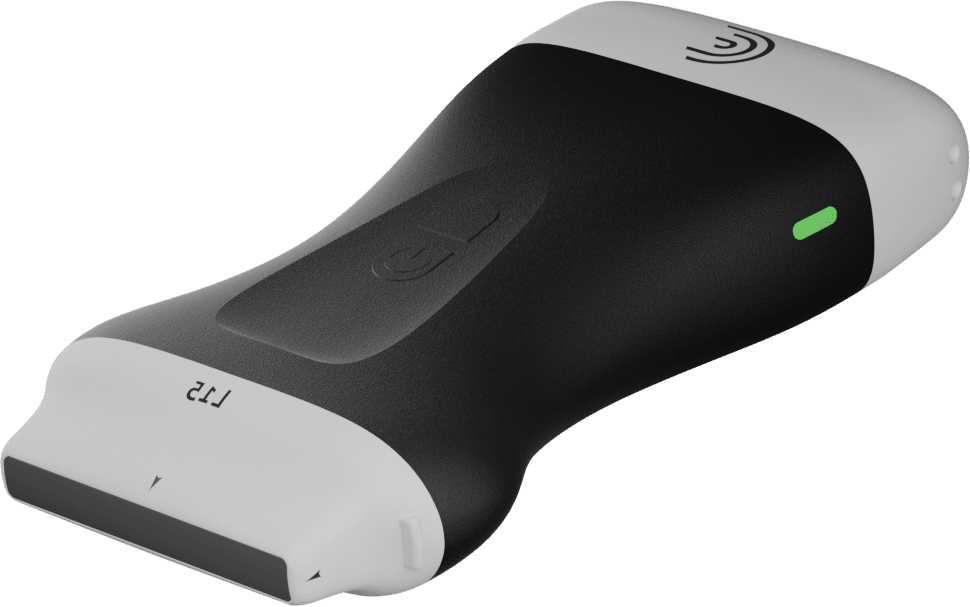
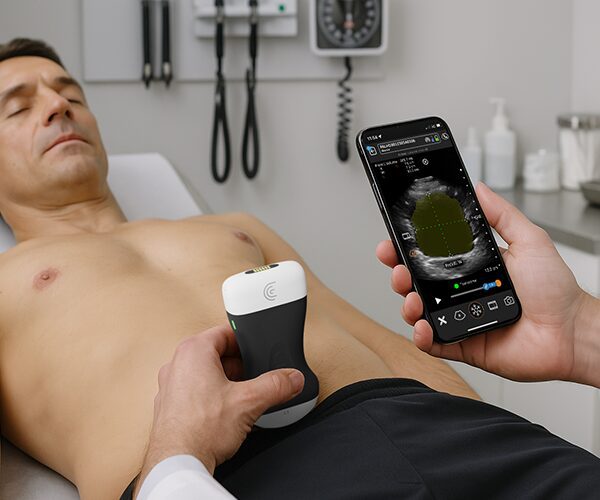
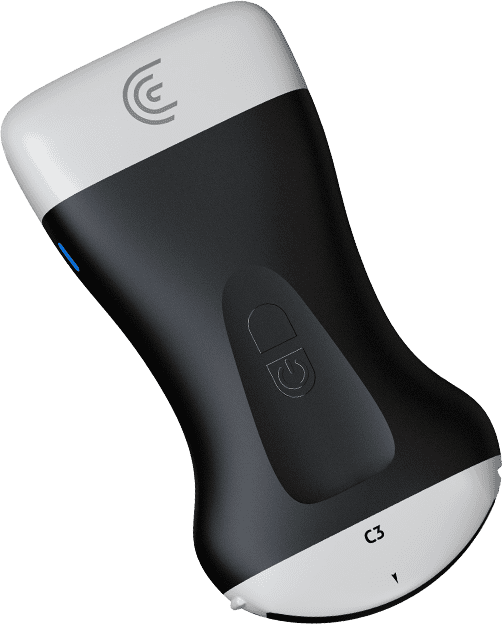
hello I'm Brian Johnson today we're going to use the clar pal to assess the kidneys for hydrosis um so I have my phone here in the clar's app and you're going to want to preset an abdomen and so you know you can do either kidney first I like to do to be honest the left one sometimes a little more difficult to find um and so what I do is I I put the probe in um longitudinal um orientation and I'm basically kind of doing almost like a fast view the per SP region but instead of the spleen I'm really looking at that kidney which you're seeing here it's a very nice kidney all right we can change the depth if we want to get a really good shot of it and there's some rib artifact we're seeing but you're seeing the renal cortex and that bright stuff in the middle is actually the renal pelvis and that's really important because that's what you're actually focusing on you want to see bright hyper aoic structures in the renal pelvis if it's hypo aoic or dark that's concerning for hydrosis that's what we're really looking for here um if it's really bad it can almost look like a bear claw so we scan all the way through this kidney and we really don't see any hydrosis which is good so we'll move on to the right kidney now same thing what we're trying to do is kind of a longitudinal view almost like a fast view instead of focusing on the liver which you see here we're focusing on the kidney and once again seeing some rib Shadow which is okay and we're looking for the renal pelvis sometimes hard r view because of respir variation sometimes we can have the patient take a deep breath and hold it try to get away from those rib views we're seeing right now and we're looking at that pelvis we see it nice and bright the renal pelvis is not hypo coic so we see no hydron neosis on this side as well and we scan through and you can breathe great so patient comes in with flank pain you can easily take your ultr probe and evaluate for hydrosis at the bedside thank you