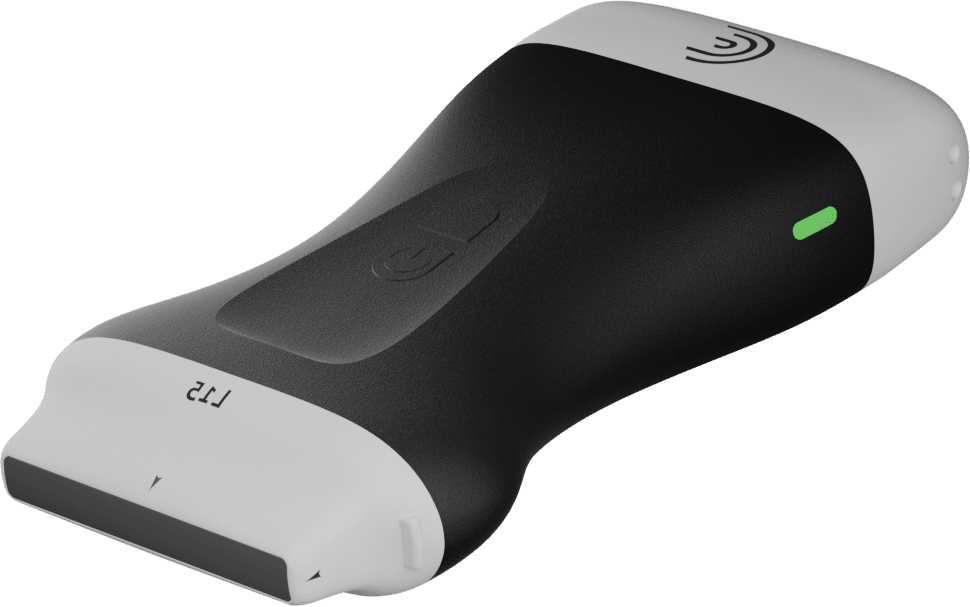
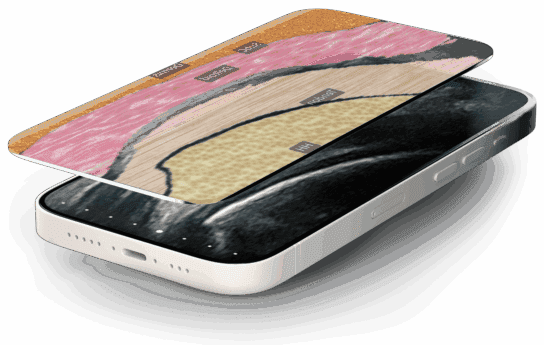
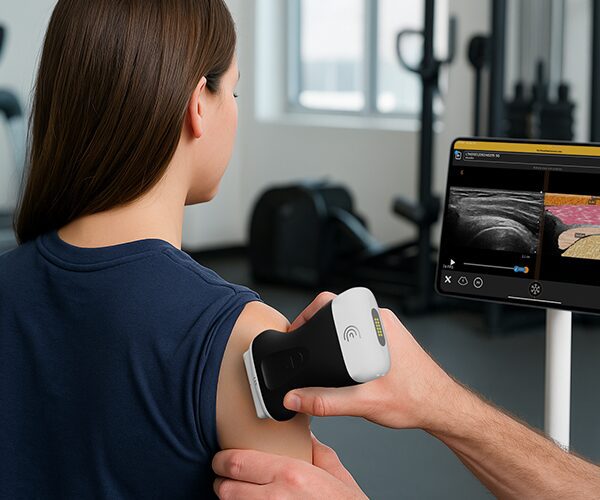
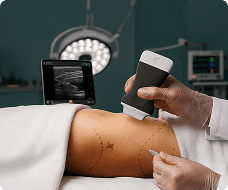
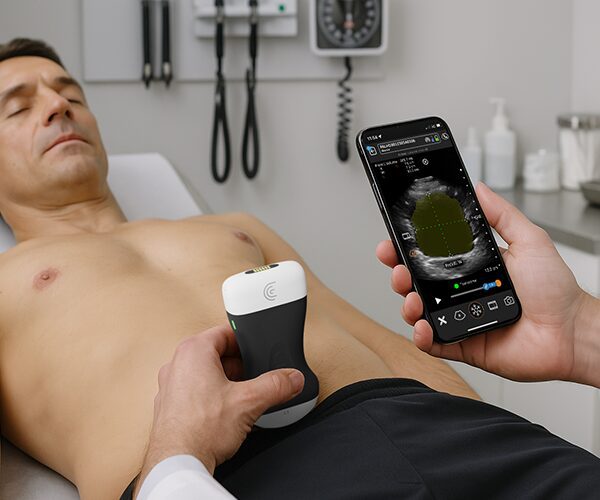
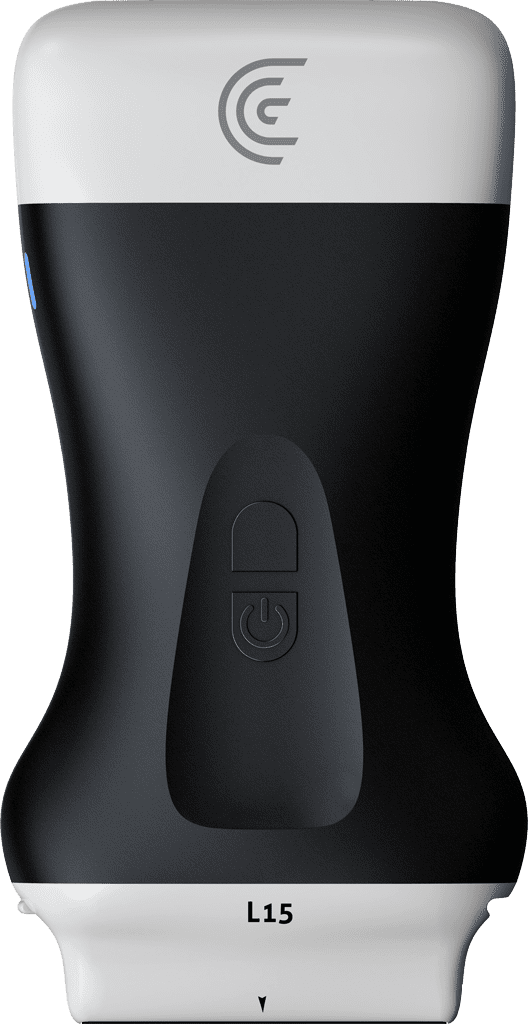
hi i'm ken craig and i've been involved in sports rehabilitation for over 21 years and i've always known and have been interested in a handheld ultrasound device and in 2018 i started using some handheld devices which gave me some level of confidence and satisfaction but i really was impressed when i used the l15 msk scanner from claris i started using it in 2019 i was impressed with the image quality uh they also have got a great platform support with preset what you call joint and clinical conditions which we often see in sports and it has revolutionized the way i practice it gives me a greater interaction between my athletes coaches it gives me the ability to actually assess the the effectiveness of my rehabilitation in my clients it also helps the athletes appreciate what is happening in their training routines having a greater level of contact and and discourse with their coaches so now we're going to have another athlete who actually is an australian based in the netherlands a former world champion speed skater as well as an olympian and the current world champion inline skater and again we are going to do a baseline scan and a post competitive skating scan which will give us a really good idea of how the knee handles the stress and pressure of speed skating okay so again i am going to concentrate on the anterior knee compartment and region starting again from the quadriceps and i'm going to start from the medial to distal muscle belly coming down and we can start to see the contribution of the superficial layer of the rectus femoris the deep layer of the um west eye intermedia as then the medial layers of the re medial vast eye and vastei lateralis what we see in between there are the regions that allow the glide of the tendon we come towards the pull the superior pull of the patella and we now appreciate again a healthy knee joint there may be some signs of previous injuries uh but at the moment it's a baseline scan there's no sign of alarm and i am now going to go on to the superficial structure of the patella itself again i'm going to use a technique which we call floating where there is no contact but the probe sits within the gel and we start to see the various structures we can see some sign of old injuries okay and we now come forward and now we see a very nice pattern of the patella given his also long career in skating this is a healthy tendon with a good pattern good fat bad position no signs of overtly pathologies of the bursa we excurse further down distally towards the tibia [Music] and we now appreciate the region of the insertion again some signs of all injury but again as i mentioned just because there are variations from what is classified or considered as nominative values we have to consider that this could be adaptive changes and not an active functional inhibiting or limiting pathology and it will be interesting to see the changes of this knee after several rounds of speed skating in the tf stadium at niremben again this is why i find a tool an instrument a clinical instrument such as a focus real-time instrument like the l-15 is valuable in providing precision or providing optimal sports clinical care you