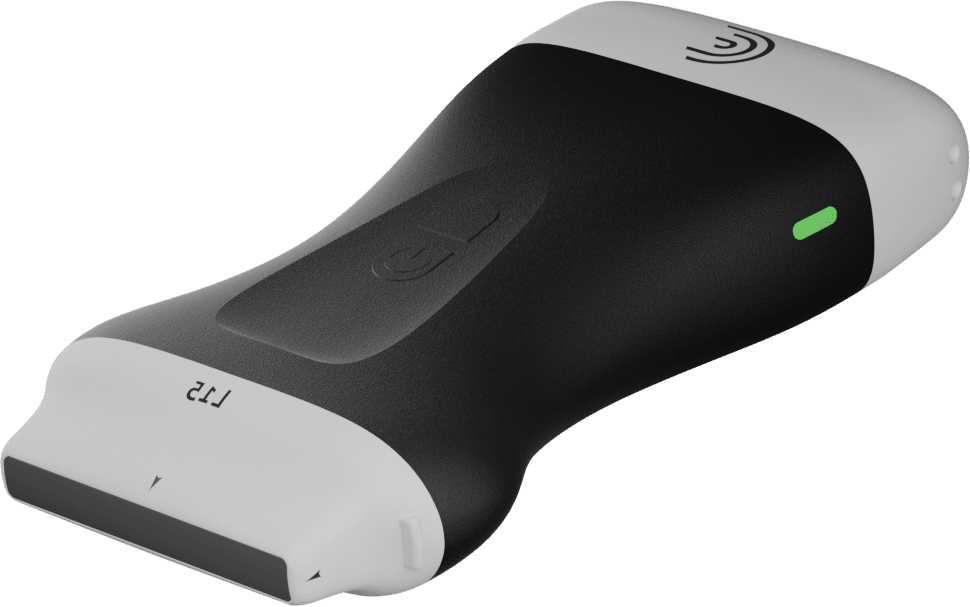
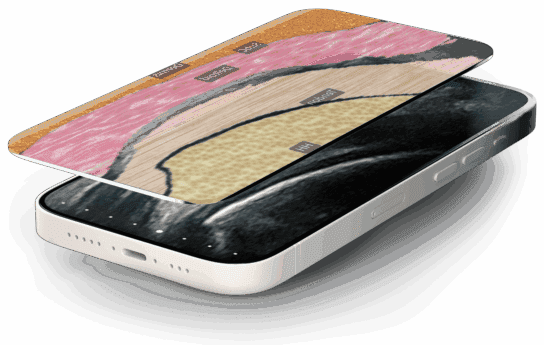
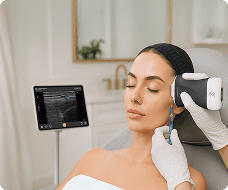
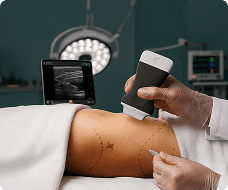
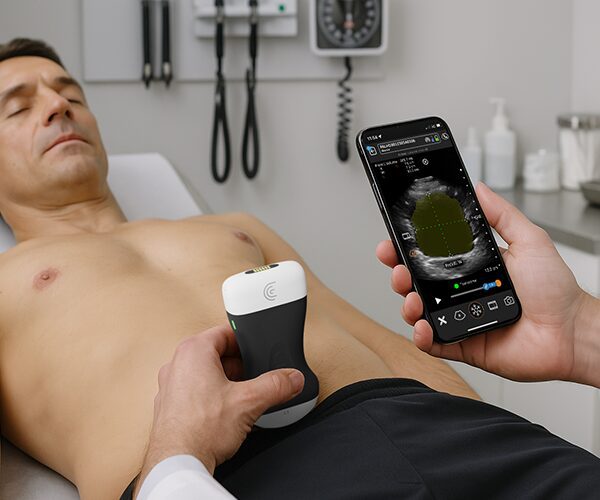
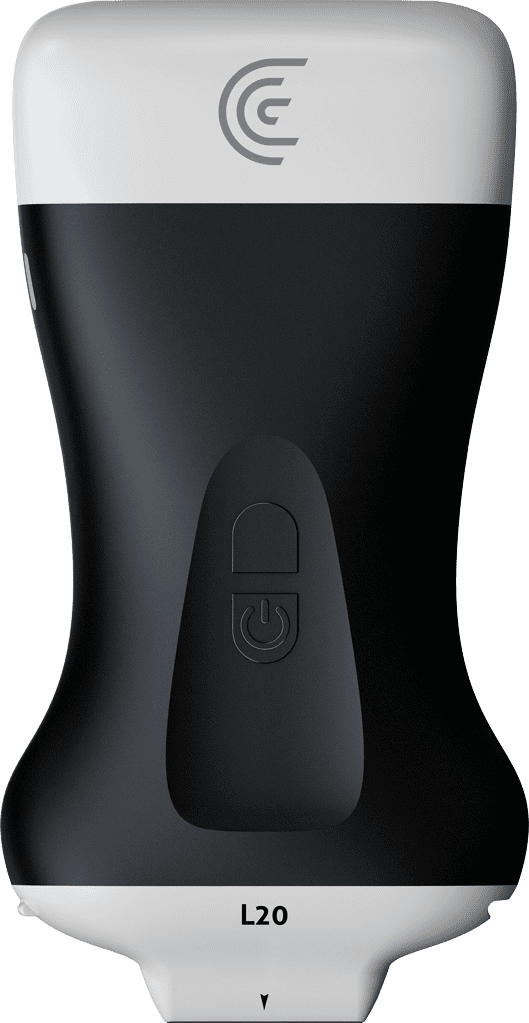
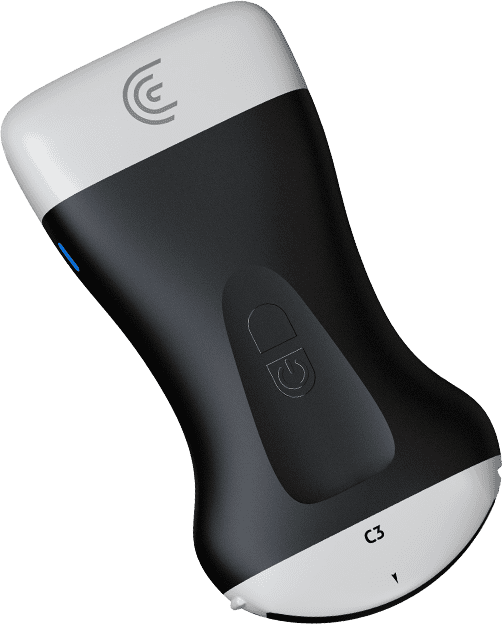
hi everyone I'm Danny Sher I'm a physician assistant and I am going to show you one of my favorite things to talk about which is safe mapping safe mapping is your alternative to vascular mapping vascular mapping I think implies a much more onerous task to try to find every vessel to trace its course I don't think you really need to do that to have ultrasound work for you in your aesthetic practice so what I'm going to show you is how to use ultrasound to just check a spot it starts with the question can I put filler in this spot is this spot safe for me to inject a bolus of filler with a needle not every area I think is suitable for safe mapping some of your higher risk areas I think should be ultrasound guided where you can really watch what's happening but in the gonial angle a lot of times there's not much in the way of vasculature but sometimes there is so this is just a way to do that extra safety check where you can just take a look under the skin and find out if the spot that you want to put filler in is okay to inject especially when it comes to these non-dissolvable fillers that people put in the corneal angle I think this is a great way to just check for safety so in order to Safe map again we want to just start with the clinical question is this spot right here I used a surgical skin marker and I can show you right here using these markers so you can visualize exactly where that gonial angle is we sort of want to just bring a little bit more definition to this area so that's where I put this little dot the dot is very important because that's where you're going to line up your midline marker and put it exactly on that spot and then you're going to do four different checks on that spot to just make sure you've seen everything that you need to see so the first thing we need to do is we need to put down put on our power doppler and the next thing we need to do is put down our middle marker so our midline marker you can see the dots down the screen and the midline marker corresponds with a little hatch in the middle of the probe so that little hatch you're going to put right on that little spot and we're going to make sure our collar box is right where we want to be and make sure that that's doing a query of that area so once we are on that spot I do this I check my pressure I release the pressure and make sure that I'm barely sitting on top of the skin you don't want air in your probe but you also uh don't want to be smooshing your view this is a smooshed View that's a different view than this you don't want to smush these tiny vessels with the weight of your probe the next thing is alignment are you aligned directly over that spot that you're looking at remember this is just like the thickness of a tongue depressor this little hatch Mark so we really want to be very precise with where we're looking and then our rotation we are doing this to rotate to see how that looks and then our tilt we're going to take a tilt this way up and until down the Tilt is important because remember your insulating angle your angle of incidence it's really a 90 degree check so 90 degrees in the direction from the probe this way is different than 90 degrees this way so you want to make sure that you're going at the same exact angle that you anticipate injecting so picture your syringe along the same plan of injection that's really important for your tilt so now we've checked all of our pressure alignment rotation tilt our midline marker is right on top of our surgical skin pen site that we have denoted and now that is a successful safe map so I'd feel comfortable about putting a needle bolus of of any non-dissolbable filler here of any hi filler because I've taken a look so what I like to do is just give one more alcohol wipe to the skin right on top of that dot just to be sure and then I just kind of hold my chin and I remember exactly where I went with my probe it's right there so I'm just going right down to bone and you can ask for it if you want here but it's not necessary because ultrasound is sort of you're able to kind of see aspiration is fine it does precede ultrasound and now that we have ultrasound we can always just take a look let's see what's under there so now I've put my 0.2 bolus back there down to Bone so that is a successful bolus and a happy patient with a little bolus to logonial angle that we have checked for safety so that is safe mapping hope you enjoyed