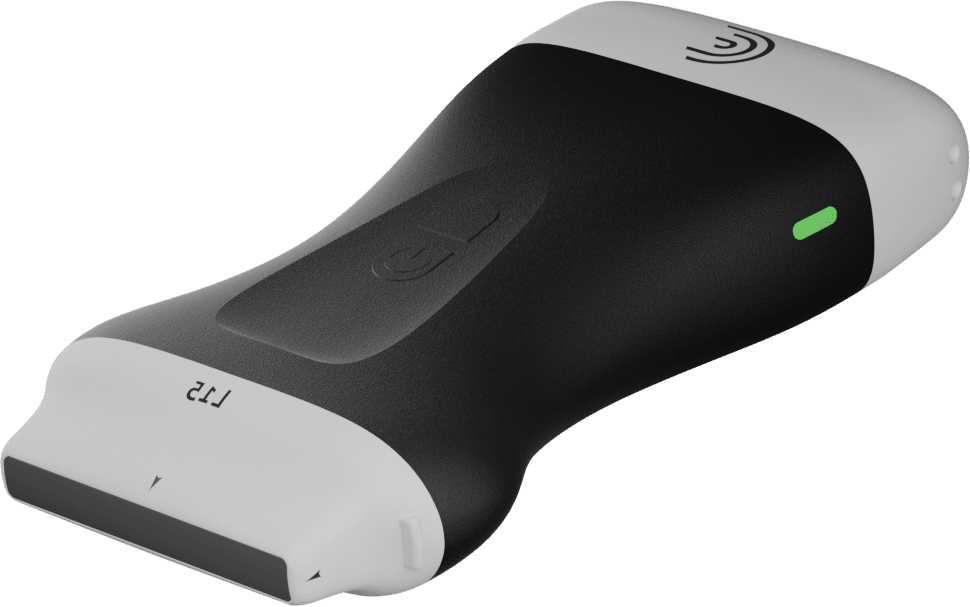
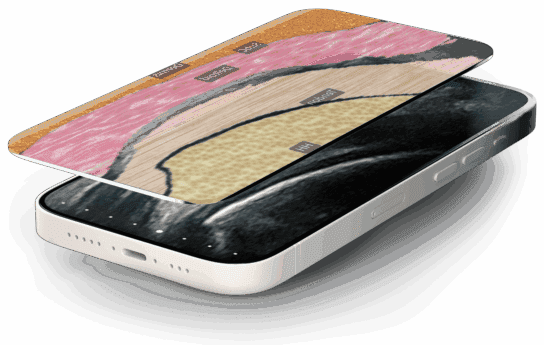
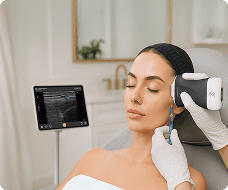
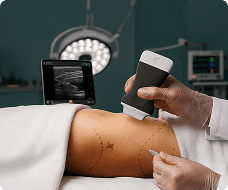
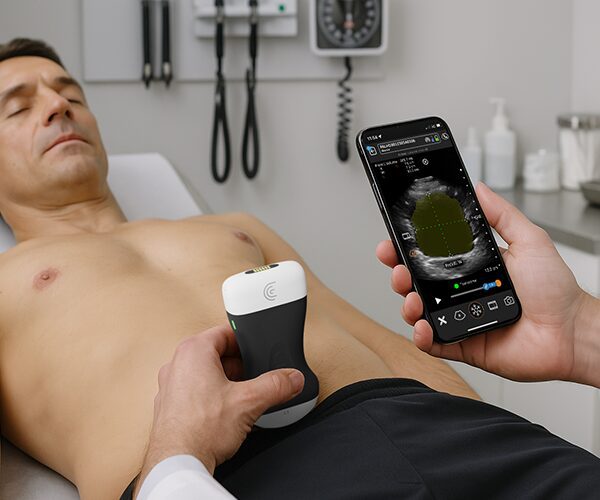
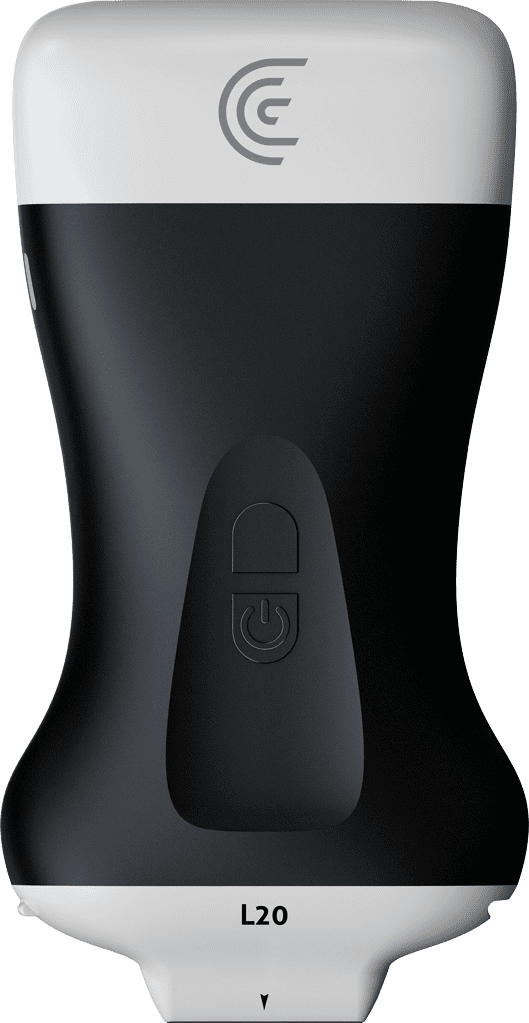
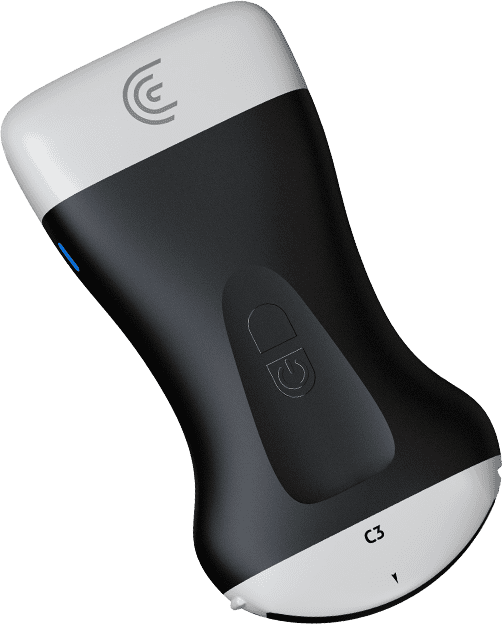
hi there i am dr mj roland varman i am a dentist and the lead clinician here at the smile works hub today i am going to be showing you a temple augmentation guided with ultrasound so our patient has presented with temporal volume loss and we're going to be improving this contour of the upper face down to the cheek and blending the result into the cheek so that we can improve this concavity at the temple area to achieve an even volume restoration of the whole temple right up to the temporal crest i will be using the interfacial technique my treatment area will span the temple superiorly to the temporal crest medially to the lateral part of the orbital rim inferiorly to the zygoma and laterally to the hairline previously we would always be reticent to treat the posterior part of the temple because of the risk to the superficial temporal artery so this is where the interfacial technique with ultrasound really shines so i'm just going to share with you my setup for the clarius because we're using ultrasound guided treatments today we do need to protect the end of the machine from the surface of the skin because this skin has been prepared we should always place a probe cover over the clarius i place a layer of ultrasound gel then the probe cover and then i will be using sterile ultrasound gel to maintain the contact with the skin the ultrasound gel beneath the probe ensures that we get a good picture let's start i make sure i have a finger rest so i don't apply pressure to the tissue we can observe most of the temple layers on this scan the first layer is the skin and then the subcutaneous fat after which comes the superficial temporal fascia which houses the superficial temporal artery beneath this is the deep fat which is the fourth layer and the layer into which we want to place our filler today under this is the deep temporal fascia placement between the two fascia layers is why this technique is called the interfacial technique the deep temporal fascia is split into two laminae termed superficial and deep between which lies the superficial temporal fat pad under the deep lamina of the deep temporal fascia lies the deep temporal fat pad followed by the temporalis muscle and finally periosteum and bone the technique many injectors use here is the gunshot or one up one over along from the temporal crest i'm checking in that spot just now for the deep temporal artery on the bone i don't find one here so in theory i could use this technique just make sure if you are going to use that technique you scan both sides of the patient's face pre-operatively as the anatomy can be very different i just want to show you something really interesting that i see here on the scan this patient actually had temple filler with the one up one over technique a couple of years ago with me and here you can see the remnants of the filler as hypoechoic deposits and you can see the fillers actually placed in the temporalis muscle what we've got to understand is even though with the one upon over technique we touch the needle onto the bone the temporalis is adherent to the periosteum and over time and with the action of chewing and the muscle the filler gets bashed about and squashed around in the muscle and ends up very much intramuscularly which makes me wonder whether this is such a good idea at all here's the sentinel vein or the medial zygomatico temporal vein which gathers blood from the lateral orbital rim and drains into the internal jugular it pierces the superficial temporal fascia and the superficial layer of the deep temporal fascia and here you can see it snaking through the layers starting the treatment itself i've inserted my cannula into the tissue and i can apply my clarius to check them in the right layer in the interfacial plane i find my cannula with a few gentle movements of the clarius the first thing i see is the reverberation artifact which tells me i am very close to the cannula and there it is i can see it is in the interfacial plane beneath the superficial temporal fascia i've verified my cannula position so i'm going to go ahead and do a little bit of pre-tunneling to separate out this layer in the whole temple area without adding any filler at this point this is important if you don't do this you can end up with little finger-like strands of filler visible through the tissues i do this very gently until i can feel the cannula move freely in this tissue layer i'm using a low viscosity cohesive product with low extrusion force in this case miley define which spreads in this interfacial layer beautifully but still gives excellent volumization i see my cannula tip and my color box is on it so i'm verifying i'm not too close to vessels i am happy with this so i can go ahead and inject i place strands of approximately 0.1 ml by retrograde injection then i advance the cannula back through the tissue and again check my position in the interfacial plane and not near vessels and then i can inject some more and i can keep doing this until all of the area that i want to target is filled first advancing then checking here i'm right beneath the superficial temporal artery so i'm going to get out of the way of that and move to somewhere safer i don't want to cause an irritation of the vessel with my filler and potential edema so it's best to change position and here's better so i can place a little bit more product i'm going to do this a few more times here to get the best result for my patient and extend the product more laterally in the temple you can see i'm using a 22 gauge cannula here and that's my standard gauge for most things although the 2021 alarm paper alludes to cannulas being 77 safer than needles i have seen some nasty occlusions and very recently one of the temple so this is why i always confirm my position with respect to the vascular chirp before injecting of course it also improves results being in the right layer is not only safer but you get a more predictable outcome using less product i can then use gentle massage of the injected area to smooth my product in the tissue plane and make sure it spreads evenly checking after placement i see my filler here in the interfacial plane and going on to doppler mode i can see the superficial temporal artery in the layer above it which is what i expect here's my filler which is anechoic or black so now i have treated both sides you can see the forehead contour flows very nicely to the temple before blending elegantly with the cheek with ultrasound i can reassure my patient not only that i haven't damaged their vessels but also that their filler is where i said i'd put it i've got an excellent result using ultrasound guidance and we can both go home and sleep soundly tonight