Hello everyone, welcome to fact series
facial assessment with clario
technology.
We are exploring the importance of
ultrasound guide uh in aesthetic facial
aesthetic treatments uh that combining
precision safety and artistry. I'm Dr.
Roya Zarzamin and today's session is
about assessing and exploring different
layer of the skin. Why is it important
to to see and uh assess and scan the
different layer of the skin? Because of
uh check the patients for any aging
process of the skin that damage the skin
versus intact the skin and tailor the
customized anti-aging treatments.
uh we are before we are going uh to
start the scan uh I'm just reviewing
just a brief review of the anatomy of
the skin and subcutaneous area uh as we
know the outermost layer is the
epidermis then below that we have upper
dermis then lower dermis or reticular
dermis and then uh below the skin is
subcutaneous fat the echogenicity and
the thickness of different layer of the
skin as well as superficial fat. It's
very important to choose the precise and
the better uh treatment for the skin.
If we see sign of aging, we can decide
how to uh to pick the best treatment for
unique patients.
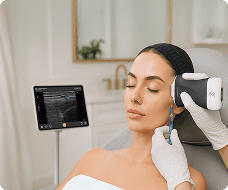
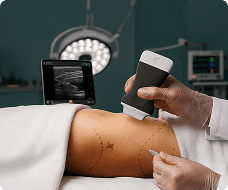
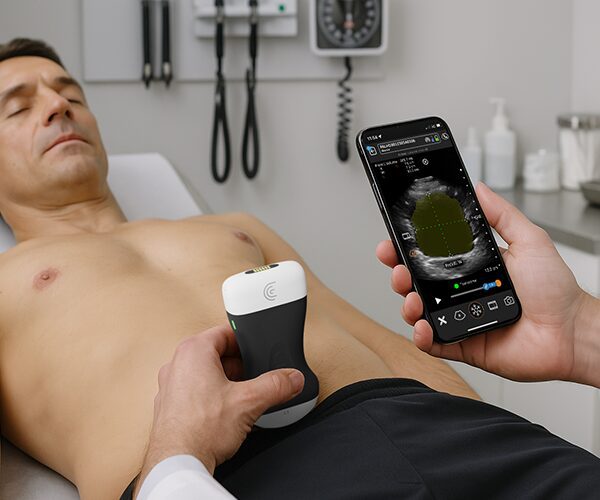
Now, we're going to scan uh the layers
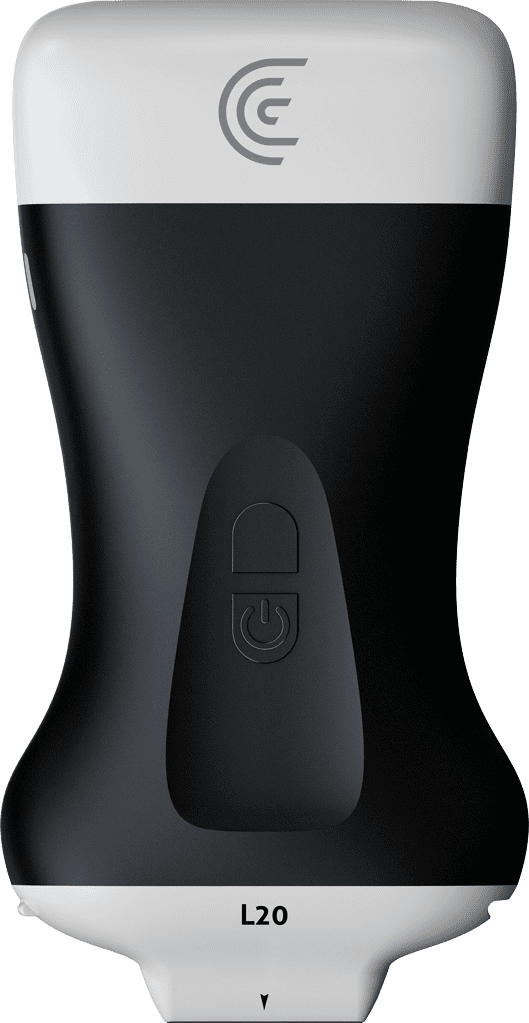
of the skin and I'm using
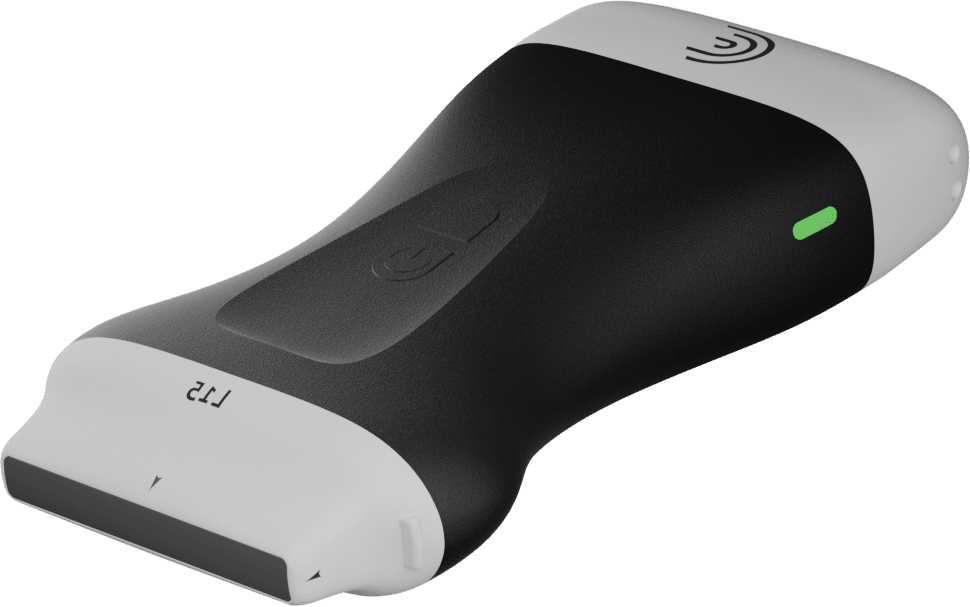
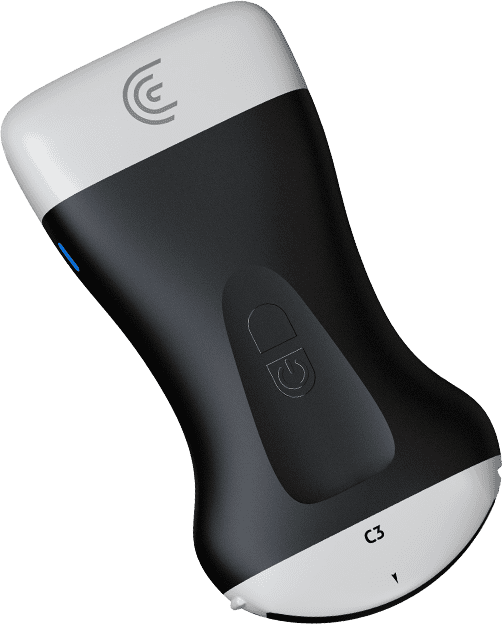
Clarius L20 because I need the highest
frequency to see the most superficial
layer. This is the linear probe and I'm
starting in the cheek area
and using the dermatology preset.
Clarious AI uh just made this different
preset to make it user friendly. Then
I'm using dermatology to focus on the
skin.
Very important point is to scan with
zero pressure that you see on top of the
image is the black area which is
ultrasound gel. Then just below that
that's the outermost layer of the skin
which is epidermis.
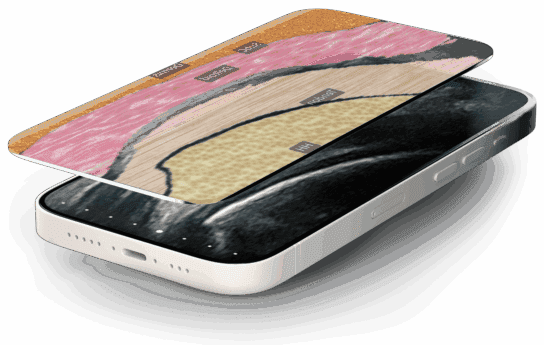
Epidermis is hypercoic
linear structure and then below that you
see the hypocoic upper dermis then hyper
ecoic deep dermis because of the density
of collagen and elastin and below the
skin you see the subcutaneous fat which
is hypocoic with hypercoic septa which
separate the fat logos. Now, if I'm
going to measure the thickness of the
different layers,
I'm measuring
this way
just a little
back to see the best because you can
easily see the best
resolution
and best quality. quality image here
which I'm seeing
07 mm for epidermis which is normal
usually is 05 to.1
mm
in this area then upper dermis which
here is
0.51
and Then
the reticular dermis
which is here is 2.
Then I'm measuring the
subcutaneous fat which is 6.2 and is
good for this area. Now I'm going to
scan the other side of the face to show
and see if there is a sign of a little
bit damaged the skin. maybe photo damage
and to see the slip sub epidermal low
ecogenic band and ecoic area just below
the epidermis or between epidermis and
upper dermis.
Let's go to the other side.
zero pressure
and a slightly small very small patchy
area.
Let's go back.
Very small patchy black
area
here below the epidermis. It's not the
we cannot say that it's a very damaged
skin. Maybe with some anti-aging
treatment or just maybe it's because of
the dehydration or a little bit damage
with sun they we can just customize the
treatment.
I'm my goal was to show you how you can
use the ultrasound to tailor the
treatment the anti-aging treatment for
your patients. Even the depth of the
needle that you're using, even the depth
of the releasing energy with energy
based device or even if your patient
doesn't need any anti-aging treatment
only uh volumizing or little bit you
know repositioning or any other
treatment that your patient is looking
for. Thank you for joining us for this
session and stay tuned for the upcoming
episodes.