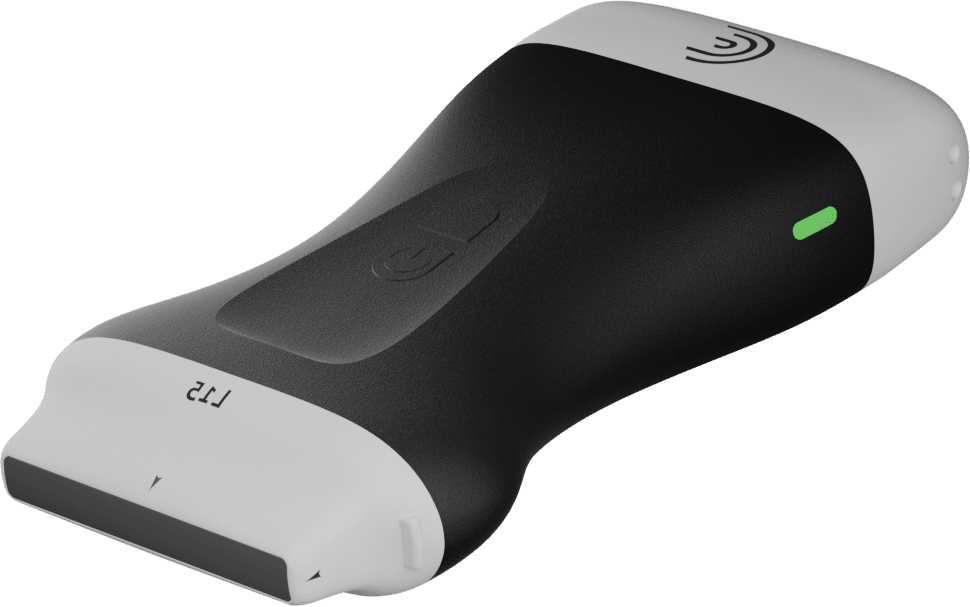
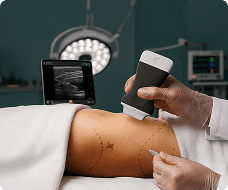
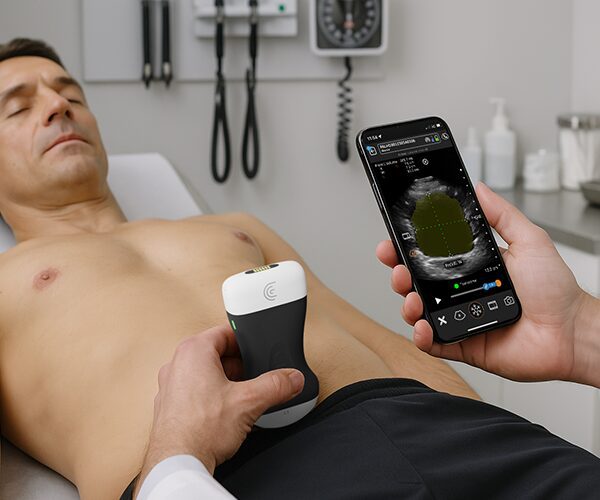
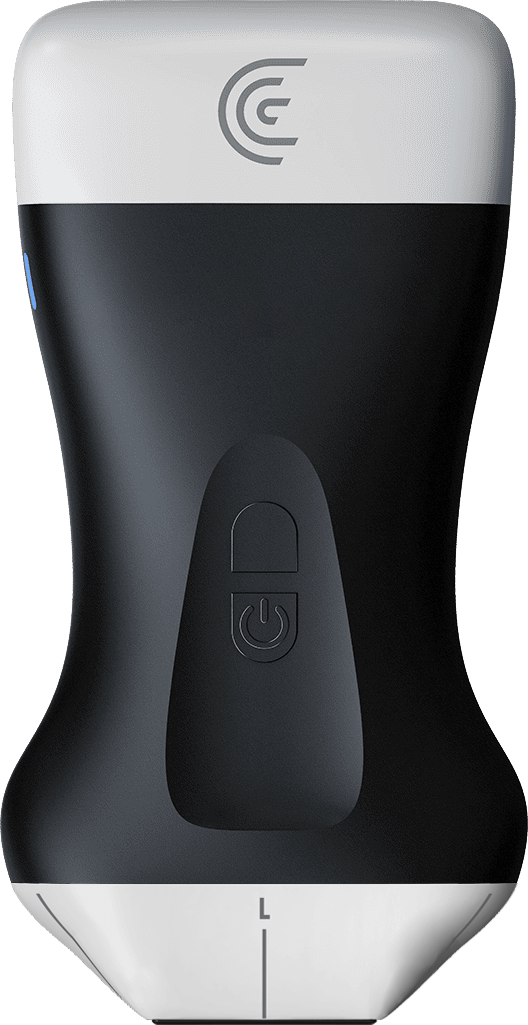
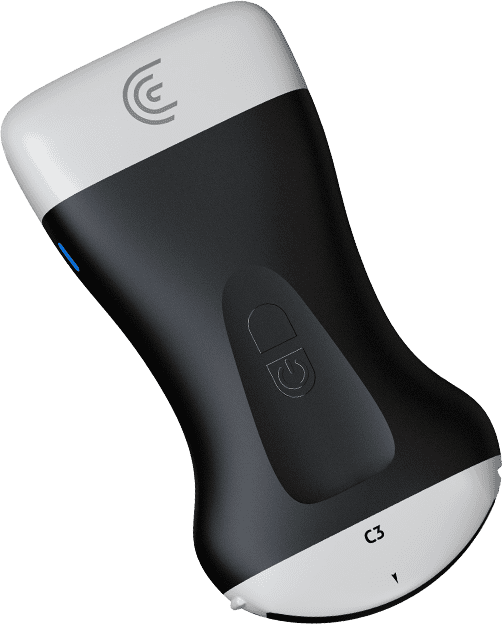
hello my name's Tom Cook I'm an Emergency Physician and I practice in Columbia South Carolina and I'm going to demonstrate how to perform an examination of the Achilles tendon the patient you will do this exam on typically gives you a history of some type of uh jumping activity where they're either initiating the jump or landing on their feet and they'll experience a sudden pop in their ankle area in the back of their foot and then they'll have a lot of difficulty dorsiflexing their foot to do this examination use a linear transducer we're going to use clar's new transducer called the pal HD3 pal is an acronym for phase aray and linear array and the transducer has the capability of being used both in the phased array or the linear array setting which allows you to examine just about every area of the body that you would do with any other type of system to do the examination you would typically place the patient in the prone position and hang his foot off the edge of the bed this will allow you the ability to to dorsa flex and planter Flex the foot then you go ahead and take the linear transducer and place it down over the calcaneus and you'll look for where the tendon inserts onto the calanus which you can see right here as it attaches down onto that bone then you'll go ahead and Slide the transducer towards the knee trying to keep that tendon in plane the entire way until either you see that it inserts into the muscles of the calf or you see evidence of a rupture or other type of tear it's really a very easy exam to do if you do see some type of injury of course you can augment your exam by either dorsiflexing or plantar flexing the foot to see if there's evidence that the tendon in fact pulls apart and there is an injury to this structure it really doesn't take a lot of time to do this examination you really don't need to do uh much in the way of other types of Imaging and if you discover the injury you can go ahead and immobilize the foot and ankle and refer the patient to Orthopedics for a repair