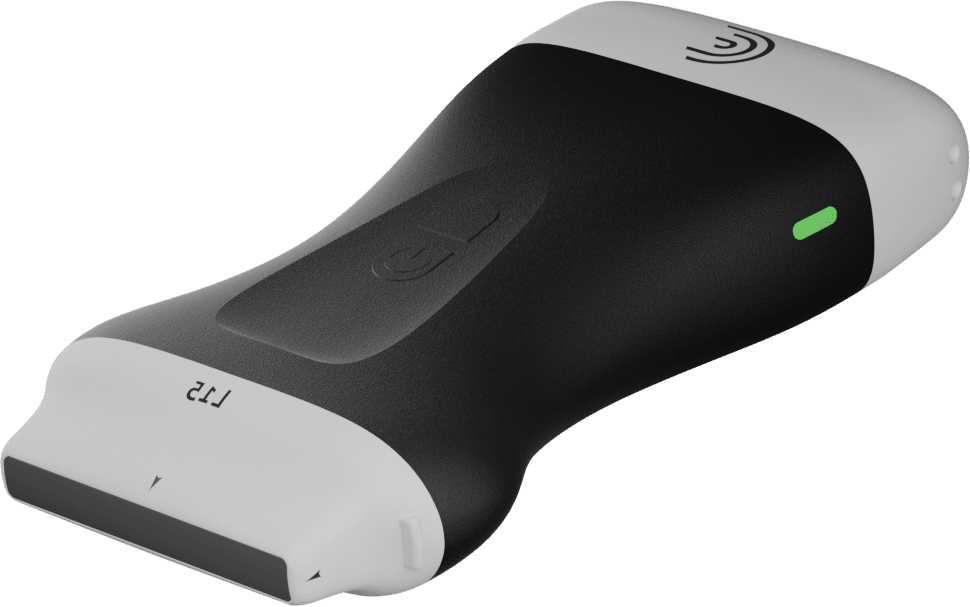
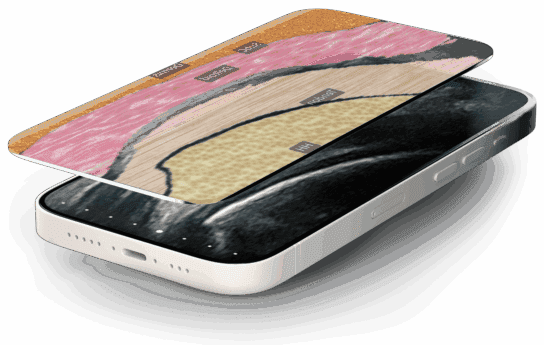
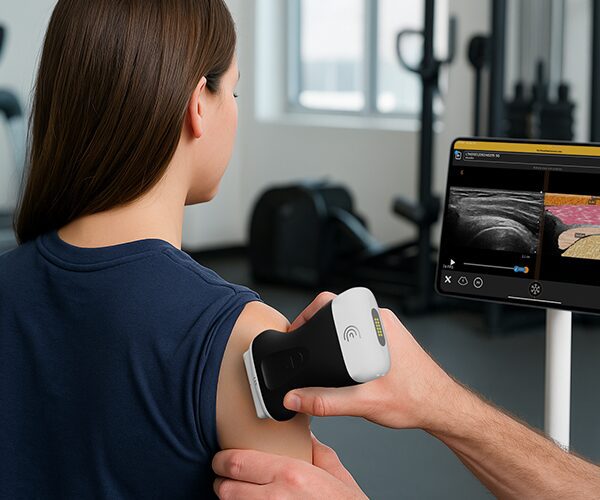
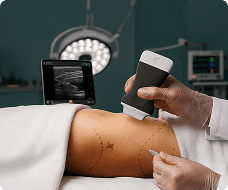
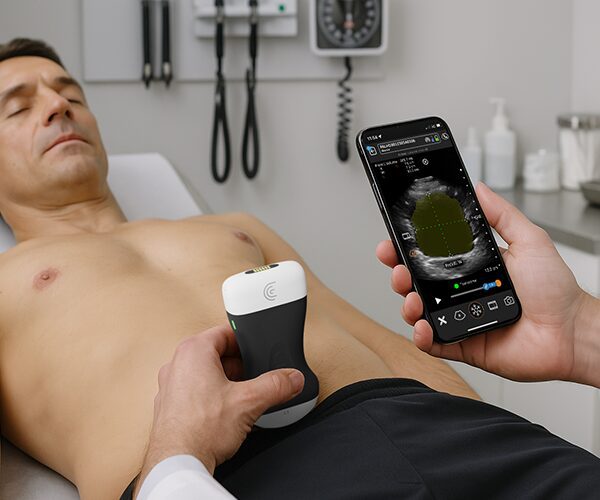
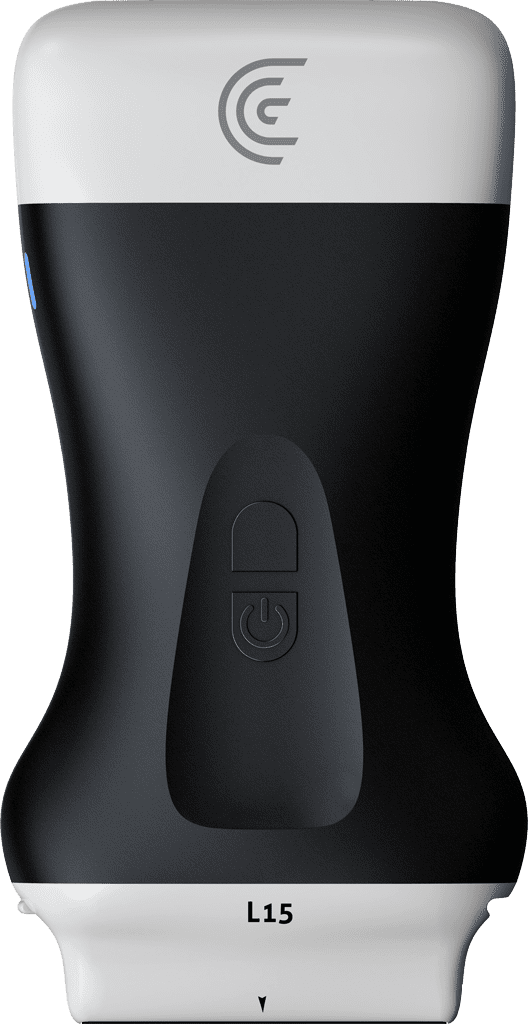
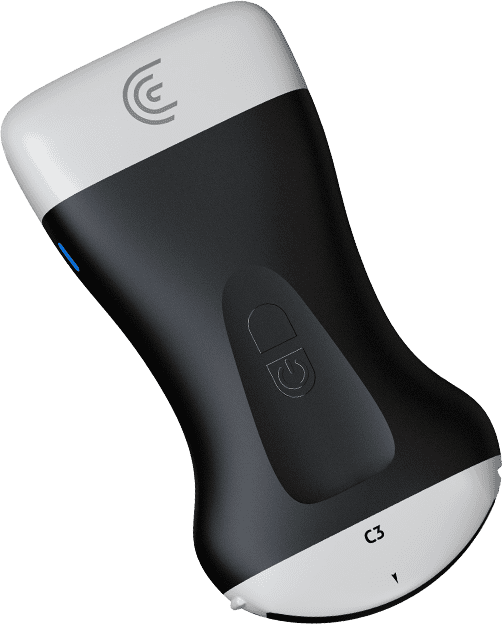
hi I'm Dr Matt Harkey I'm a researcher at Michigan State University with a research interest in using ultrasound to identify structural changes in patients after knee injury and knee surgery who are at risk for arthritis and the specific image that we're going to talk about today is using our ultrasound probe to take an assessment of subcutaneous fat thickness overline one of the quadriceps muscles as a way to estimate an individual's total percent body fat that has been measured on on a dexa scan and to do this technique what we're first going to do is measure the individual's leg length and Jess here is going to demonstrate how we do this by measuring the distance between the Asis and the lateral joint line at the knee and once we find this measure we'll make a mark at 50 percent of that leg length as a way to kind of standardize where we're putting this probe and where on the muscle we're assessing every time and once we do this we'll put our ultrasound gel on that position and then put our our clarius Probe on that muscle to gather the image that we're planning to take and what you can see here on the probe we have the skin line most superficial to the probe then we have the subcutaneous fat line underneath that skin and then our rectus femoris muscle is the first kind of muscle that we'll see there on that image when we're first putting the Probe on here what we'll do is kind of move from medial to lateral to see the full kind of extent of that muscle and once we see both those edges then move that probe back to the middle portion of that muscle to get a good midsection view of that quadriceps muscle and once we we freeze that image what we're going to be focusing on in this assessment is that thickness of the subcutaneous fat and we can actually then use the clarius app itself to go into that measurement and what Jess is going to do here is show that we'll place a thickness line here on kind of the the left side of the image going from the subcutaneous fat to the fascia overline the rectus femoris muscle we'll have one on the left side one again at the kind of midpoint of the muscle and then another thickness line on the right side of the image and what we can do with this is then average that together to get an average subcutaneous fat thickness over line that quadriceps muscle and what we've recently demonstrated is that we can use this assessment of fat thickness at this location and have validated it against a measure of total body fat percentage or body composition using a dexa scan it's specifically in division one female athletes so again we've we've demonstrated a clinically accessible way to monitor total body fat percentage using a an ultrasound assessment of subcutaneous fat thickness foreign