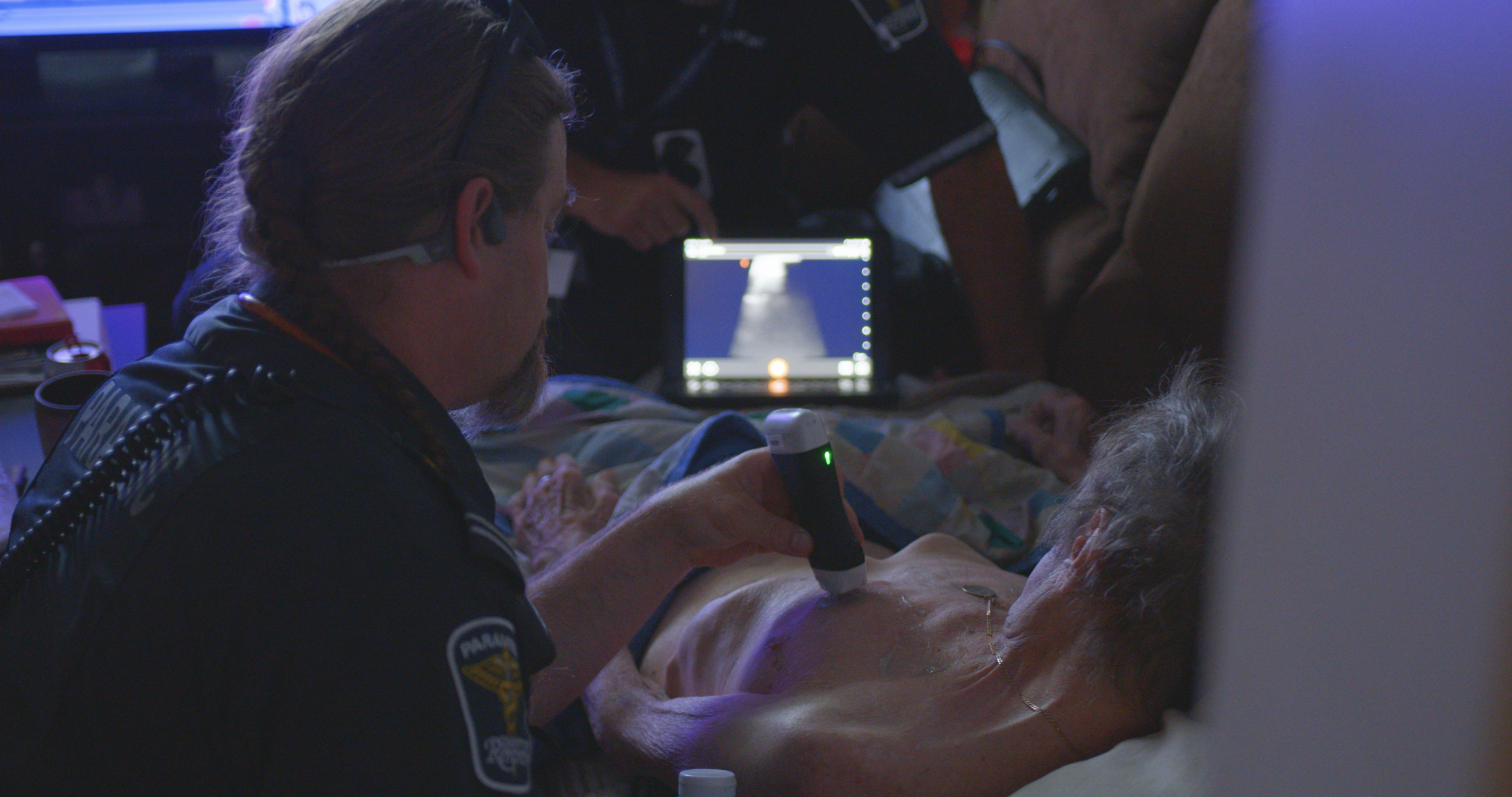



Ontario community paramedicine programs have established an operational framework that transitions frontline medics from zero scanning experience to field-certified POCUS competency in two weeks. By decoupling didactic pre-learning from high-repetition simulation and aligning with Canadian Point of Care Ultrasound Society (CPoCUS) standards, services in Durham, Renfrew, and York have eliminated traditional shift backfill barriers while satisfying base hospital physician governance.
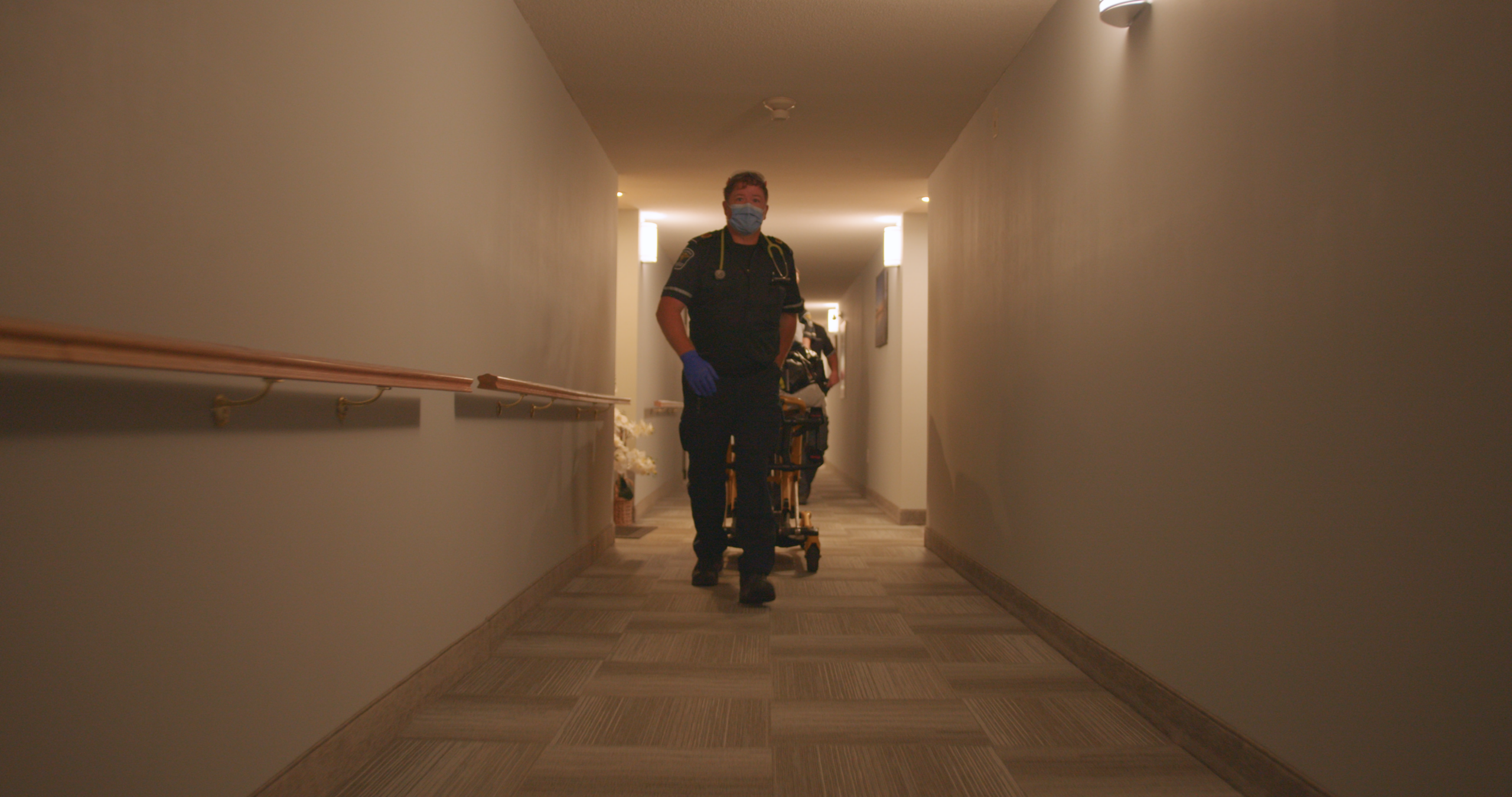
If you include the online stuff and the three or four days of hands-on, you could probably be pretty proficient within a week or two,“ says Brian Dahn, Advanced Care Paramedic with Region of Durham Paramedic Services. „It was a little nerve-wracking because I’m an old medic. I come from a time when we were just ambulance drivers… But if I can do it, anyone can do it.“
Building Clinical Confidence: The Training and QA Blueprint for Implementing Prehospital POCUS
Watch the 4-minute video to discover how paramedic program directors and educators from Durham, Renfrew, York, and Queen’s University implemented high-repetition scanning simulations and robust clinical governance.
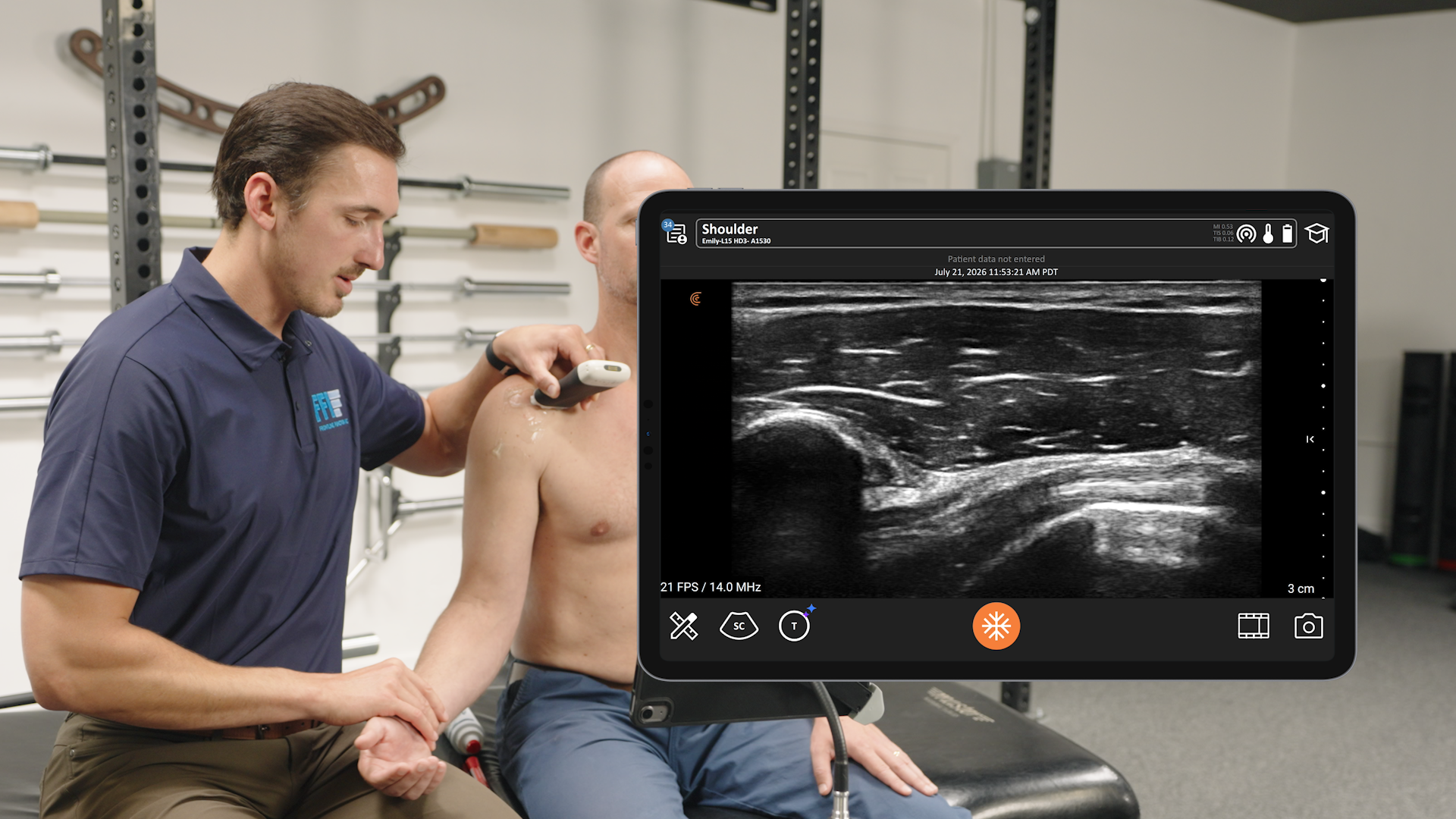
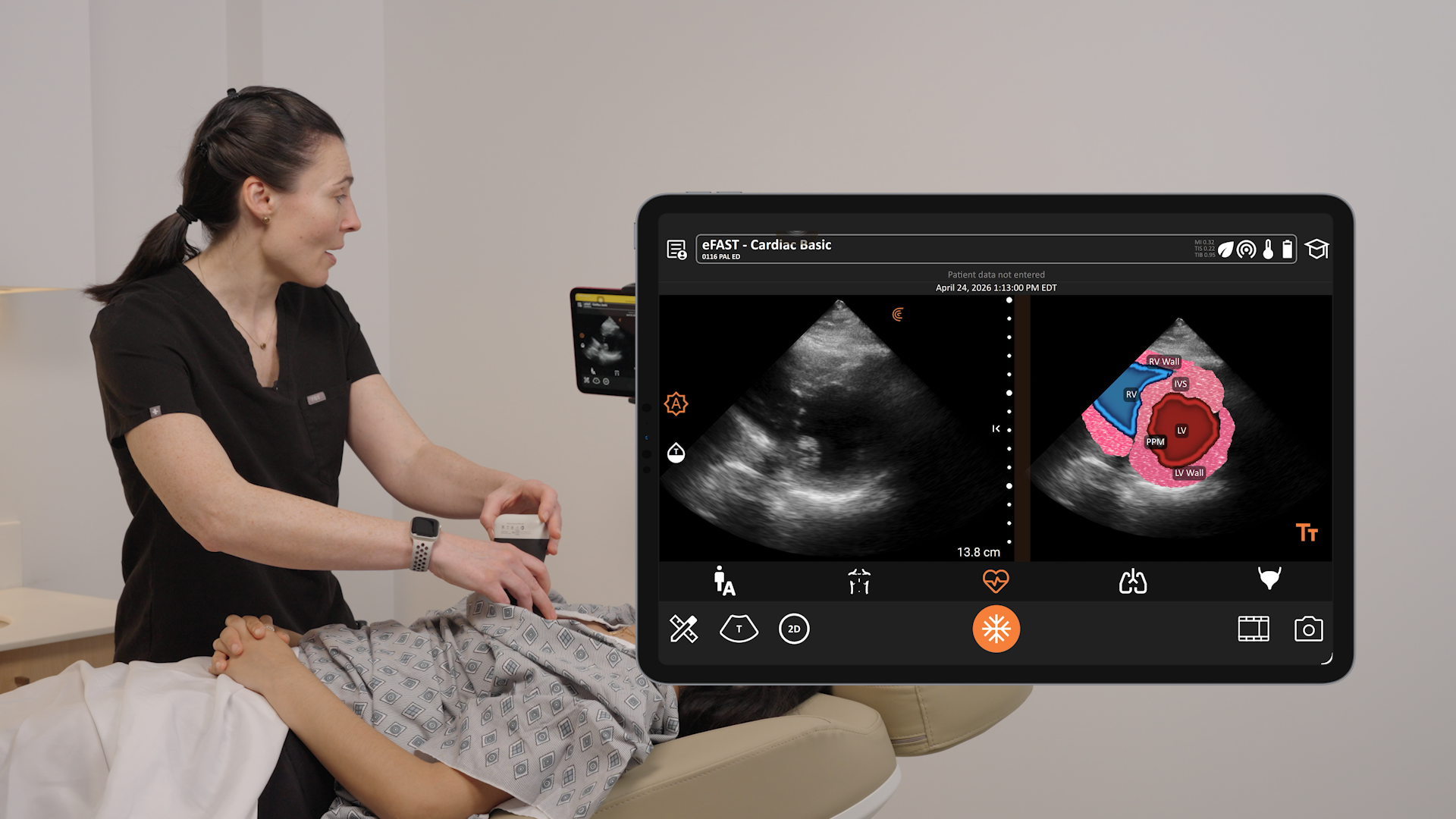
Below is the clinical and operational blueprint the team used to compress training timelines without compromising diagnostic precision, medical delegation, or patient safety. We have included videos from Clarius Classroom to demonstrate how to perform the exams used frequently by prehospital medics.
Paramedics POCUS Program Architecture at a Glance
| Phase | Format & Duration | Clinical Scope & Deliverables |
| Phase 1: Asynchronous Didactics | 20 hours online | Ultrasound physics, transducer handling, acoustic windows, knobology, and artifact recognition |
| Phase 2: Simulation Bootcamp | 3–4 days hands-on | 15-minute high-repetition clinical rotations; hundreds of scans to build probe dexterity and pattern recognition |
| Phase 3: Formal Credentialing | Objective 3-part exam | Live demonstration scan, written pathology exam, and visual cine loop interpretation (80% passing grade) |
| Phase 4: Field QA & Governance | Continuous operational oversight | Cloud-based over-read by base hospital physicians, ePCR integration, and standardized audit logs |
The 2-Week Paramedic POCUS Curriculum: Didactic & Simulation Breakdown
For an EMS training officer or program director, operational downtime and shift backfill have traditionally been major barriers to adopting diagnostic ultrasound. Ontario paramedicine programs addressed this by separating cognitive ultrasound theory from manual probe manipulation.
The initial training is online so that we have our knowledge base before we get into hands-on,“ explains Dahn. „And I think that cuts down the learning curve and learning time dramatically.“
Shannon Koppenhoefer, Advanced Care Paramedic with York Region Paramedic Services, outlines the three core phases of the training model:
- 20 Hours of Asynchronous Pre-Learning: Paramedics complete digital modules covering ultrasound physics, acoustic windows, transducer orientation, and image artifact identification before handling a probe.
- High-Repetition Scanning Bootcamps: Trainees complete three to four consecutive days of supervised clinical simulation. Working in pairs, medics rotate through scanning stations every 15 minutes, performing hundreds of practical scans to develop tactile probe dexterity and real-time image acquisition skills.
- Strict Three-Part Objective Competency: Field clearance requires an 80% passing grade across a live practical demonstration scan, a written exam, and a visual pathology interpretation test.
CPoCUS-Aligned Field Protocols: High-Yield Indications for Paramedicine
Rather than building an unvetted curriculum from scratch, regional services leveraged established emergency medicine standards and tailored them to mobile integrated healthcare.
What we ended up landing on was partnering with CPoCUS [Canadian Point of Care Ultrasound Society], which is the existing training organization for most doctors that we interact with in emergency,“ says Matt Cruchet, Commander of Program Development and Education for County of Renfrew Paramedic Service. „We just took what already existed in their structure and we just repackaged it to what is most high-impact for the community paramedic practice environment.“
Within six months, Renfrew finalized approvals, engaged CPoCUS, and trained its first cadre of peer instructors using Clarius ultrasound scanners. The clinical scope targets high-yield prehospital protocols where real-time imaging directly alters patient trajectory:
Pulmonary Assessment: Differentiating acute decompensated heart failure (ADHF) and pulmonary edema from COPD exacerbation or focal pneumonia by evaluating pleural sliding and B-line patterns.
Video: B Lines Bright
Watch this video to learn Dr. Oron Frenkel’s interpretation of a lung ultrasound exam
Urinary Retention & Bladder Volume: Calculating transverse and sagittal bladder diameters to confirm acute retention on-scene, enabling immediate urinary catheter intervention and avoiding non-emergent emergency department (ED) transport.
Video Demonstration: Clarius Bladder AI
In this 2-minute video, Shelley demonstrates how the Clarius app quickly and accurately identifies and highlights the bladder, and calculates a bladder volume.
Abdominal & Vascular Assessment: Screening for abdominal aortic aneurysm (AAA) and identifying free fluid in acute flank, abdominal, or back pain presentations.
Video: Abdominal Aortic Aneurysm (AAA)
Dr. Oron captured this video of an abdominal aortic aneurysm. Watch the video to learn his interpretation of what he is seeing.
Clinical Governance, QA, and Medical Delegation
A successful prehospital POCUS program requires structured medical oversight that satisfies base hospital physician requirements and regional healthcare standards. Dr. Kathryn Brohman, Associate Professor at Queen’s University, collaborates with paramedic services to establish standardized quality assurance (QA) frameworks.
In order for this to happen in Ontario, there has to be quality assurance around the quality of the scans, understanding the training, understanding the certifications that are needed,“ explains Dr. Brohman.
Key pillars of the POCUS governance framework include:
- Medical Delegation & Physician Orders: Defined clinical protocols outlining how sonographic findings trigger specific treatment pathways alongside base hospital physicians and primary care networks.
- Cloud-Based Over-Reads & QA Auditing: Standardized digital pipelines where field-acquired cine loops and still images are uploaded to the cloud for regular QA auditing, peer review, and physician over-read.
- EHR & ePCR Image Governance: Secure transmission of diagnostic clips into receiving healthcare facility records to support seamless continuity of care.
- System Resource Optimization: Using mobile diagnostic imaging to manage patients safely in their homes, diverting non-emergent visits away from crowded emergency departments.
Prehospital Scanner Requirements: Wireless Workflow, Durability, and Cloud QA
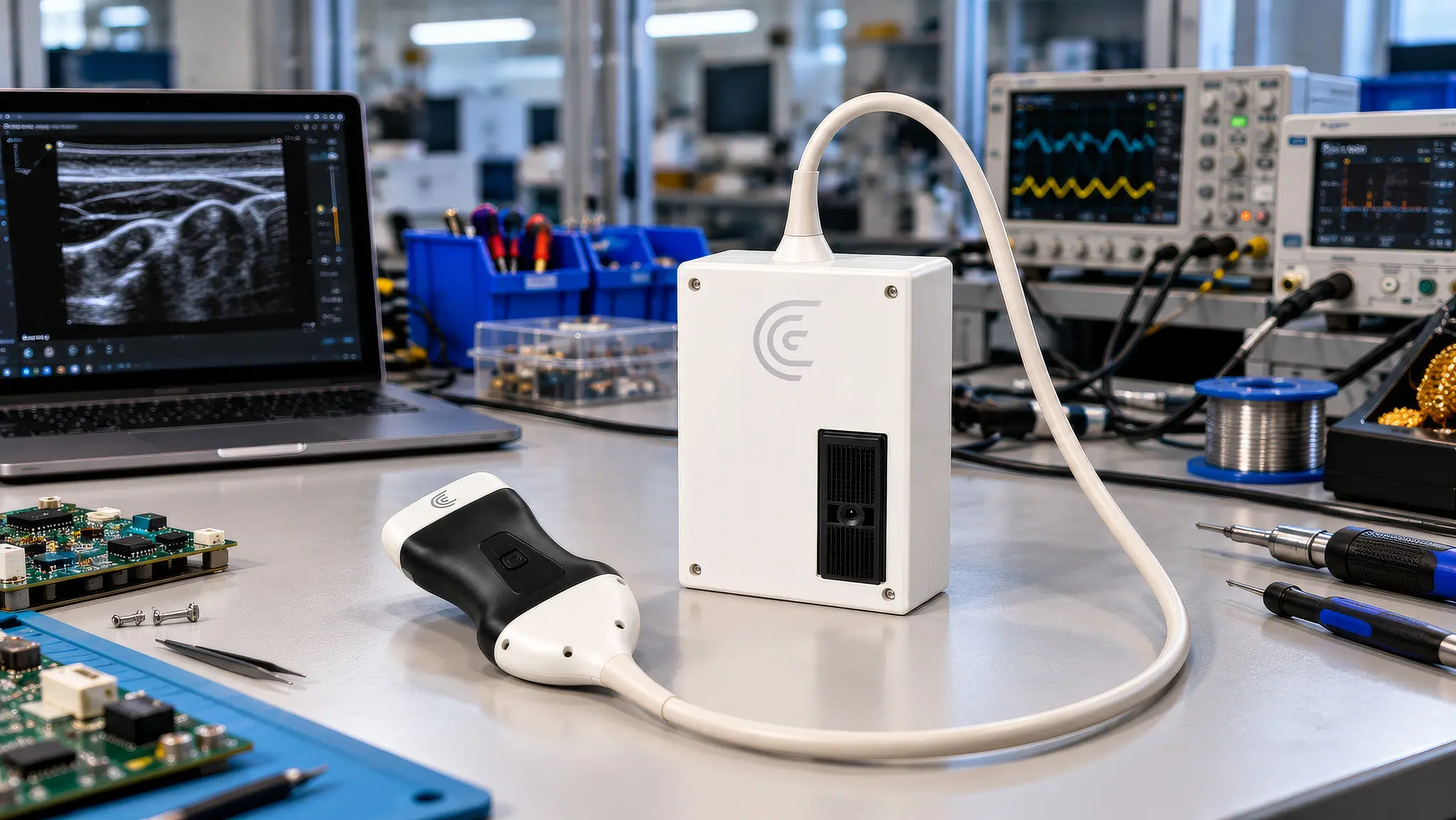
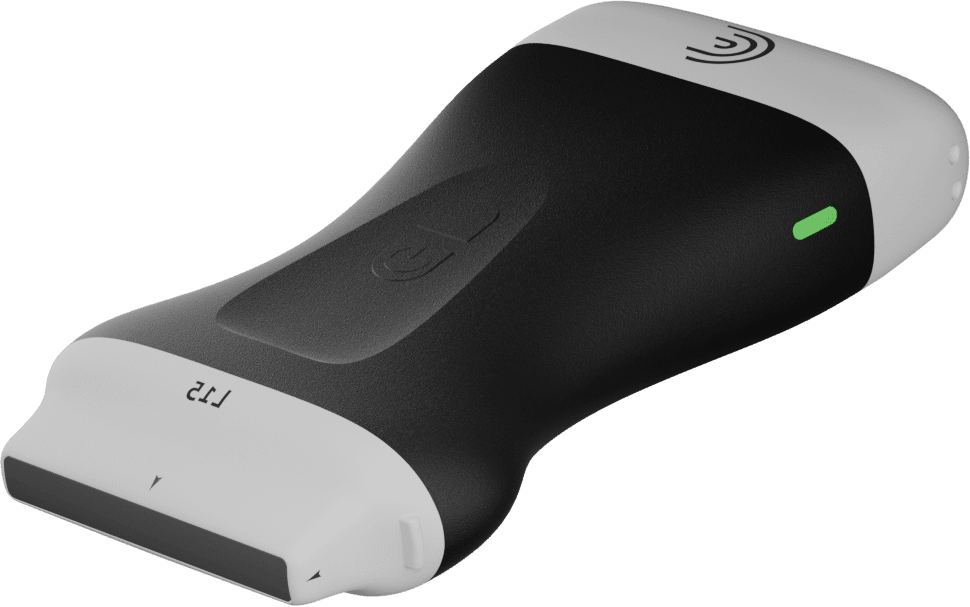
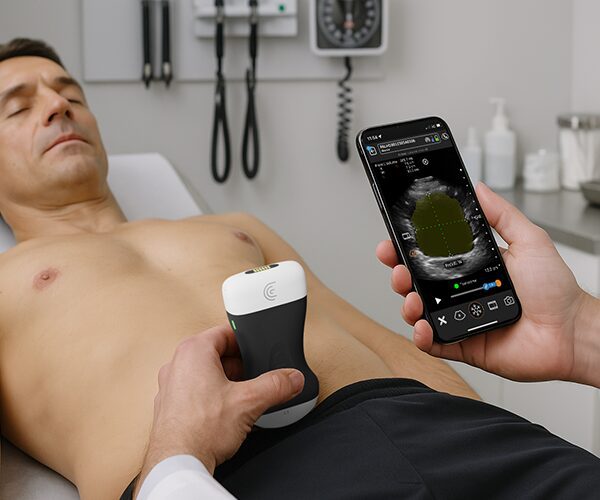
Traditional cart-based units and delicate wired probes introduce infection control and cable-management hazards in prehospital environments. Modern ultra-portable wireless scanners like the Clarius HD3 series meet the imaging clarity and physical durability required for mobile paramedic response:
High-Definition Wireless Mobility: Cable-free operation eliminates snag hazards in tight ambulance boxes and home care settings, connecting via direct Wi-Fi to off-the-shelf iOS and Android devices.
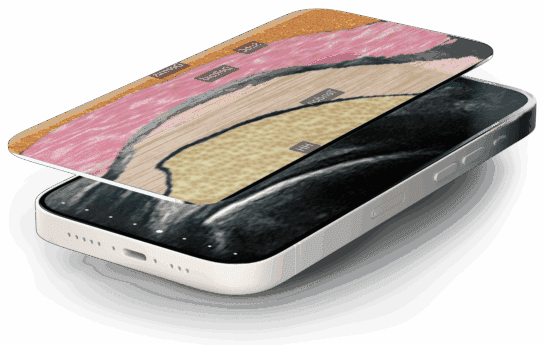
- AI-Powered Image Optimization: Built-in artificial intelligence automates gain, depth, and imaging parameters in real time, helping newly trained paramedics capture diagnostic-quality views quickly during time-sensitive calls.
- Automated Cloud Archiving: Seamless integration with Clarius Cloud allows field clinicians to upload scans instantly for QA review, physician over-read, or telehealth consultation.
- Rugged, IP67-Rated Durability: Fully submersible, the scanner can be rapidly wiped down and sanitized between home visits, meeting rigorous EMS infection control standards.
Launching POCUS in Your Service: A Proven, Achievable Model
For paramedic chiefs, EMS medical directors, and education coordinators evaluating prehospital diagnostic imaging, the evidence shows that training hurdles are easily solved with a structured curriculum.
Don’t think this is out of reach,“ says Wade MacPherson, Deputy Chief of Professional Standards at Haliburton County Paramedic Service. „Don’t think this is beyond your capability, because it’s absolutely obtainable. There’s an enormous amount of capability right now for paramedics to seek training and come out with that high-level qualification… to make a big difference for patients right off the bat.“
On-Demand Webinar: Learn How to Build a Sustainable POCUS Program for Paramedicine
Tune into a Clarius webinar recorded with Wade MacPherson, Deputy Chief of Haliburton County Paramedic Service, for a deep dive into the operational lifecycle of implementing a high-standard prehospital POCUS program. Wade covers initial planning, medical delegation, governance models, and long-term clinical sustainability.
Interested in Learning More About Clarius Ultrasound for Prehospital Care?
Contact a Clarius expert to learn how to bring high-definition handheld ultrasound to your community.