I just wanna hear from you. What's bringing you to physical therapy today? Oh. Thank you. I'm excited to be here. I, I ruptured my Achilles in June of 2025 playing men's league basketball. So I had surgery and he had been rehabbing over the last year and doing some return to sport classes and literally building up strength on both sides.
But recently, a few weeks ago, after coming back from a golf trip in Bandon Dunes, a lot of walking. I noticed some kind of some discomfort in my right side, which is kind of odd after a year. So just working on that, doing some, you know, ankle flexion and mobility work and some strength work as well. Okay. So no history of injury on the right side until recently.
Correct okay. Yeah. Okay. And tell me a little bit about like what still bugs you either on the right or the left are the activities that you feel you're not ready for or that cause your pain. Um, maybe like slight discomfort. I think we're kind of past the pain point until this flared up a few weeks ago, but mostly like, um, like if I was trail running or, like, you know, hiking or something with elevation, I still like, I'll notice some tightness still here on the left side, um, during or after or both.
More so during this. The left's the surgically operated one feels pretty durable at this point, which is good. Whereas, like, I think I can kind of push it in the next day I'll wake up and feel feel pretty good. So yeah. Tell me a little bit about your exercise routines that you're in. Yeah. It sounds like you do some aspect of running.
What does that look like? Yeah. So I enjoy weightlifting. Um, I enjoy, you know,
jogging at this point, which I'm getting back into and then, you know, was playing basketball there for a while. I think basketball is off the table, but I really just want to chase my kids around in the backyard or play at the beach and do everyday type things. So yeah. What how are you feeling? Like basketball is off the table.
What's the limiting factor there? The fear of rupturing another Achilles? Yeah, I think from talking to my surgeon, it'd be, you know, it'd be pretty phenomenal if the surgically repaired one was injured again. But the the fear of, like, hurting the right one. But I would love to get back to it someday. So yeah.
So that's a good segue into I'm hearing basketball as a potential goal. Any other things you mentioned? Kids. Any other things that you feel like? Are your goals that come into physical therapy can help you accomplish? Yeah, I think, um, really just getting back to basketball and more like consistent trail running and feeling feeling good about that.
And let's make that even a little bit more specific. You said consistent trail running. Is there a mileage goal? Um, like per week or a time goal or a race or anything that you're interested in? Yeah, More like if I can get out two times a week for at least, you know, 4 or 5 miles at a minimum and build up from there, that would be.
That would be huge. And where are you at right now? How close to that are you? Uh, given the, like, the recent setback? Not there. So doing a lot of hiking or running, you know, hiking with a weighted pack, which I could go for, you know, up to like two hours at this point and feeling good about it. So. Yeah. And then, um, tell me a little bit about what you're maybe more rehab specific routines are for both sides or left side.
Whatever you're doing that you feel like is, um, to strengthen, uh, or improve mobility, whatever it is on your Achilles, is there anything currently that you're doing? Yeah. So I'm still going to like a return to sport, like PT led class. So there's a there's a strength aspect with weightlifting. And then there's also like a mobility aspect a speed and agility aspect.
So doing a lot of single leg hopping still which in balance work and some even like some sled pushes, um, some sprinting and really trying to like kind of work on like that stopping Yeah. Strength. And then just noticing like a, you know, through the testing like weaker hamstrings, strong quads, typical quad dominant.
So yeah. Sounds good. Yeah. Um all right. So the main things I'm hearing from you are a history of the left Achilles rupture and repair. You're just over a year from that. It sounds like the rehab has gone pretty well. Um, and then recent kind of soreness, tightness, maybe a little bit of pain on that right side just after a lot of walking.
Okay. Um, I would assume that golf is a if you're abandoned dunes, I would assume that golf is a goal of yours as well. And to feel like you can do that and not flare up in Achilles, is that a safe assumption? It's a safe assumption. I do have another golf trip next week to Torrey Pines for work, so we'll be good for that.
Yeah. And you typically, um, will you be carting or walking for that? A mix of both. I prefer to walk and Bandon Dunes. You can only walk. So, uh, it was, it was one day was like 40,000 steps, uh, in a lot of four days in a row of walking, which I used to do all the time. But. Yeah, body's a little bit different now. Okay.
Yeah. Sounds good. Um, but what we're going to do is we're gonna take a look at both. Achilles. I'm going to look at your strength, your mobility, your balance as best I can. I'll do my best with the equipment that we have to try and kind of find your limit a little bit, um, to where you feel comfortable and to where maybe we bring on a little bit of discomfort and find a deficit side to side.
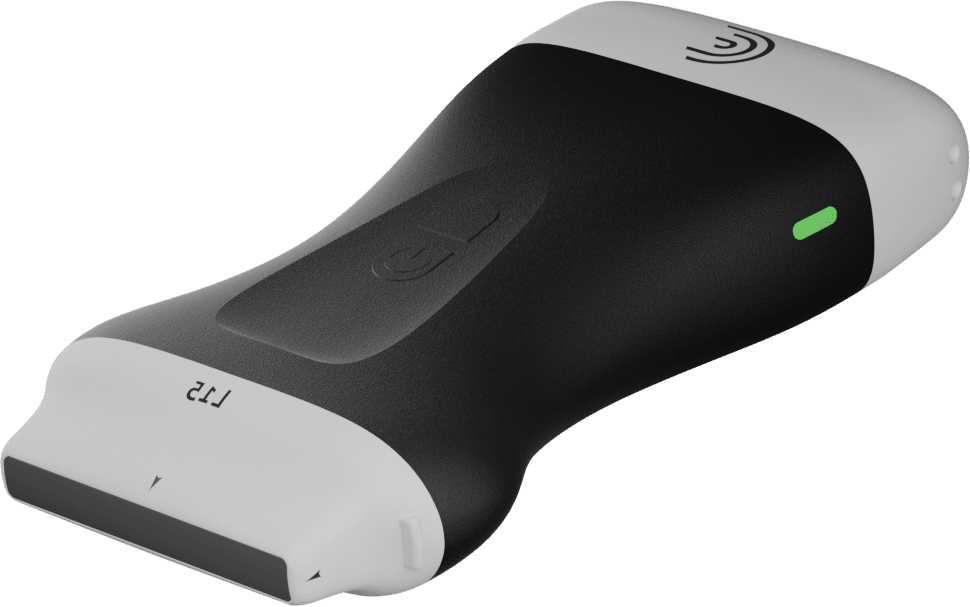
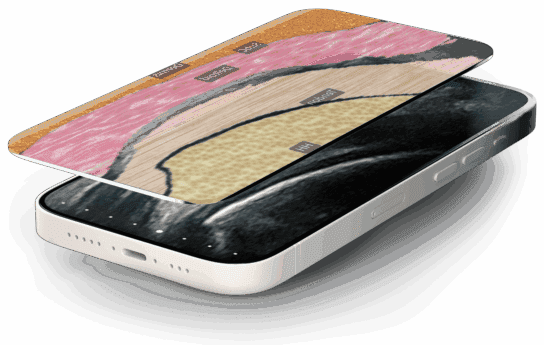
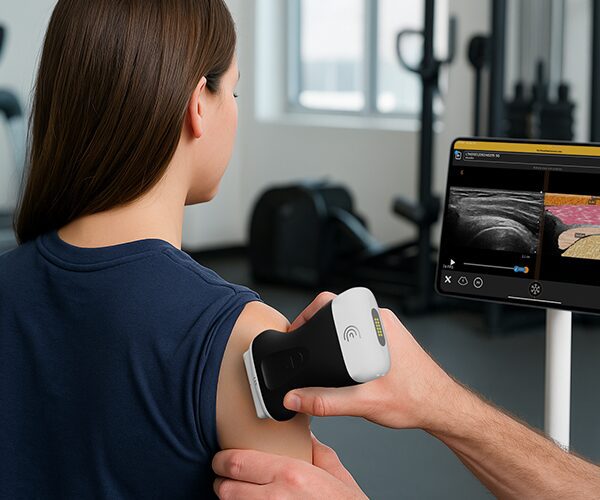
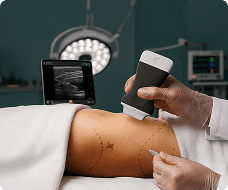
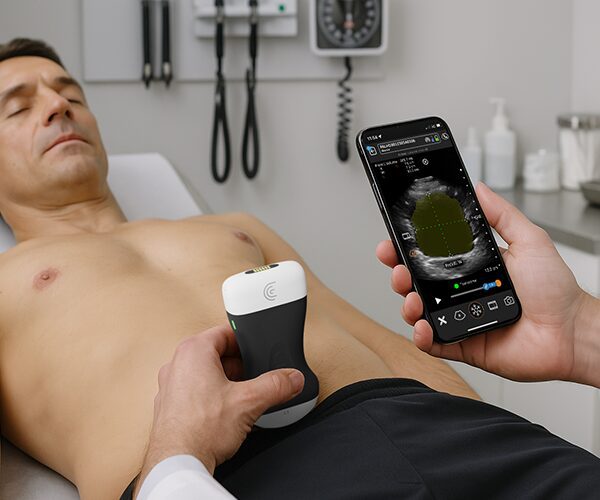
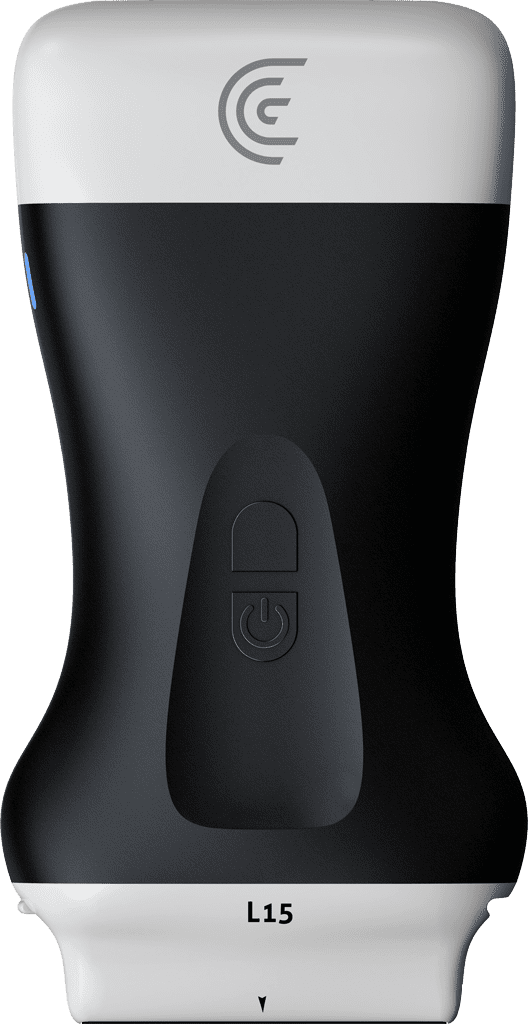
Um, and then one of the tools that we do have here, as well as we utilize musculoskeletal ultrasound, which is a basically a device that can look at the soft tissue around a joint. Um, very well, kind of similar to actually MRI when it comes to the foot and ankle. And so what's helpful for us is, is we can take a look at your Achilles on both sides together, see if there's differences.
See if there's signs of inflammation. Um, and really maybe just use that to understand a little bit more about what's happening. And then what you can do about it. And we'll give some tips on um, maybe some rehab stuff that might be beneficial for you. I'd love to see you get back to basketball. I know that there's a little bit of fear there, which is totally understandable.
Um, but it does sound like you've been on a good trajectory and you're doing a lot of really good things, so, um. That sound right to you? Sounds great. Thank you.