1
00:00:00,070 --> 00:00:04,950
Hello community. I am Enrique Villanueva, musculoskeletal and soft tissue interventional radiologist.
2
00:00:04,950 --> 00:00:10,669
And today I come to talk to you about how to evaluate retroperitoneal fat. This retro
3
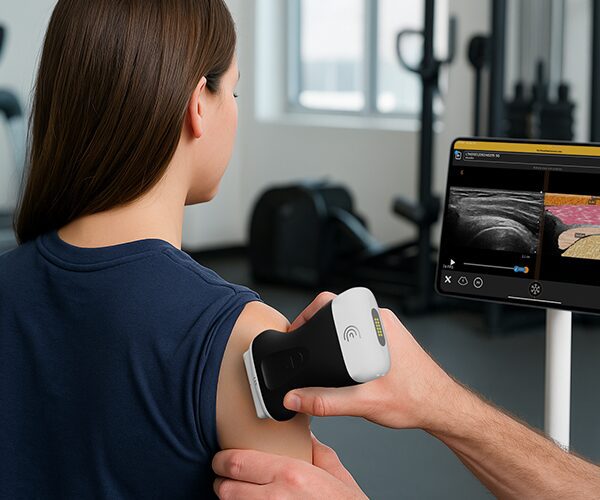
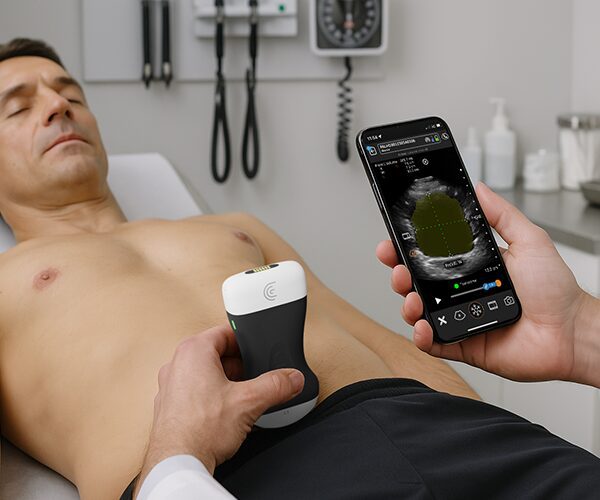
00:00:10,670 --> 00:00:17,670
peritoneal or no fat fat, works a lot for patients who are going to have a hernia or a procedure
4
00:00:17,670 --> 00:00:23,470
of the abdominal wall that is called ventral TAP. It is very important to evaluate this thickness and it also
5
00:00:23,470 --> 00:00:29,310
works a lot for some diseases or follow-ups in cardiometabolic surgeries,
6
00:00:29,310 --> 00:00:34,949
metabolic surgery or nutritional diseases. Look that we have a thin patient and what
7
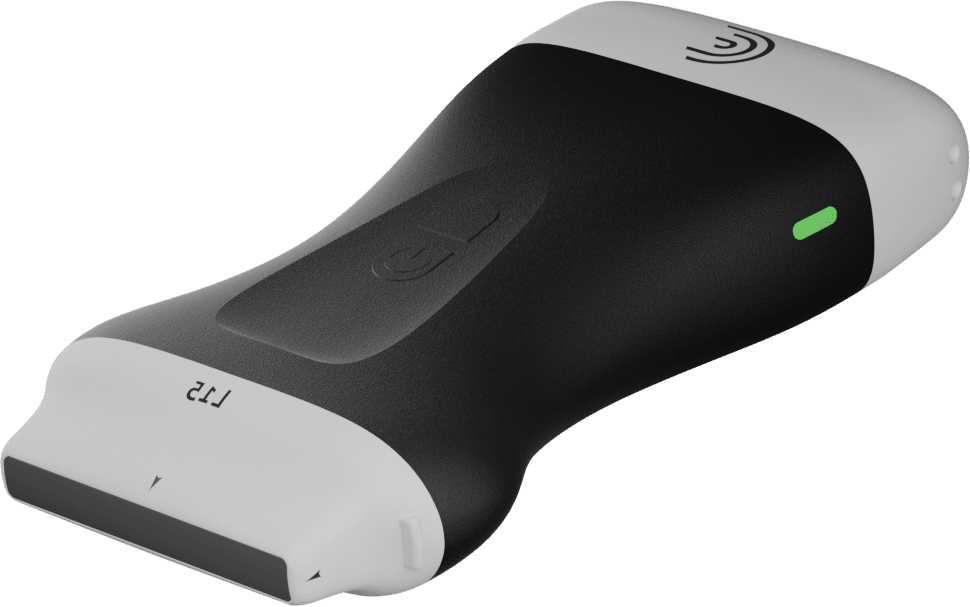
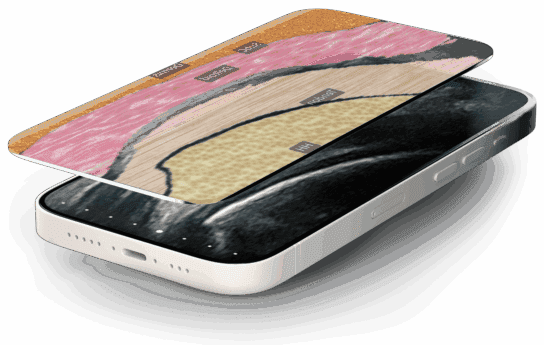
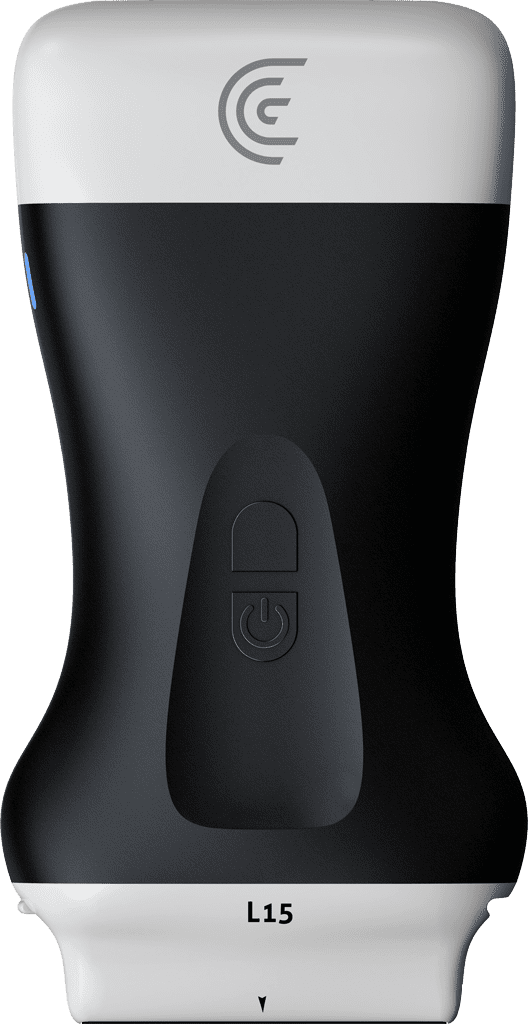
00:00:34,950 --> 00:00:41,390
we are going to do is a supraumbilical ultrasound with the abdominal wall setup. And there what are we going to
8
00:00:41,390 --> 00:00:46,669
see. Mainly we are going to see our midline in our midline. As you see, on the
9
00:00:46,669 --> 00:00:53,189
screen we observe rectus abdominis and we observe the linea alba.
10
00:00:53,869 --> 00:01:00,669
This is important that we identify it because at the video level we observe below
11
00:01:00,780 --> 00:01:07,780
this Linea Alba we are going to demonstrate this This retroperitoneal fat. That
12
00:01:07,780 --> 00:01:12,460
retroperitoneal fat that exists is mainly described for para-abdominal surgery.
13
00:01:12,500 --> 00:01:18,540
We are evaluating it for metabolic diseases. When the index exceeds 1 to 1 of the
14
00:01:18,540 --> 00:01:25,500
subcutaneous cellular tissue with the posterior fat. In this case, this retroperitoneal fat or no fat
15
00:01:25,500 --> 00:01:32,339
measures 6.4 millimeters and the subcutaneous cellular tissue measures 5.21. It is practically
16
00:01:32,339 --> 00:01:38,940
1 to 1 in a thin patient. We can identify in thin patients with very thin
17
00:01:38,940 --> 00:01:45,899
subcutaneous cellular tissue, a very large NO FAT. This is really associated
18
00:01:45,900 --> 00:01:51,139
with hormonal disorders and metabolic diseases. Look how important the use of
19
00:01:51,139 --> 00:01:56,980
an ultrasound machine like this one is, which is a Clarius L15 to be able to adequately identify this
20
00:01:56,980 --> 00:02:03,760
structure. We can also see the index or how. The rectus abdominis in its entire
21
00:02:03,760 --> 00:02:10,600
trajectory, on this occasion transverse, has fatty infiltrate or not for patients who
22
00:02:11,000 --> 00:02:16,560
can do liposuction or who are going to undergo some type of metabolic procedure, either a
23
00:02:16,560 --> 00:02:23,199
gastric sleeve or either a balloon insertion. I repeat, in her case there is a thin patient and
24
00:02:23,200 --> 00:02:29,679
who still has a NO FAT at the limit. This NO FAT increases in women
25
00:02:29,840 --> 00:02:36,679
when there are hormonal changes at some stage of menstruation. Preumbilical or peri
26
00:02:36,679 --> 00:02:43,280
umbilical. It is not found increased in size in patients who do not have an increase in their
27
00:02:43,280 --> 00:02:50,039
body mass index. I hope you liked how to evaluate and identify the Noah's
28
00:02:50,240 --> 00:02:52,840
fat or retroperitoneal fat.