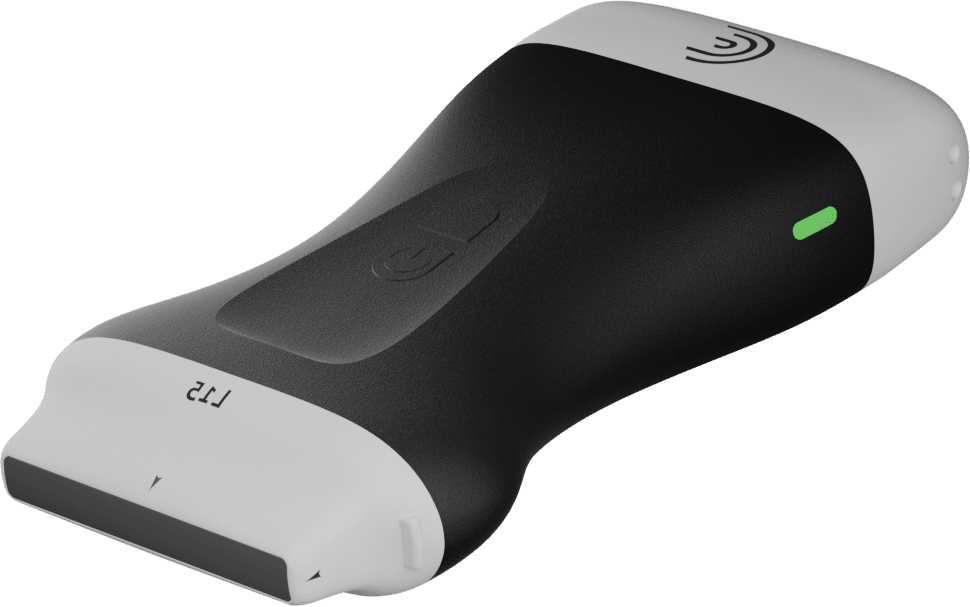
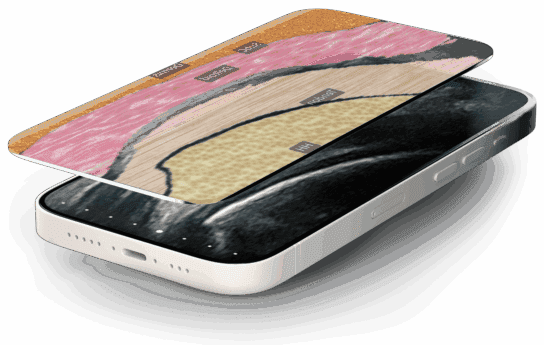
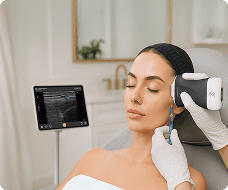
0:00Hello, Dr. Gina here. Today I want to show you how to monitor skin aging and treatment results using our high frequenc.
0:099 secondsAnd for that we are going to be quantifying the thickness of this slab, the sub epidermal lowcogenic band and
0:1717 secondsthe dermis making a ratio between them in order to predict how that skin is aging and how it will age after the
0:2525 secondsprocedure. So you can compare. Why do we look at slab? Because this lab is associated with collage and
0:3232 secondsdisorganization, photoagging, inflammation. So looking at it, we can give very good predictions about skin
0:4141 secondsaging. So come with me. First things first, we need to make sure we standardize both the gain and also the
0:5050 secondslocation of the measurement of the pre and post treatment. So if you choose in this case with my patient here I'm
0:5858 secondschoosing the ziggomatic area and I have to do at this the measurement for the post procedure at the same area using the same gain. That's very important.
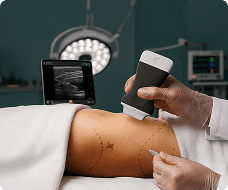
1:111 minute, 11 secondsAnother very important tip is to use a very thick gel and not make too much pressure uh with the probe onto the
1:201 minute, 20 secondsskin. So my advice is to hold the probe this way and have these fingers free to give you support. So the weight of the
1:271 minute, 27 secondsprobe is on your hand and you have full control. So let's start. For this I'm using a parameter specific for this for dermatology.
1:391 minute, 39 secondsOnce I start scanning the skin and I find a good visibility of the epidermis
1:481 minute, 48 secondsand the slab, I will pause the screen.
1:551 minute, 55 secondsFreeze.
1:581 minute, 58 secondsI'm using voice control for this to make things easier.
2:022 minutes, 2 secondsNow I'm going to do the measurements. So first step is to measure the slab. How are you going to do that? You are going
2:112 minutes, 11 secondsto go to the parameters of uh measurement, the menu for measurements, and you're going to choose dermis. And
2:192 minutes, 19 secondsthen you are going to go from this little tiny hypoechic band right under
2:262 minutes, 26 secondsthe epidermis and put the first measuring point and then the second measuring point.
2:352 minutes, 35 secondsAnd then you have the measurement of the slab. Now the second measurement that you're going to make is again menu
2:432 minutes, 43 secondspressermis and you're going to measure the dermis but without adding the epidermis. Okay? So, it's from the lower
2:512 minutes, 51 secondsborder of the epidermis that you're going to measure until
3:013 minutes, 1 secondthe upper border of the hypodermis. There you go.
3:103 minutes, 10 secondsAnd those are uh the quantification of the thickness of the slab and the
3:173 minutes, 17 secondsdermis. With these measurements, we are going to make the slab ratio. And here is the formula for you to use. The
3:243 minutes, 24 secondsspecific result for this patient is of 17.7%.
3:303 minutes, 30 secondsNow I will tell you how to interpret that. When you have the result with less than 10% you have a youthful skin with a
3:383 minutes, 38 secondswellorganized dermis. Between 10 to 20% you have the early stages of photoagging and skin damage, which is the case of our patient here. he has 17.7%.
3:493 minutes, 49 secondsBetween 20 to 30% you have a moderate skin aging with some collagen changes.
3:573 minutes, 57 secondsYou can start to see it. But if you have more than 30% then you are looking at a
4:044 minutes, 4 secondsskin that is advanced photoagging with a lot of skin damage. With these
4:124 minutes, 12 secondsresults, you can plan treatments very well according to the needs of each patient, the strength of the treatment
4:194 minutes, 19 secondsand the complexity of what you have to do to prevent the aging and also to reverse it. You are going to see using
4:274 minutes, 27 secondsthe pre and the post-procedure measurements and that's why I think this tool is very important on our daily usage in our daily clinic. See you soon.
4:394 minutes, 39 secondsThank you for watching. Bye-bye.
Sync to video time