1
00:00:00,000 --> 00:00:05,639
Hello community. How are we today? We have Dr. Roberto Barcenas, Luis here with us
2
00:00:05,680 --> 00:00:11,559
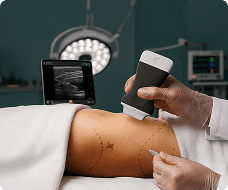
evaluating a buttock with ultrasound to be able to see the superficial extension of biopolymers, which is a
3
00:00:11,560 --> 00:00:18,120
fairly simple protocol, but I wanted to invite Dr. Roberto so that he can tell us what works
4
00:00:18,120 --> 00:00:24,840
for him in ultrasound to plan and what technology he uses in his procedure. Doctor,
5
00:00:24,879 --> 00:00:31,040
tell us about ultrasound and about what you are currently doing in biopolymer resection in
6
00:00:31,040 --> 00:00:36,759
Colombia. Well. Hello, good afternoon. Thank you very much for the invitation. Well, uh, currently I am
7
00:00:36,759 --> 00:00:42,320
a plastic surgeon, I dedicate myself to biopolymer removal and since the ultrasound came out I have been
8
00:00:42,320 --> 00:00:48,720
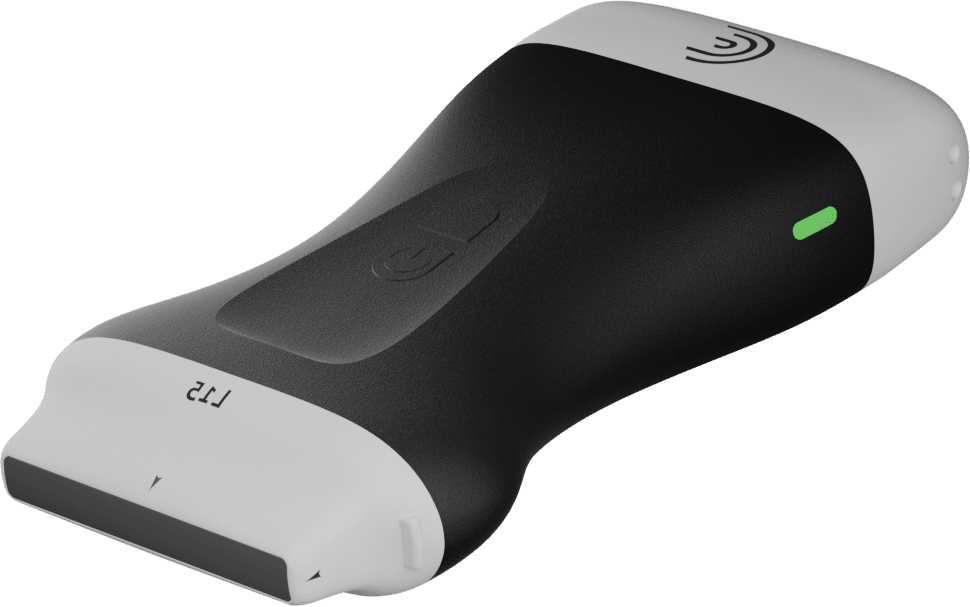
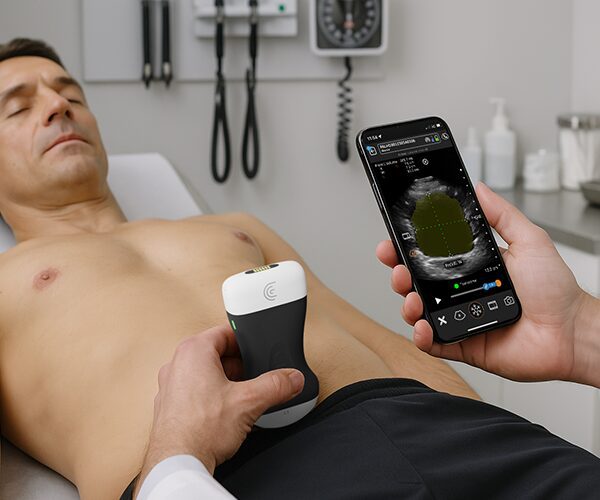
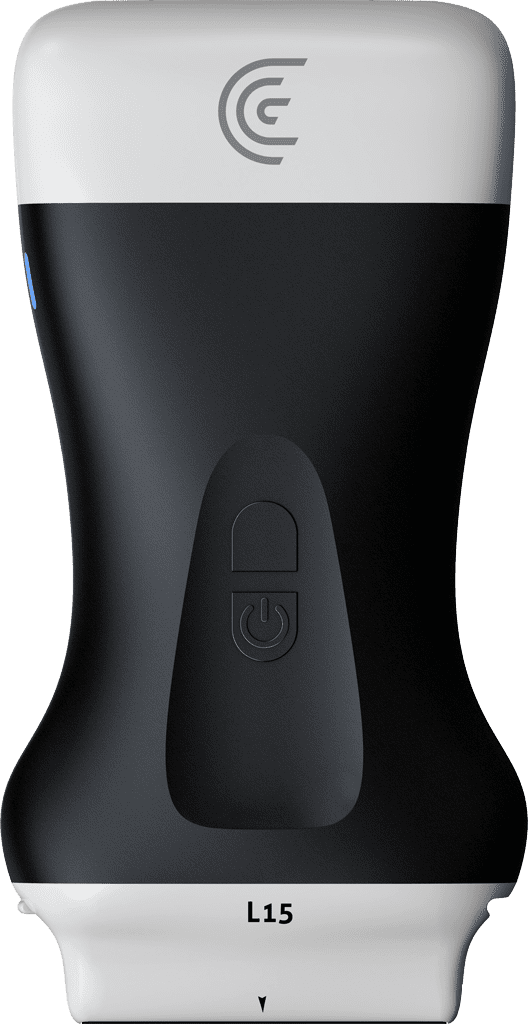
implementing it in all my biopolymer surgeries, because it is a dynamic, precise and exact guide
9
00:00:48,720 --> 00:00:54,400
in real time. At least here we made a marking of biopolymers of the area,
10
00:00:54,440 --> 00:01:00,360
we located them in real time, we see the siliconomas and we see if there is involvement, both muscular, of
11
00:01:00,360 --> 00:01:05,240
soft tissues or if there is a deeper involvement. When they have already migrated to deeper planes
12
00:01:05,240 --> 00:01:09,839
we can perform all that exploration prior to surgery with the ultrasound.
13
00:01:10,200 --> 00:01:15,230
During surgery we can see the areas where we need to resect more biopolymers. As we know,
14
00:01:15,230 --> 00:01:22,029
we cannot always resect them sometimes in one surgical time. And we also use the ultrasound as a
15
00:01:22,029 --> 00:01:27,509
pre-surgical guide and as a surgical guide in the resection of open biopolymers. I also
16
00:01:27,510 --> 00:01:32,910
go accompanied by what is the X one plasma scalpel, which is the one I use, which performs all the
17
00:01:32,910 --> 00:01:38,790
cold resection. We prevent the biopolymers from melting, we avoid more
18
00:01:39,150 --> 00:01:45,949
inflammation and at the same time we also get the tissue to make less seroma and recover faster.
19
00:01:46,349 --> 00:01:52,829
Perfect. So it is important how the ultrasound gives us the ability to plan, to have
20
00:01:52,830 --> 00:01:58,750
anatomical awareness, pre-surgical and during surgery to be able to make decisions, because they
21
00:01:58,750 --> 00:02:04,750
can also do intraoperative ultrasound. Doctor Barcenas, thank you very much and I don't know if you want to
22
00:02:04,790 --> 00:02:09,229
tell us anything else about how you use the ultrasound here in the protocol that you are doing of
23
00:02:09,229 --> 00:02:16,030
our patient. Well, look, I have the Clarius L15, what I use is due to background
24
00:02:16,030 --> 00:02:21,670
history, I do the MRI images and then I reinforce with the ultrasound. Before
25
00:02:21,670 --> 00:02:26,789
surgery, both the patient standing and in the surgical position that she will go in, I do a
26
00:02:26,830 --> 00:02:32,830
marking of the area where I find more biopolymers. As we know, some are seen in this
27
00:02:32,830 --> 00:02:38,070
case. Notice that here the whole image is erased, but this is really biopolymers in the entire
28
00:02:38,070 --> 00:02:43,070
gluteal area. So if we locate in real time before the surgery, then
29
00:02:44,869 --> 00:02:49,630
we see all the planes where we have made the dissections. Here we can see that the ultrasound supports us
30
00:02:49,630 --> 00:02:54,789
to see depth and involvement of structures such as muscles, subcutaneous tissue and that
31
00:02:54,789 --> 00:02:59,390
they can reach nerve structures such as the sciatic nerve or the piriformis muscle. And with that
32
00:02:59,390 --> 00:03:05,190
we make a safer, more effective, more precise surgery and accompanied by a plasma scalpel. The
33
00:03:05,190 --> 00:03:09,950
surgery is less harmful and the recovery is much better. Suddenly it has fewer complications.
34
00:03:10,910 --> 00:03:16,990
Perfect, as always. So it is important that you standardize the ultrasound concepts and that
35
00:03:16,990 --> 00:03:23,989
you can perform your ultrasounds to plan, to guide and to solve complications, whether
36
00:03:23,990 --> 00:03:29,789
in plastic, reconstructive, microsurgery and cosmetic surgery. See you in another
37
00:03:29,789 --> 00:03:32,469
episode of Clarius and Ultrasound Tips.