





For decades, prehospital respiratory assessment relied on a conventional approach: auscultating lung sounds with a stethoscope and relying on physical palpation. While auscultation remains a standard clinical skill, subjective acoustic findings like “wet,” “junky,” or “coarse” breath sounds often present diagnostic dilemmas in acute respiratory distress. Overlapping pathologies, such as acute decompensated heart failure, pneumonia, COPD exacerbations, and pleural effusions, can present with nearly indistinguishable auditory findings.
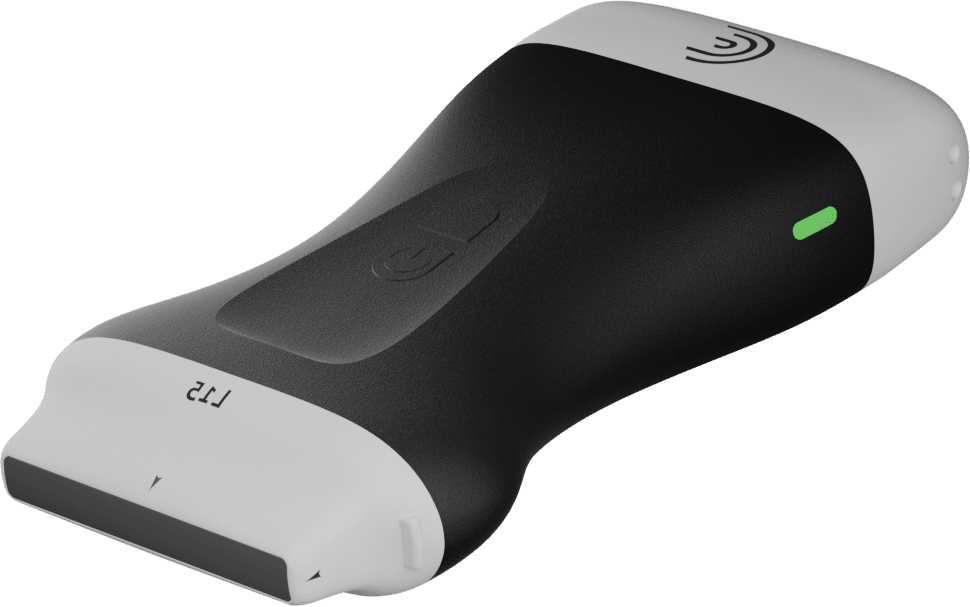
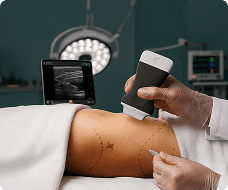
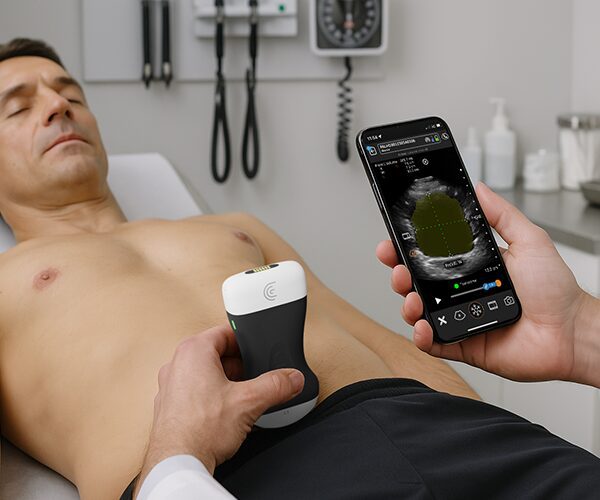
Point-of-care ultrasound (POCUS) is eliminating this ambiguity by giving prehospital and community paramedics high-resolution, real-time visualization of thoracic and cardiac pathology directly in the field.
Watch the video interview below to see clinical leaders and paramedics discuss how handheld ultrasound transforms clinical uncertainty into definitive, targeted patient care. Or read on for details.
The Limitations of Auditory Evaluations in Prehospital Care
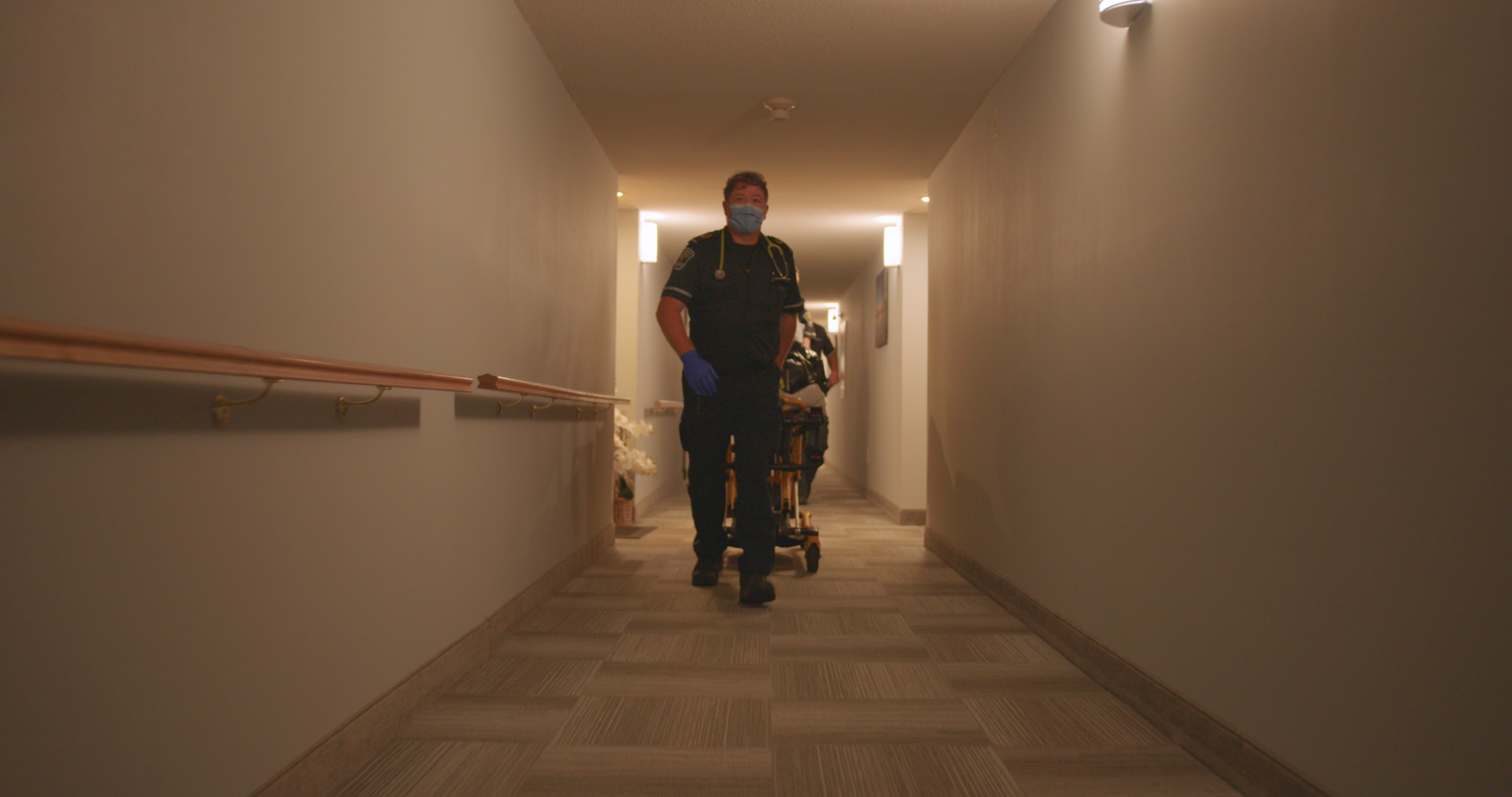
Wade MacPherson, Deputy Chief, Professional Standards, Haliburton County Paramedic Service, has been a member of a team that has led the charge to equip community paramedics with Clarius handheld ultrasound machines in a region of Ontario, Canada. Now, EMS services are bringing advanced diagnostic capabilities directly into patients’ homes and long-term care (LTC) facilities, preventing unnecessary hospital visits and improving patient outcomes.
According to Wade, conventional clinical evaluations have left room for uncertainty when evaluating an undifferentiated patient. For example, auscultation provides acoustic cues for a dyspneic patient, but it cannot directly visualize underlying anatomical structures or dynamic fluid shifts.
With thoracic lung ultrasound demonstrating diagnostic sensitivity and specificity on par with advanced hospital imaging, paramedics can rule in or rule out pneumothorax or interstitial syndromes within minutes at the bedside.
When we had the option through the technology to look inside and to actually assess what is going on, is there pathology, is there something dynamic happening right now… rather than an auscultation of the lungs that might tell us that, ‘Oh, there’s something in there that maybe sounds a little bit wet, maybe sounds a little bit junky, maybe sounds a little bit coarse.’ It’s now the identification of pneumonia, the identification of pneumothorax with great confidence, great certainty. We’re talking about sensitivity and specificity levels that are 99 and 97%, on par with CT scan,” he explains.
Seeing What You Hear: Differentiating Overlapping Pathologies
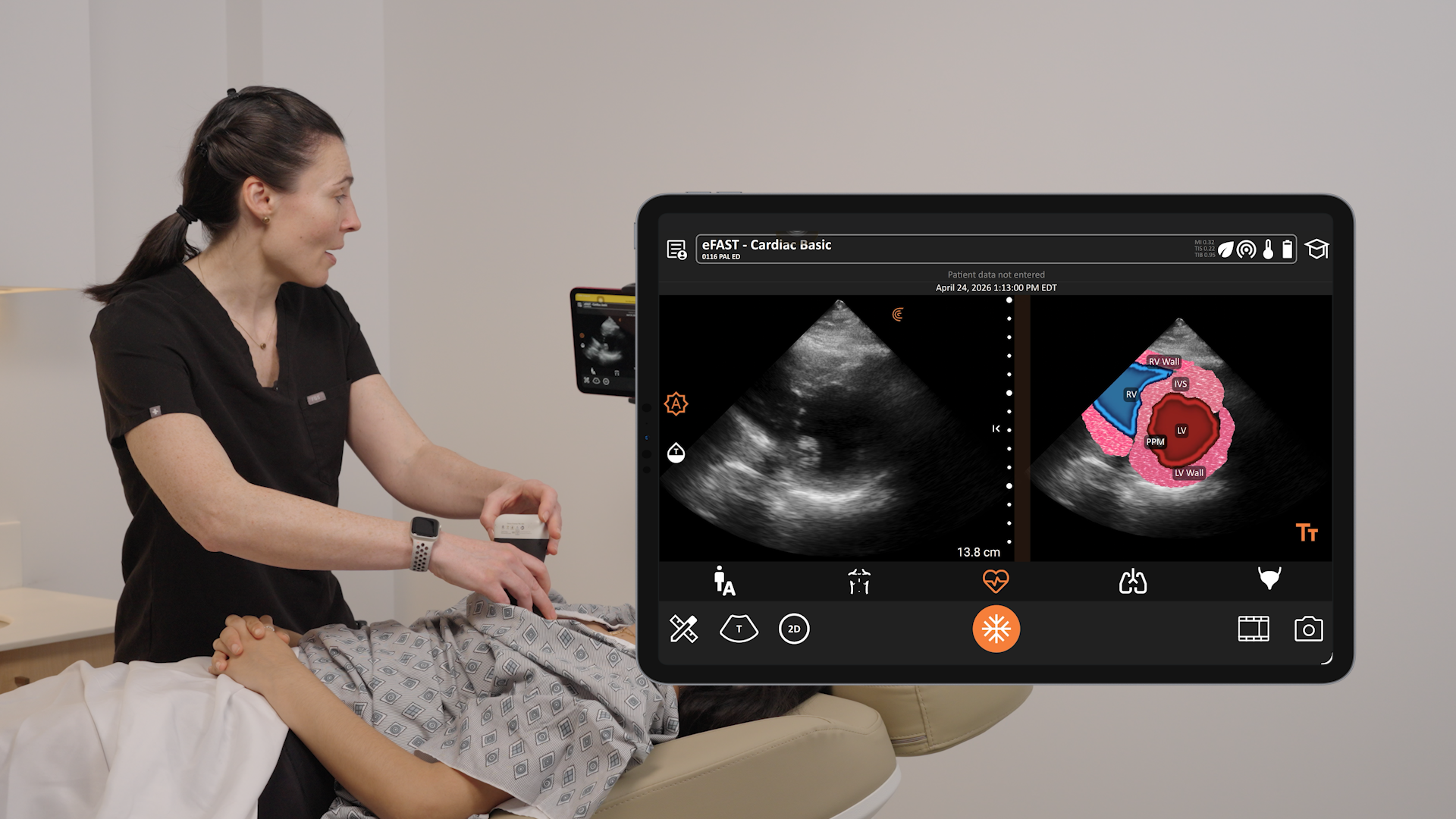
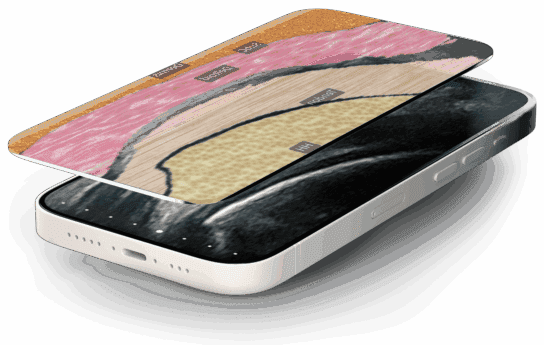
Differentiating cardiogenic pulmonary edema from non-cardiogenic pulmonary pathology or infection in the field dictates rapid treatment protocols. Choosing between bronchodilators, steroids, diuretics, or antibiotics can alter a patient’s trajectory. Handheld ultrasound translates subjective acoustic sounds into definitive visual sonographic markers, such as B-lines, lung sliding, subpleural consolidations, and pleural fluid collections.
Point-of-care ultrasound gives a better starting point… gives you a better opportunity to make that determination on treatment and what is the underlying issue, or what’s more of the underlying issue when you’re comparing things like pneumonias and CHF,” says Brett Copithorne, Acting Superintendent, Region of Durham Paramedic Services. “You’re not just relying on your ears to auscultate a chest; you can see it.”
Field Case Studies: How Bedside Sonography Prevents Misdiagnosis
Diagnostic certainty achieved with POCUS directly safeguards against inappropriate treatments while initiating prompt, targeted therapy says Michelle Fitzgerald, Primary Care Paramedic, Region of Durham Paramedic Services who shares a recent clinical encounter when using the Clarius handheld ultrasound machine contradicted initial clinical assumptions and fundamentally altered patient management.
Case: Unmasking Fluid Overload Misdiagnosed as Refractory Pneumonia
In a long-term care (LTC) facility, a resident was treated with oral antibiotics for a right-sided pneumonia diagnosed by prior chest X-ray. After a week without clinical improvement, community paramedics were dispatched to perform a bedside lung scan.
When I put the scanner on, I did my anterior, I did my lateral, and I did my posterior scans, and he was a fluid overload,” Michelle explains. “So, it wasn’t a pneumonia anymore. I found B-lines in his anterior and posterior fields, and not only that, but in his laterals, I found bilateral pleural effusions. So that’s why he’s short of breath. That’s why he’s not getting better.
The doctor had ordered some Lasix to help drain that fluid instead of extending antibiotics because that wouldn’t have helped him. And then he’s got a referral to cardiology, and it was all done at the long-term care home.”
Video: Lung POCUS Demonstration with Clarius Portable Ultrasound
Watch this 90-second video to see Dr. Virginia Robinson perform a lung ultrasound looking for B-lines, which can indicate congestive heart failure (CHF) or pneumonia.
Bridging Gaps Across the Healthcare Continuum
Portable ultrasound does not replace core paramedic physical assessment skills; it sharpens them. Equipping field medics with high-resolution wireless scanners removes diagnostic ambiguity at the point of care, ensuring patients receive the correct intervention in their homes and long-term care facilities without relying on presumptive clinical pathways.
As Wade MacPherson concludes, “point-of-care ultrasound has allowed us to visually see and assess for pathology that we’ve never been able to before. So, as we see ultrasound technology become more accessible, more available, continue to develop, it really does create a unique opportunity to allow us to bridge those gaps for patients and really provide care where care was not available before, or there were barriers to care.”
Free Webinar: Learn How to Build a Sustainable POCUS Program for Paramedicine
Watch a free 1-hour webinar on-demand recently recorded with Wade MacPherson, Deputy Chief, Haliburton County Paramedic Service. Wade will walk through the full lifecycle of implementing a successful POCUS program, from initial planning and governance through clinical integration and long-term sustainability.
Whether you’re a clinician, educator, or leader exploring or expanding a POCUS program, this session will give you a practical framework for building a program that improves patient care today, while shaping the future of paramedicine.
Interested in Clarius Ultrasound for Your EMS Service?
Contact a Clarius expert to learn how to bring high-definition handheld ultrasound to your paramedic service.