



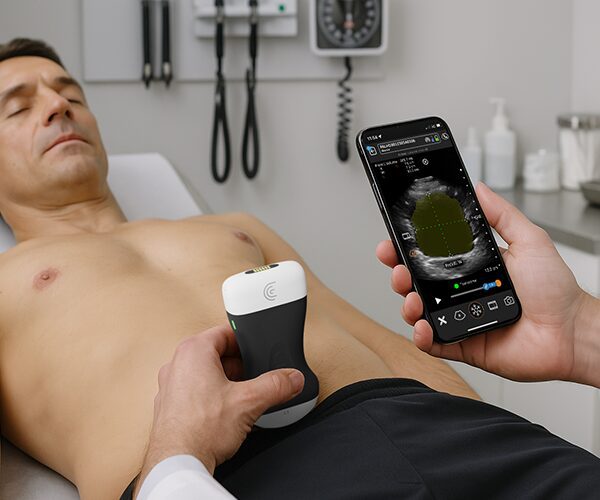
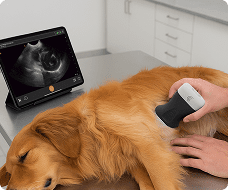


For frail seniors and palliative patients living outside city centers, an ambulance transfer to an emergency room is rarely just a ride to the hospital to receive live-saving care. Unfamiliar environments, long wait times, and sensory overload can rapidly escalate underlying conditions—leading to acute delirium, physical deconditioning, and bed sores during a hospital stay.
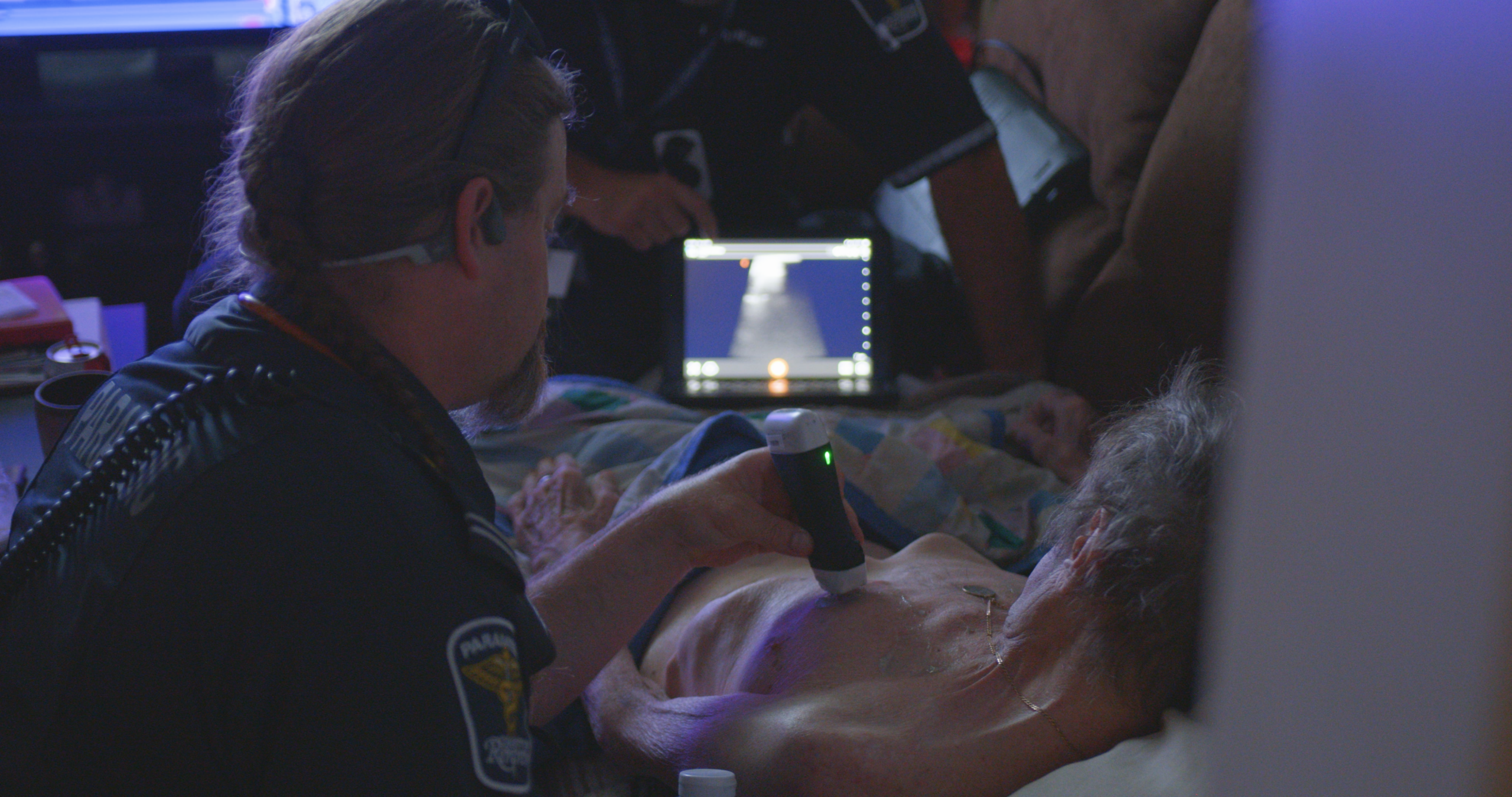
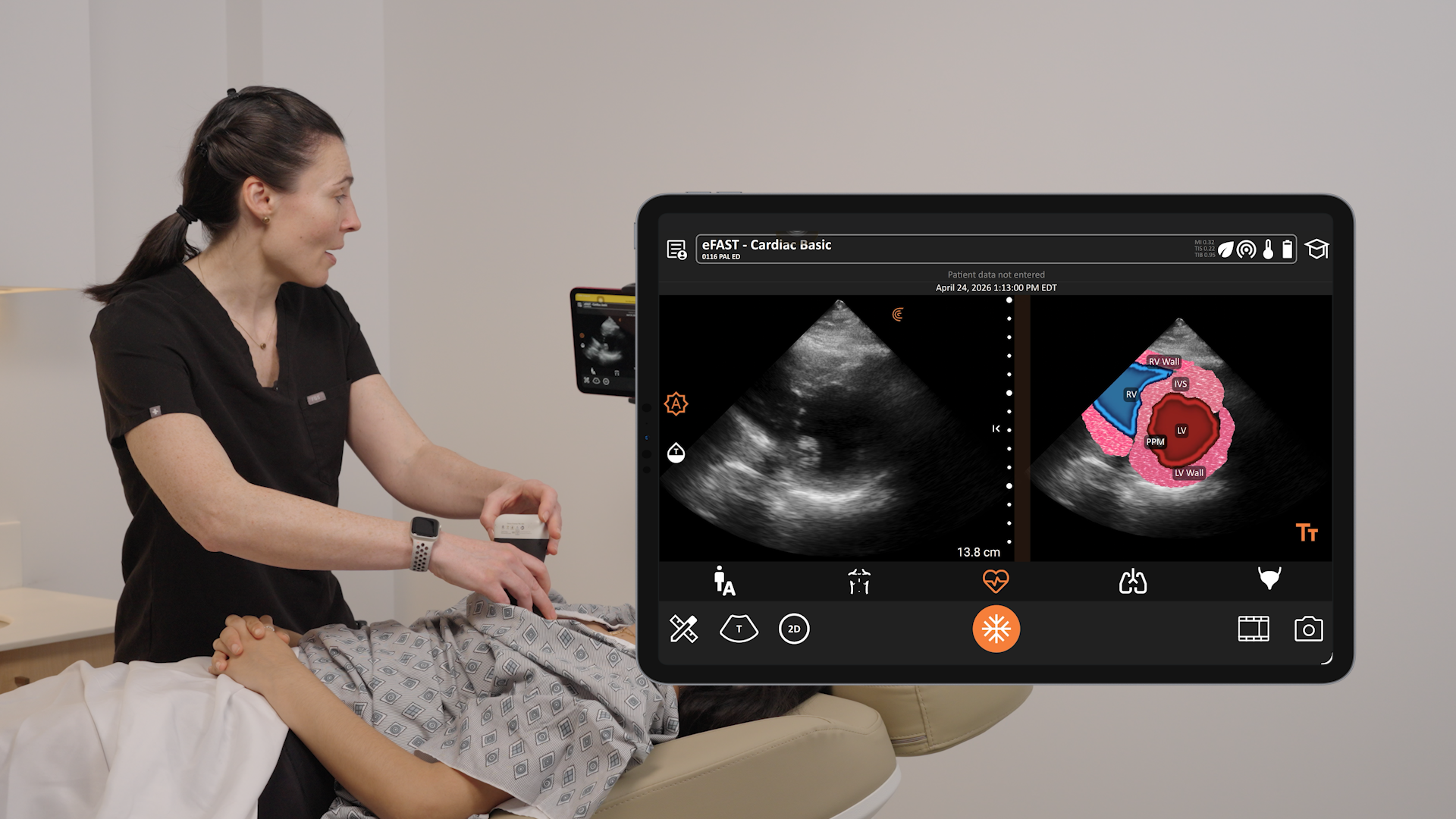
Community paramedicine programs in Ontario, Canada’s most populous province, are focused on changing that reality. By equipping paramedics and nurse practitioners with Clarius portable point-of-care ultrasound (POCUS) machines, teams are now evaluating, diagnosing, and treating patients in their own homes, safely avoiding the physical and emotional toll of the emergency department.
Watch the Full Video: Redefining Patient Dignity & Health Equity with POCUS
We recently had the opportunity to interview the community paramedics who are breaking new ground with prehospital care in their communities.
Watch the video to hear directly from front-line community paramedics, clinical leaders, and health researchers on how portable ultrasound is expanding the scope of pre-hospital medicine, improving health equity, and keeping patients comfortably at home.
The Clinical Risk of Hospital Transfers
When older adults living with cognitive impairment or advanced illness are transported to an acute care setting, the disruption can trigger severe clinical decline.
I didn’t understand how detrimental it was to them,” says Michelle Fitzgerald, Primary Care Paramedic with Region of Durham Paramedic Services. “I didn’t understand that their dementia can get way worse and put them into delirium. A lot of the times when they go to hospital, they’ll come back with delirium, with bed sores, because [hospitals] don’t have the capacity to give them the same care they get in a long-term care home.”
Beyond medical complications, emergency transfers burden families with transportation costs and emotional strain. Bringing definitive diagnostics directly to the bedside allows care teams to resolve acute symptoms, adjust care plans, and keep vulnerable patients where they are safest.
Real-Time Diagnostics at the Bedside
Point-of-care ultrasound gives community paramedics the immediate diagnostic visibility they need to assess their patients in their home and can then work with the patient’s care team to provide a course of treatment at the scene. Common uses for POCUS include:
- Managing Heart Failure and Respiratory Distress: Teams assess congestive heart failure (CHF), acute fluid overload, and pulmonary pathology right in the living room, initiating targeted therapy without transport.
- Immediate Prescribing Power: Nurse practitioners and prescribing clinicians can action bedside imaging on the spot, cutting diagnostic delays.
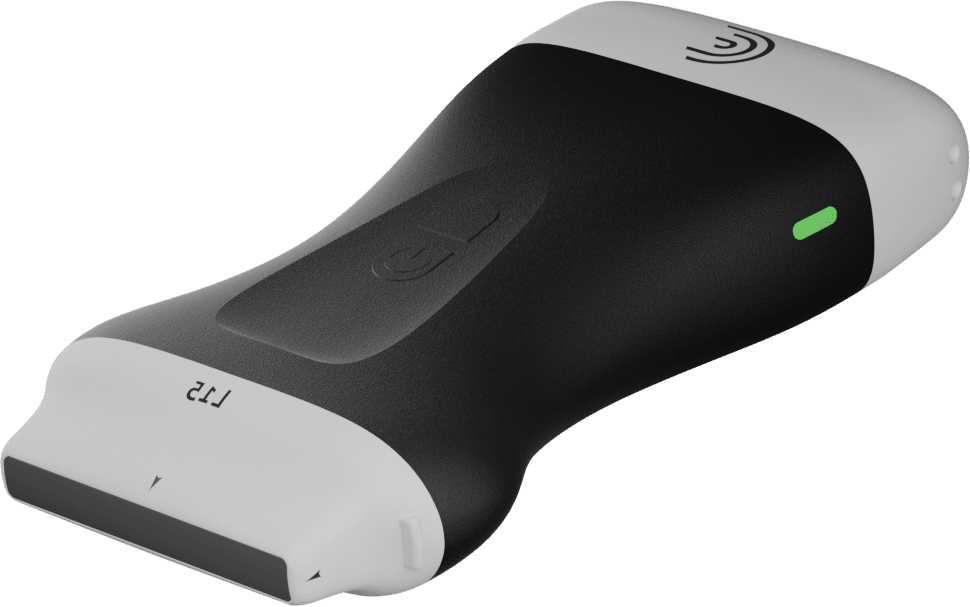
- Expanding Rural Care: In remote areas like Renfrew County—where patients might otherwise travel hours by horse and buggy or non-emergency transport—wireless handheld scanners deliver hospital-grade imaging directly to the bedside.
Dignity in Palliative and End-of-Life Care
For palliative patients, health equity means honoring the patient’s chosen goal of care: staying at home.
As Wade MacPherson, Deputy Chief of Haliburton County Paramedic Service, explains: “Think of that person who understands that they have a life-limiting disease and they may have a symptom that can be alleviated to make their quality of life better—even if that quality of life is only days to weeks. That level of comfort and dignity has a substantial benefit to that patient.”
On-Demand Webinar: Learn How to Build a Sustainable POCUS Program for Paramedicine
Join us for a free 1-hour webinar with Wade MacPherson, Deputy Chief, Haliburton County Paramedic Service on September 16! Wade will walk through the full lifecycle of implementing a successful POCUS program, from initial planning and governance through clinical integration and long-term sustainability.
Whether you’re a clinician, educator, or leader exploring or expanding a POCUS program, this session will give you a practical framework for building a program that improves patient care today while shaping the future of paramedicine.
Interested in Clarius Ultrasound for Your EMS Service?
Contact a Clarius expert to learn how to bring high-definition handheld ultrasound to your paramedic service. Attending EMS World Expo in Las Vegas? Visit the Clarius team to test wireless scanners in person at booth # 904 to discuss prehospital POCUS deployment models.