



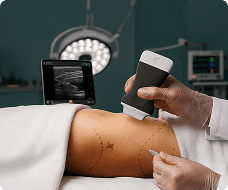
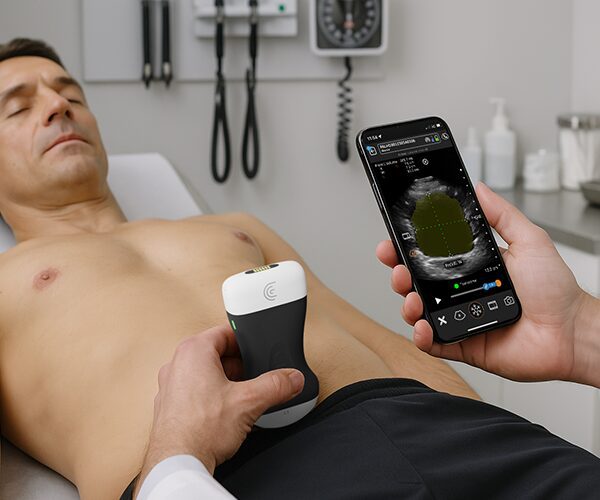


Paul Macaulay (Paul the Podiatrist) has built a global reputation by transitioning from a symptom-based approach to a diagnostic approach informed by point-of-care ultrasound imaging. He explains his approach in his recent video post. With Paul’s permission, we’ve written this article about how Paul is using Clarius ultrasound to help his patients.
The “Pain to Plan” Framework: Objective Biomechanics
Paul explains that he often sees patients who have been “around the houses.” They’ve tried the inserts, they’ve rested for two weeks, and then they walk into his clinic with the same nagging pain and a growing sense of frustration. The breakdown usually happens because of a gap between the clinical diagnosis and the patient’s understanding.
Most people know where the pain is, but they don’t know the why,” says Paul. “A truly effective appointment is about moving from ‘pain to plan’.”
Paul’s clinical framework focuses on three pillars: Diagnosis, Timeline, and Action.
From a physiological standpoint, when a clinician can visualize a thickened 4.5mm plantar fascia or a disorganized mid-portion Achilles tendon, the subsequent load management discussion becomes data-driven. We are no longer guessing the recovery timeline; we are basing it on the objective state of the collagen matrix and the degree of inflammatory response.
The Three Questions Every Patient Asks
According to Paul, regardless of the injury, every patient arrives seeking the answers to three fundamental questions:
- What is it? (The Diagnosis)
- How long will it take? (The Timeline)
- What do I need to do? (The Action Plan)
While a physical exam and medical history can answer these, Paul has found that seeing is believing. By integrating the Clarius Handheld Ultrasound into his initial assessments, he can provide immediate, visual answers to all three.
The “Aha!” Moment: Ultrasound as Education
For many podiatrists, ultrasound is seen purely as a diagnostic tool. For Paul, it is also a therapeutic one.
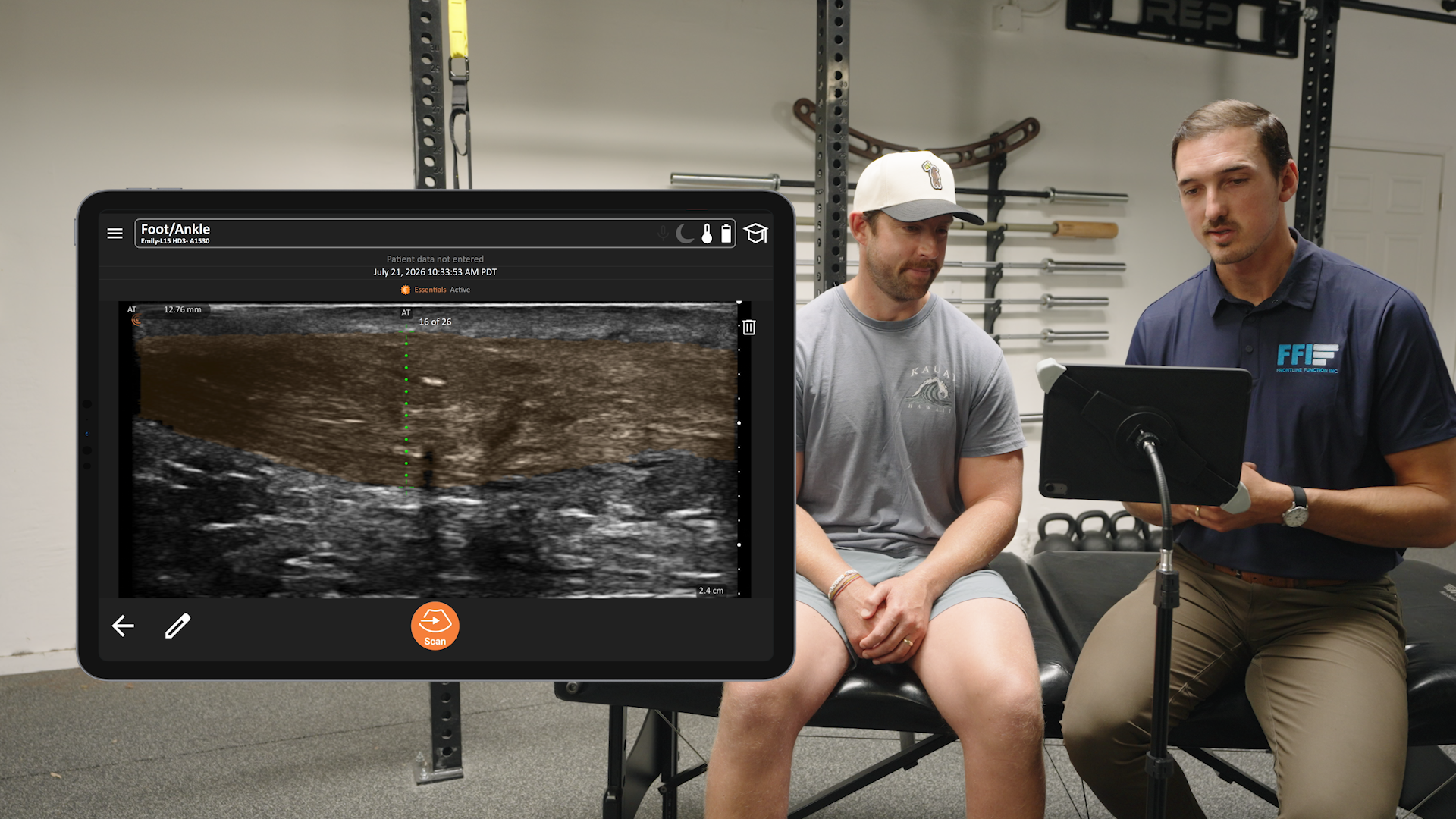
I spend a lot of time on education,” Paul explains. “If I can put the probe on the foot and show them the screen—saying, ‘Look at this dark area, that’s the inflammation’—it changes the patient’s mindset instantly.”
When a patient can see the physical thickening of their plantar fascia or the specific site of a tendon tear on a high-definition screen, they stop being a passive recipient of care. They become an active participant. They understand why the rehab exercises are necessary, leading to significantly higher adherence rates.
Ditching the “Magic Fix”
We’ve all had the patient looking for the “silver bullet”—the one injection or adjustment that will fix a year of damage. Paul uses ultrasound to debunk the magic fix trap.
By showing the objective state of the tissue, he can explain load management in a way that makes sense. If the tissue is structurally altered, the patient can visually appreciate why “the right steps in the right order” are more important than a quick fix.
Workflow Integration: The Handheld Advantage
As a busy clinician, Paul focused on acquiring an ultrasound system with the least number of friction points. He cites four reasons for selecting Clarius:
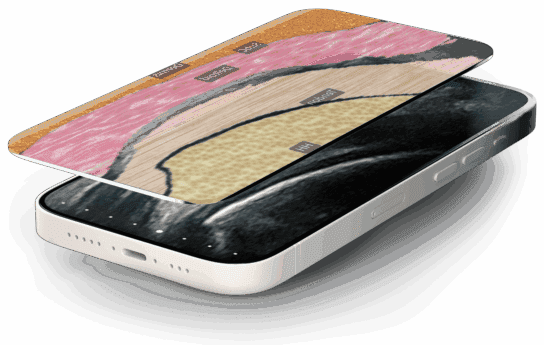
- Ease of use: An app-based system with a simple interface. Clarius Intelligence tools make musculoskeletal ultrasound easy to learn and use.
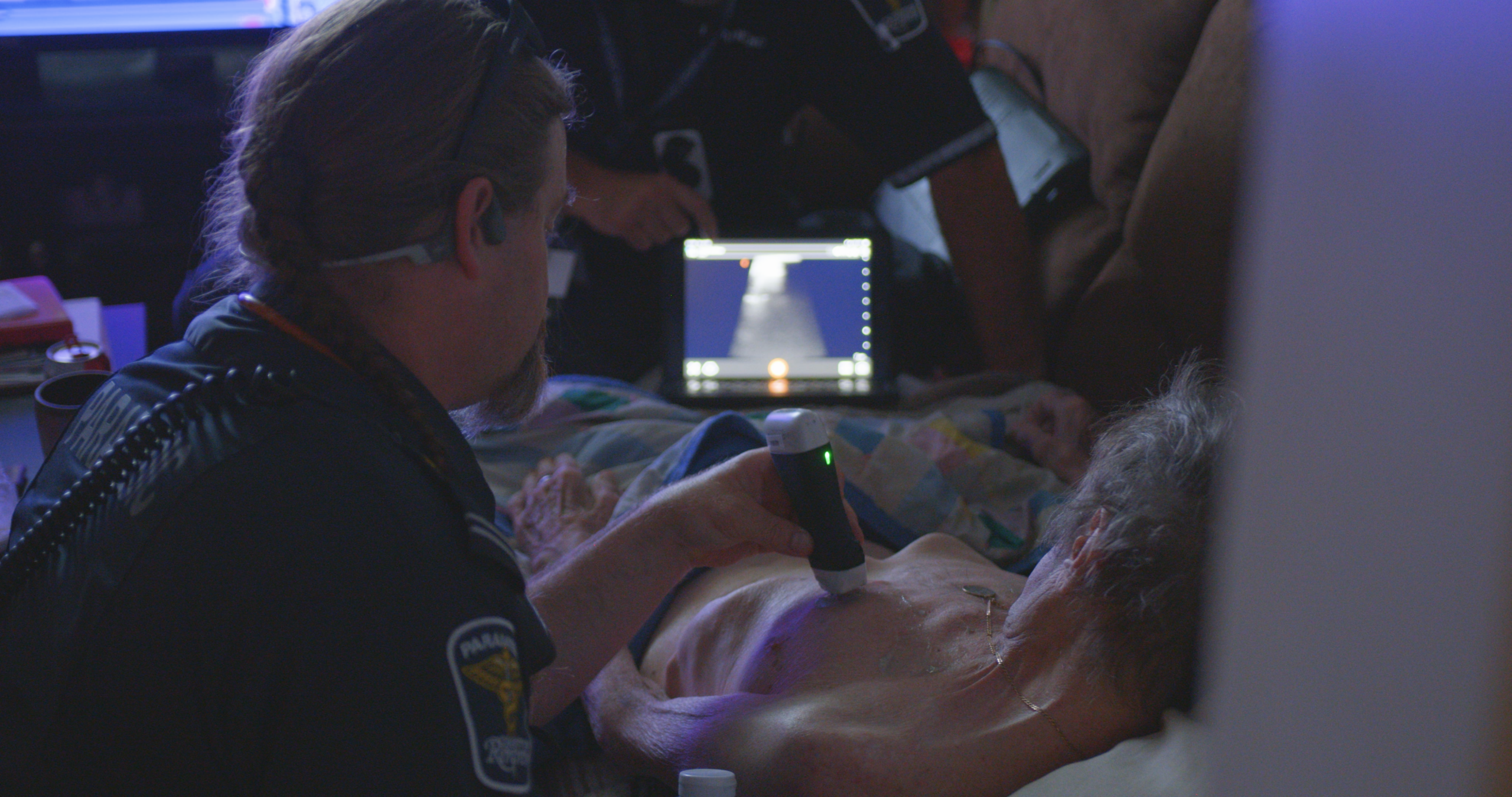
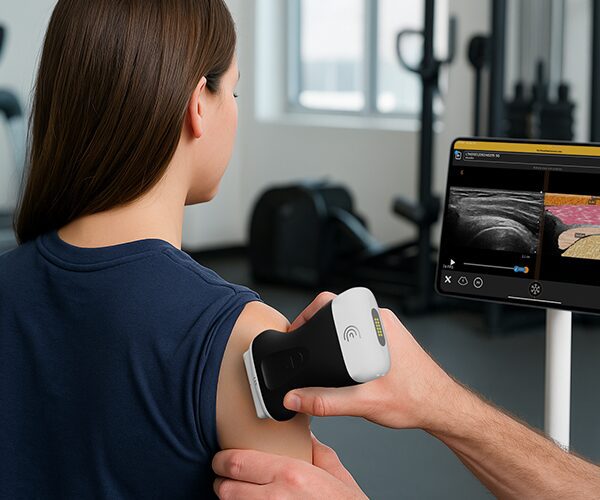
- Portability: Seamless integration into any treatment room. He brings the technology to the patient, making the assessment feel seamless and high-tech without being intimidating.
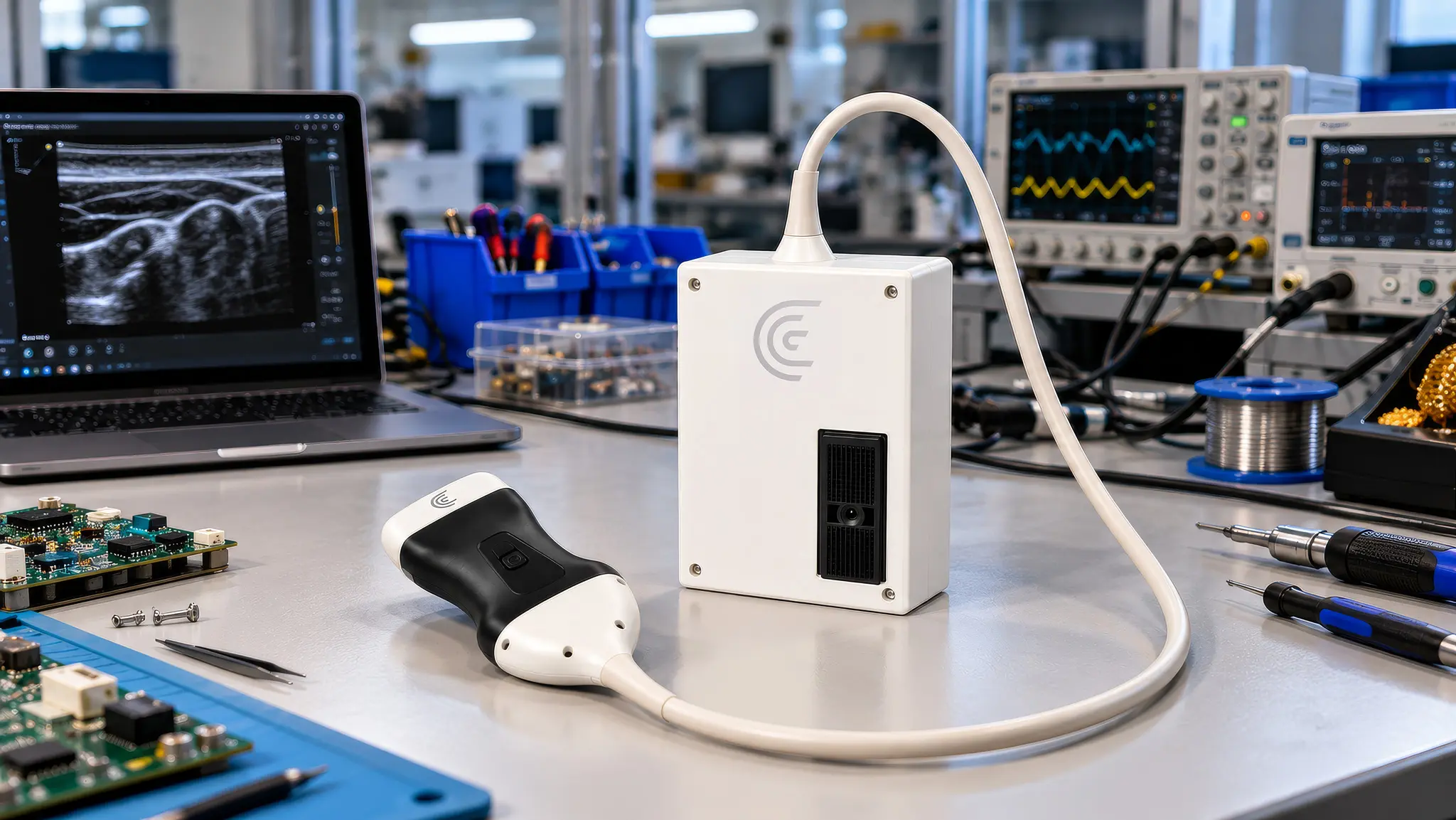
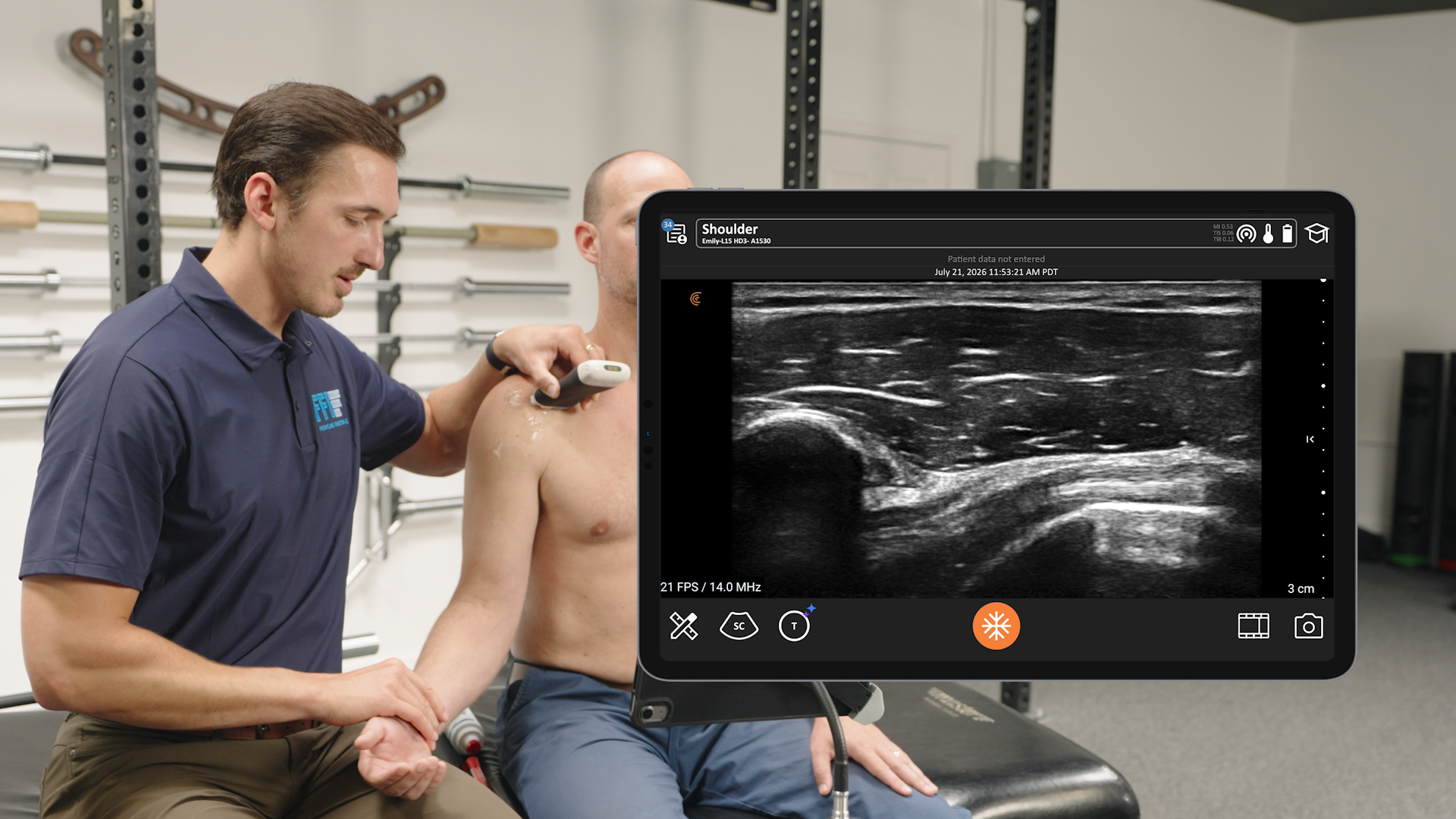
- Image Quality: The high-frequency scanner provides the near-field resolution required for small-structure MSK imaging in the foot and ankle.
- Documentation: Direct integration with patient data systems for longitudinal tracking of tissue healing.
Paul’s takeaway for fellow podiatrists? Handheld ultrasound doesn’t just help you see better—it helps your patients understand better. With POCUS, podiatrists can deliver a higher standard of care, grounded in objective imaging and precise, individualized treatment plans for successful outcomes.
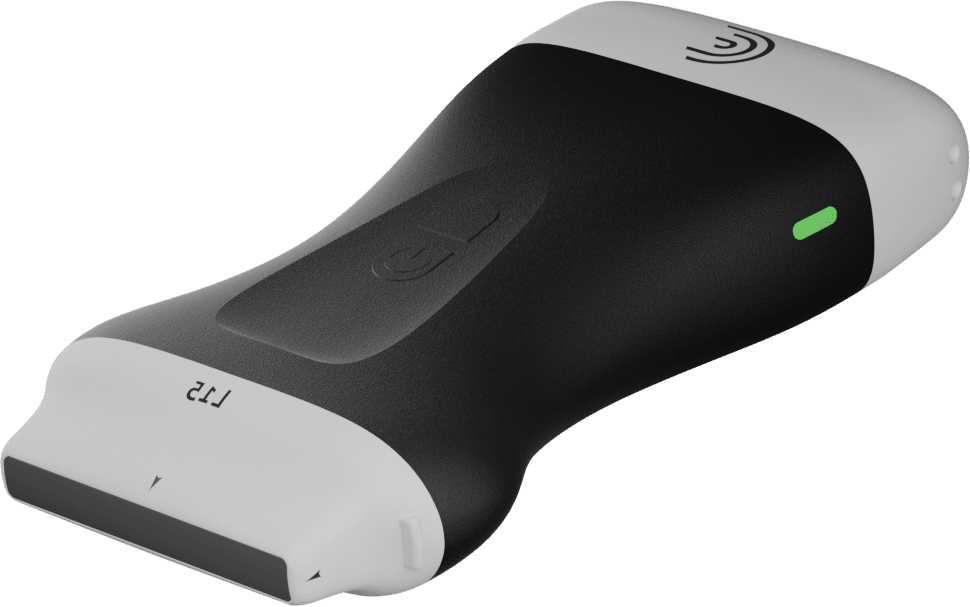
Video Demonstration: Ultrasound for the Plantar Fascia to see the Clarius L15 HD3 high-frequency ultrasound scanner in action, watch this 2-minute video with educator Marc Schmitz assessing the plantar fascia.
Ready to Elevate Your Diagnostic Precision?
Don’t rely on palpation alone. Join podiatrists like Paul the Podiatrist who are using Clarius ultrasound to transform their clinical outcomes and patient “buy-in.” Click here to learn more about Clarius ultrasound and book a 1-on-1 virtual demo to discuss how easy and affordable it is to add Clarius to your practice.