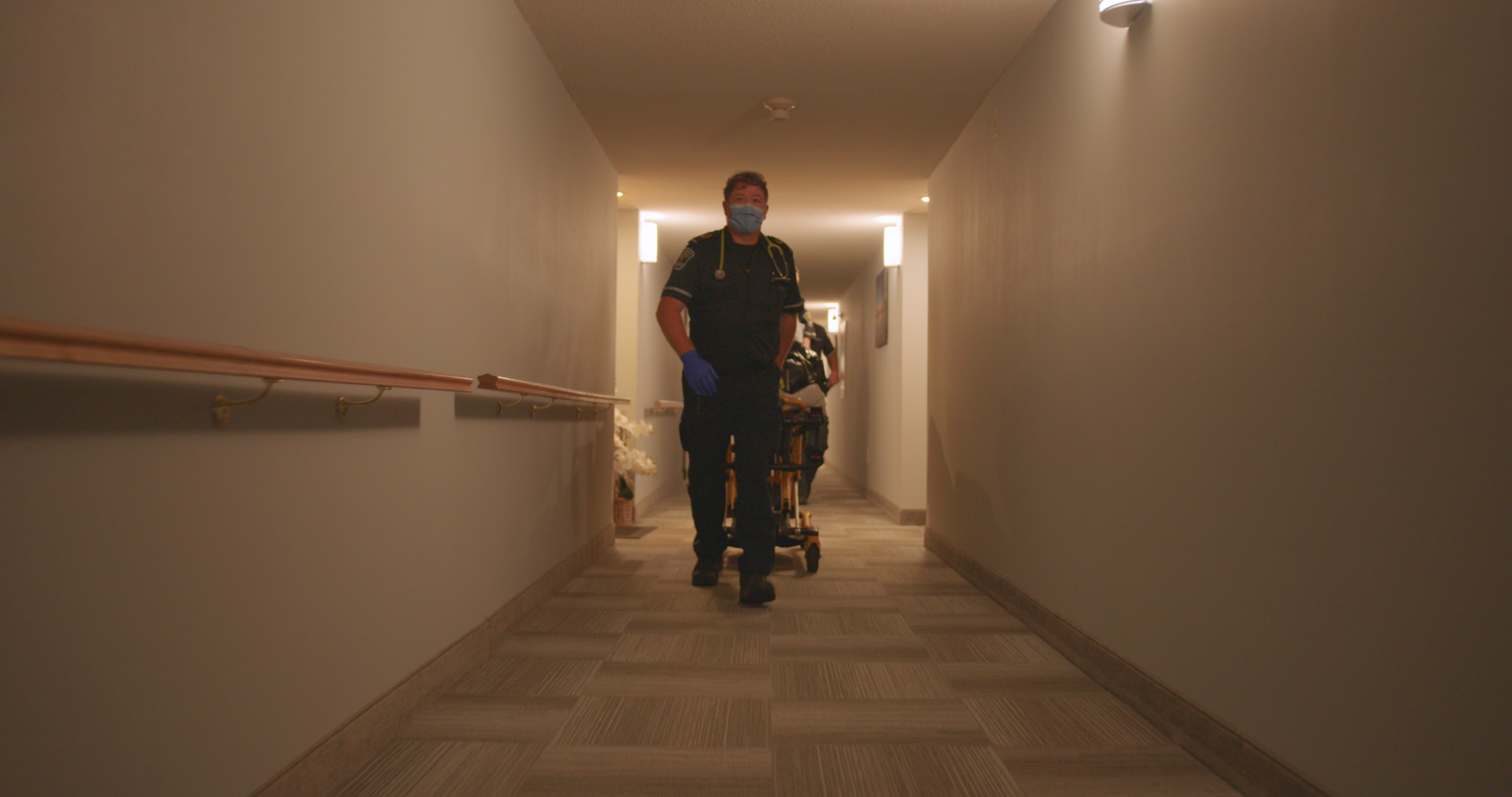






Emergency Medical Services (EMS) across North America are facing unprecedented pressures: crowded Emergency Departments (EDs), offload delays, rising operational costs, and an aging population requiring complex care. Traditional EMS models relying solely on transport and basic field assessments are evolving to meet these challenges.
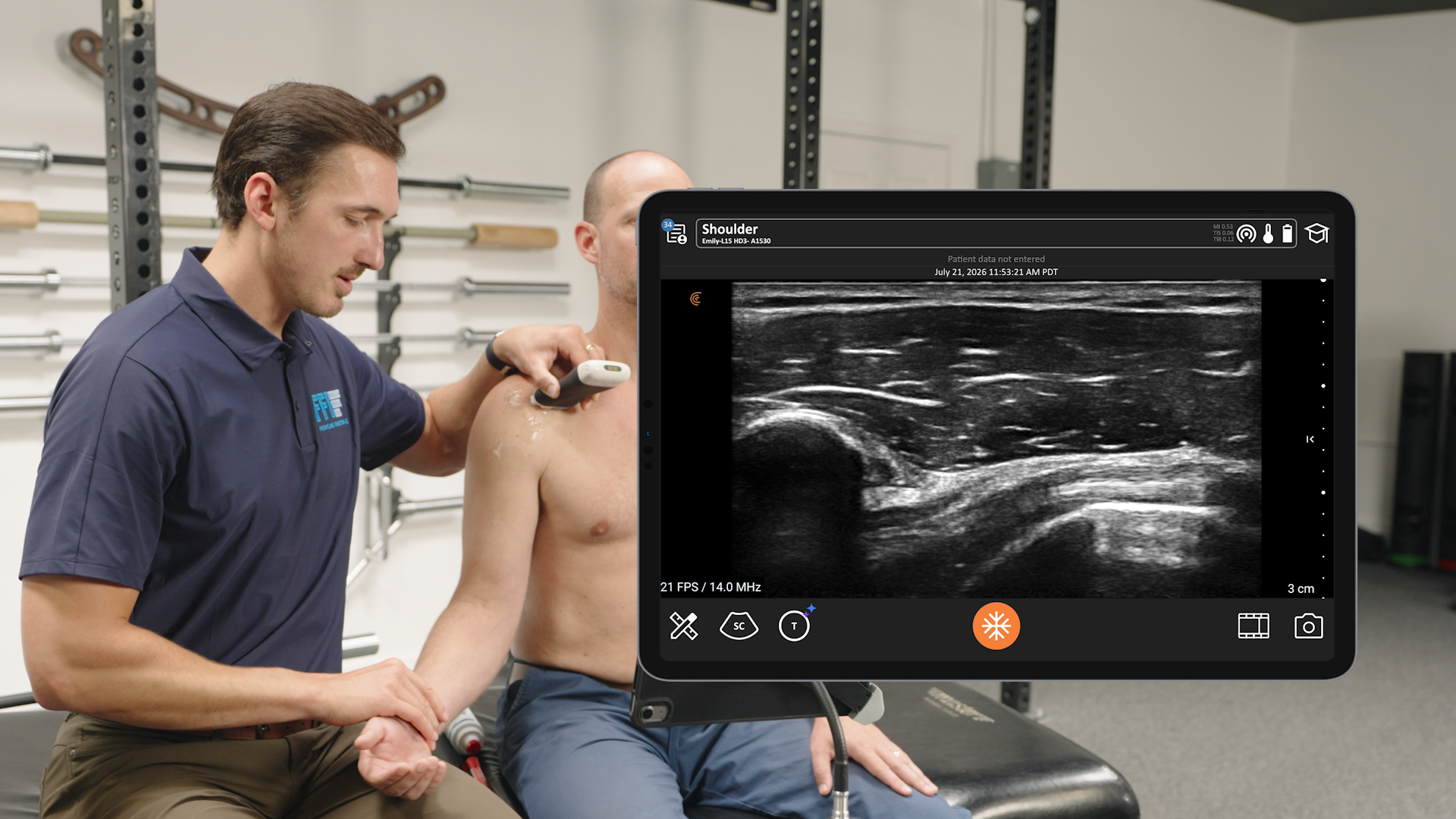
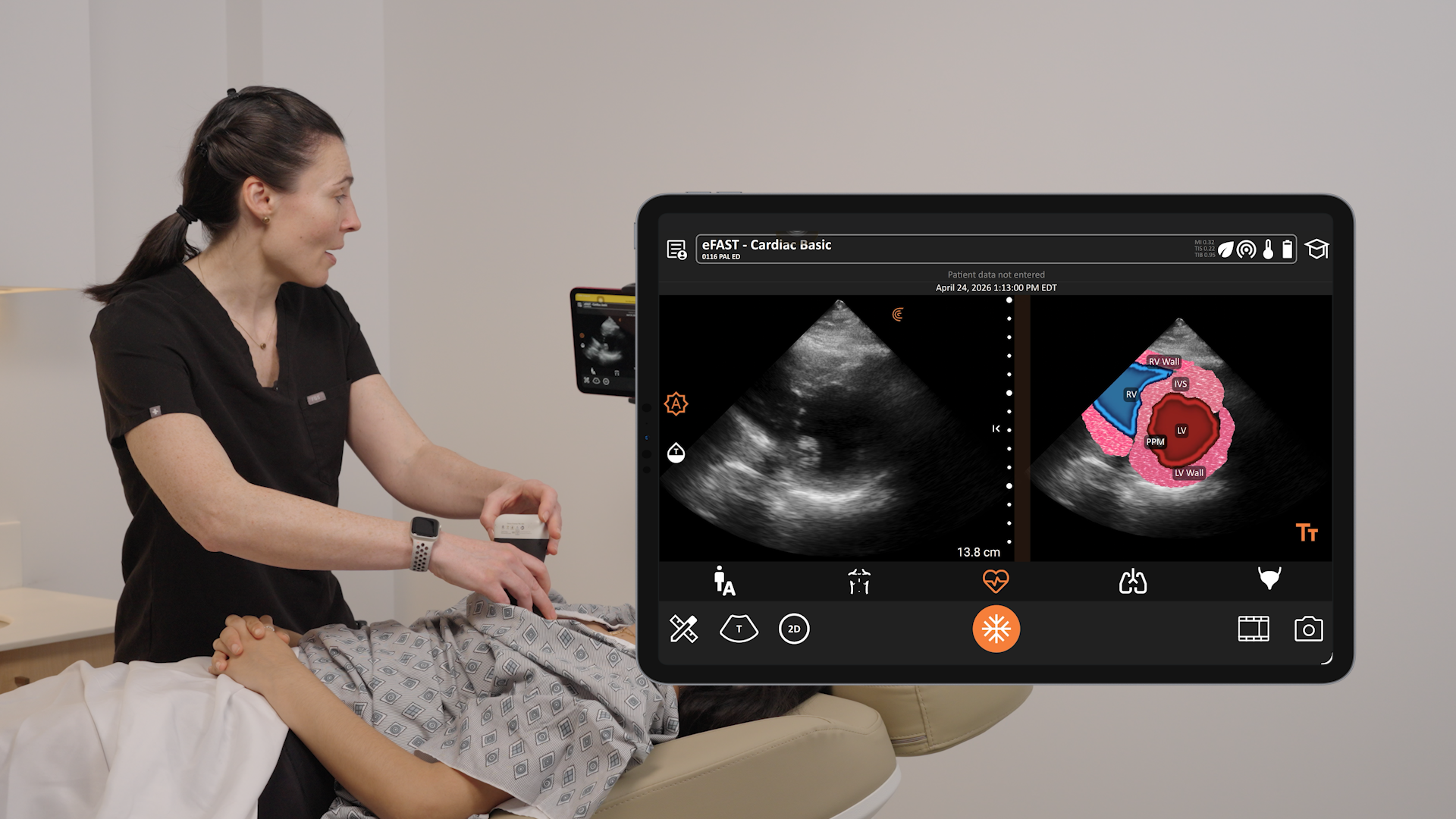
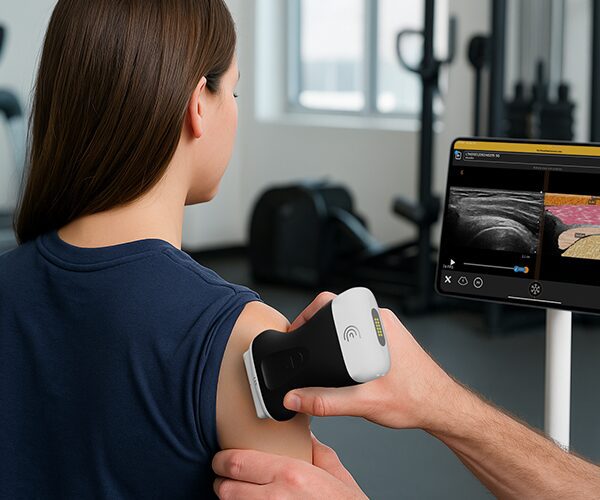
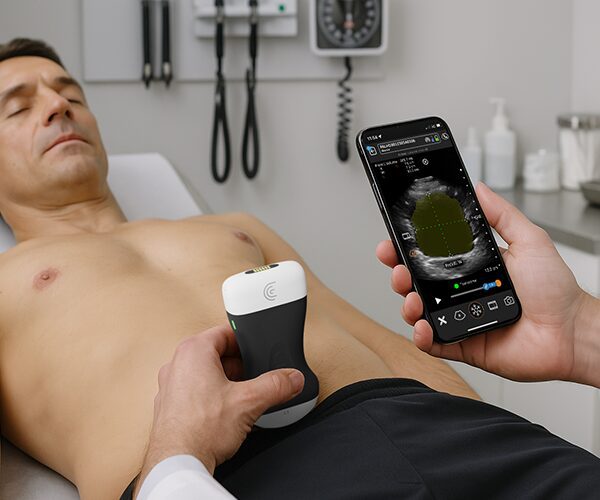
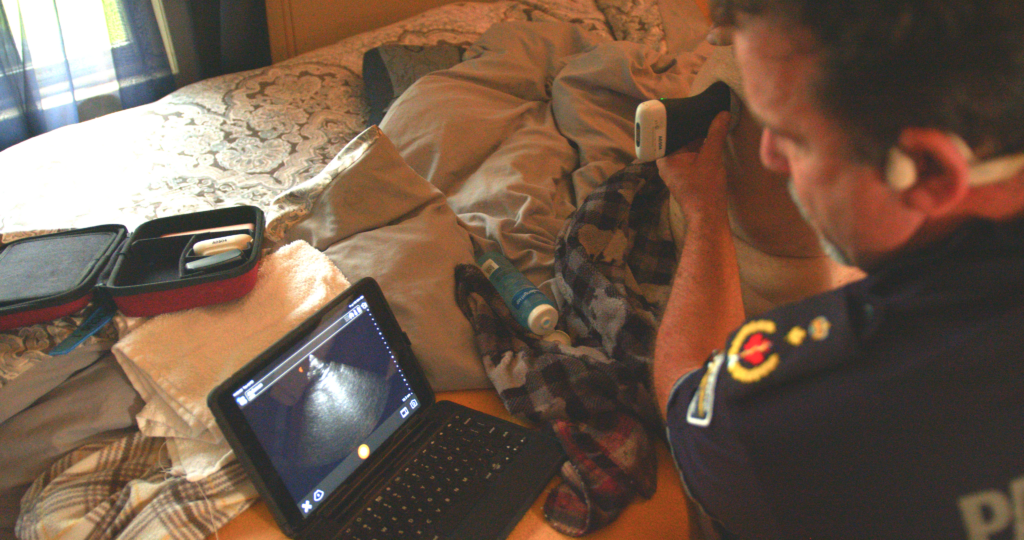
In Ontario, Canada, a regional paramedic POCUS (Point-of-Care Ultrasound) initiative has been shifting how prehospital care is delivered. By equipping community paramedics with handheld ultrasound machines, regional EMS services are bringing advanced diagnostic capabilities directly into patients’ homes and long-term care (LTC) facilities, preventing unnecessary hospital visits and improving patient outcomes.
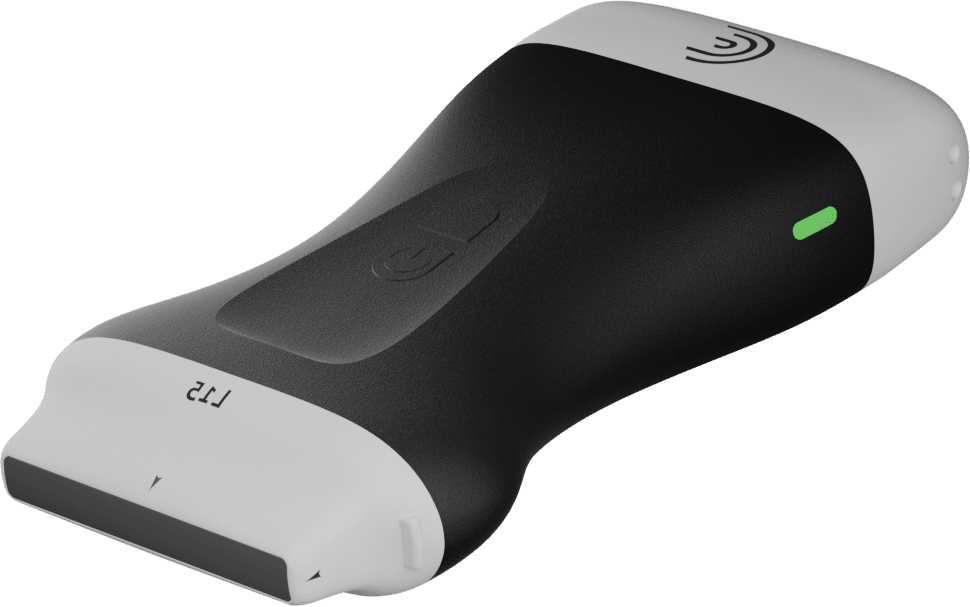
In this video compilation, paramedic leaders, education commanders, and academic evaluators share how deploying Clarius wireless handheld ultrasound machines has been transforming prehospital diagnostics and raising the standard of care at home. Watch the 4-minute video or scroll for quick highlights.
POCUS Enables Better Care at Home
Paramedics have made a commitment to just be liquid, to fill all the cracks in that sidewalk of health care,” says Wade Macpherson, Deputy Chief, Professional Standards – Haliburton County Paramedic Service. “We have so many different examples of where patients have in the past needed to be transported to hospital to figure out if they needed to go to hospital. And that’s not sustainable.”
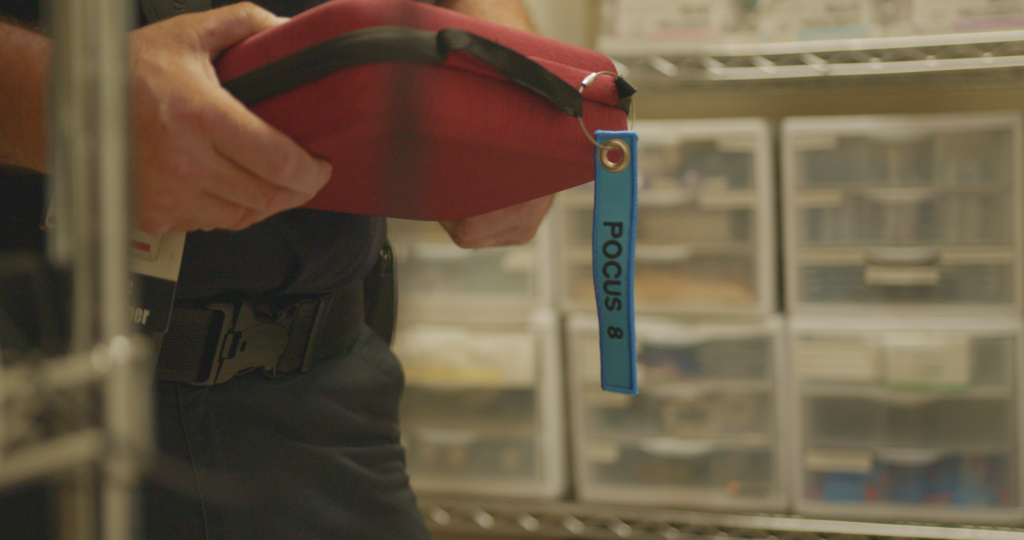
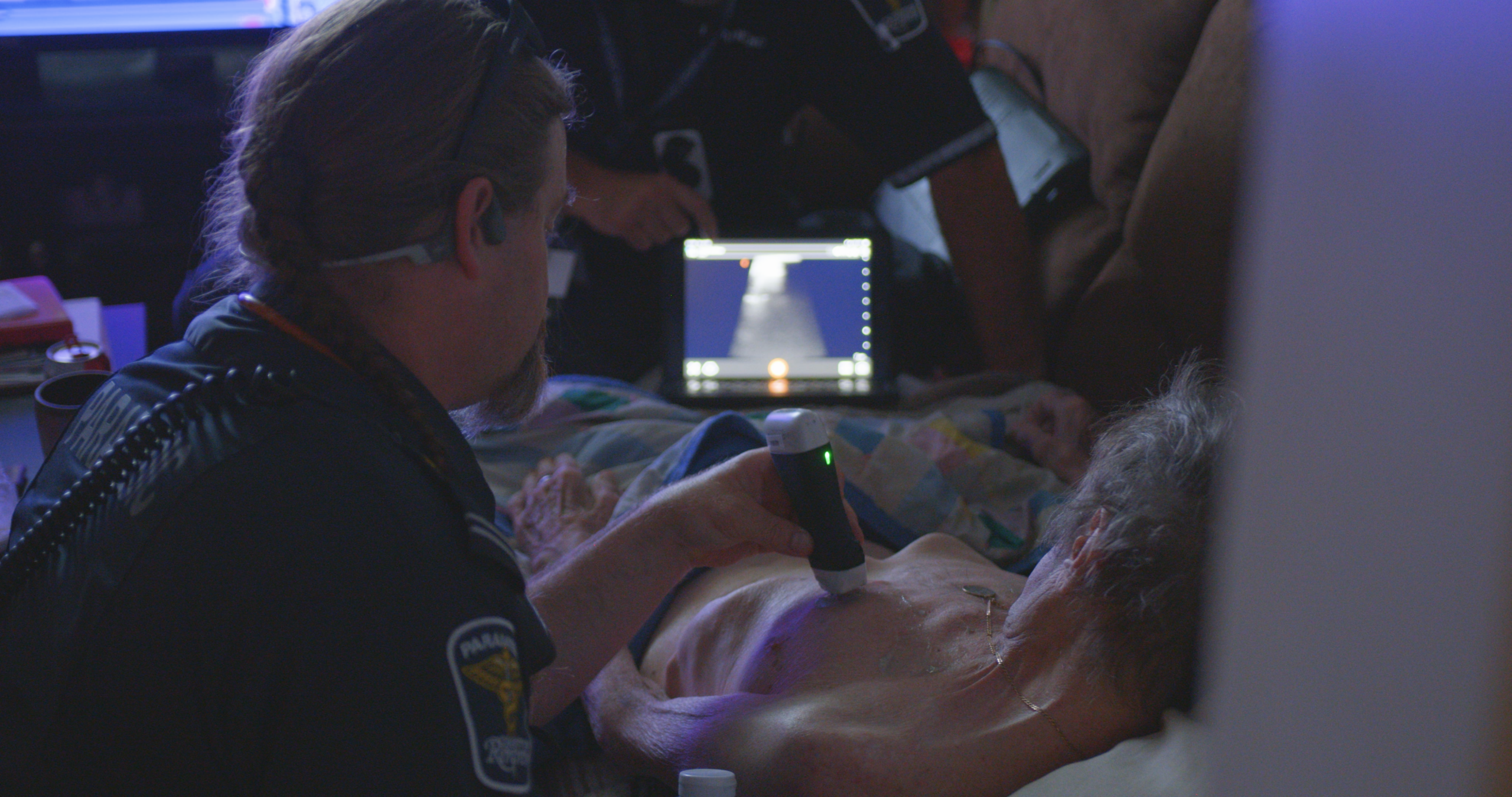
MacPherson’s team of community paramedics have been using POCUS during in-home and long-term care assessments to successfully evaluate acute conditions, such as heart failure flares, pleural effusions, pneumonia, or urinary retention, at the scene and then work with the patient’s care team to provide a course of treatment [RC1.1]without sending the patient to the hospital.
Because point-of-care ultrasound really provides the opportunity for a better understanding in terms of triage in the home, there’s so much benefit to knowing when a patient has to go to the emergency room,” adds Kathryn Brohman, PhD, Associate Professor and E. Marie Shantz Fellow in Digital Technology at Queen’s University. “I really think it comes down to ED diversion is the primary reason why point-of-care ultrasound in Ontario is becoming so popular so fast.
Watch the video to hear how first-hand how POCUS is transforming prehospital care.
Free Webinar: Learn How to Build a Sustainable POCUS Program for Paramedicine
Join us for a free 1-hour webinar with Wade MacPherson, Deputy Chief, Haliburton County Paramedic Service on September 16! Wade will walk through the full lifecycle of implementing a successful POCUS program, from initial planning and governance through clinical integration and long-term sustainability.
Whether you’re a clinician, educator, or leader exploring or expanding a POCUS program, this session will give you a practical framework for building a program that improves patient care today while shaping the future of paramedicine.
Interested in Clarius Ultrasound for Your EMS Service?
Contact a Clarius expert to learn how to bring high-definition handheld ultrasound to your paramedic service.
Attending EMS World Expo in Las Vegas?
Visit the Clarius team to test wireless scanners in person at booth #904 to discuss prehospital POCUS deployment models.