1
00:00:00,190 --> 00:00:06,789
Hello everyone! On this occasion we are going to talk about the superficial extension of biopolymers. I am
2
00:00:06,790 --> 00:00:11,870
Enrique Villanueva, musculoskeletal and soft tissue interventional radiologist and since
3
00:00:11,870 --> 00:00:18,310
2018 we have been working in plastic surgery to improve the safety of the procedures. The
4
00:00:18,310 --> 00:00:24,270
extraction of biopolymers is a booming topic of much interest. However, it is not
5
00:00:24,270 --> 00:00:30,350
important or it is not always indispensable to perform the procedure. It is important that you learn to
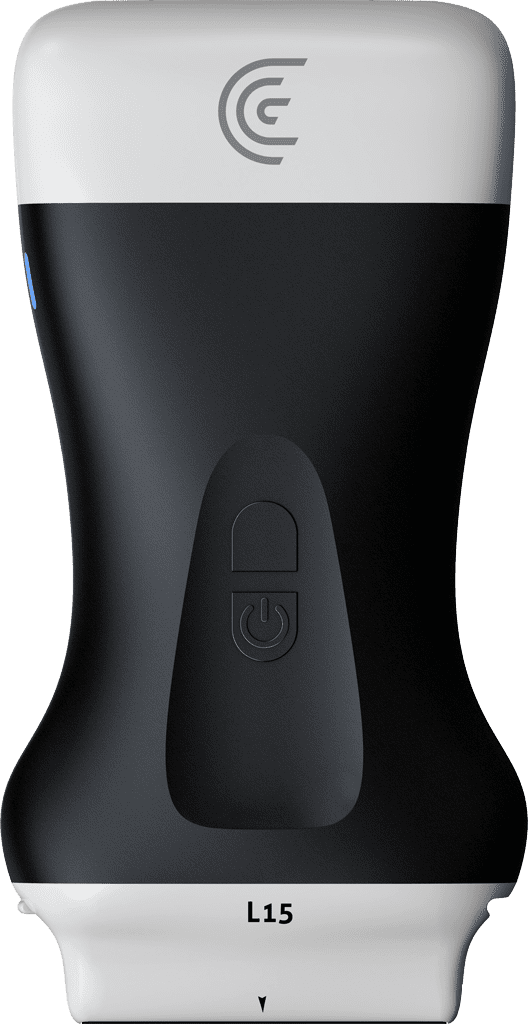
6
00:00:30,350 --> 00:00:36,870
control it and evaluate its superficial extension, remembering that ultrasound cannot show you the
7
00:00:36,870 --> 00:00:43,430
extension in depth. We will always evaluate the surface extension in the appropriate manner.
8
00:00:43,430 --> 00:00:50,190
How can we evaluate the biopolymers? It is to identify the points, either of insertion of the
9
00:00:50,190 --> 00:00:56,749
biopolymers and by standing. Remembering the anatomy of the buttock. It is probable that the product
10
00:00:56,750 --> 00:01:03,110
has been displaced depending on its initial material towards the lower sides,
11
00:01:03,110 --> 00:01:09,409
towards the gluteal region, towards the genital region and even towards the
12
00:01:09,410 --> 00:01:15,249
sacral region. So the evaluation of the extension of biopolymers we will have to
13
00:01:15,249 --> 00:01:21,809
do in the intergluteal sacral lumbar region. Buttock to the level of the hips or the
14
00:01:21,809 --> 00:01:28,649
hip. To be able to identify if there is a wide extension of biopolymers. And that
15
00:01:28,650 --> 00:01:35,649
how are we going to do it? We are going to evaluate the extension of biopolymers. With a transducer of
16
00:01:35,690 --> 00:01:41,889
15 megahertz it can also be L7. To be able to have a little more depth.
17
00:01:42,169 --> 00:01:49,009
Remember that then in these patients the important thing is that we understand where
18
00:01:49,009 --> 00:01:55,609
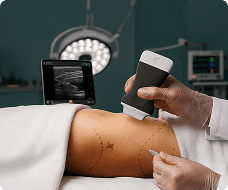
the normal anatomy is and where the anatomy that begins to transform or that is
19
00:01:55,609 --> 00:02:02,409
with the material or the product is. Let's go. In the midline we see our rib and we are going to start to
20
00:02:02,410 --> 00:02:08,889
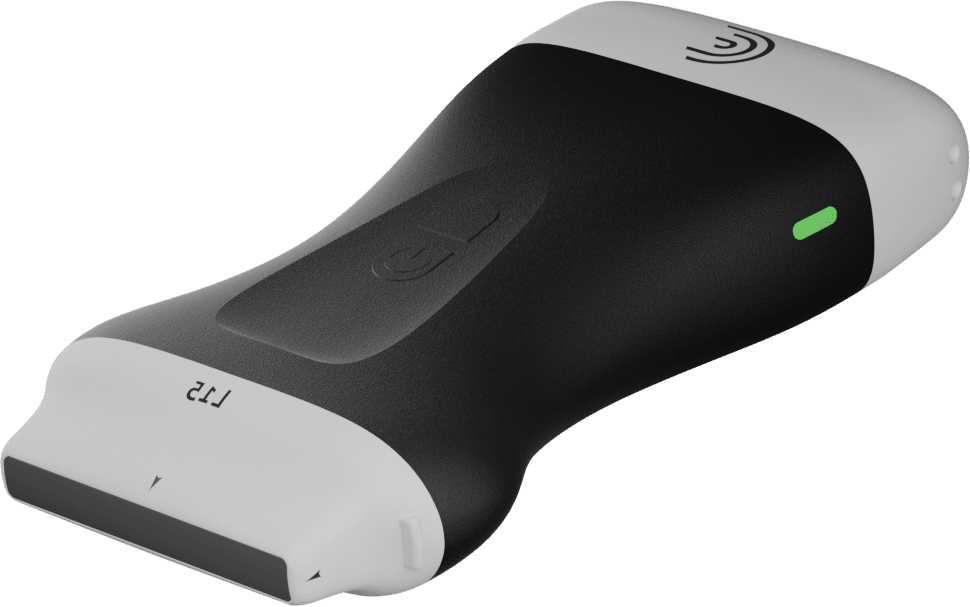
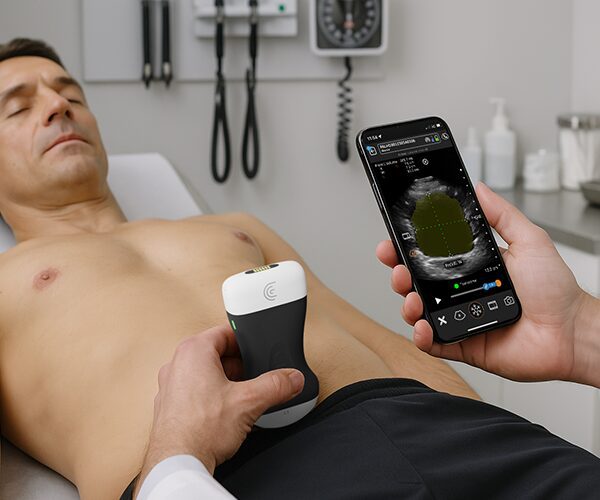
see aesthetic traces, some shadow where we are going to begin to identify some encapsulated points
21
00:02:08,889 --> 00:02:15,769
That is called siliconomas. Look at this part at the level of the sacrum, as we can
22
00:02:15,770 --> 00:02:22,720
see it on the screen we see cystic or pseudocystic images called Silicon
23
00:02:22,720 --> 00:02:29,399
omas.
24
00:02:29,440 --> 00:02:36,280
Important Then we continue through the midline and we are going to start seeing how
25
00:02:36,320 --> 00:02:42,920
this snowstorm pattern is superficial because where you start to
26
00:02:42,960 --> 00:02:49,440
see the line of the snowstorm pattern is where the biopolymer began to deposit.
27
00:02:49,760 --> 00:02:56,479
This structure, this non-absorbable product. That means that in some places
28
00:02:56,480 --> 00:03:02,400
the most likely thing is that it is not in the same plane and the position is going to change. That is important. And
29
00:03:02,400 --> 00:03:08,640
always remember that the transducer has a mark on its midline and this mark on the mid
30
00:03:08,640 --> 00:03:15,119
line will always show us the middle of the screen and that is the way we are going to analyze the
31
00:03:15,120 --> 00:03:21,879
structures. I repeat, evaluate the midline, look how superficial siliconomas begin to appear
32
00:03:23,039 --> 00:03:29,940
like this one that we are seeing here, yes, that we are going to delimit. We can measure
33
00:03:29,940 --> 00:03:36,659
its extension. We can measure the depth at which the biopolymer is found, this siliconoma
34
00:03:36,659 --> 00:03:43,500
and we will see the entire superficial extension. Look at the amount of vesicles that are
35
00:03:43,500 --> 00:03:48,979
observed at this level. And this is what we have to begin to detail. Important
36
00:03:48,979 --> 00:03:54,979
that we see the extension. It is not our patient's case, but if the patient wants
37
00:03:54,979 --> 00:04:01,739
to undergo some procedure of biopolymer extraction with flaps. It is important to analyze
38
00:04:01,740 --> 00:04:08,539
how far the product reaches and how much extension it has. In that way the reconstructive plastic surgeon can
39
00:04:09,020 --> 00:04:15,660
make the decision of how much flap your patient needs? Look now
40
00:04:15,980 --> 00:04:22,499
at the level of the buttock. Here we have an irregular anatomy. With
41
00:04:22,499 --> 00:04:28,539
this echostructure, this pattern. Look how our screen darkens. And this is the snowstorm pattern.
42
00:04:28,540 --> 00:04:34,819
Let's look then for a part of normal anatomy. Here, at the hip level.
43
00:04:34,820 --> 00:04:41,579
We already see a bit of normal anatomy. And here we begin to mark the entire superficial extension
44
00:04:41,579 --> 00:04:46,659
of the biopolymers from the area where there are no biopolymer structures with normal anatomy
45
00:04:46,659 --> 00:04:52,779
where we can see all the depth and where the transition to the snowstorm pattern is.
46
00:04:52,780 --> 00:04:59,578
Look how easy it is to identify this pattern and we see how randomly
47
00:04:59,579 --> 00:05:06,540
and satellite-like these anechoic vesicles with a hyperechoic wall are observed. This
48
00:05:06,540 --> 00:05:11,500
are the siliconomas. We are going to measure some of them. And it is important to tell
49
00:05:11,500 --> 00:05:18,499
the plastic surgeons and our colleagues who are going to do the procedures where these
50
00:05:18,540 --> 00:05:24,780
siliconomas are located. For what? So that they have more precaution and try
51
00:05:24,780 --> 00:05:30,899
not to damage the siliconomas, or else they will make this material and this product vanish again
52
00:05:30,899 --> 00:05:37,579
through all the planes of the gluteus. It's important that we are going to see the whole extension as
53
00:05:38,469 --> 00:05:45,069
we are seeing it here. And we are then going to make an extensive mapping,
54
00:05:45,549 --> 00:05:51,669
Surface of where the biopolymer is. So in this way we are going to do the
55
00:05:52,109 --> 00:05:58,230
mapping of the entire buttock and in this way we will be able to generate how the whole biopolymer is
56
00:05:58,230 --> 00:06:04,509
structured or applied in the superficial extension.
57
00:06:04,510 --> 00:06:11,350
And in that way our reconstructive plastic surgeon will receive the appropriate indication
58
00:06:11,390 --> 00:06:18,190
of how extensive the flap can be when they do a biopolymer removal
59
00:06:18,190 --> 00:06:23,549
if the patient requires it. As you see, it is very easy to use the CLARIUS, the 15 or the
60
00:06:23,549 --> 00:06:28,749
L7 to be able to see the soft tissues and to be able to evaluate the superficial extension of the
61
00:06:28,750 --> 00:06:34,389
biopolymers. It is important for us that you can understand where they are located and the
62
00:06:34,390 --> 00:06:39,109
proprioception of the ultrasound. And for that we have left some videos on our channels that are
63
00:06:39,109 --> 00:06:45,000
called ultrasound. Adequate tips so you understand how to use the ultrasound machine.