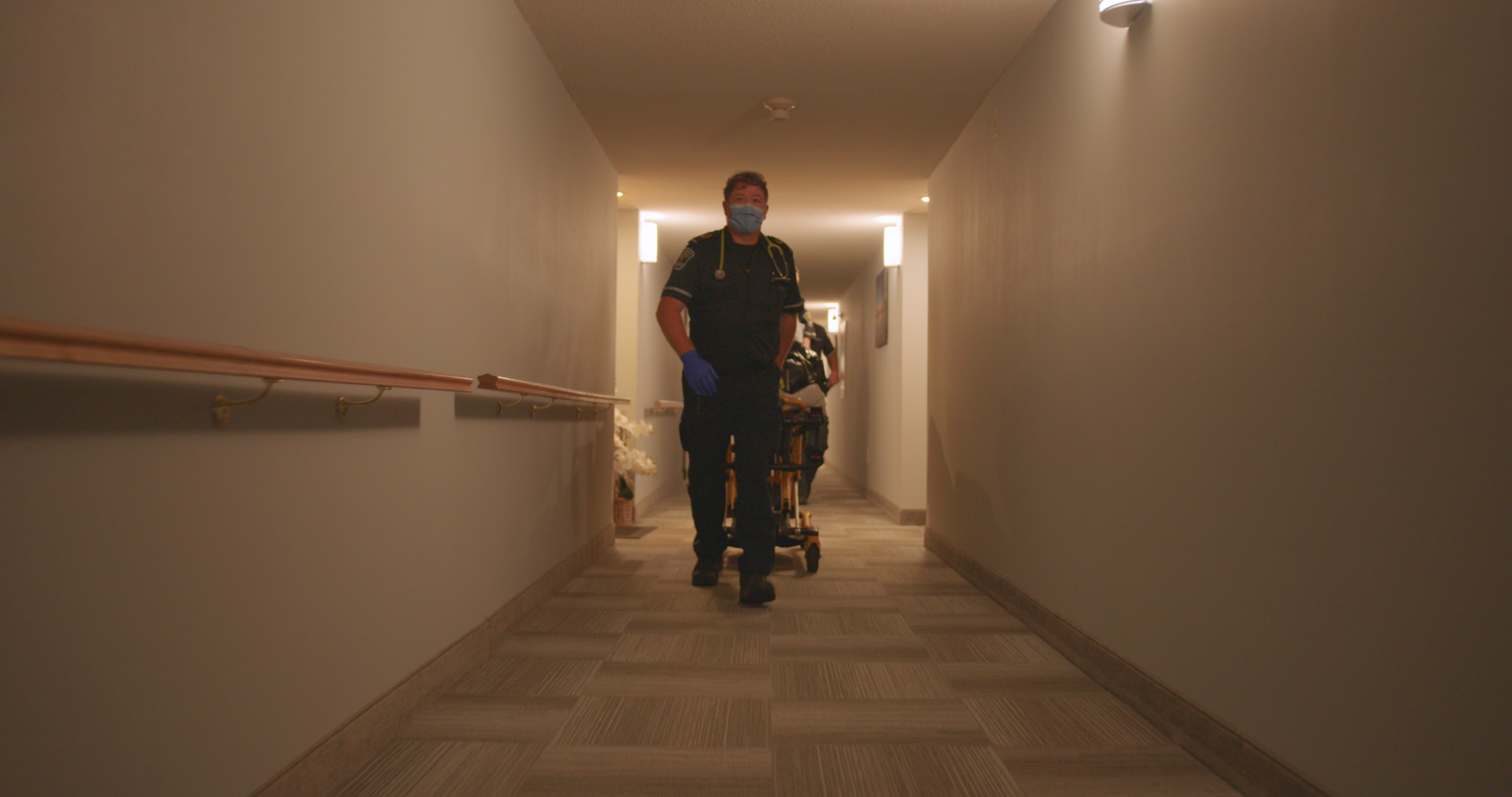






What happens if an astronaut suffers a serious injury on the way to Mars? Unlike on Earth, there is no emergency department, no trauma team, and no possibility of rapid evacuation. A return journey could take months.
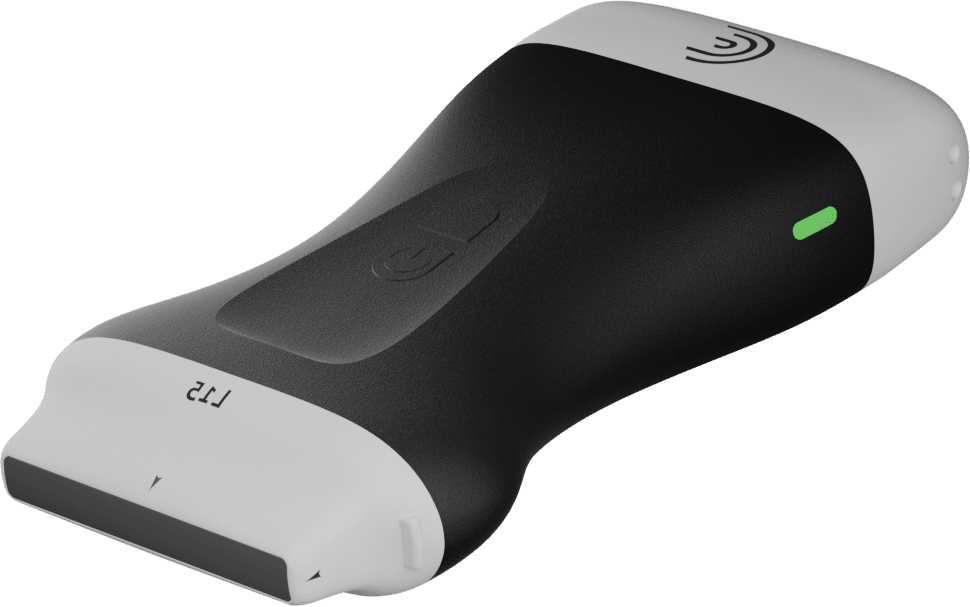
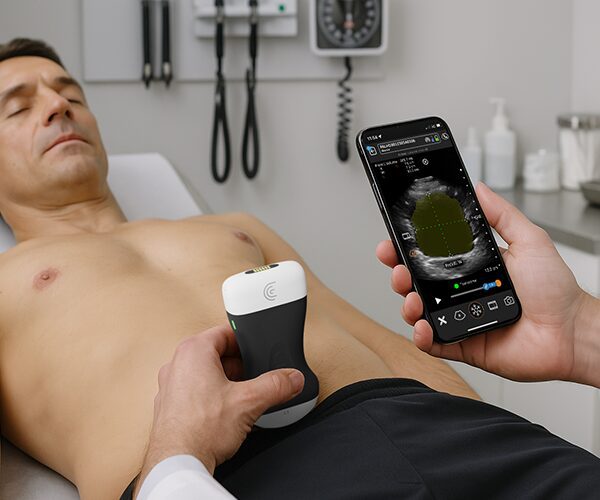
To prepare for this eventuality, Canadian anesthesiologist Dr. Jon Bailey is researching how astronauts could use ultrasound-guided nerve blocks to manage pain during deep-space missions. He and his team have successfully tested the procedure underwater using the Clarius L7 HD3 wireless ultrasound scanner.
Multiple types of injuries and surgical emergencies are possible during space travel, and with the rapidly increasing number of travelers, we need to refine how we respond to emergencies in space,” Dr. Bailey explains.
Administering traditional general anesthesia or heavy systemic opioids in space introduces severe physiologic risks. For example, systemic pain medications compromise the cognitive function of an astronaut whose active participation may be critical to the survival of the entire crew.
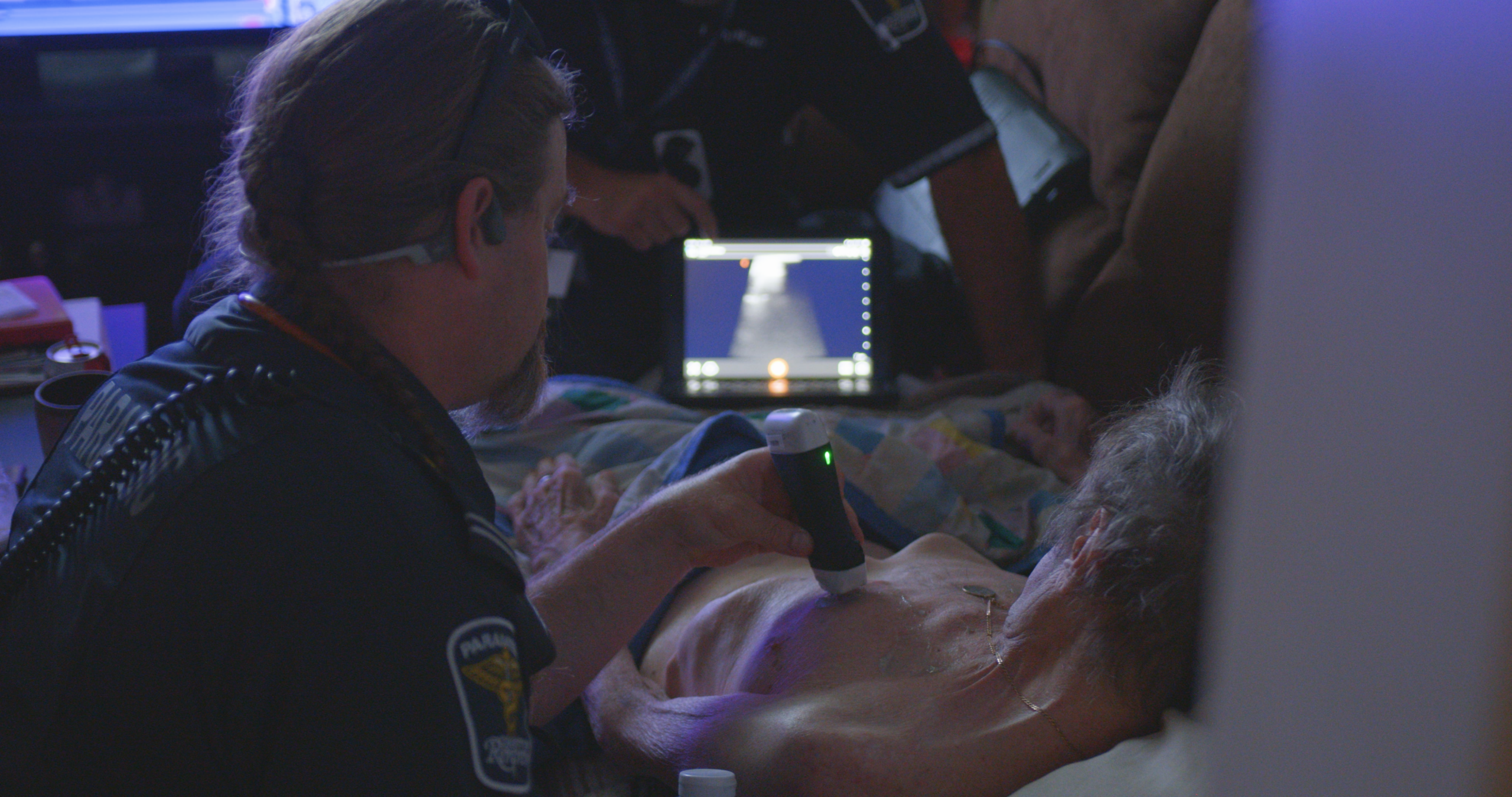
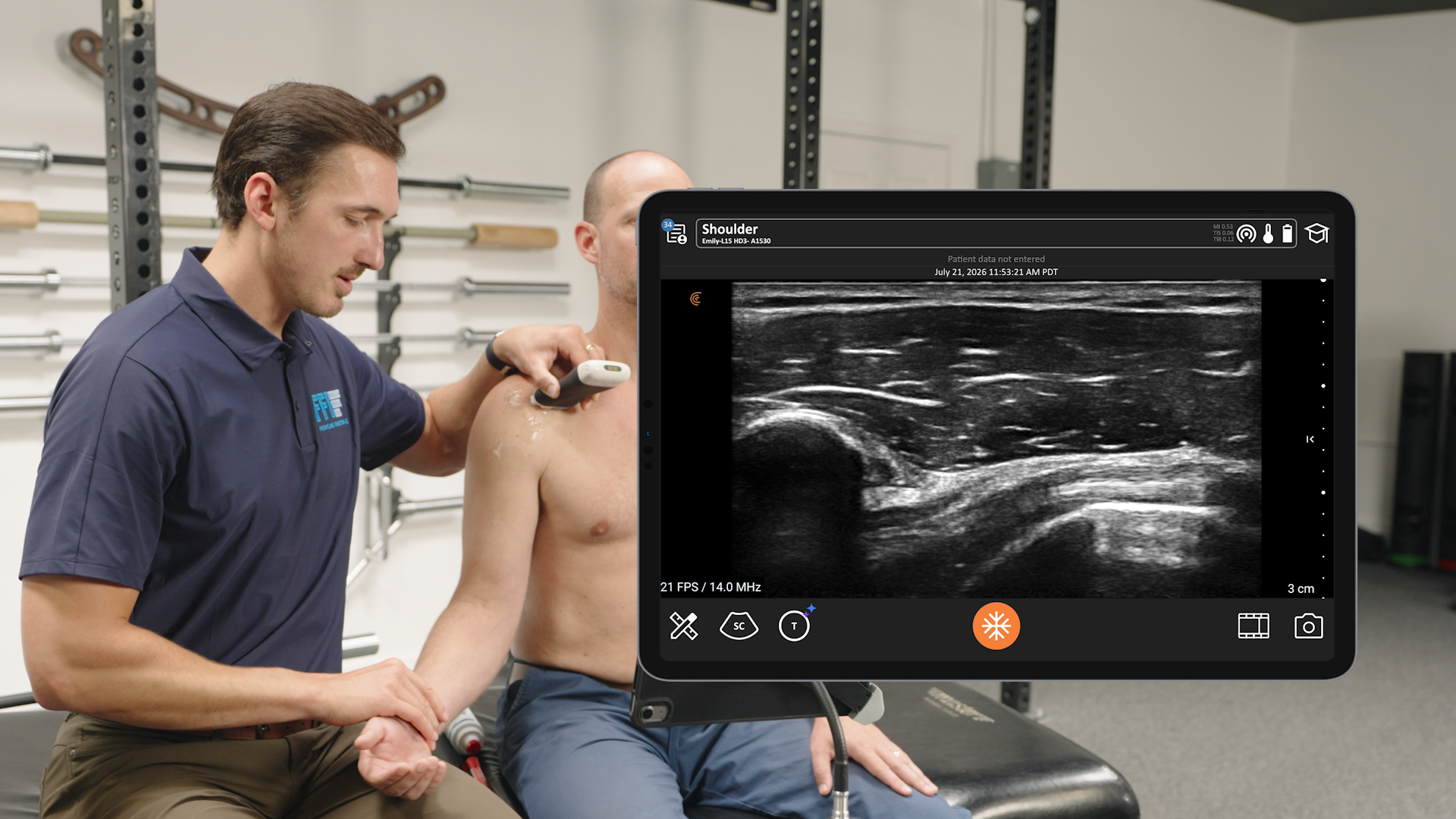
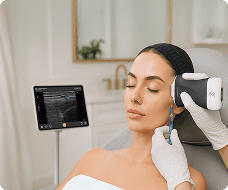
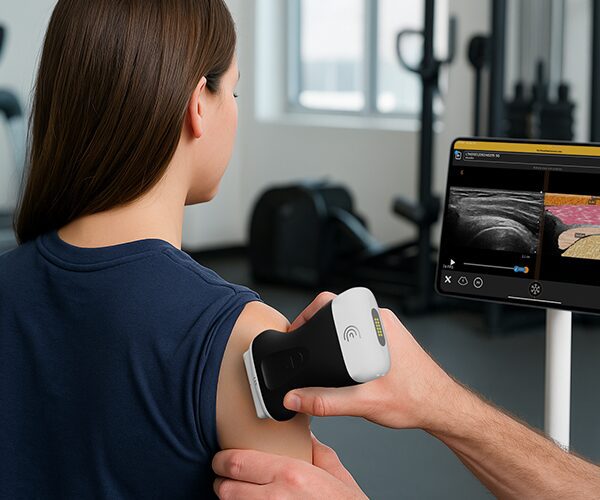
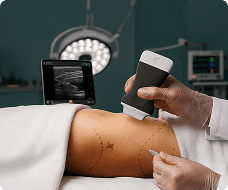
Regional anesthesia offers an elegant and targeted solution. By numbing the injured site via an ultrasound-guided nerve block performed with guidance from a small, handheld ultrasound unit, clinicians can preserve the patient’s cognition and reduce pain.
However, performing a nerve block in microgravity introduces a unique challenge: both the clinician and patient may be floating freely. Without gravity providing stability, even guiding a needle to a precise target becomes significantly more difficult.
To try to solve this problem, Dr. Bailey and his research group turned to the closest physical environment available on Earth: underwater for neutral buoyancy simulations.
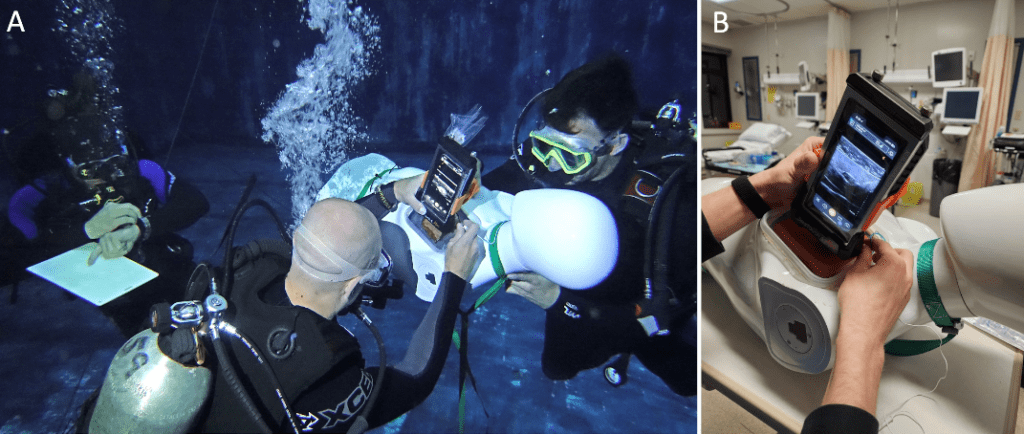
In 2024, Dr. Bailey’s team published a proof-of-concept study demonstrating that ultrasound-guided nerve blocks could be performed successfully in a simulated microgravity environment with success rates comparable to procedures performed on Earth. They have submitted another paper comparing a free-floating patient to when the patient is secured. Their most recent study is evaluating whether non-experts can be taught to perform basic nerve blocks in a microgravity environment.
The Hardware Challenge: Wireless and Waterproof to 6 Meters
When Dr. Bailey’s team initiated their first research project, one of their major challenges was to find a suitable ultrasound system to take underwater for simulated blocks.

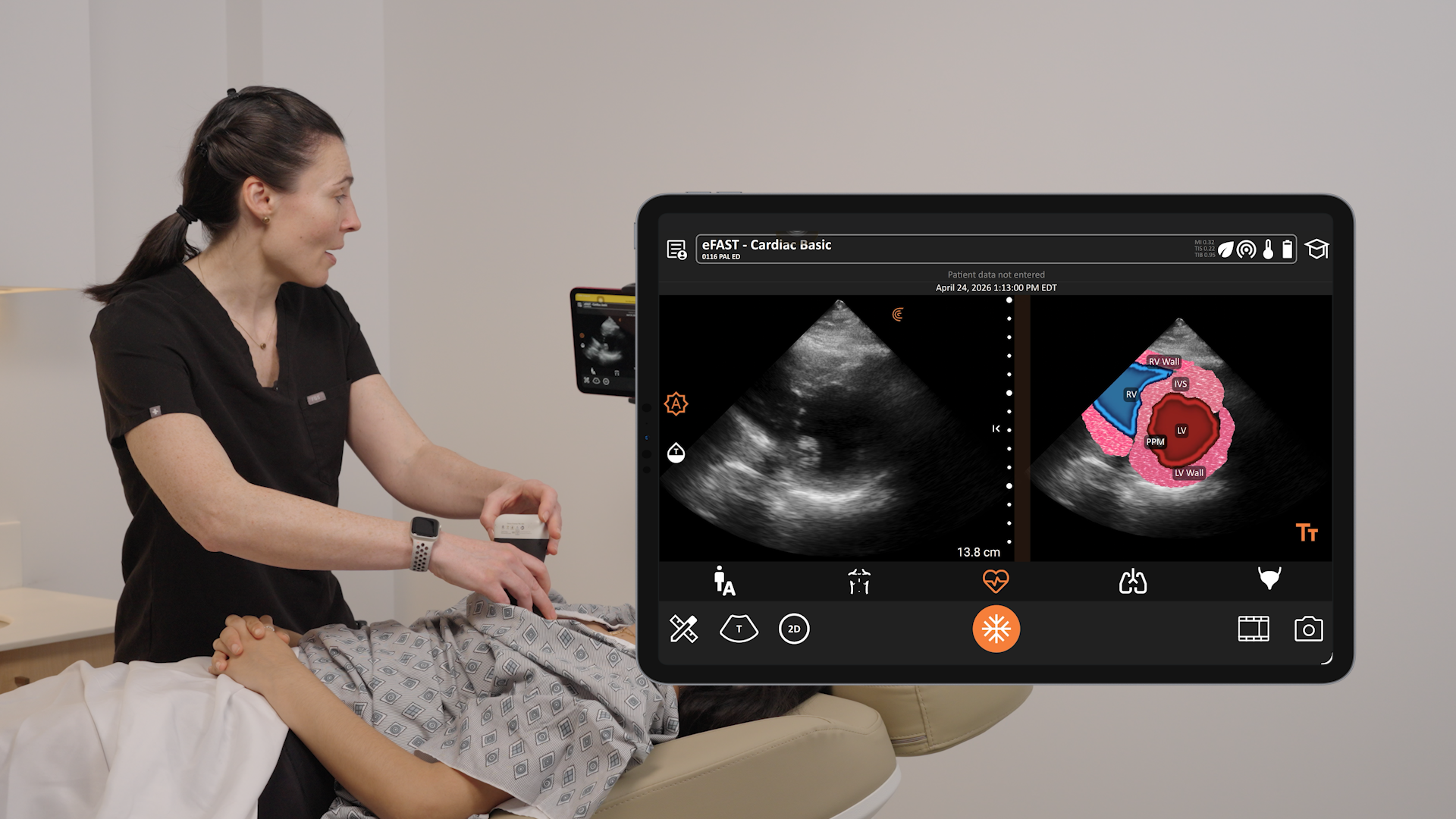
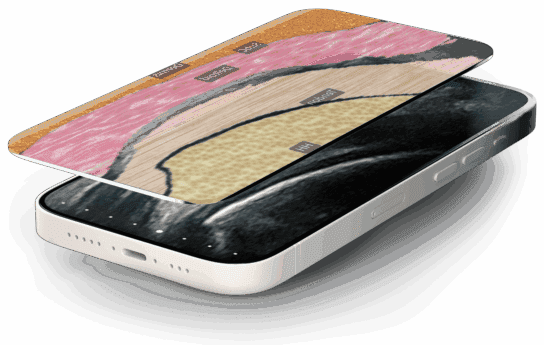
Although the Clarius waterproof rating XP68 suggested that it could be taken to 6 meters, this was uncertain until we tried it,” says Dr. Bailey. “The two L7 linear probes that I own have handled it beautifully. Because WIFI signals don’t move through water, we have found a system where we can secure the transducer to a phone using a 3D printed clip. This allows for a good connection underwater and limited latency.”
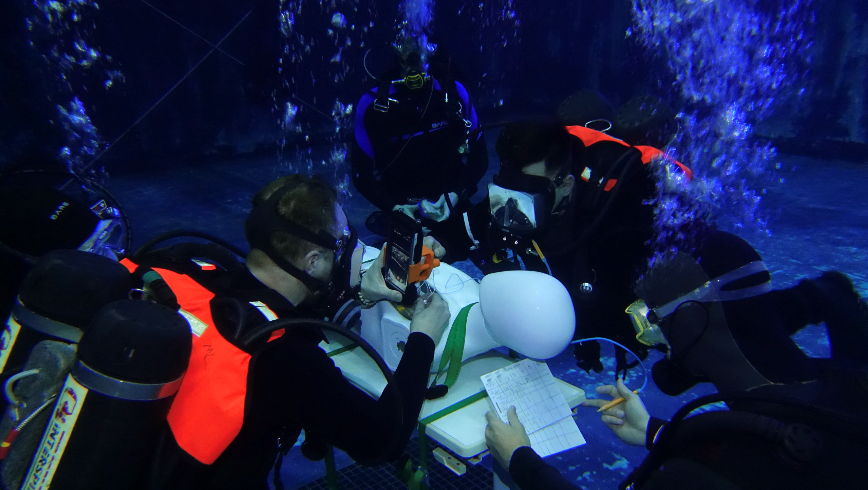
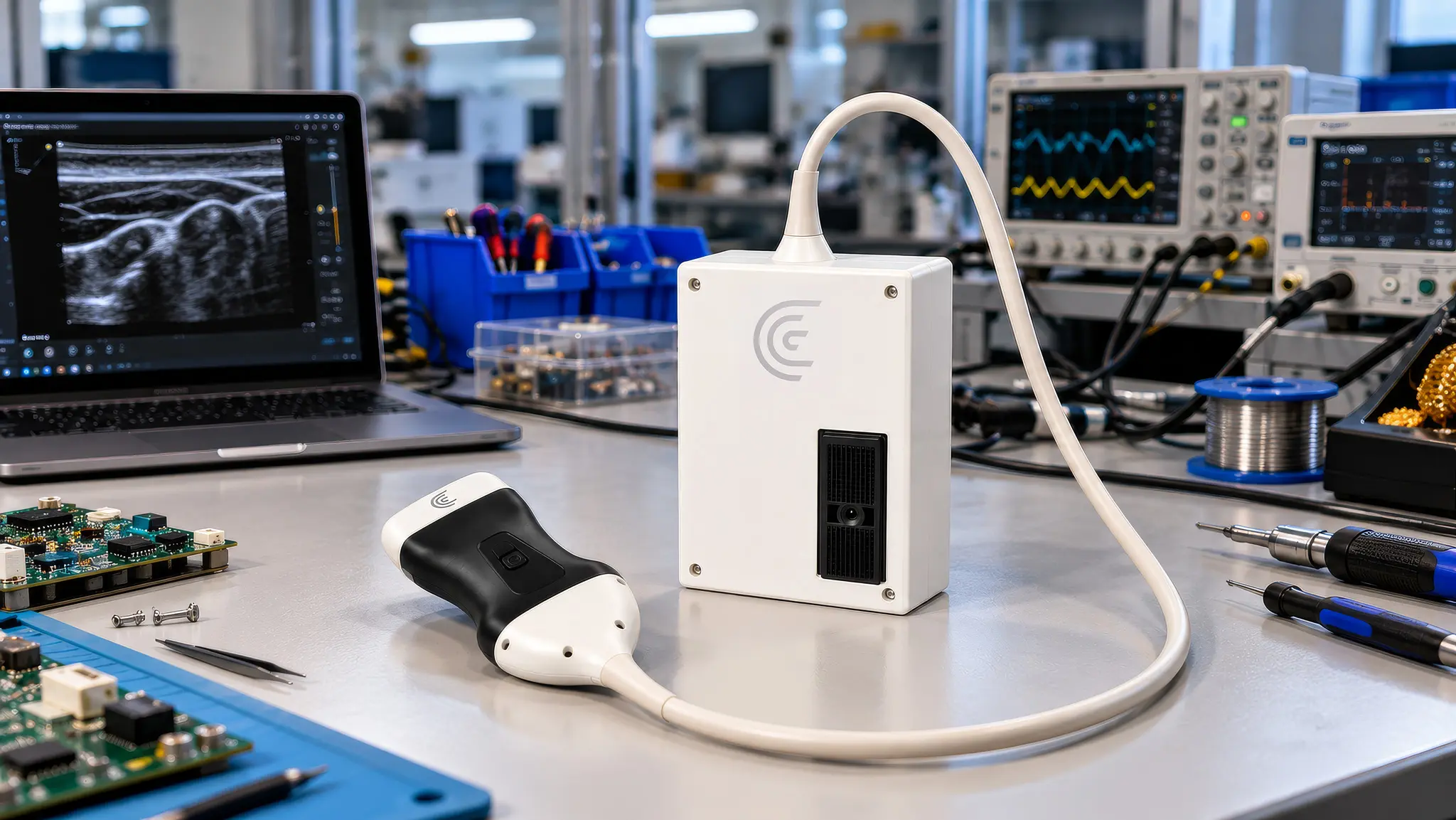
The Clarius L7 HD3 linear scanner is uniquely suited for this environment due to two specific design features:
- IP68 Waterproof Rating: While rated for standard clinical immersion, our research pushed the boundaries to test its limits. Operating two standard L7 probes at depths down to 6 meters, the hardware performed flawlessly with zero fluid ingress.
- Ultra-Portable Form Factor: Space constraints in both an underwater training pool and a spacecraft demand a minimal footprint.
From Expert Feasibility to Non-Expert Application
Most recently, Dr. Bailey’s team is testing the feasibility of having non-experts perform nerve blocks.
On a real space mission, an expert anesthesiologist will not be part of the crew,” says Dr. Bailey. “Our latest study tackles this challenge head-on, evaluating whether non-experts can be successfully trained to locate landmarks and safely perform basic nerve blocks in a simulated microgravity environment.”
Earthside Utility for Low-Resource Environments
While this research lays the operational foundation for future space medicine, the implications reach far closer to home.
The protocols we are developing to train non-physician personnel have immediate, high-stakes utility on Earth,” Dr. Bailey explains. “If a non-physician medic can successfully and safely place a nerve block on a traumatized patient in a physically unstable environment, or if a remote healthcare worker can do the same in an austere, low-resource rural clinic, we could move towards decentralizing advanced pain management.”
By proving that Clarius handheld, ultra-portable ultrasound can deliver reliable clinical imaging under 6 meters of water, Dr. Bailey and his team are proving that safe, effective regional anesthesia is possible almost anywhere: whether that is a remote tactical setting, or on a mission to Mars.
While the goal is to prepare for future missions beyond Earth, the research may ultimately transform how pain is managed in some of the most challenging environments on our own planet.
Whether caring for an injured astronaut on a mission to Mars, a trauma patient in a remote community, or a casualty in a disaster zone, portable ultrasound-guided regional anesthesia could help bring advanced pain management to places where traditional medical resources are unavailable.
If you’re interested in learning more about Clarius ultrasound for your missions on earth or beyond, a Clarius expert is available to provide a custom virtual demonstration.