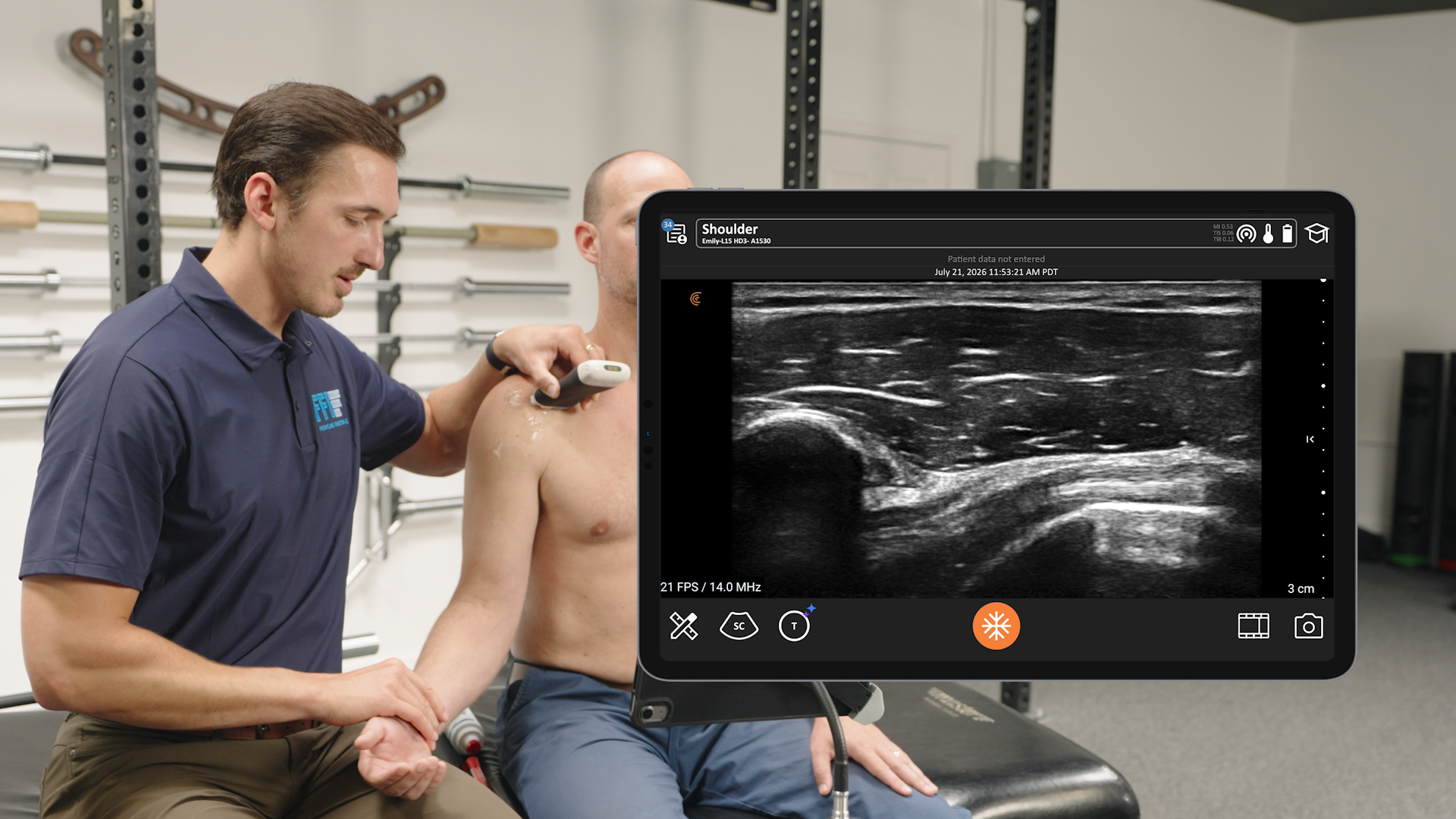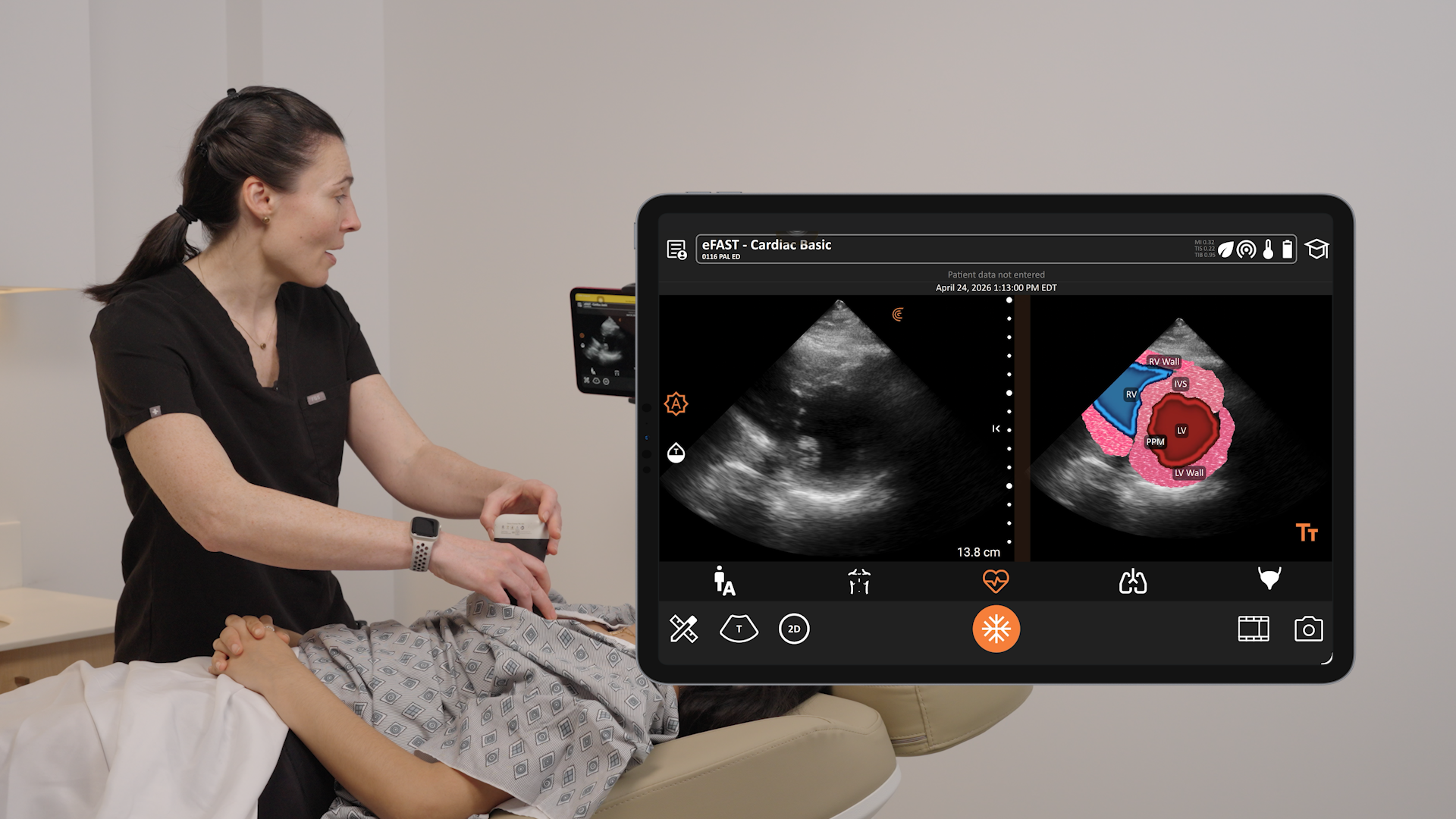




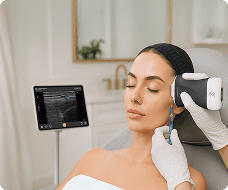
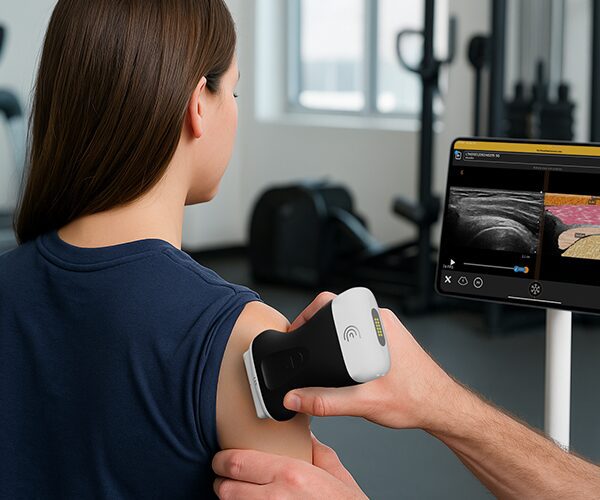
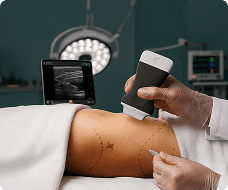
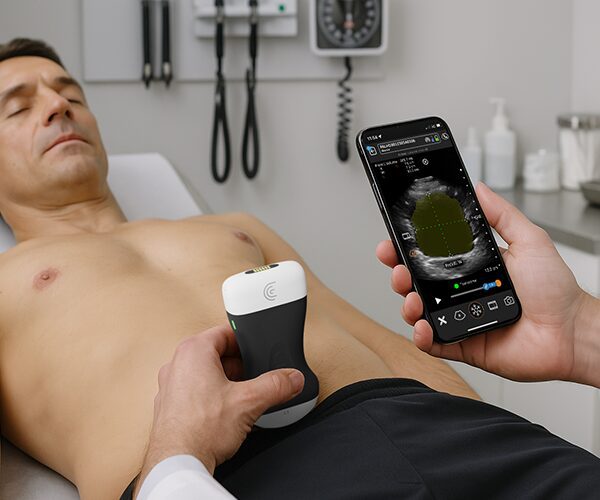


Musculoskeletal complaints are a staple of primary care, yet many clinicians hesitate to perform interventions like corticosteroid injections or joint aspirations due to the limitations of landmark-guided blind techniques. During a 1-hour webinar, Dr. Oron Frenkel shares his tips and techniques for maximizing the success of MSK injections. He illustrates how Point-of-Care Ultrasound (POCUS) transforms these procedures from a game of probability into one of precision. Watch the webinar and read on for some key takeaways from Dr. Frenkel and Clarius host Shelley Guenther.
The Strategy of “Seeing Pathology Directly”
Traditional landmark techniques rely on surface anatomy, which can be misleading in patients with high BMIs or significant inflammation. Ultrasound allows for the direct visualization of pathology—such as identifying a specific bursa or an effusion—before the needle ever touches the skin.
Access to ultrasound in the clinic can allow doctors to see pathology directly, but it also opens the door to therapeutic options… which many clinicians avoid when you don’t have ultrasound and you have to work blindly.” — Shelly Gunther, Clinical Marketing Manager.
Clinical Takeaway: The “One-Poke” Aspiration and Injection
One of the most practical workflows shared by Dr. Frenkel involves managing joint effusions and pain in a single step. Instead of multiple needle sticks, he utilizes a specific catheter technique to improve patient comfort and efficiency:
- Step 1: Identify and Access: Use ultrasound to find the deepest pocket of fluid.
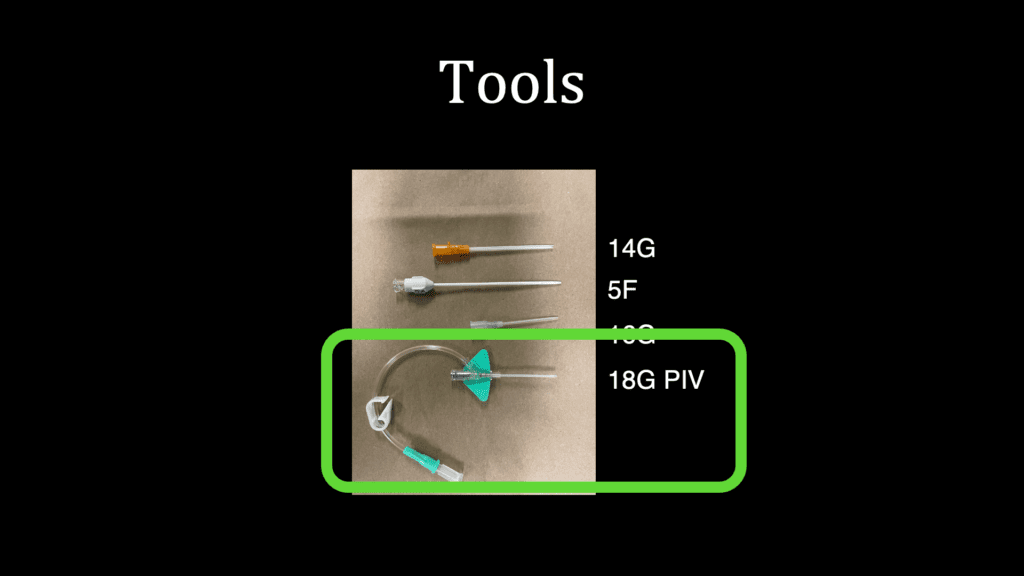
- Step 2: The IV Catheter Hack: Dr. Frenkel recommends using an IV catheter for the initial aspiration. “I use a plastic catheter… and then suck all the aspirate out of the joint as much as I can”.
- Step 3: The Seamless Switch: Once the fluid is removed, you can “inject steroid afterward into the same IV catheter and then pull it out”.
- The Benefit: This “one-poke” method is essentially painless because the plastic catheter “jiggle around” if the patient moves, unlike a metal needle.
Improving Accuracy: Needle Visualization Techniques
Accuracy is the single greatest predictor of whether a patient will find relief from an MSK intervention. Dr. Frenkel emphasizes two critical visualization habits:
- The “Long Axis” Approach: Aligning the needle with the long axis of the probe allows you to visualize the entire shaft and tip as it enters the target.
- In-Plane vs. Out-of-Plane: Choosing the right approach based on the depth of the target—such as using an in-plane technique for deeper hip aspirations to ensure the needle doesn’t veer into neurovascular structures.
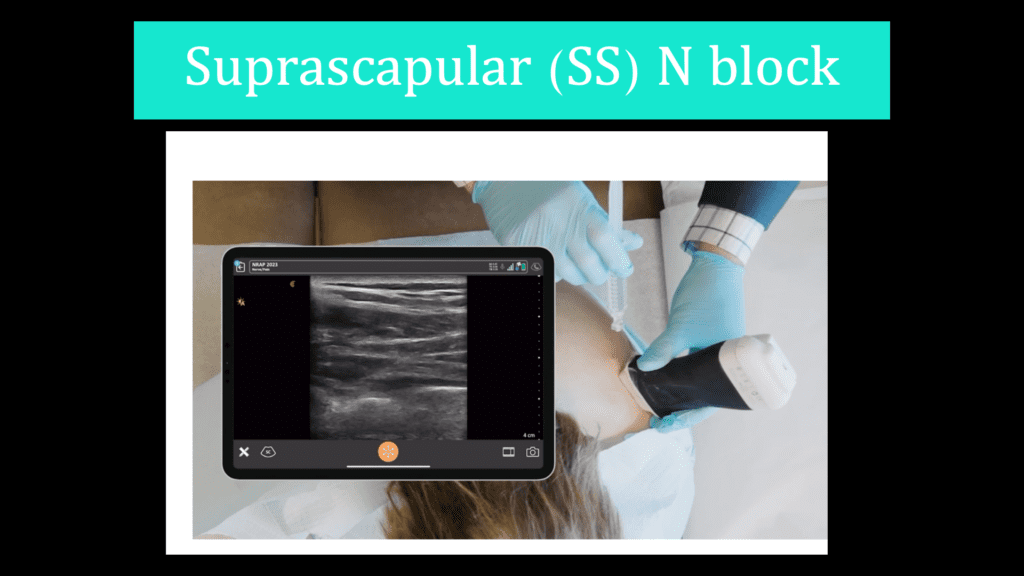
Video Demonstration: PRP Injection for Knee Arthritis
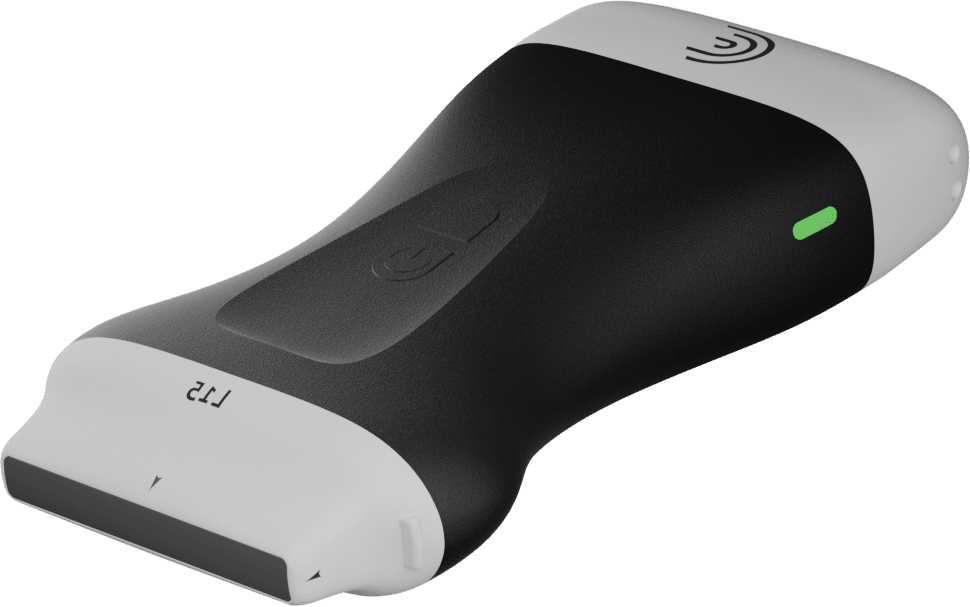
Dr. David Rosenblum performs an injection of PRP in a patient with chronic osteoarthritis in her knee, using ultrasound to avoid bone and make the procedure painless in this 90-second video. He uses the Clarius L7 linear handheld ultrasound scanner.
Broadening Your Scope: Beyond Steroids
With the confidence provided by ultrasound guidance, primary care clinicians can expand their therapeutic offerings beyond standard corticosteroids to include:
- Hyaluronic Acid: Requires precise intra-articular placement for maximum efficacy.
- Biologic Adjuncts: Guided injections ensure that these expensive treatments are delivered exactly where they are needed, justifying the cost through better patient outcomes.
Webinar Q&A: Clinical Insights for Ultrasound-Guided MSK Procedures
Q: Many clinicians struggle with the logistics of performing injections alone. How do you handle the equipment while maintaining a sterile field?
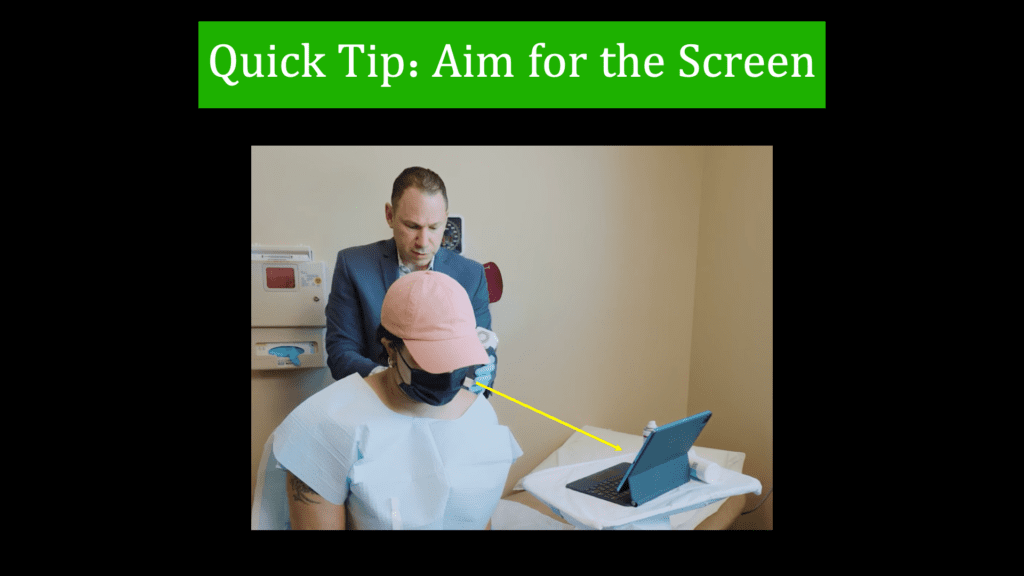
A: Efficiency comes with practice and the right setup. Dr. Frenkel recommends using a wireless scanner like Clarius to eliminate the need for cumbersome cables that can contaminate your sterile field. Using a plastic IV catheter instead of a traditional needle also helps, as it is “essentially painless” and allows you to move between aspiration and injection without needing a second pair of hands to stabilize the needle.
Q: Accuracy is a recurring theme in this webinar. Why is it so critical for patient outcomes?
A: “Accuracy is the single greatest predictor of patient outcomes,” notes Shelly Gunther. When working blindly, clinicians often avoid complex treatments like hyaluronic acid or biologics because they cannot guarantee placement. Ultrasound removes this uncertainty by allowing you to see the pathology and your needle tip directly, ensuring the medication reaches the intended target every time.
Q: For a GP just starting out, which procedures offer the most immediate benefit?
A: According to Dr. Frenkel, joint aspirations and corticosteroid injections for bursitis are excellent entry points. These are high-frequency procedures in primary care where ultrasound can immediately reduce the need for outside referrals to radiology. By identifying the deepest pocket of fluid before you poke, you ensure a successful tap on the first attempt.
Q: Is it really worth the effort to learn ultrasound for someone who only does injections “occasionally”?
A: Yes. According to the poll taken during the webinar, the majority of attendees only perform injections occasionally, yet they still find the added confidence of ultrasound invaluable. As Shelly Gunther concluded, once you experience the precision of guided procedures, “you’ll never go back”.
The Right Tool for the Job: Why Clarius is Ideal for the Primary Care Clinic
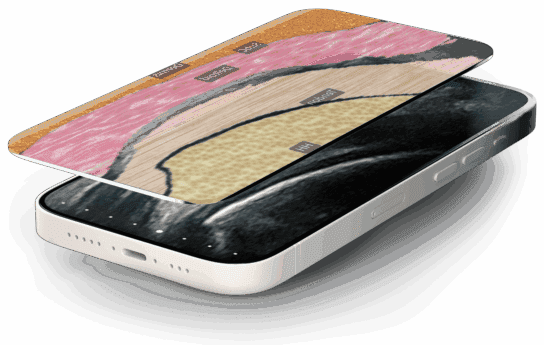
For many clinicians, the challenge of adopting ultrasound has traditionally been the steep learning curve and the bulk of cart-based systems. Clarius scanners remove these hurdles by offering high-definition MSK imaging in a wireless, handheld format that fits in a lab coat pocket. Our handheld scanners incorporate AI tools for a range of specialties including MSK that automatically identifies and highlights anatomy, such as tendons and nerves, helping clinicians confirm their target before the procedure begins.
Request a virtual private demo today to discover why Clarius is the preferred choice for clinicians who demand excellence without compromise. Join the thousands of clinicians worldwide who are already using Clarius to deliver faster, safer, and more accurate injections.
About Oron Frenkel, M.D., M.S.
Dr. Oron Frenkel completed his MS and MD simultaneously at the University of California Joint Medical Program in Berkeley and San Francisco, completing his residency in Emergency Medicine followed by a fellowship in Point-of-Care Ultrasound at Alameda County Medical Center in Oakland, California. He moved to British Columbia with the goal of increasing use of point-of-care ultrasound across the province, especially among rural practitioners. An avid educator, Dr. Frenkel is constantly evaluating the best teaching methods for disseminating this technology, how to measure competency in its practice, and its effects on outcomes for individual patients. Dr. Frenkel serves as Chairman of the Clarius Medical Advisory Board.
About Shelley Guenther, CRGS, CRCS
Shelley Guenther worked as a Nuclear Medicine Technologist for 2 years before entering into the ultrasound program at the Royal Alexandra Hospital in Edmonton. After graduating with specialties in general ultrasound as well as echocardiography, she worked as a clinical expert in the commercial world of ultrasound for over 25 years. As Clinical Manager at Clarius, Shelley Guenther is dedicated to providing the highest quality educational content for clinicians looking to add wireless ultrasound to their practice, including practical webinars and Clarius Classroom video tutorials.