



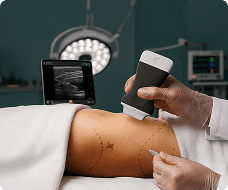
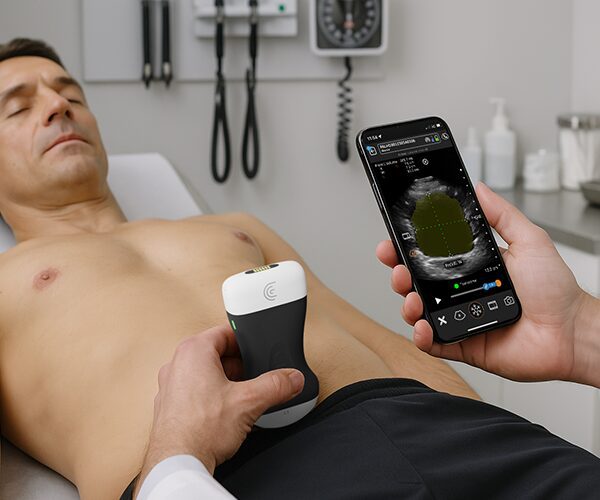


Emerging clinical guidelines and long-term outcome data for treating chronic musculoskeletal pain are driving the transition from symptomatic management to regenerative medicine. Ultrasound-guided treatments such as Platelet-Rich Plasma (PRP) combined with lidocaine are proving to be more effective than conventional steroid-based therapies.
During a recent webinar, Dr. David Rosenblum, a dual board-certified expert in anesthesia and pain medicine, shared how he has revolutionized his Brooklyn-based practice using Clarius handheld ultrasound to guide high-impact regenerative therapies.
This article summarizes key clinical insights from the webinar, “Ultrasound Guided Injections for Chronic Pain: A Regenerative Medicine Approach,” featuring Dr. David Rosenblum. Read on for a technical framework for integrating Point-of-Care Ultrasound (POCUS) into your regenerative protocols. Or watch the full 60-minute session, which is now available to watch on demand.
POCUS-Guided Regenerative Medicine: Transitioning from Steroids to PRP in Pain Practice
A significant shift is occurring in clinical standards as major societies, including ASRA, ASIPP, and NASS, now recommend against the routine addition of corticosteroids for common interventions such as carpal tunnel syndrome, trigger point injections, and certain nerve blocks. Research presented by Dr. Rosenblum highlights that Platelet-Rich Plasma (PRP) not only avoids the tissue-degrading risks of steroids but offers superior motor and sensory nerve improvements in carpal tunnel patients by the three-month mark.
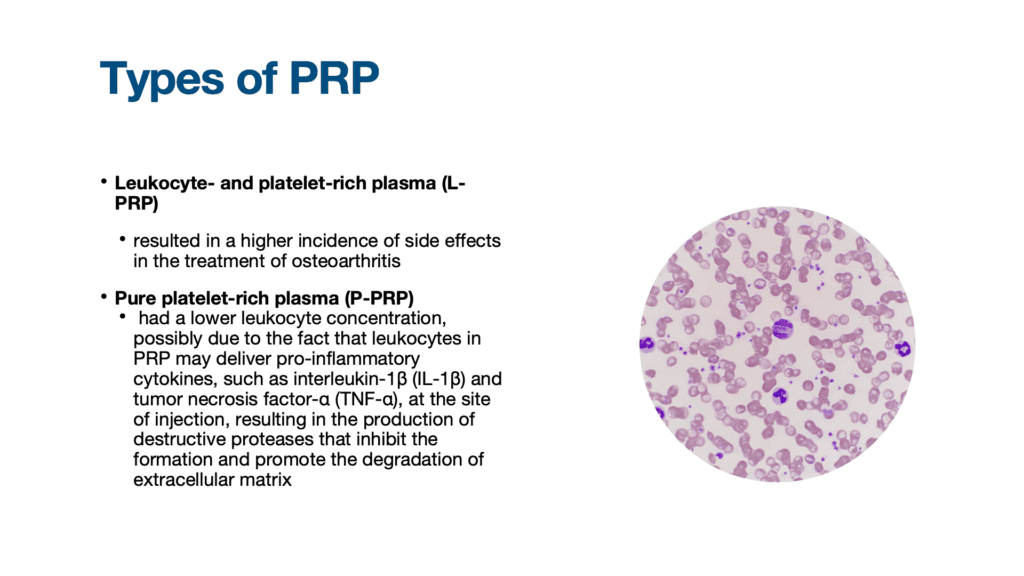
Furthermore, for knee osteoarthritis (OA), systematic reviews of randomized controlled trials demonstrate that PRP provides clinical outcomes superior to hyaluronic acid (HA), with benefits extending well beyond the typical six-month efficacy of Visco supplementation.
Technical & Video Guide: How to Perform an Ultrasound-Guided Knee PRP Injection
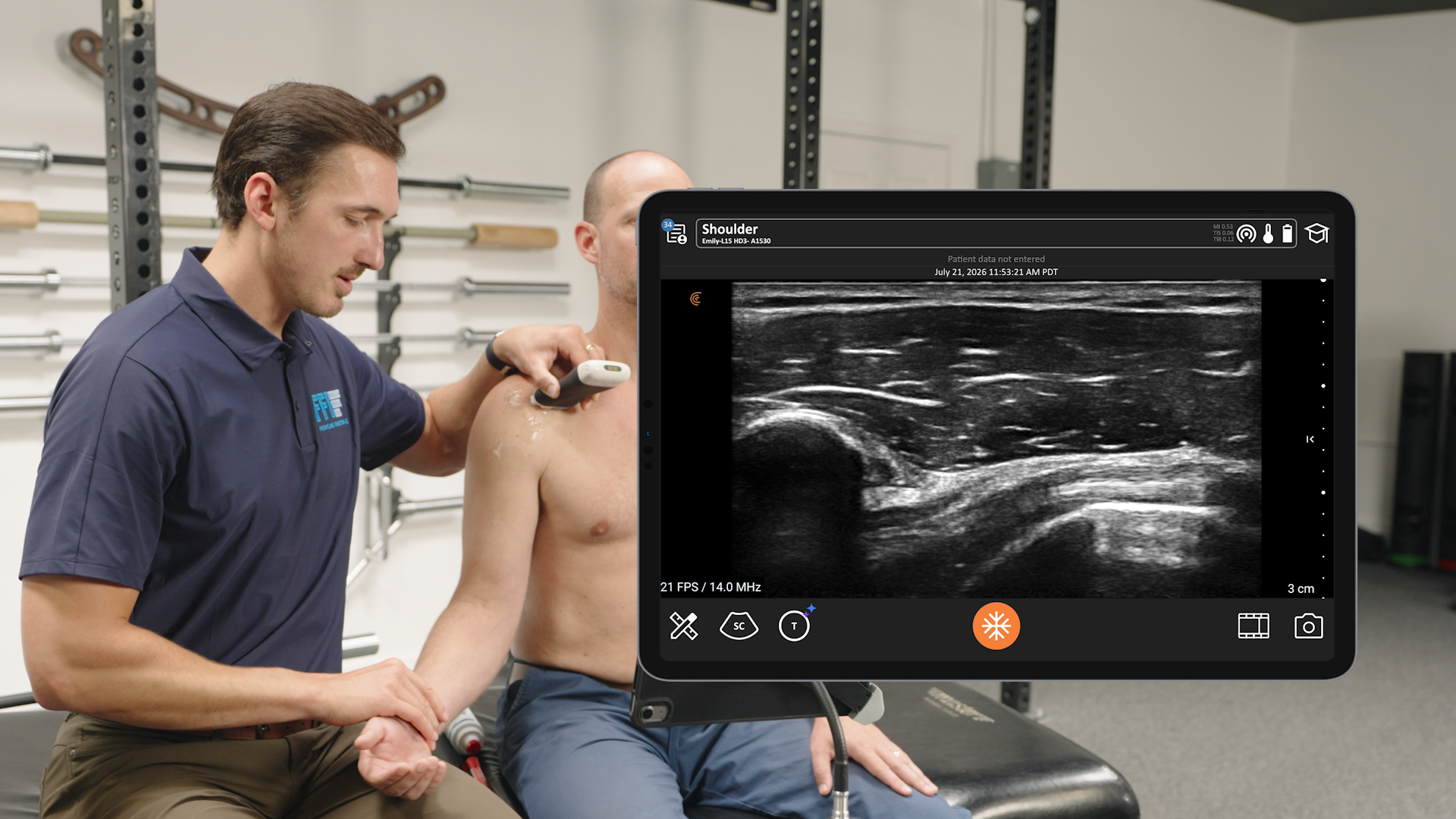
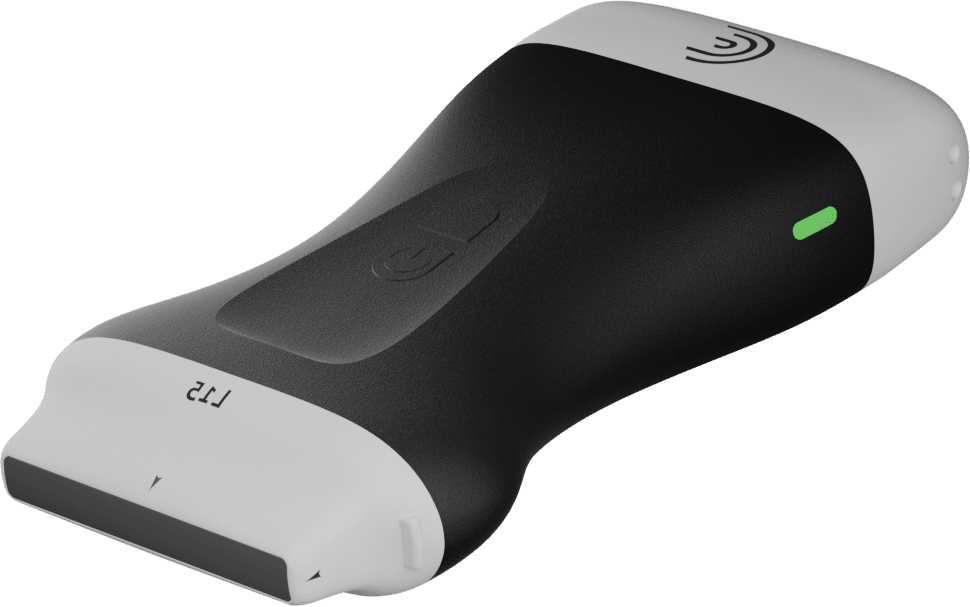
For Dr. Rosenblum, precision delivery is critical for the efficacy of autologous products. He demonstrates the following steps during the webinar to ensure accurate intra-articular and periligamentous delivery using the Clarius HD3 ultrasound scanner:
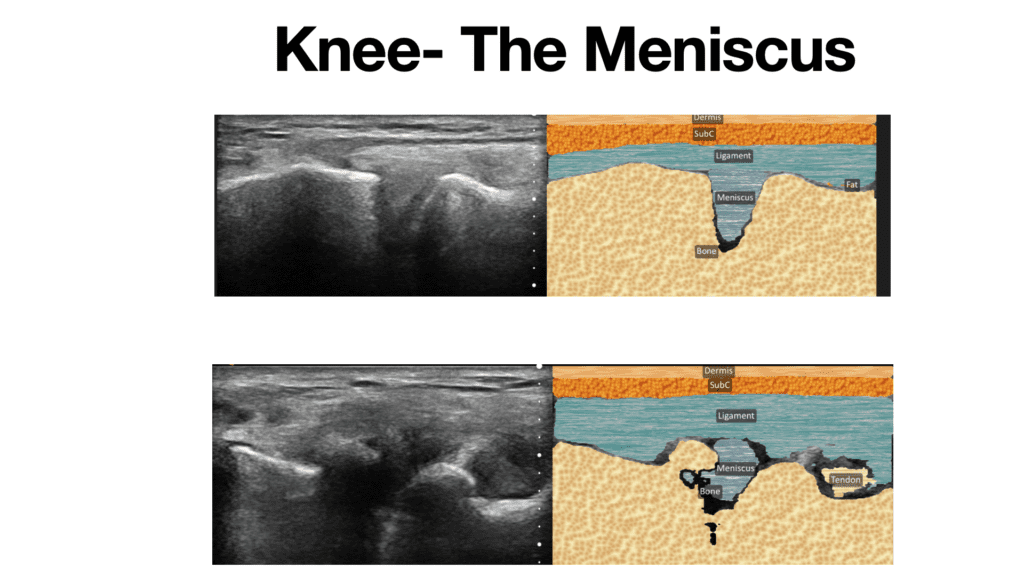
1. Anatomical Scanning & Target Identification
- Suprapatellar Assessment: Begin by scanning the suprapatellar region to identify the quadriceps tendon, the suprapatellar fat pad, and the pre-femoral fat pad.
- Targeting the Recess: Localize the suprapatellar recess between the fat pads, which provides a direct path into the joint space.
- Medial Joint Examination: For patients with medial knee tenderness, scan the joint space to visualize the medial collateral ligament (MCL) and the meniscus. Identify bone spurs or meniscal thinning that correlate with the patient’s pain.
2. Using Clarius Procedural AI for Accuracy
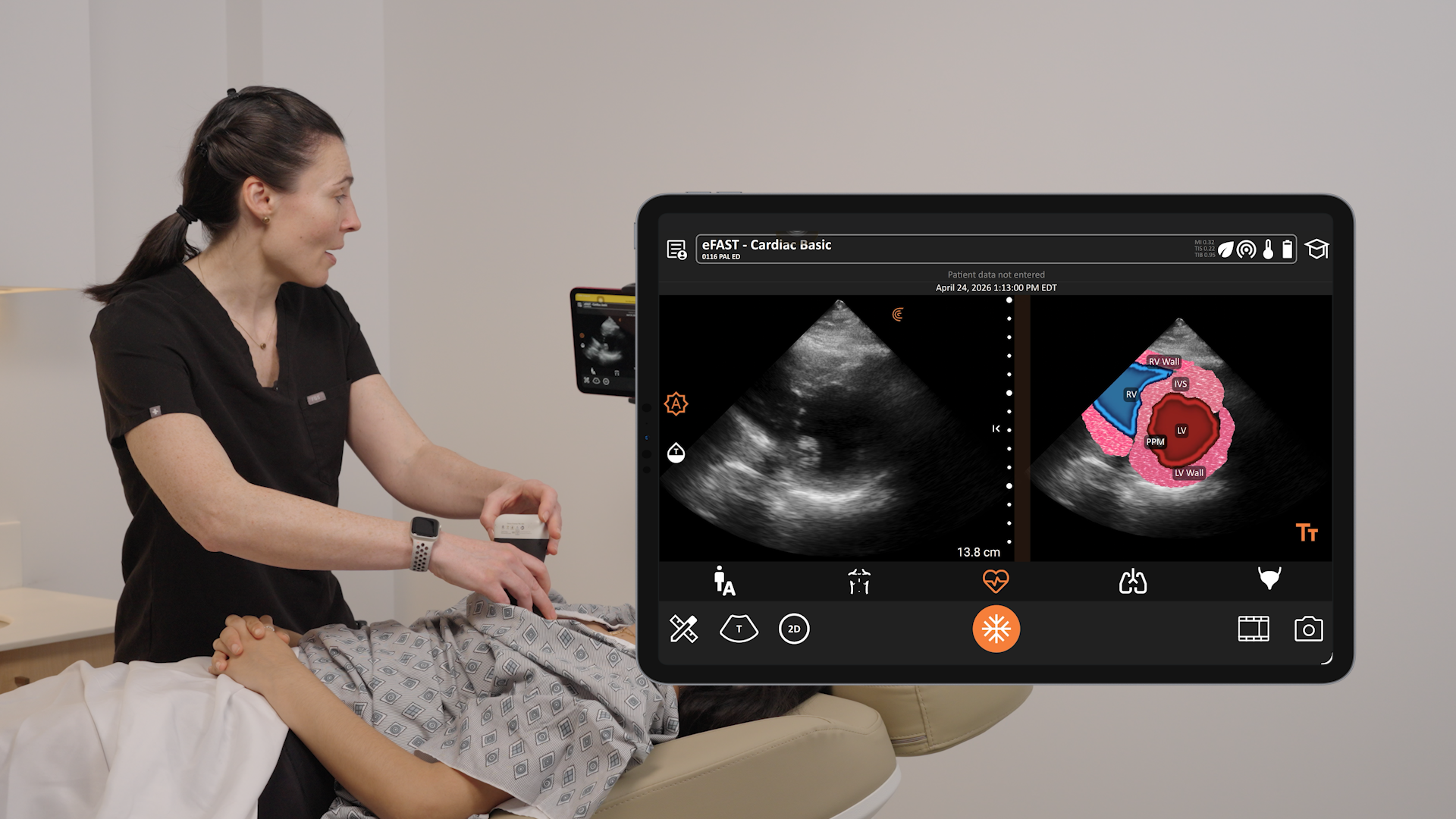
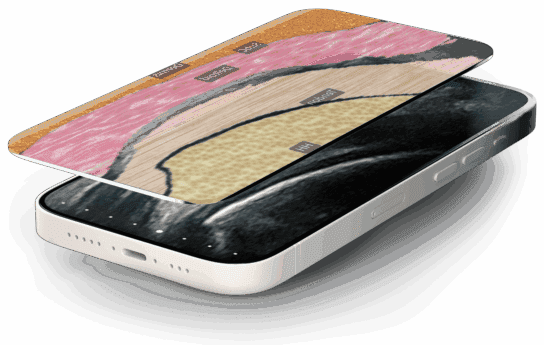
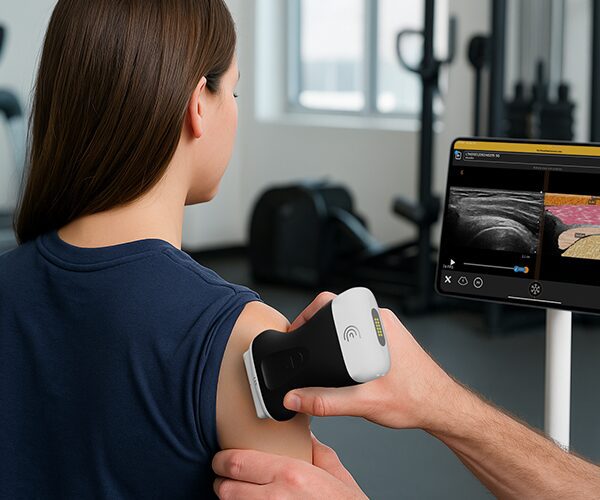
- Clarius T-Mode™: Use real-time labels to confirm the borders of tendons, fat pads, and cartilage, ensuring you are not injecting into subcutaneous tissue.
- Center Guide: Activate the Clarius center guide on the Clarius App to map the exact trajectory of the needle relative to the scanner.
3. The Injection Protocol
- Needle Selection: Use a thin, narrow-gauge needle (e.g., 25 or 30 gauge) to minimize patient discomfort and reduce the need for localized anesthesia.
- Mixing Lidocaine: Evidence from 2022 suggests that mixing 1% lidocaine or 0.5% ropivacaine in a 1:1 ratio with PRP does not compromise platelet therapeutic potential, allowing for a nearly painless procedure.
- Delivery: Direct the needle intra-articularly or near the MCL/meniscus as indicated by the pathology. Use Voice Control to adjust depth and gain hands-free, maintaining a strictly sterile field throughout the injection.
Video Demonstration: POCUS Guided Medial Knee Injections with PRP
In this video, Dr. Rosenblum performs an ultrasound-guided knee evaluation and targeted Platelet-Rich Plasma (PRP) injection for a patient with osteoarthritis. He explains the importance of high-yield PRP preparation while using real-time imaging to precisely treat the patient’s degenerated medial meniscus and medial collateral ligament.
Clinical FAQ: Procedural Standards
How do pre-procedure medications affect platelet function?
Dr. Rosenblum recommends that patients continue aspirin to avoid cardiovascular risks. While traditional NSAIDs should be suspended, research indicates that Cox-2 selective medications like Celebrex (celecoxib) do not significantly decrease platelet aggregation, offering a potential management strategy for chronic pain patients leading up to their procedure.
Why use wireless ultrasound for these procedures?
Sterility is paramount in regenerative medicine. The Clarius HD3 ultrasound is completely wireless, eliminating the risk of cords touching the sterile field. Its waterproof design allows for rapid disinfection or full encasement in a sterile sheath between cases.
Can PRP be used after surgical repairs?
Yes. Dr. Rosenblum notes that PRP can be safely injected into structures like the supraspinatus even after prior surgical repairs, provided the technique remains sterile and precise.
Watch the Full Webinar on Demand: Ultrasound Guided Injections for Chronic Pain
Visualize Your Needle in High Definition for Safe and Precise Pain Medicine Procedures
Recognized for the best imaging quality among handheld systems, Clarius HD3 is highly affordable, easy to learn, and use. With clear nerve and musculoskeletal imaging, watch your needle hit the target. Visit our MSK specialty page to learn more. A Clarius expert is available to provide a custom virtual demonstration. Contact us to schedule a demo at a time that works for you.
About Dr. David Rosenblum
Dr. David Rosenblum is currently the Director of Pain Medicine at Maimonides Medical Center and treats outpatients at his various office locations. He is dual board-certified in Anesthesia and Pain Medicine. Dr. Rosenblum completed a fellowship in interventional pain medicine at New York University, where he also underwent three years of training in Anesthesia. He also completed an internship in internal medicine at Columbia’s St. Luke’s –Roosevelt Hospital, after having received his medical degree from Sackler School of Medicine at Tel Aviv University. Dr. Rosenblum has helped over 3,000 pain physicians become board-certified as the founder of PainExam.com.